Executive Overview
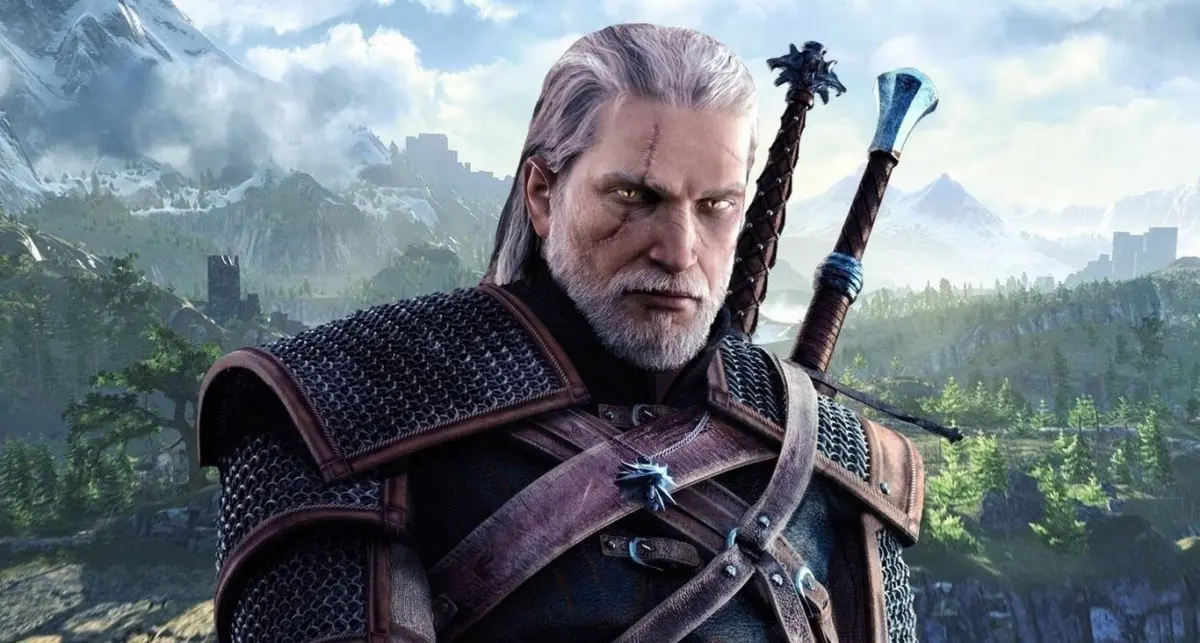
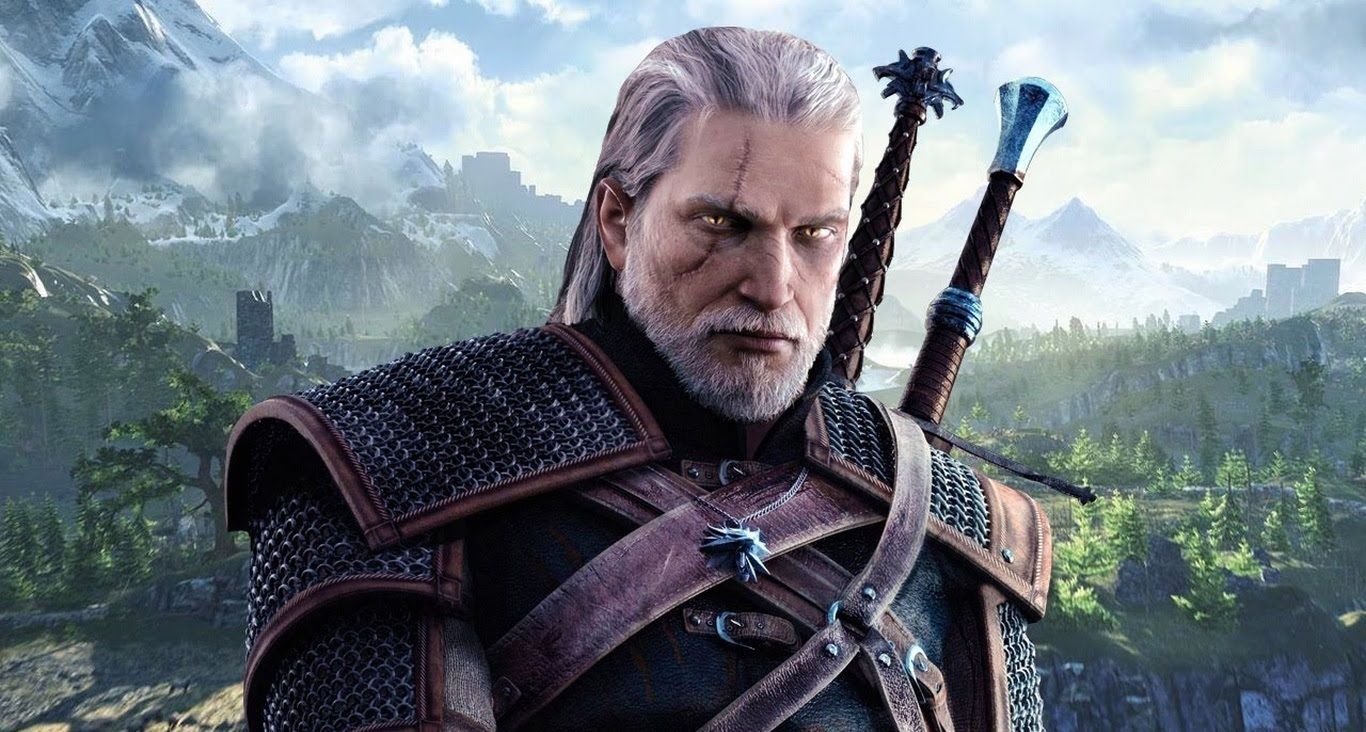
The intersection of artificial intelligence and video game performance has long been a battlefield of ethical debates, labor strikes, and legal uncertainty. However, a recent revelation from CD Projekt Red highlights a profoundly nuanced application of synthetic speech technology. For the upcoming The Witcher 3: Wild Hunt expansion, Songs of the Past, the Polish developer partnered with AI voice-cloning firm Respeecher to modify the performance of veteran Polish voice actor Jacek Rozenek.
Rozenek, who has immortalized the character of Geralt of Rivia across every Polish-language iteration of the franchise, suffered a severe stroke in 2019. While his heroic rehabilitation enabled him to return to the recording booth for the game’s 2021 next-generation update and subsequently for this new expansion, the medical emergency and the natural passage of time fundamentally altered his vocal timbre. Because Songs of the Past slots directly into the timeline of the original base game, a starkly deeper, rougher, and more aged voice threatened to disrupt the narrative continuity.
With Rozenek’s full consent and enthusiastic participation, Respeecher trained AI models on his current performances to shift his pitch and resonance back to how he sounded a decade ago. This case study explores a rare instance where generative voice technology was deployed not to replace an artist, but to preserve their legacy against the ravages of health and time—all while navigating the broader, highly contentious landscape of AI in the entertainment industry.
Detailed Chronology: Injury, Recovery, and the Return to Kaer Morhen
To understand the magnitude of this technological intervention, one must examine the timeline of Jacek Rozenek’s career and health. For Polish gamers, Rozenek is Geralt of Rivia. His commanding, gravelly yet controlled delivery defined the brooding Witcher just as definitively as Doug Cockle’s performance did for English-speaking audiences. Rozenek lent his talents to The Witcher, The Witcher 2: Assassins of Kings, The Witcher 3: Wild Hunt, and its critically acclaimed expansions, Hearts of Stone and Blood and Wine.
The 2019 Turning Point
In 2019, tragedy struck when Rozenek suffered a debilitating stroke. The medical event left him temporarily unable to speak, casting a dark shadow over his career and personal life. For a voice actor, losing the instrument of one’s craft is a devastating professional crisis. Yet, through grueling physical and speech therapy, Rozenek mounted a remarkable comeback.
By 2021, he had recovered enough functionality to return to the studio, recording new dialogue lines for CD Projekt Red’s comprehensive next-generation update of The Witcher 3. While triumphant, the sessions left him physically exhausted. The vocal cords, having endured neurological trauma, simply could not produce the exact resonance, stamina, and elasticity they possessed during the game’s initial recording phase in the early 2010s.
The Challenge of Songs of the Past
When CD Projekt Red greenlit Songs of the Past—a brand-new narrative expansion for The Witcher 3—bringing back Rozenek was an absolute priority for the studio. There was never any question of recasting the beloved Polish Witcher. However, early recording sessions laid bare a creative hurdle.
Because Songs of the Past takes place chronologically in the middle of the base game’s events, Geralt needs to sound identical to how he did during his initial journey across Velen, Novigrad, and Skellige. Rozenek’s natural post-stroke voice, however, had evolved. It was notably lower, heavier, and substantially rougher. Placed side-by-side with archival audio from a decade prior, the discrepancy was too pronounced to ignore.
Faced with this unique creative dilemma, CD Projekt Red turned to Respeecher—a studio they had previously collaborated with—to bridge the gap between Rozenek’s current reality and his historical vocal profile.
Supporting Context & Metrics: The Mechanics of AI Vocal Restoration
Rebuilding a voice using synthetic speech is far from a simple automated filter; it is a meticulous, labor-intensive engineering process that requires deep artistic collaboration.
The Respeecher Pipeline
Dmytro Vasylets, a synthetic speech artist working on the project, detailed the rigorous demands of the brief. The mandate was clear yet daunting: make Jacek’s current voice sound alive, rich, and young, perfectly matching the original 2013–2015 recordings.
The technical hurdles were immense:
- Model Training: The engineering team spent dozens of hours training custom AI voice models using both archival source audio from the original game and newly recorded lines from Rozenek.
- Artifact Mitigation: Eliminating the robotic artifacts and synthetic "hiss" that frequently plague AI-generated audio required endless fine-tuning alongside the CD Projekt Red sound design team.
- Preserving Emotional Range: The greatest challenge was not generating flat spoken sentences, but capturing the subtle micro-expressions of human speech. This included dynamic shifts like half-tones, sharp shouts, guttural groans, sudden anger, genuine fear, and nuanced laughter.
CD Projekt Red’s Track Record with Synthetic Voice
This is not CD Projekt Red’s first foray into ethical AI voice preservation. During the production of Cyberpunk 2077: Phantom Liberty, the studio faced a similar tragedy when Miłogost Reczek—who voiced Viktor Vektor in Cyberpunk 2077 and Vesemir in The Witcher 3—passed away in 2021.
With the explicit blessing and cooperation of Reczek’s grieving family, CD Projekt Red utilized Respeecher to faithfully reproduce his performance for the expansion. These instances demonstrate a strict corporate policy: AI voice tech at CD Projekt Red is reserved for medical necessity or posthumous continuity, always secured through explicit human consent, rather than cutting labor costs by bypassing actors.
Official Statements and Industry Perspectives
The deployment of generative AI in voice acting remains one of the most volatile subjects in modern entertainment. The recent conclusion of the historic SAG-AFTRA video game voice actors’ strike underscored how fiercely performers protect their likenesses and instruments from unauthorized digital replication.
Jacek Rozenek’s Endorsement
Unlike scenarios where studios attempt to replace actors entirely, Rozenek was an active participant and proponent of the AI integration. He harbors no resentment toward the technology because, in this context, it serves as an extension of his own art.
"The point is that this voice should be as close as possible to my voice from 12 years ago," Rozenek stated. "I have great trust […] for the creators of this game."
Having lived with the character for over a decade, Rozenek’s interpretation of Geralt remains unmatched. His eagerness to use Respeecher highlights a vital distinction in the AI debate: when the artist controls and consents to the modification of their own recorded material, technology becomes a tool for empowerment rather than displacement.
CD Projekt Red’s Nuanced Stance
Localization producer Mikołaj Szwed addressed the broader industry anxieties surrounding generative AI during his interview with Game File.
"As a person working with voice actors over all the regions in the world, this is a big concern," Szwed admitted, acknowledging the existential threat AI poses to working performers. However, he emphasized the exceptional nature of this project: "This was a special case."
Szwed confirmed that the studio has no plans to alter the voice of Doug Cockle, the English voice of Geralt, nor do they plan to use AI modifications for Rozenek in potential future Witcher titles set later in the timeline. If future games feature an older Geralt, Rozenek’s natural, weathered voice will be embraced.
"It’s more about this specific situation here, where we have both the voice from 12 years ago and from now next to each other," Szwed explained. Furthermore, CD Projekt Red has publicly distanced itself from widespread generative AI adoption in upcoming projects like The Witcher 4, citing complex legal frameworks surrounding intellectual property ownership and a commitment to genuine human performances.
Future Outlook: A Precedent for Ethical AI in Gaming?
As the video game industry continues to grapple with the rapid evolution of machine learning, the case of Songs of the Past offers a compelling blueprint for ethical implementation.
While unions and performers remain rightfully vigilant against predatory corporations looking to clone actors without compensation, CD Projekt Red’s handling of Jacek Rozenek’s situation demonstrates that AI can be deployed respectfully. By prioritizing the artist’s agency, securing explicit family or personal consent, and using synthetic tools to heal a narrative continuity fracture caused by a medical emergency, the studio has forged a path of least resistance through a minefield of controversy.
Ultimately, Songs of the Past will not just be remembered as another chapter in the storied life of the White Wolf, but as a testament to human resilience. Through a unique blend of medical rehabilitation, artistic dedication, and cutting-edge engineering, Jacek Rozenek’s iconic portrayal of Geralt of Vivia has been safeguarded for generations of fans to come—proving that sometimes, technology can help us turn back the clock without losing our humanity.