Executive Overview
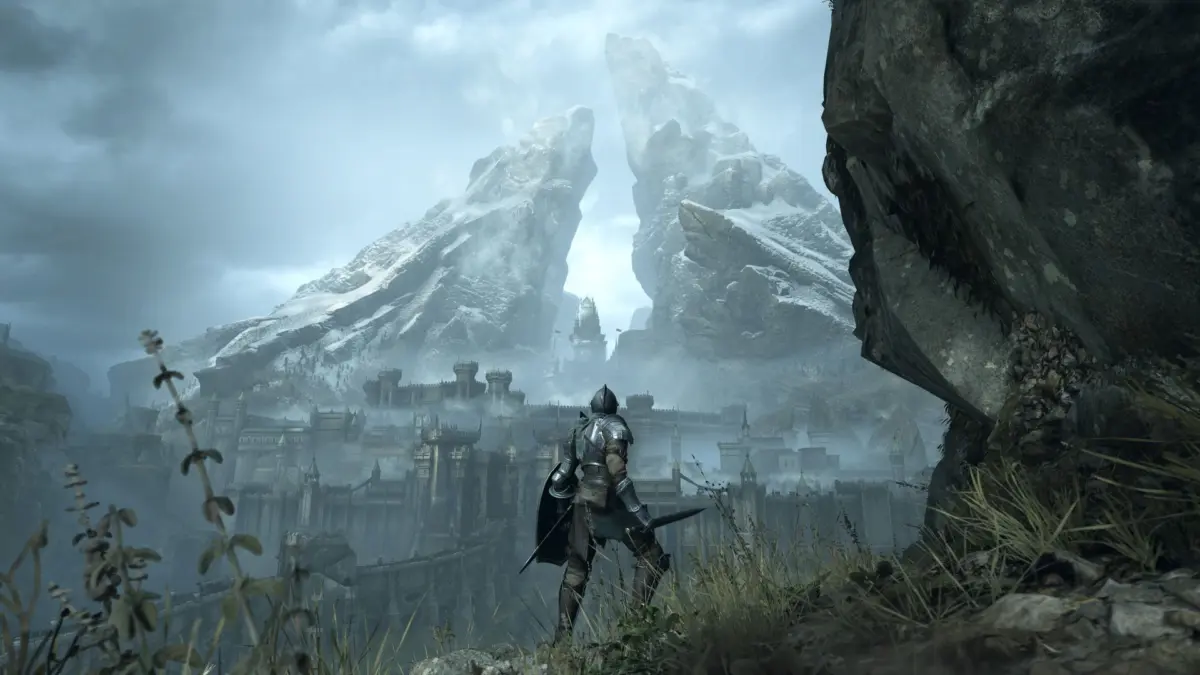
The landscape of video game preservation and hardware emulation is undergoing a radical paradigm shift. For over four years, Bluepoint Games’ stunning 2020 reimagining of Demon’s Souls has remained firmly tethered to Sony’s proprietary ecosystem as an exclusive showcase title for the PlayStation 5. However, recent breakthroughs in unofficial translation layers have fractured that hardware exclusivity—at least in experimental environments.
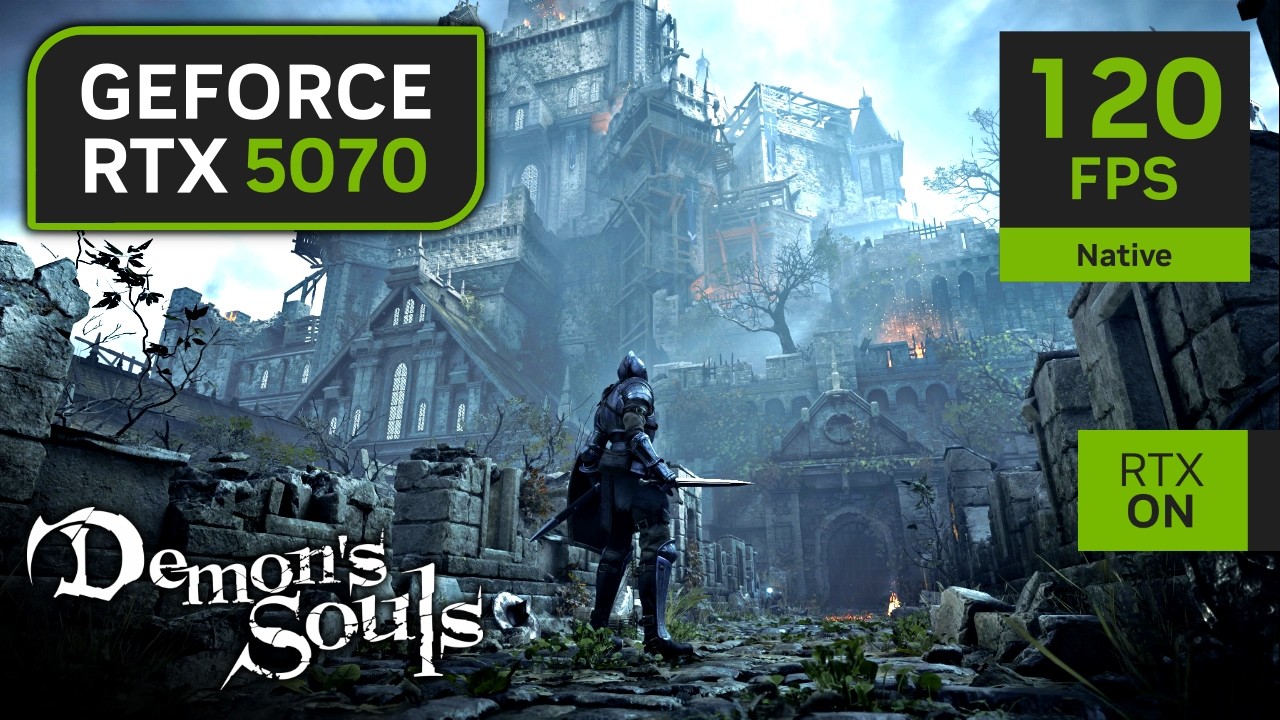
Utilizing the unofficial KytyPS5 translation layer, hardware enthusiasts have successfully booted and run the Demon’s Souls Remake on high-end personal computers. Most notably, tech creator Geralt Benchmarks published footage demonstrating the title running at frame rates exceeding 100 frames per second (fps) at a 1440p resolution, scaling all the way up to a buttery-smooth 120 fps at 1080p. This milestone was achieved using a high-powered rig featuring an NVIDIA GeForce RTX 5070 graphics card and an AMD Ryzen 7 9800X3D processor, aided by DLSS 2x frame generation.
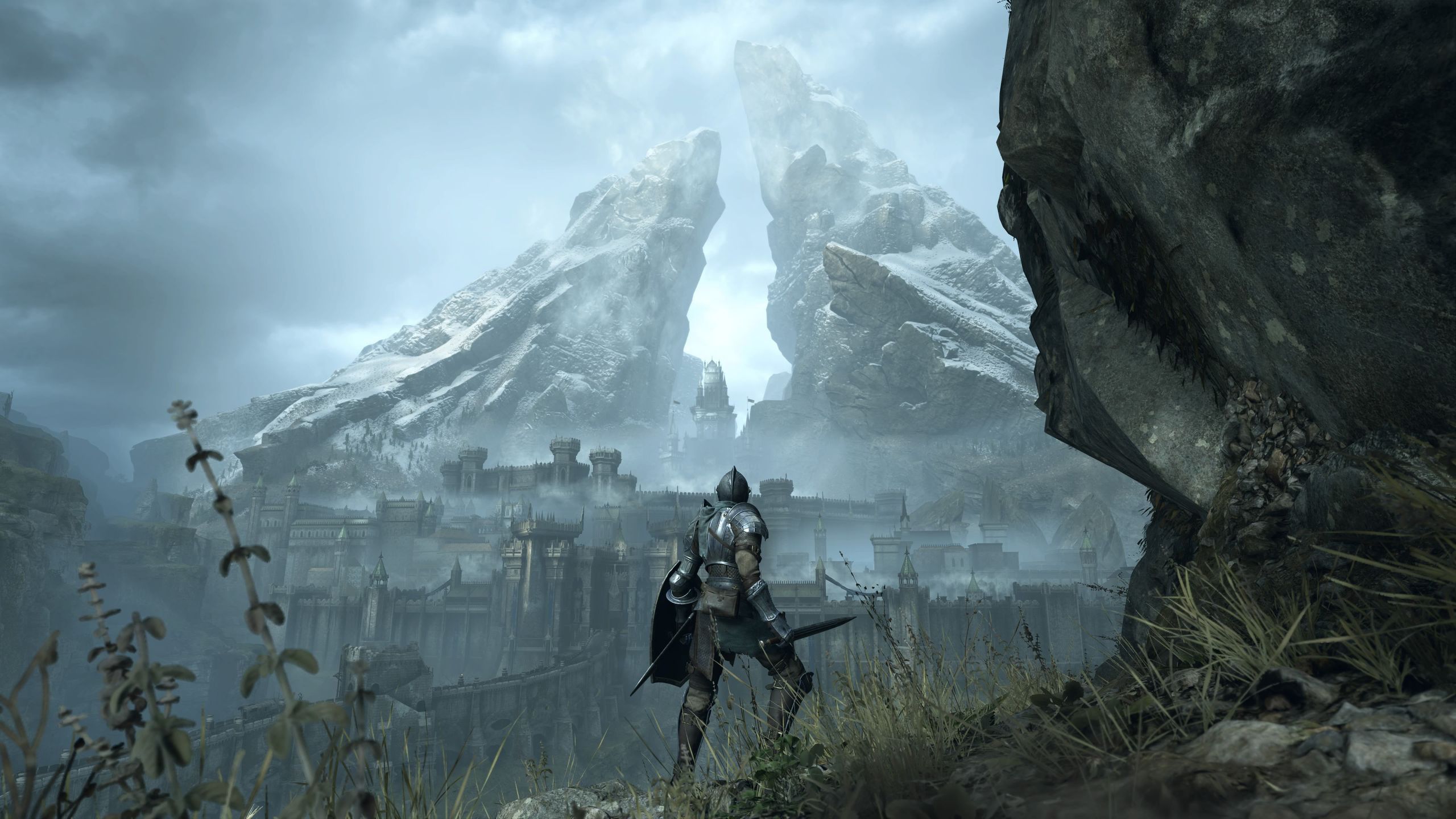
While officially locked to a maximum of 60 fps in performance mode on Sony’s console hardware, pushing Demon’s Souls past its intended boundaries highlights the relentless progression of the PC emulation scene. Yet, this achievement is not without technical caveats. Performance hiccups, stuttering, and the inherent instability of unofficial translation software mean that the PlayStation 5 remains the only reliable, consistent way to experience the harrowing vistas of Boletaria.
Against the backdrop of rising console hardware costs—exemplified by Sony’s recent global price hikes for the PS5 and PS5 Pro—the appetite for alternative ways to play current-generation titles has never been more pronounced. This development arrives alongside wider industry shifts in retro game recompilations, native PC ports of unreleased or console-bound horrors like P.T., and ongoing debates surrounding artificial intelligence within community-driven emulation projects like RPCS3.
Detailed Chronology of the Breakthrough
To understand how a current-generation console exclusive is managing to render on PC hardware, one must trace the timeline of modern translation-based emulation and the specific milestones reached by software engineers working outside official corporate channels.
The Genesis of PlayStation 5 Emulation
When the PlayStation 5 launched in November 2020, its custom AMD Zen 2 CPU and RDNA 2 GPU architecture represented a massive leap forward from the aging Jaguar architecture of the previous generation. Industry analysts initially projected that emulating the PS5 would take decades, mirroring the prolonged struggles developers faced when unlocking the complex architecture of the PlayStation 3 via the RPCS3 project.
However, because the PS5 and modern gaming PCs share a heavily foundational x86-64 lineage and utilize similar graphics APIs (with variations of low-level graphics pipelining), software architects realized early on that "translation layers" might prove more effective than traditional hardware emulation. Tools like the KytyPS5 project emerged not as traditional virtual machines, but as experimental compatibility layers designed to translate PlayStation 5 system calls and proprietary executable formats (.elf or specialized package formats) into instructions that Windows and modern graphics cards could interpret.
The Milestone: Geralt Benchmarks and the RTX 5070 Showcase
The recent surge in public interest was ignited when hardware tester Geralt Benchmarks uploaded a technical showcase highlighting the Demon’s Souls Remake running via the KytyPS5 translation layer.
Paired with bleeding-edge hardware—specifically NVIDIA’s RTX 5070 and AMD’s gaming powerhouse, the Ryzen 7 9800X3D—the system did not merely boot the game; it rendered active gameplay loops in real-time.
- At 1440p resolution, leveraging 2x DLSS (Deep Learning Super Sampling) frame generation, the game pushed past the 100 fps threshold.
- At 1080p resolution, the software achieved a remarkably consistent 120 fps milestone, a feat documented around the eight-minute mark of the creator’s technical video.
For a game meticulously designed around a strict 60 fps target to maintain input responsiveness during punishing boss fights, seeing the title operate at double its intended frame rate signaled a watershed moment for early-stage current-gen emulation.
Supporting Context & Metrics: Official Hardware vs. PC Emulation
Evaluating the success of this breakthrough requires a direct side-by-side comparison between how Bluepoint Games intended Demon’s Souls to run on native Sony hardware versus how it behaves in its current, experimental emulated state.
| Performance Metric | PlayStation 5 (Official Performance Mode) | Emulated PC Environment (RTX 5070 / Ryzen 7 9800X3D via KytyPS5) |
|---|---|---|
| Target Resolution | Dynamic/Native 1440p | Scalable (Tested up to 1440p / 1080p) |
| Target Frame Rate | Locked 60 FPS | Unlocked (Reaches 100–120 FPS with DLSS) |
| Frame Rate Stability | Rock-solid; minimal frame drops | Noticeable hitching, shader compilation stutter |
| Visual Fidelity | Optimized assets, ray-traced ambient occlusion | Dependent on translation layer compatibility |
| Hardware Cost | Standard baseline console pricing (subject to recent regional hikes) | High-end enthusiast PC tier (RTX 5070 + Ryzen 7 9800X3D) |
The Reality of Emulation Quirks
Despite the headline-grabbing 120 fps figures, a deeper dive into the gameplay footage reveals that the experience is far from "plug-and-play."
When Geralt Benchmarks configured the PC rig to mirror the standard PlayStation 5 graphical profiles, the system routinely crested over 70 fps. However, the footage clearly exhibits noticeable hitching and micro-stutters during camera pans and asset streaming. While these performance anomalies may not cross the threshold of being completely "deal-breaking" for hardware hobbyists and tech enthusiasts, they contrast sharply with the immutable stability of the official console version.
As digital analysis benchmarks (such as those historically conducted by Digital Foundry) have repeatedly emphasized, the PS5 version of Demon’s Souls delivers an exceptionally uniform 60 fps experience. That level of optimization requires deep engine-level profiling and proprietary API calls that translation layers are currently forced to guess, intercept, or brute-force using high-end silicon.
Industry Implications and the Broader Emulation Ecosystem
The breakthrough with Demon’s Souls does not occur in a vacuum. It is part of a broader, rapidly accelerating movement within the PC gaming and software preservation communities that targets both past and present console generations.
The Rising Cost of Console Hardware
Economic factors are undeniably pouring fuel onto the emulation fire. Following Sony’s decisions to implement significant price hikes for both the base PlayStation 5 and the high-end PS5 Pro in various global markets, the barrier to entry for console-exclusive libraries has grown steeper. When consumers face increased hardware expenses just to access platform-locked software, the motivation for independent developers and enthusiasts to crack these ecosystems for PC play intensifies drastically.
Parallel Fronts: PS3 Emulation and AI Controversies
The wider PlayStation emulation scene has seen significant turbulence across other generations as well.
- RPCS3 and AI Submissions: The premier PlayStation 3 emulator, RPCS3, recently made headlines by clamping down heavily on code and asset submissions generated by artificial intelligence. Project maintainers issued stern warnings to contributors, advocating for human-driven legacy code preservation over automated solutions.
- Decompilation and Native Ports: Beyond traditional interpretation-based emulation, the industry is seeing a massive surge in game decompilation projects. Enthusiasts are manually reverse-engineering classic console titles into native PC code. A prime example outside the traditional console umbrella is the monumental achievement by a 21-year-old coder who successfully engineered a native PC port of Konami’s infamous, canceled horror teaser P.T., ensuring that an infinitely influential piece of interactive media remains playable despite its removal from digital storefronts.
These concurrent milestones underline a single unified philosophy shared by the preservation community: software that is artificially locked to aging or increasingly expensive hardware runs the permanent risk of being lost to time.
Future Outlook: Will Demon’s Souls Ever See an Official PC Port?
For years, industry insiders and data leaks (most notably from the massive Nvidia GeForce Now leak of 2021) have hinted at internal considerations within Sony regarding a formal PC port of the Demon’s Souls Remake. Sony has progressively brought major PlayStation blockbusters—ranging from God of War and Horizon Zero Dawn to Ghost of Tsushima and The Last of Part I—to personal computers, recognizing the immense revenue potential of the PC market.
Yet, as of this writing, Bluepoint Games’ masterpiece remains stubbornly sequestered on the PlayStation 5.
What Lies Ahead for KytyPS5 and Beyond?
As translation layers like KytyPS5 continue to mature, mature hardware like NVIDIA’s RTX 50-series GPUs and AMD’s X3D processors will continue to smash through legacy bottlenecks via sheer computational force. We are likely to see improved shader compilation caching, reduced hitching, and more stable high-refresh-rate rendering not just for Demon’s Souls, but potentially for other locked current-gen experiences.
Nevertheless, true, seamless PC equivalents of current-gen console exclusives via emulation remain in their infancy. For the average consumer looking for a polished, stable, and bug-free journey through the mist-shrouded ruins of Boletaria, the PlayStation 5 remains the definitive and mandatory destination.
For the hardware tinkerer, however, the barrier has officially been breached. With frame rates soaring past 100 fps and modern upscaling tech bridging the architectural divide, the era of console exclusivity is facing its most resilient challenge yet.
Umbasa.