Executive Overview
In the modern media landscape, the obsession with origin
stories, prequels, and legacy expansions has reached a fever pitch. Corporations and filmmakers continuously mine established intellectual property, seeking to capitalize on pre-existing fanbases by revisiting the formative years of iconic villains. From Bates Motel exploring the psychological unravelling of Norman Bates before the events of Psycho, to A24 and Peacock’s Welcome to Derry contextualizing the multi-century malevolence of Stephen King’s IT, nostalgia and backstory have become the twin engines of contemporary entertainment.
This trend has inevitably reached Camp Crystal Lake. The horror world is currently buzzing over A24 and Peacock’s new television series, Crystal Lake, which delves deeply into the tragic, fractured psychology of Pamela Voorhees—the devoted yet deranged mother of horror’s most recognizable hockey-masked slasher, Jason Voorhees. While the series has drawn considerable viewership and mixed-to-positive critical reception, it occupies a curious space in the cultural conversation: it is a prequel to a narrative whose foundational mythology was already meticulously, brutally established more than four decades ago.
For audiences wishing to trace the bloodlines of modern slasher cinema back to their absolute source, there is no substitute for Sean S. Cunningham’s 1980 masterpiece, Friday the 13th. In a timely development for horror enthusiasts, the original film that launched a multi-billion-dollar franchise, a litany of sequels, comic books, video games, and endless pop-culture iconography is currently available to stream completely free on YouTube. As contemporary viewers flock to streaming platforms to unpack the lore of Pamela and Jason Voorhees, revisiting the 1980 original reveals just how revolutionary, daring, and subversive the film truly was upon its initial release—and why it continues to cast a long, crimson shadow over the genre today.
Detailed Chronology: From Indie Gamble to Cultural Phenomenon
To fully understand the enduring legacy of Friday the 13th, one must examine the precarious climate of the late 1970s and early 1980s film industry. Following the seismic commercial success and cultural dominance of John Carpenter’s Halloween in 1978, independent filmmakers and major studios alike recognized that the psychological slasher film was a goldmine waiting to be tapped. The marketplace rapidly flooded with contenders attempting to capture lightning in a bottle—ranging from Bob Clark’s pioneering Black Christmas (1974) to Tobe Hooper’s visceral The Texas Chain Saw Massacre (1974), alongside a wave of lesser-known imitators.
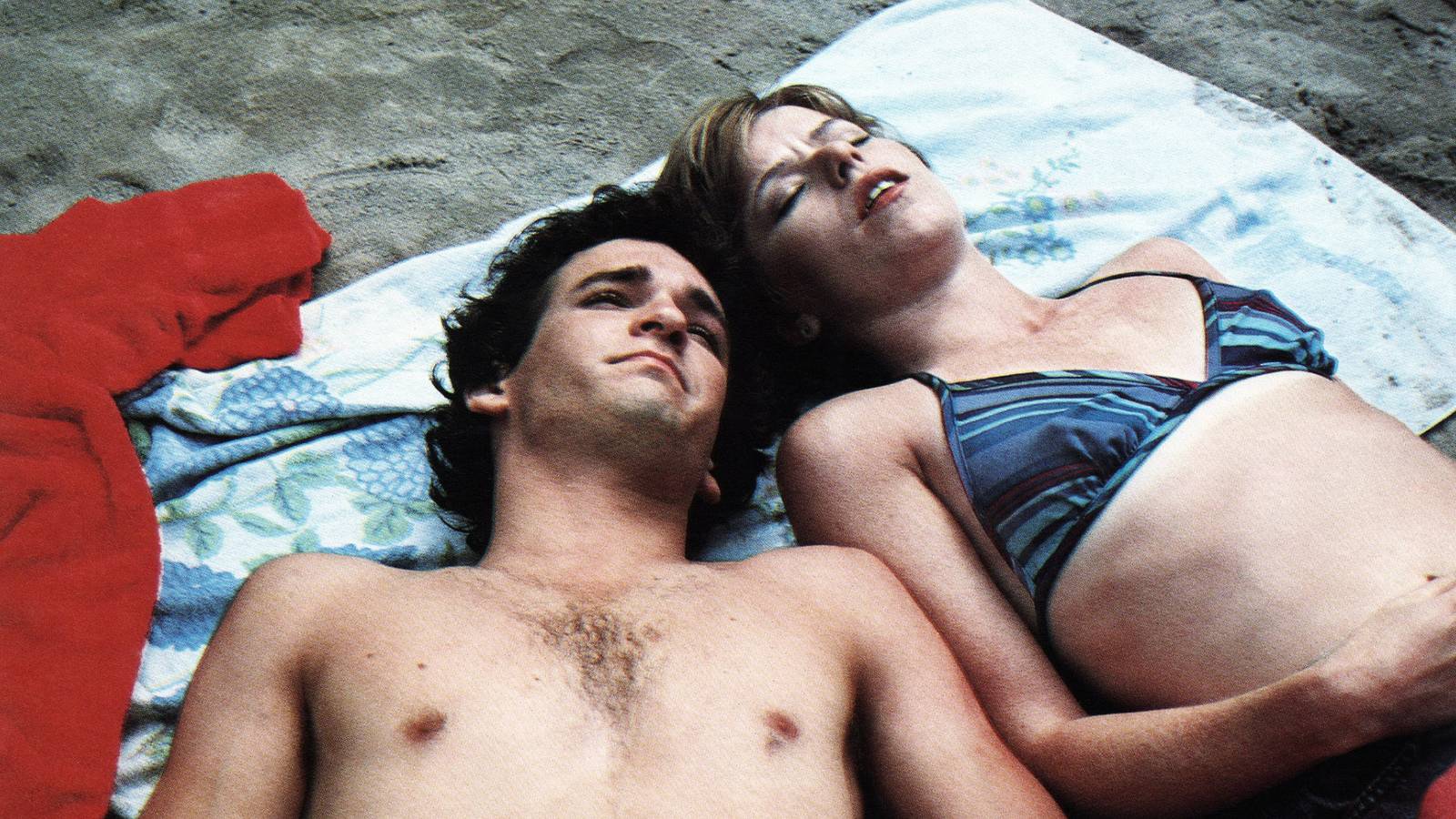
Enter director Sean S. Cunningham and screenwriter Victor Miller. Facing a hyper-saturated market, Cunningham understood that simply duplicating Halloween’s atmospheric suburban suspense would not suffice. Friday the 13th needed a distinct identity, an aggressive marketing hook, and a willingness to push the boundaries of cinematic violence further than mainstream Hollywood had previously dared.
Operating on a modest independent budget of roughly $550,000—a shoestring even by 1980 standards—the production secured a camp location in Hardwick, New Jersey (Camp No-Be-Bo-Sco), which served as the fictional Camp Crystal Lake. Filming took place in the autumn of 1979 under brutal weather conditions, mirroring the damp, isolated atmosphere of the narrative. Miller’s script focused on a group of youthful camp counselors attempting to reopen a dilapidated summer camp plagued by a dark history of drownings and localized superstition, only to be systematically hunted down by an unseen, merciless assailant.
When Paramount Pictures acquired the distribution rights following a shrewd marketing campaign—most notably a striking, minimalist television spot featuring the iconic title card shattering against a black screen accompanied by composer Harry Manfredini’s chilling "Ki-ki-ki, ma-ma-ma" vocal cues—the film became an overnight box-office juggernaut. It grossed nearly $60 million worldwide, instantly transforming a low-budget indie gamble into one of the most profitable independent motion pictures in cinema history and cementing the summer camp as a sacred, terrifying setting in American horror lore.
Supporting Context & Metrics: Breaking Down the Mechanics of Fear
While Friday the 13th shares narrative DNA with its slasher predecessors—featuring isolated youths, heavy suspense, sexual liberation punished by swift retribution, and a relentless killer—it fundamentally altered the mechanics of the subgenre through two critical innovations: groundbreaking practical special effects and a seismic twist regarding the killer’s identity.
The Art of Carnage: Tom Savini’s Practical Mastery
In the wake of Halloween, which famously kept its violence relatively bloodless and atmospheric, Cunningham sought a visceral contrast. He enlisted legendary make-up effects artist Tom Savini, fresh off his visceral, genre-defining work on George A. Romero’s Dawn of the Dead (1978). Savini viewed the kills not merely as plot points, but as sculptural art forms designed to elicit visceral, physical reactions from audiences.

Savini’s contributions elevated the film’s body count into a masterclass of illusion. Consider the death of counselor Jack (played by a young Kevin Bacon), who lies innocently on a cabin bed before an arrow is driven through his throat from underneath. To achieve this, Savini utilized a specialized prosthetic neck piece coupled with a hidden pneumatic tube and pump mechanism that propelled fake blood outward with startling pressure and velocity. For 1980 audiences, the realism of the effects was unprecedented, earning the film an initial run-in with the MPAA that required several cuts to secure an R-rating, yet cementing its reputation as one of the bloodiest wide-release horror films of its era.
Subverting the Slasher: The Introduction of Pamela Voorhees
Perhaps the most enduring legacy of the original Friday the 13th lies in its structural subversion of the killer. In an era where cinematic violence was overwhelmingly attributed to male psychosis—Michael Myers, Leatherface, and countless nameless stalkers—Cunningham and Miller pulled off one of the greatest third-act twists in horror history.
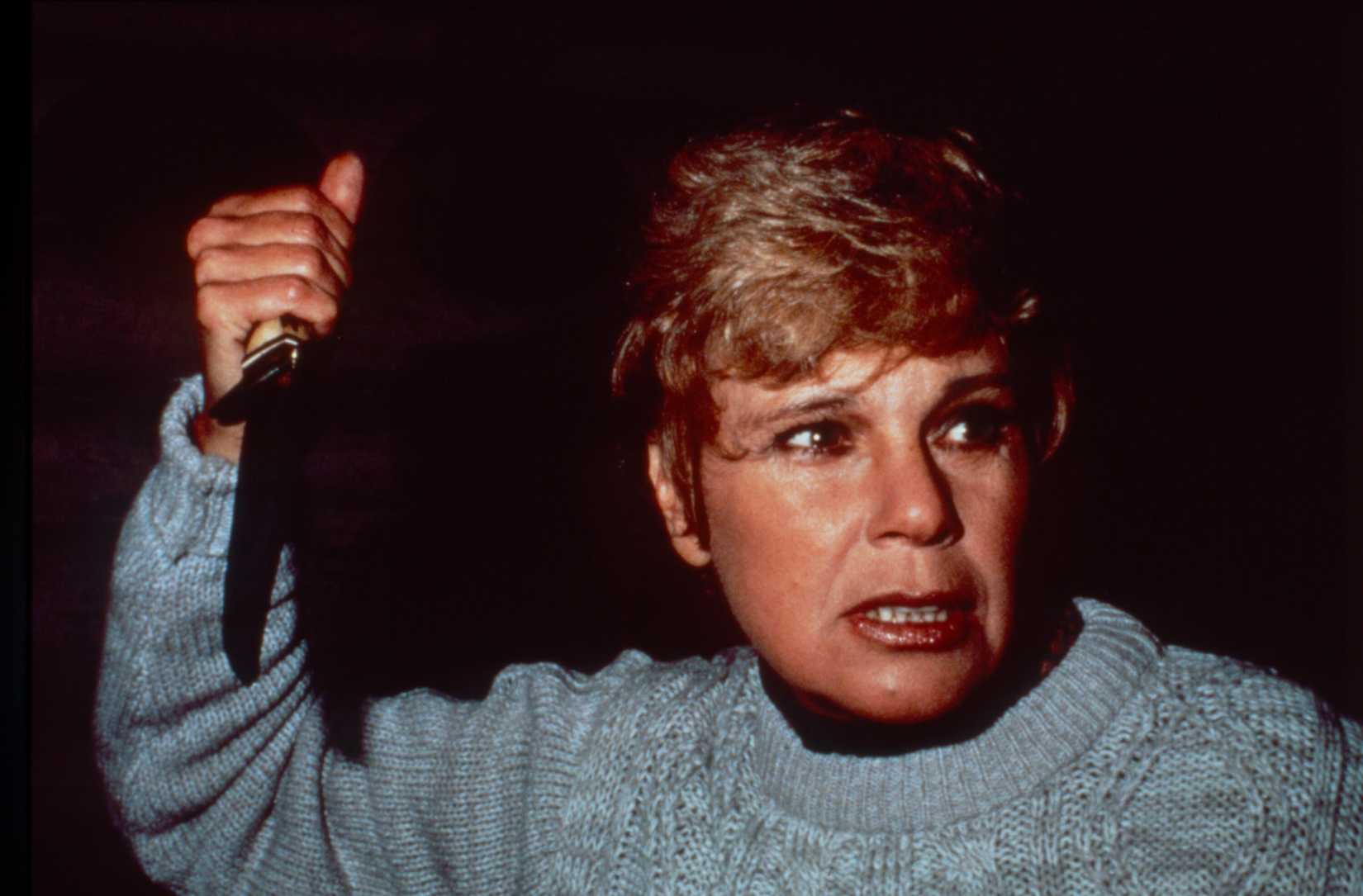
The killer stalking the counselors is not a supernatural boogeyman, but Pamela Voorhees (portrayed with harrowing, sympathetic intensity by Betsy Palmer). Driven completely mad by grief and a deep-seated resentment toward society’s institutional neglect of her disabled young son, Jason—who supposedly drowned at the camp years earlier due to inattentive counselors—Mrs. Voorhees embodies a terrifyingly complex motivation.
Unlike Michael Myers, who is framed as abstract, inexplicable evil incarnate, Pamela Voorhees is animated by a warped maternal love. While her actions are indefensible, her psychological profile introduces a layer of tragic empathy that reshaped how audiences viewed movie villains. Even today, decades after the hockey-masked Jason took over the franchise mantle in subsequent sequels, Mrs. Voorhees remains a uniquely compelling antagonist in the slasher pantheon.
Official Statements and Industry Insights
Reflecting on the legacy of the franchise, filmmakers and critics alike have frequently noted the delicate balance between commercial exploitation and artistic innovation that defined the 1980 original.
In retrospective interviews, director Sean S. Cunningham has often highlighted the sheer speed and entrepreneurial drive required to get the film made. "We weren’t trying to make high art; we were trying to make a movie that would keep teenagers on the edge of their seats and make a profit so we could pay our investors back," Cunningham noted during a 30th-anniversary retrospective. "We knew we had to shock people, and Tom Savini was the exact weapon we needed to deliver that shock."
Meanwhile, cultural critics analyzing the modern resurgence of the franchise via Peacock’s Crystal Lake series emphasize that the enduring fascination with the Voorhees family tree stems directly from the emotional groundwork laid in the 1980 film. Dr. Elizabeth Vance, a film historian specializing in horror demographics, notes:
"What makes the original Friday the 13th stand the test of time isn’t just the body count or the jump scares. It’s the foundational trauma of Pamela Voorhees. Modern prequels like Crystal Lake exist because audiences are still endlessly fascinated by the intersection of grief, maternal obsession, and societal failure that birthed Camp Blood. The original film gave us a monster with a broken heart, and that complexity is why we are still talking about it 46 years later."
Future Outlook: The Evolution of Camp Crystal Lake
As the Friday the 13th intellectual property navigates its complex legal history and expands into episodic television via streaming platforms, the future of Camp Blood appears brighter—and bloodier—than ever. While the ongoing status of Crystal Lake Season 2 remains heavily debated among industry insiders and streaming executives at Peacock and A24, the broader cultural footprint of the franchise shows no signs of slowing down.
For modern horror fans who have discovered the franchise through prestige television prequels, returning to the 1980 original offers an invaluable masterclass in tension pacing, atmospheric dread, and practical effects wizardry. It serves as a reminder that before multi-season story arcs, cinematic universes, and elaborate backstories dominated the horror landscape, terror could be distilled into a simple, effective formula: a group of isolated youths, a darkening lake, and a vengeful mother seeking retribution in the woods.
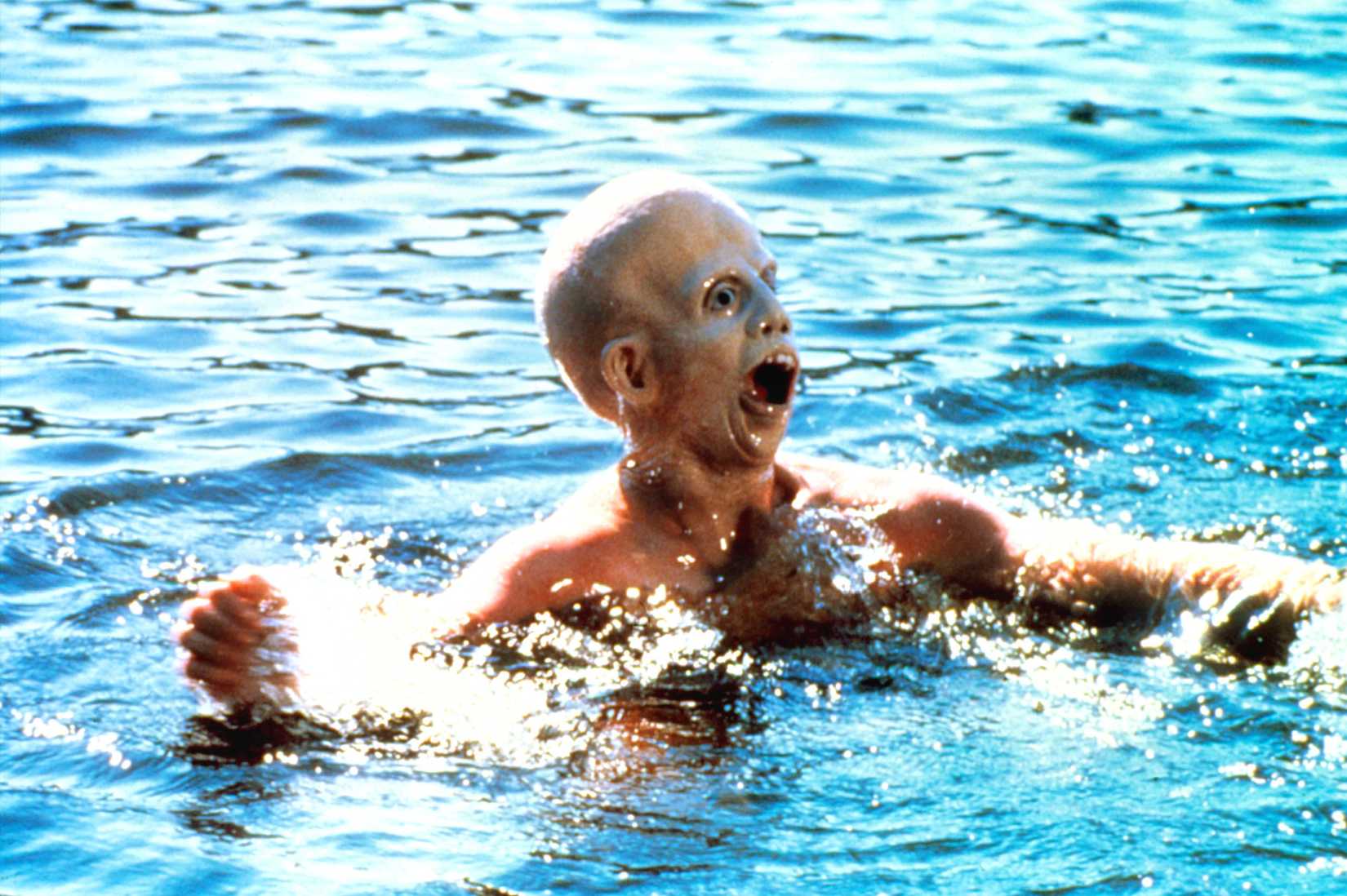
As Friday the 13th streams for free on YouTube, a new generation of viewers has unobstructed access to the very genesis of modern slasher cinema. Whether viewed through the lens of historical film analysis or simply as Friday-night entertainment, Camp Blood remains open for business—and its doors are unlocked for everyone.