Executive Overview
The modern digital landscape is at a critical crossroads. For over a decade, social media platforms have operated under a largely unfettered paradigm of hyper-engagement, algorithmic curation, and data extraction. However, the true cost of this digital experiment is finally coming due. In what marks a watershed moment for the technology sector, Meta—the parent company of Facebook and Instagram—faces a massive legal and financial reckoning centered around a staggering multi-billion-dollar settlement framework, hovering around $17 billion. This settlement aims to address mounting public outcry, state-level litigation, and federal scrutiny over the profound, often detrimental impacts of social media on teenagers and young adults.
Yet, as legal experts, lawmakers, and mental health advocates parse the details of this historic agreement, a fundamental question hangs in the balance: Does a $17 billion financial penalty truly address the systemic, deeply ingrained concerns regarding adolescent mental health and platform safety, or is it merely a calculated cost of doing business in an era of unprecedented digital harm?
Moreover, this settlement does not exist in a vacuum. As Meta finds itself cornered by regulators and civil litigants, the spotlight inevitably widens to encompass the entire social media ecosystem. If Meta’s business model is found culpable for exacerbating youth anxiety, depression, body dysmorphia, and addictive behaviors, the existential question facing Silicon Valley becomes unavoidable: Are YouTube and TikTok next?
This investigative report explores the anatomy of Meta’s landmark settlement, dissects the growing body of evidence linking social media algorithms to teenage psychological distress, evaluates the broader industry implications for competing tech giants, and projects the regulatory future of digital platforms in an increasingly hostile legal climate.
Detailed Chronology: How We Reached the $17 Billion Crossroads
To understand the magnitude of the current crisis, one must trace the winding, contentious path that brought Meta to the negotiating table. The road to a potential $17 billion payout was paved by years of investigative journalism, internal whistleblowers, aggressive state Attorney General investigations, and a tidal wave of private lawsuits filed by school districts, parents, and pediatric victims.
The Whistleblower Catalyst (2021)
The modern era of social media accountability truly ignited in the fall of 2021, when former Meta employee-turned-whistleblower Frances Haugen leaked tens of thousands of internal documents—collectively known as the "Facebook Papers"—to the Securities and Exchange Commission (SEC) and The Wall Street Journal. These documents provided an unprecedented, smoking-gun look behind the curtain of Meta’s internal research.
Crucially, the leaks revealed that Meta’s own researchers were well aware of the toxic impact Instagram had on a significant percentage of teenagers, particularly young girls. Studies conducted internally by the company indicated that Instagram worsened body image issues for one in three teenage girls and contributed to rising rates of anxiety and depression. Despite possessing this internal data, public-facing executives continually downplayed the risks, prioritizing user retention, daily active usage, and advertising revenue over minor safety interventions.
The Rise of State-Level Multi-District Litigation (2022–2023)
Following the fallout from the Facebook Papers, a coalition of state Attorneys General launched sweeping bipartisan investigations into Meta’s product design choices—specifically features like infinite scroll, algorithmic feeds, push notifications, and "likes"—which critics argued were intentionally engineered to be addictive to developing adolescent brains.
By late 2023, these investigations culminated in historic lawsuits filed by more than 40 states and the District of Columbia. Concurrently, thousands of individual personal injury lawsuits, school district claims, and class actions filed by parents were consolidated into a massive Multi-District Litigation (MDL) proceeding in federal court. Plaintiffs alleged that Meta knowingly designed defective products that fueled a youth mental health crisis, violating consumer protection laws and committing gross negligence.
Settlement Negotiations and Financial Realities (2024–Present)
As the legal pressure mounted and the prospect of high-profile, highly damaging jury trials loomed, settlement talks intensified. While the exact structuring and final sign-offs of the comprehensive legal resolution continue to be ironed out across various state and federal dockets, the estimated financial liability hovers around $17 billion. This figure represents not only monetary damages but also mandated structural reforms, independent algorithmic audits, and heightened transparency measures regarding how Meta serves content to minor accounts.
However, legal analysts and child safety advocates remain deeply divided on whether financial settlements—even in the tens of billions—are sufficient to alter the foundational architecture of surveillance capitalism. For a tech titan generating hundreds of billions in annual revenue, a multi-billion-dollar settlement, while historic, risks being absorbed as a routine operational expense unless accompanied by binding federal legislation.
Supporting Context & Metrics: The Youth Mental Health Crisis
To contextualize why a $17 billion settlement is being levied against Meta, one must examine the staggering macroeconomic and public health metrics that define the modern teenage experience. The correlation—and increasingly, the proven causation—between runaway social media consumption and the deterioration of youth mental health has transformed from a cultural talking point into a recognized public health emergency.
The Statistical Reality of Adolescent Distress
According to data compiled by the Centers for Disease Control and Prevention (CDC) and academic institutions tracking digital media consumption:
- The Surge in Depression and Anxiety: Rates of clinical depression and persistent feelings of sadness or hopelessness among U.S. high school students increased by more than 40% in the decade following the widespread adoption of smartphones and high-speed mobile social media.
- The Girls’ Mental Health Epidemic: Adolescent girls have shouldered a disproportionate share of the psychological burden. Studies consistently link image-centric platforms like Instagram and TikTok to spikes in clinical eating disorders, self-harm ideation, and acute social comparison anxiety.
- Daily Screen Time Extremes: Recent surveys indicate that the average American teenager spends between 4.8 to 7 hours per day on connected screens, with a vast majority of that time dedicated to algorithmic social media feeds designed to maximize "time-on-site."
Algorithmic Engineering vs. Developing Brains
At the core of the legal arguments against Meta is the science of adolescent neurodevelopment. The prefrontal cortex—the region of the brain responsible for impulse control, long-term risk assessment, and emotional regulation—does not fully mature until a person reaches their mid-twenties.
Tech companies, critics argue, weaponize this biological vulnerability. By deploying sophisticated machine learning algorithms that feed users an endless stream of personalized, highly engaging, and occasionally inflammatory or hyper-idealized content, platforms exploit the brain’s dopamine reward pathways. For a teenager, the validation of a "like" or the hypnotic pull of an infinite scroll functions much like a variable-ratio reinforcement schedule used in slot machines.
Paresh Dave, a senior writer for WIRED and an expert on the intersection of technology and society, notes that while financial settlements force corporations to acknowledge past harms, they rarely address the fundamental incentives of ad-driven platforms. "The business model requires engagement, and engagement requires capturing human attention at all costs," Dave explains. "When your primary product is human psychology, minor safety tweaks are often outweighed by the sheer gravity of the algorithm."
Official Statements and Industry Reactions
The ripples of Meta’s legal capitulation have generated intense public commentary from legal architects, corporate representatives, and public health officials.
Meta’s Defense and Compliance Framework
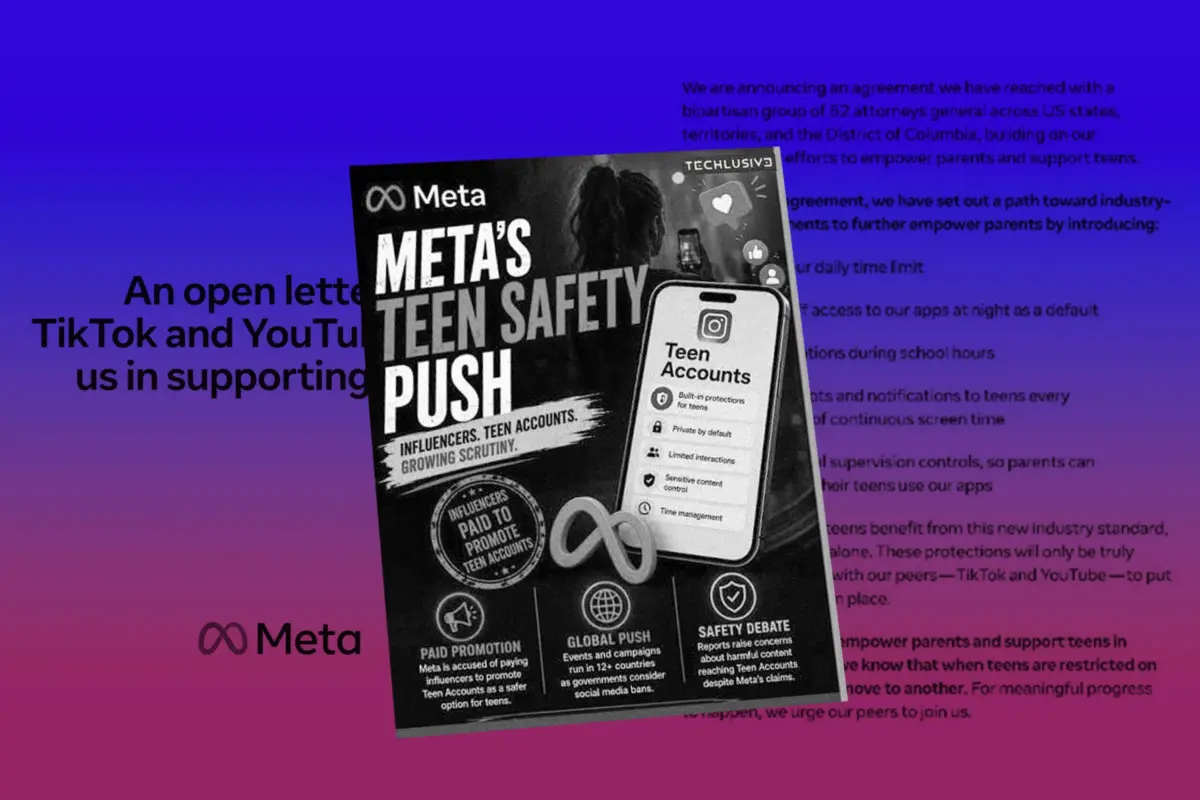
In official statements, Meta has consistently maintained that the company cares deeply about the safety of young people online. Representatives point to the introduction of "Teen Accounts" on Instagram—which feature automatic privacy settings, restricted messaging capabilities, and built-in time limits—as evidence of the company’s proactive stance on digital wellbeing.
"We want teens to have safe, age-appropriate experiences online, and we have spent years building more than 35 tools and features to support them and their parents," a Meta spokesperson asserted during recent legal proceedings. Furthermore, the company argues that social media is a reflection of broader societal pressures, pointing out that isolating platforms as the sole driver of the youth mental health crisis oversimplifies complex socioeconomic, academic, and post-pandemic stressors.
The View from the Legal and Advocacy Frontlines
Conversely, plaintiffs’ attorneys and advocacy groups view the $17 billion settlement framework as a vital step toward corporate accountability, albeit an incomplete one.
"For years, social media executives hid behind the protections of Section 230 while treating our children’s mental health as collateral damage in their quest for ad revenue," said a prominent legal advocate involved in the multi-district litigation. "This settlement proves that tech giants are not above the law. However, money alone cannot undo the trauma inflicted on a generation. What we need is structural transformation, transparent algorithmic design, and an enforceable duty of care."
Mental health coalitions, including organizations like ParentsTogether and the Center for Humane Technology, have echoed these sentiments, emphasizing that voluntary corporate safety measures are insufficient. They are actively lobbying federal lawmakers to pass bipartisan legislation such as the Kids Online Safety Act (KOSA), which would legally mandate a "duty of care" for tech platforms hosting minor users.
Future Outlook: Are YouTube and TikTok Next?
As the dust begins to settle on Meta’s historic financial penalty, industry analysts and legal scholars are casting their gaze toward the horizon. If Meta can be held liable—to the tune of roughly $17 billion—for the psychological toll of its algorithms, the logical extension of this legal precedent points directly at its chief competitors: Google’s YouTube and ByteDance’s TikTok.
The Vulnerability of YouTube
YouTube occupies a unique position in the digital ecosystem. As the world’s dominant video-sharing platform, it reaches a vast majority of children and teenagers, often serving as a primary educational and entertainment hub.
However, YouTube’s recommendation engine has faced severe scrutiny for its ability to lead users down rabbit holes of increasingly extreme, sensationalized, or inappropriate content. Furthermore, because YouTube relies heavily on programmatic advertising and engagement-driven metrics, it shares the same foundational economic incentives as Meta. If state Attorneys General and private trial lawyers successfully establish that algorithmic amplification of harmful content constitutes a legal wrong, YouTube could easily find itself swept into the next wave of systemic litigation.
The TikTok Conundrum
TikTok, meanwhile, represents an even more volatile battleground. Beyond domestic concerns regarding youth mental health, addiction, and body image—issues for which TikTok’s hyper-efficient "For You" page is frequently scrutinized—the platform faces unique geopolitical and regulatory pressures.
TikTok’s algorithmic architecture is widely considered the gold standard of modern social media engagement. Its ability to capture and hold young attention spans through short-form, frictionless video loops has fundamentally altered media consumption globally. Yet, this very success makes TikTok a prime target for litigators. If courts establish a precedent that addictive design features constitute defective products causing psychological injury, TikTok’s core mechanics—infinite video feeds, algorithmic micro-targeting, and gamified engagement loops—will face unprecedented legal peril.
Furthermore, TikTok’s ownership structure (headquartered internationally under ByteDance) introduces complex jurisdictional hurdles, but civil litigation in U.S. federal courts remains a potent weapon. Should class-action firms and state regulators turn their sights toward short-form video platforms, TikTok could face multi-billion-dollar liabilities mirroring Meta’s current reckoning.
The Road Ahead: Legislation or Litigation?
Ultimately, the future of the social media landscape will likely be shaped by a collision between the courts and Capitol Hill. While massive settlements like Meta’s $17 billion agreement serve as powerful deterrents, they operate retroactively. They punish past behavior rather than proactively preventing future harm.
For true reform to take root, lawmakers must establish clear, federally mandated regulatory guardrails. This includes strict age-verification standards, default-off algorithmic feeds for minors, bans on manipulative dark patterns designed to foster compulsive usage, and independent third-party oversight of platform algorithms.
As Paresh Dave of WIRED emphasizes, the technology sector is watching these proceedings with bated breath. "Meta’s settlement is a warning shot to the entire industry," Dave notes. "The era of the wild west for social media is drawing to a close. Whether YouTube, TikTok, or any other platform can adapt before the regulators and trial lawyers catch up to them remains the defining question of the digital age."
The $17 billion payout may mark the end of Meta’s chapter of unchecked impunity, but for the broader social media ecosystem, the storm has only just begun.