Executive Overview
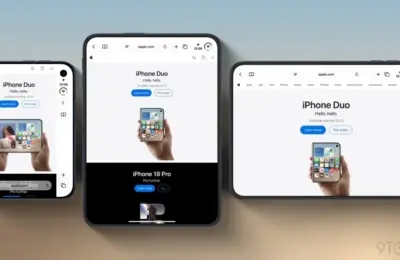
As the newly launched iPhone Duo commands unprecedented demand—stretching backorders well into January—and the iPhone 18 Pro completes its first full month on shelves, consumer attention is naturally turning toward the horizon. Apple is preparing for a monumental product cycle in 2027, one that will fundamentally disrupt its traditional release schedules, introduce aggressive hardware overhauls, and celebrate two decades of the device that changed personal computing forever.
Following the implementation of a split release schedule last month, Apple’s product cadence is shifting. Rather than concentrating all major announcements in a single September keynote, the Cupertino tech giant is spreading innovations across two distinct launch windows. In the spring of 2027, the company will roll out its base iPhone 18 models alongside an upgraded iPhone Air and an entry-level "e" variant. Later that fall, Apple will host what is anticipated to be its most ambitious event in years, debuting the 20th-anniversary iPhone 20 Pro and the second-generation iPhone Duo.
This comprehensive analysis examines the shifting landscape of Apple’s hardware pipeline, synthesizing supply chain reports, leaked component specifications, and strategic roadmap shifts to detail what consumers and investors can expect throughout 2027.
Detailed Chronology: The 2027 Release Roadmap
Apple’s 2027 strategy relies heavily on temporal diversification. By decoupling its flagship releases, the company aims to optimize manufacturing yields, smooth out revenue cycles, and maintain sustained media attention across all four quarters of the year.

Spring 2027: The Mid-Year Refresh and Base Lineup
For the first time in the history of the smartphone, Apple is pivoting its base-tier iPhone release to the spring. This structural shift addresses production bottlenecks and allows the company to test newer manufacturing processes on higher-volume entry units before scaling up for the fall ultra-flagships.
1. iPhone 18
The standard iPhone 18 marks a major break from historical September releases. While exact component lists remain fluid, industry insiders point to several guaranteed upgrades. The device is expected to receive a substantial boost in base RAM—a necessary adjustment to accommodate increasingly complex on-device machine learning tasks. Additionally, thermal management architecture is slated for a complete redesign, backed by Apple’s custom-designed C2 modem.
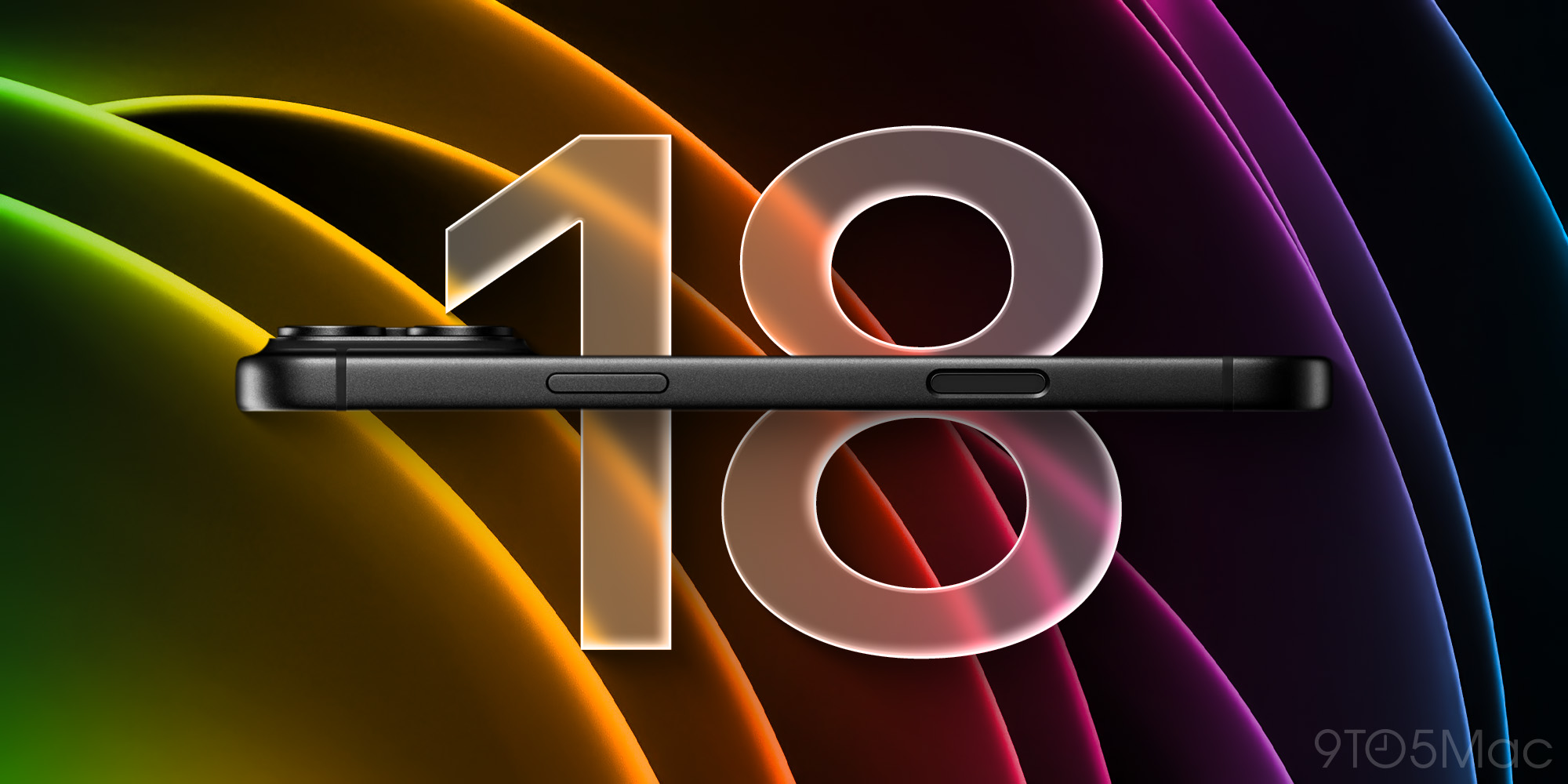
Design-wise, the iPhone 18 is expected to inherit aesthetic cues from the iPhone 17 Pro and iPhone 18 Pro, narrowing the gap between standard and professional tiers. Powered by the next-generation A20 chip, the base model will likely inherit the $899 price point established by the iPhone 17 following last month’s price adjustments.
2. iPhone 18e
Positioned as Apple’s value-driven entry point, the iPhone 18e will primarily serve as a silicon bump, transitioning from the A19 architecture to the A20 chip. Supply chain leaks from earlier this year indicate that Apple intends to share a high volume of internal components between the standard iPhone 18 and the 18e to drive down production costs and improve profit margins on lower-cost devices.
3. iPhone Air 2
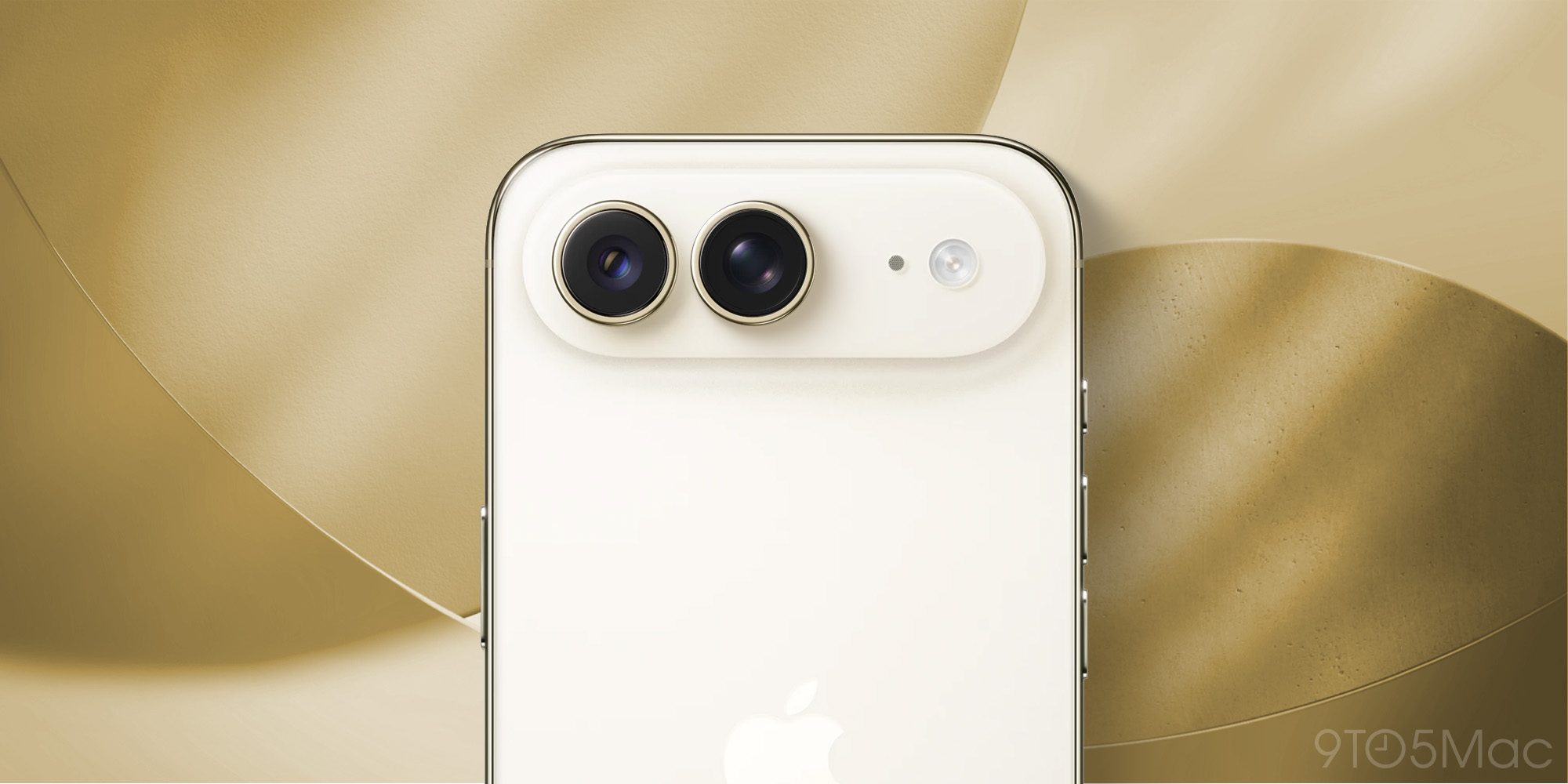
Perhaps the most intriguing device of the spring cycle is the iPhone Air 2. The initial iPhone Air was met with a lukewarm market reception, hampered by a minimalist single-camera setup that many consumers perceived as a downgrade in versatility. Apple has reportedly re-engineered the chassis to integrate an ultrawide camera lens without compromising the device’s signature ultra-thin profile.
While skeptics argue that ultrawide lenses are secondary features, consumer psychology heavily favors multi-lens arrays, making this a critical upgrade for sales momentum. Beyond optics, the iPhone Air 2 is rumored to feature a smaller Dynamic Island—similar to the iPhone 18 Pro—and will transition from the first-generation C1X modem to the more efficient C2 chip. Most impressively, engineers have reportedly squeezed a 3,500mAh battery into the chassis, representing a roughly 10-percent capacity increase over its predecessor.
Fall 2027: The 20th Anniversary Flagships
While the spring lineup focuses on refinement and accessibility, the autumn slate is dedicated to reinvention. Marking twenty years since Steve Jobs unveiled the original iPhone in 2007, Apple is preparing a commemorative hardware suite designed to reset industry standards once again.
1. iPhone 20 Pro
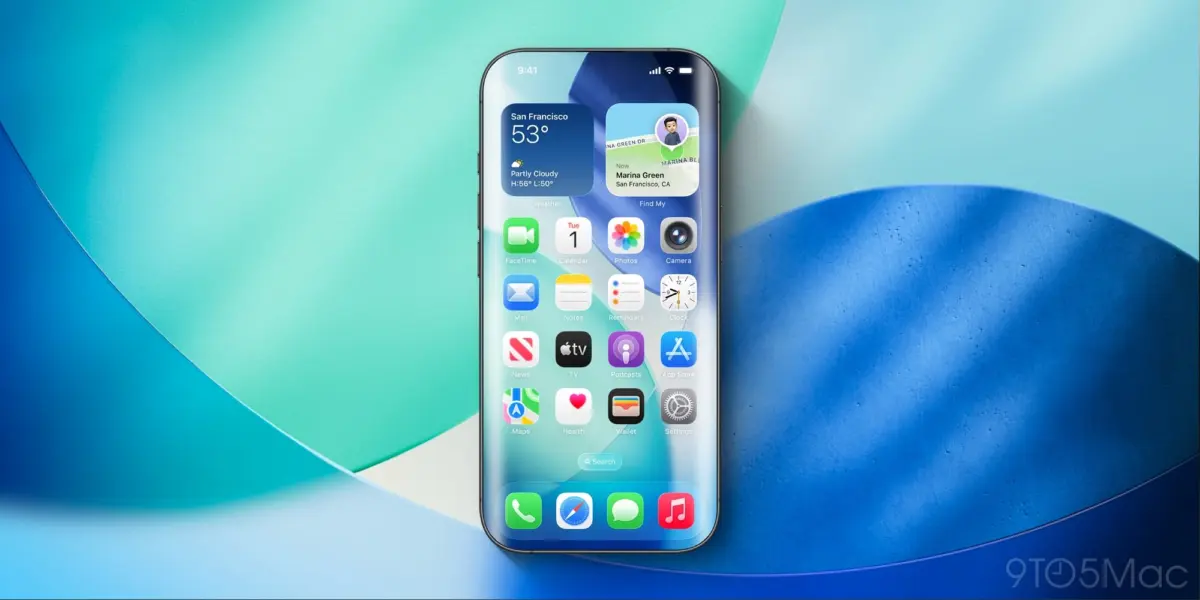
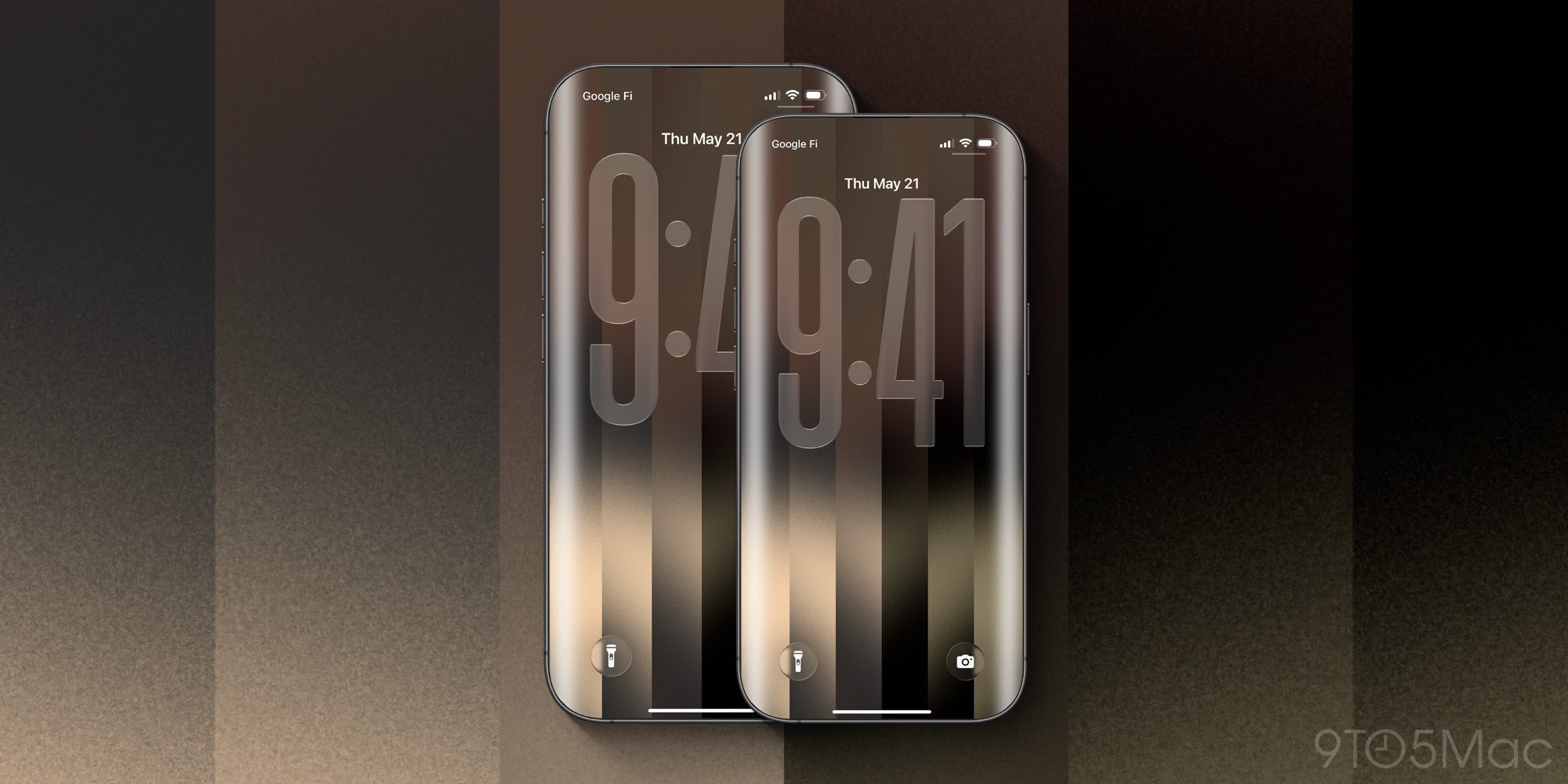
Skipping conventional naming conventions in favor of a landmark moniker, the iPhone 20 Pro is rumored to feature Apple’s most radical redesign since the iPhone X. Supply chain leaks suggest a heavily glass-centric chassis that abandons the flat-edge design language utilized since the iPhone 12.
Key structural changes include significantly reduced bezels and a dramatically miniaturized Dynamic Island, achieved by implementing a hole-punch front-facing camera paired with under-display Face ID technology. Despite these ambitious aesthetic goals, some analysts remain skeptical regarding thermal dissipation in such a thin, glass-heavy "Pro" enclosure. However, the thermal success of the current iPhone Duo suggests that Apple’s engineering team has found novel ways to manage heat without relying on traditional aluminum unibody structures. For consumers holding out on the iPhone 18 Pro, the iPhone 20 Pro is universally framed as the device worth waiting for.
2. iPhone Duo 2
Rounding out the fall 2027 portfolio will be the direct successor to the newly introduced iPhone Duo. While comprehensive architectural leaks for the Duo 2 are scarce at this early stage, industry expectations point to iterative refinements in camera hardware, enhanced Face ID sensors, and integration with Apple’s next-generation A21 Pro silicon.
Supporting Context & Metrics: Silicon, Memory, and Margins
Apple’s hardware evolution in 2027 is heavily dictated by macroeconomic pressures and component costs. Recent disclosures from major manufacturing partners, including TrendForce, highlight skyrocketing expenditures on high-density memory modules. Apple is reportedly paying up to 400% more for specialized RAM configurations destined for its Pro-tier devices, forcing the company to rethink its pricing tiers across the board.
| Device Model | Anticipated Launch Window | Primary Processor | Key Hardware Upgrades | Expected Starting Price |
|---|---|---|---|---|
| iPhone 18 | Spring 2027 | A20 | Increased RAM, C2 Modem, Thermal Redesign | $899 |
| iPhone 18e | Spring 2027 | A20 | Shared component pool, Chip bump from A19 | $699 (Estimated) |
| iPhone Air 2 | Spring 2027 | A20 / C2 Modem | Dual-camera array, 3,500mAh battery | $999 (Estimated) |
| iPhone 20 Pro | Fall 2027 | A21 Pro | All-glass design, Under-display Face ID, Slim bezels | $1,199 (Estimated) |
| iPhone Duo 2 | Fall 2027 | A21 Pro | Refined dual-form factor, Advanced optics | Tier-dependent |
The integration of custom silicon remains Apple’s primary competitive moat. By standardizing the C-series modems (moving from the C1/C1X iterations to the refined C2 chip across the entire 2017 lineup), Apple is systematically cutting its reliance on third-party cellular component providers like Qualcomm, driving long-term gross margin expansion even amidst rising memory acquisition costs.
Official Statements and Industry Insights
While Apple’s public relations apparatus remains characteristically silent regarding products years away from commercialization, executive commentary during recent earnings calls offers subtle clues about the company’s manufacturing philosophy.
Speaking on the rationale behind staggered product introductions, supply chain executives have emphasized the necessity of balancing operational efficiency with consumer demand cycles. The massive backlog for the iPhone Duo—which has stretched fulfillment timelines into next year—underscores the volatility of consumer appetite for novel form factors.
Industry analysts note that the split release schedule scheduled for 2027 is not merely a logistical experiment, but a permanent structural evolution. By decoupling the mass-market base units from the high-margin, low-yield anniversary flagships, Apple can dedicate specialized engineering resources to manufacturing challenges like under-display Face ID and ultra-thin glass-ceramic enclosures without halting global distribution pipelines.
Future Outlook: The Next Decade of iPhone
As Apple approaches the twenty-year milestone of its flagship product, the smartphone industry has entered an era of diminishing returns for traditional form factors. Foldables, augmented reality integrations, and ambient computing interfaces are vying to replace the slab phone as the primary consumer computing device.
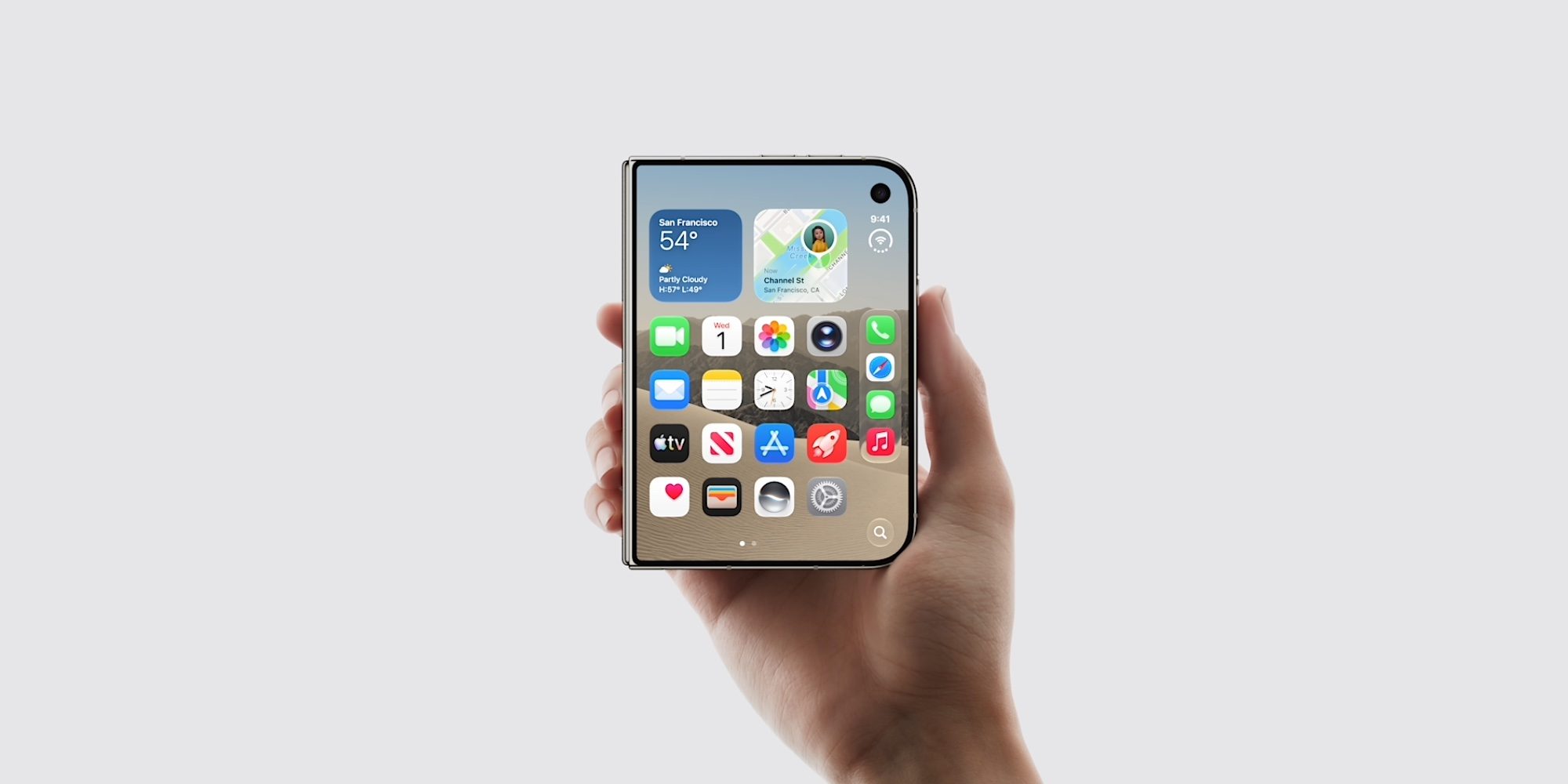
The 2027 product roadmap indicates that Apple is attempting to solve this stagnation through two distinct strategies: extreme hardware minimalism (exemplified by the iPhone Air and iPhone 20 Pro) and modular diversification (represented by the iPhone Duo series).
Whether the iPhone 20 Pro can capture the same cultural zeitgeist as the original 2007 device remains to be seen. However, by aggressively modernizing its internal component architecture—transitioning entirely to proprietary modems, increasing baseline memory capacities, and experimenting with bold new structural geometries—Apple is positioning its ecosystem to dominate the high-end mobile market well into the next decade. Consumers shopping for devices in 2027 will face unprecedented choices, balancing the pragmatic value of the spring iPhone 18 lineup against the futuristic allure of the fall anniversary flagships.