Executive Overview
High-end hobbies have historically shared a common friction point: the steep, recurring cost of proprietary accessories, specialized replacement parts, and bespoke components. Whether maintaining a fleet of remote-controlled drones, outfitting a photography rig, or expanding a tabletop gaming empire, enthusiasts frequently find themselves beholden to manufacturer pricing structures. However, a quiet technological shift is upending this dynamic.
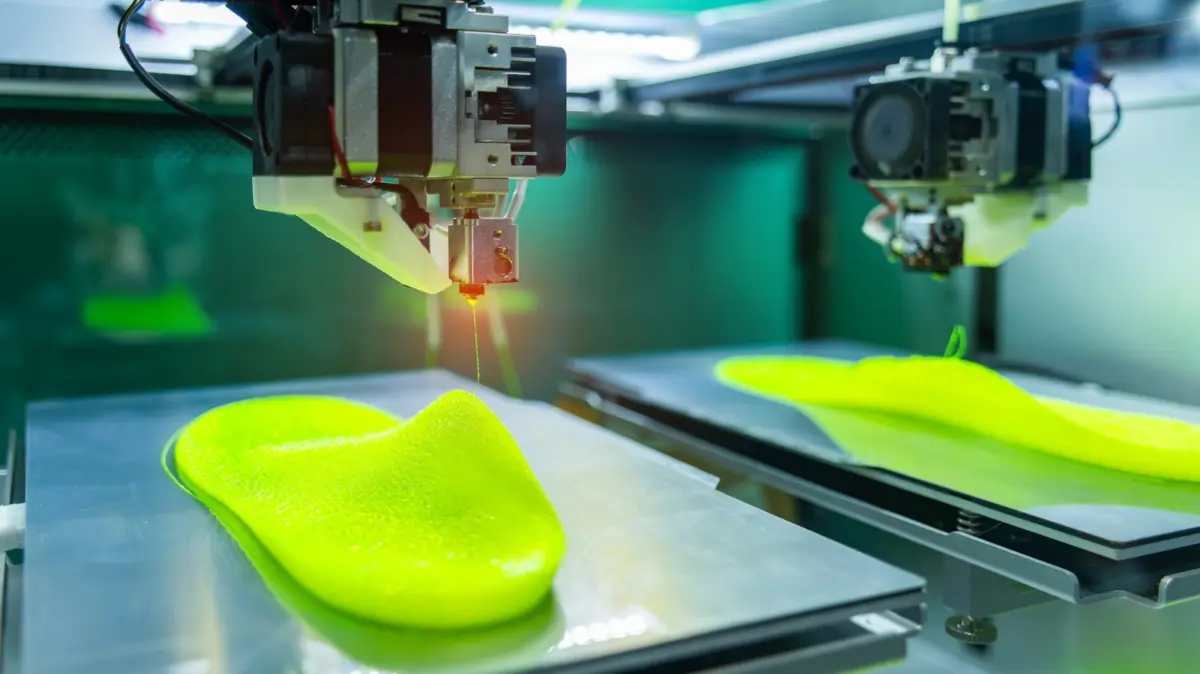
Much like the on-demand tool and replacement part manufacturing systems utilized aboard the International Space Station, consumer-grade 3D printing—formally known as additive manufacturing—has democratized fabrication. With entry-level machines starting as low as $170 and standard filaments costing roughly $20 per kilogram, the barrier to entry has never been lower. By shifting reliance away from retail storefronts and toward open-source computer-aided design (CAD) libraries, hobbyists are discovering that a well-chosen 3D printer can pay for itself within months.
This report investigates the economics of consumer additive manufacturing, detailing how it transforms five distinct, notoriously expensive hobbies, while analyzing the financial thresholds, technological limitations, and practical considerations required to make the investment worthwhile.
Detailed Chronology of the Consumer 3D Printing Market
To understand how additive manufacturing reached a point where it can meaningfully subsidize hobbyist expenses, it is helpful to trace its trajectory from industrial novelty to desktop staple.
- The Patent Era and Industrial Beginnings (Late 1980s – 2000s): Fused Deposition Modeling (FDM) and stereolithography (SLA) were patented and commercialized primarily for rapid prototyping in corporate engineering departments. These machines cost tens of thousands of dollars, placing them far out of reach of individual consumers.
- The Open-Source Revolution (2009 – 2015): Key FDM patents expired, giving rise to the RepRap (Self-Replicating Rapid Prototyper) project. This open-source initiative catalyzed the consumer 3D printing movement, allowing hobbyists to build their own printers using off-the-shelf components and printed plastic parts. Companies like MakerBot and Ultimaker capitalized on this momentum, introducing early plug-and-play desktop units.
- Commoditization and Price Collapse (2016 – 2020): Market saturation by manufacturers utilizing low-cost global supply chains drove down hardware expenses. Printers that previously cost over $1,000 dropped below the $300 threshold. Simultaneously, user interfaces evolved from complex command-line setups to intuitive touchscreen controls and auto-bed-leveling systems.
- The High-Speed and Multi-Color Era (2021 – Present): Modern entry-level machines—such as the Creality Ender series and high-speed core-XY systems from competitors—offer print speeds, reliability, and precision that rival early industrial hardware. Software ecosystems have matured, allowing users to download, slice, and print functional objects with minimal technical friction, turning the technology from a hobby in its own right into an active utility for other pursuits.
Supporting Context & Metrics: The Math of Additive Manufacturing
Before investing in desktop manufacturing hardware, prospective buyers must evaluate the underlying economics. The financial viability of 3D printing hinges on three primary variables: hardware amortization, material consumption, and design availability.
1. Hardware and Material Costs
- Entry-Level FDM Printers: Ranging from $170 to $300, these machines utilize thermoplastic filaments—most commonly Polylactic Acid (PLA), Polyethylene Terephthalate Glycol (PETG), and Acrylonitrile Butadiene Styrene (ABS).
- Material Pricing: A standard 1-kilogram spool of high-grade PLA filament generally retails for $20.
- The Break-Even Equation: Consider a specialized component or replacement part that retails for $10. If a hobbyist successfully prints 50 of these items from a single kilogram of filament, the raw material cost per item is just $0.40. Factoring in a $170 machine, the cumulative cost of hardware and material across those 50 items equals $210 ($4.20 per item), yielding a direct savings of nearly 60% compared to retail purchasing.
2. Alternative Access Points
Ownership is not a strict prerequisite for utilizing 3D-printed solutions. Many public libraries, high schools, and community "maker spaces" now house institutional-grade 3D printers available for public use, often charging only for the raw weight of the consumed material. Additionally, commercial print bureaus and online fulfillment services can fabricate and ship custom CAD models on demand. However, for recurring hobbyist needs—such as frequent drone crashes or iterative gardening tool modifications—the immediacy of an in-home desktop unit provides unmatched long-term value.
3. Technology Tiers: FDM vs. SLA
Home printers generally fall into two categories based on output requirements:
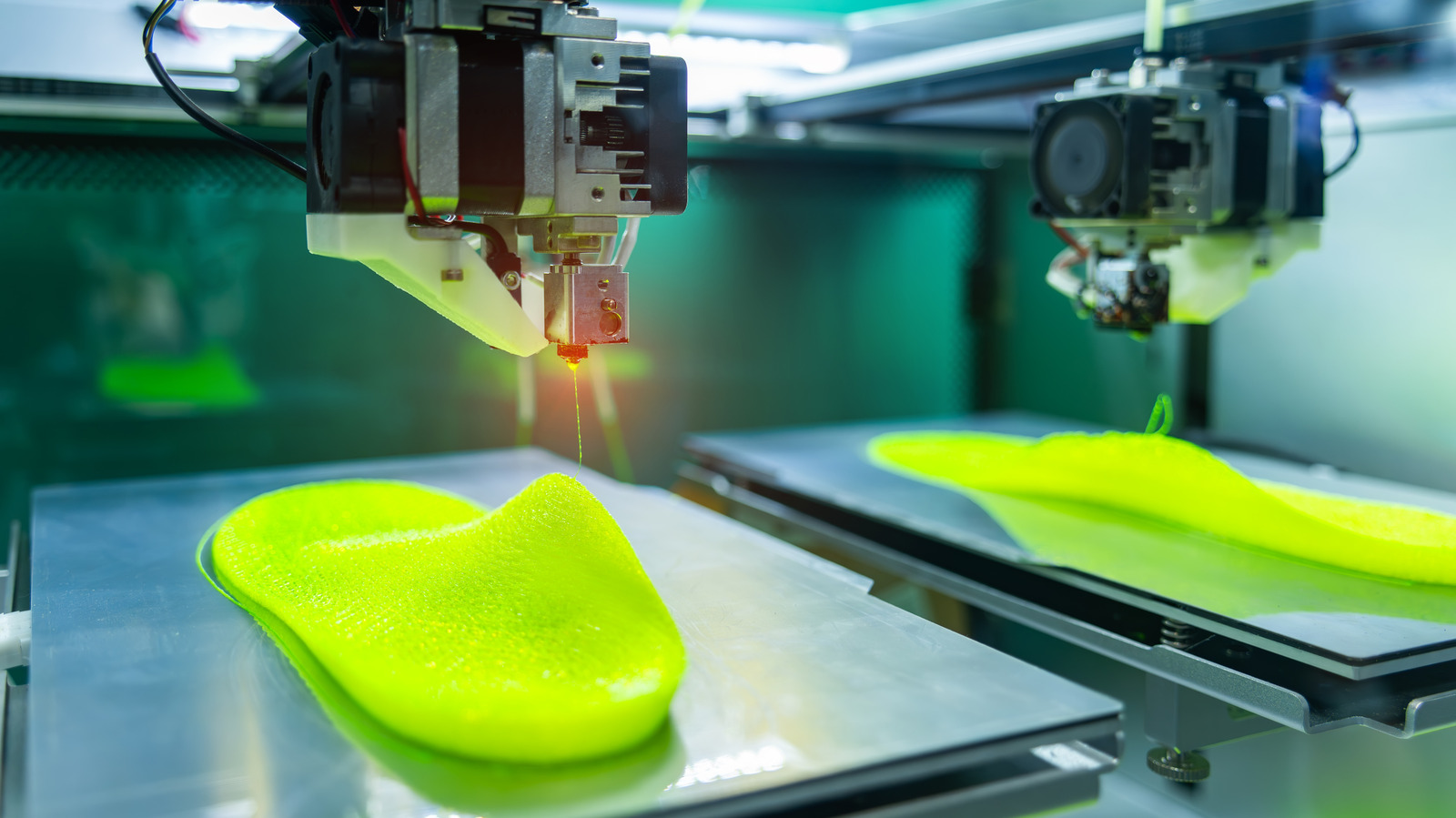
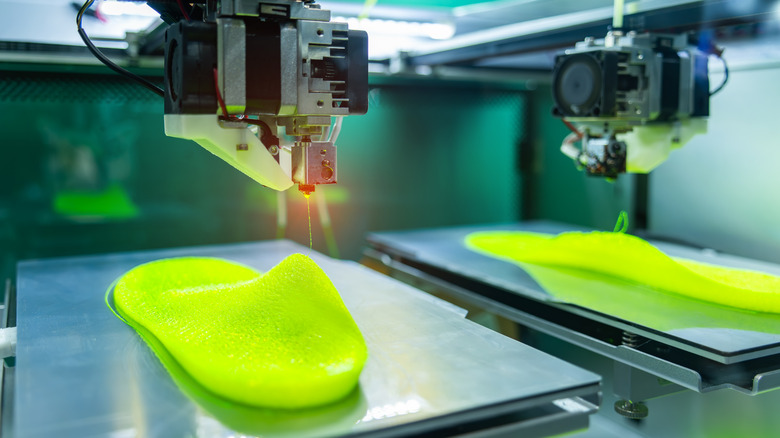
- Fused Deposition Modeling (FDM): Uses a heated nozzle to extrude molten plastic layer by layer. Ideal for mechanical components, brackets, mounts, and functional prototypes due to structural durability and low operational cost.
- Stereolithography (SLA) / Resin Printing: Uses a UV light source to cure liquid photopolymer resin. While more expensive and requiring greater safety precautions (due to chemical toxicity and ventilation requirements), resin printing is indispensable for hobbies requiring microscopic precision, such as scale model railroading and tabletop miniature gaming.
Five Expensive Hobbies Transformed by 3D Printing
1. Replacement Parts for Drones and Remote-Controlled Vehicles
The thrill of high-speed drone racing or off-road RC vehicle operation inevitably comes with a high attrition rate. Minor collisions can shatter chassis components, crack camera gimbals, and snap protective housings.
- The Retail Problem: Proprietary replacement parts are often marked up significantly by manufacturers, and waiting for online shipments can sideline a hobbyist for weeks.
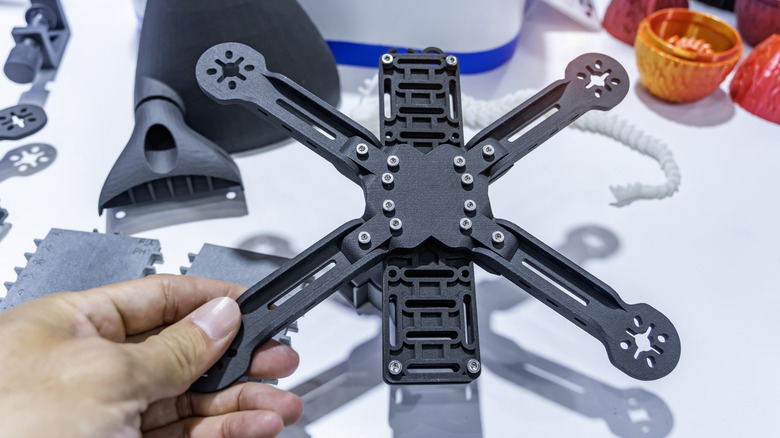
- The 3D-Printing Solution: Online communities host thousands of free, crowdsourced CAD files specifically for drone and RC maintenance. While flight-critical components like carbon-fiber propellers should not be home-printed until material testing standards are met, accessory components are fair game. Printing antenna guards, camera mounts, landing gear extensions, and arm protectors for pennies on the dollar allows enthusiasts to absorb crashes without breaking the bank.
2. Solutions for Gardeners and Automotive "Gearheads"
Maintaining a flourishing garden or restoring a classic car requires a vast array of specialized, highly fragmented tools and hardware components.
- The Retail Problem: Retailers often sell necessary items—such as plastic irrigation clips, specialized plant markers, or interior automotive fasteners—in bulk quantities far exceeding actual need, or price individual items heavily due to niche market demand.
- The 3D-Printing Solution: In the garage, additive manufacturing shines through the creation of hard-to-find car interior clips, custom-fit tool organizers, dashboard knobs, and multi-axis vises. In the garden, enthusiasts can print soil dibbers, modular planters, custom watering nozzles, and heavy-duty plant ties. The ability to instantly fabricate a custom tool tailored to a unique space eliminates both shipping delays and recurring hardware store expenses.
3. Smart Home Customization and Automation
Home automation is a rapidly expanding sector, but outfitting a residence with centralized touchscreens, sensor mounts, and cabling infrastructure can quickly become financially burdensome.
- The Retail Problem: Wall mounts, specialized brackets, and aesthetic enclosures for smart home hubs, tablets, and near-field communication (NFC) tags are often sold at steep markups by ecosystem manufacturers.
- The 3D-Printing Solution: 3D printing bridges the gap between utilitarian smart tech and interior design. Hobbyists can print custom housings for NFC automation stickers, desktop charging docks, complex cable management channels, and bespoke wall plates. For instance, rather than purchasing a closed ecosystem smart display, tech enthusiasts can print a custom chassis for an open-source Home Assistant touch screen or a universal tablet wall mount at a fraction of commercial costs.
4. Photography and Videography Rigging
Camera gear represents one of the most capital-intensive hobbies on the market, with manufacturers charging premium prices for basic plastic and metal accessories.
- The Retail Problem: Branded lens caps, cable clamps, battery doors, and cold-shoe adapters often carry exorbitant price tags relative to their manufacturing complexity.
- The 3D-Printing Solution: By searching open repositories, videographers can access universal lens cap designs, custom microphone and lighting mounts, V-lock battery plates, and portable, lightweight camera tripods. Furthermore, the inherent flexibility of CAD allows creators to modify existing files or design single-use, custom-engineered rigs tailored precisely to unusual camera angles or specialized studio setups.
5. Tabletop Gaming, Scale Modeling, and Model Railroading
Tabletop gaming (such as Dungeons & Dragons) and scale model railroading require immense quantities of physical assets to build immersive worlds.

- The Retail Problem: Purchasing official miniature figurines, terrain sets, building kits, and custom rail cars from specialty hobby shops accumulates thousands of dollars in expenses over time.
- The 3D-Printing Solution: Platforms like MyMiniFactory host vast ecosystems of digital models. Using either FDM printers for large terrain pieces, buildings, and tracks or high-resolution resin printers for intricate character miniatures and historical military figures, gamers can generate entire campaigns and model layouts independently. The cost drops from $5 to $15 per retail miniature down to mere cents in resin or filament, permanently altering the economics of tabletop hobbies.
Official Industry Perspectives and Safety Considerations
Despite the clear financial advantages, industry analysts and safety experts urge consumers to approach desktop manufacturing with a measured perspective.
Industry manufacturing analysts note that while the hardware is exceptionally capable, the hidden investment lies in the user’s learning curve. Mastering slicing software, managing bed adhesion, and calibrating extrusion temperatures require time and patience.
Furthermore, environmental health and safety experts emphasize proper spatial management. FDM printers melting thermoplastics and SLA printers curing toxic liquid resins emit volatile organic compounds (VOCs) and ultrafine particles (UFPs). Consequently, running a 3D printer unventilated in a primary living space, such as a bedroom or lounge, poses indoor air quality risks. Experts recommend housing machines in dedicated workshops, garages, or enclosed, ventilated routing chambers equipped with HEPA and activated carbon filtration systems.

Future Outlook
As consumer additive manufacturing continues to evolve, the line between industrial fabrication and desktop hobbyist capability will continue to blur. Emerging trends point toward several key developments over the next decade:
- AI-Driven Slicing and Design: Artificial intelligence integration will soon allow users to generate custom CAD models simply through text prompts, removing the technical barrier of learning complex 3D modeling software.
- Advanced Engineering Filaments: The proliferation of carbon-fiber-infused, glass-filled, and high-temperature engineering filaments will expand the structural integrity of home-printed parts, making functional, load-bearing components increasingly viable for demanding hobbies.
- Mainstream Circular Economy Integration: The rise of consumer-grade plastic recyclers will allow hobbyists to shred failed prints and household plastic waste, extruding them back into usable filament spools and driving operational costs down even further.
For the dedicated hobbyist willing to navigate the initial learning curve and safety protocols, owning a 3D printer transitions from a novelty gadget into a powerful economic tool—fundamentally redefining what it means to build, repair, and maintain the things we love.