Executive Overview
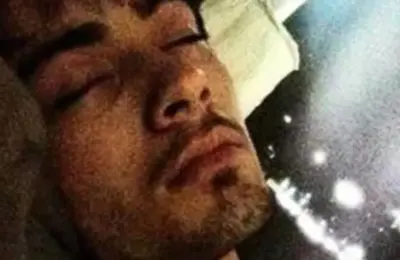
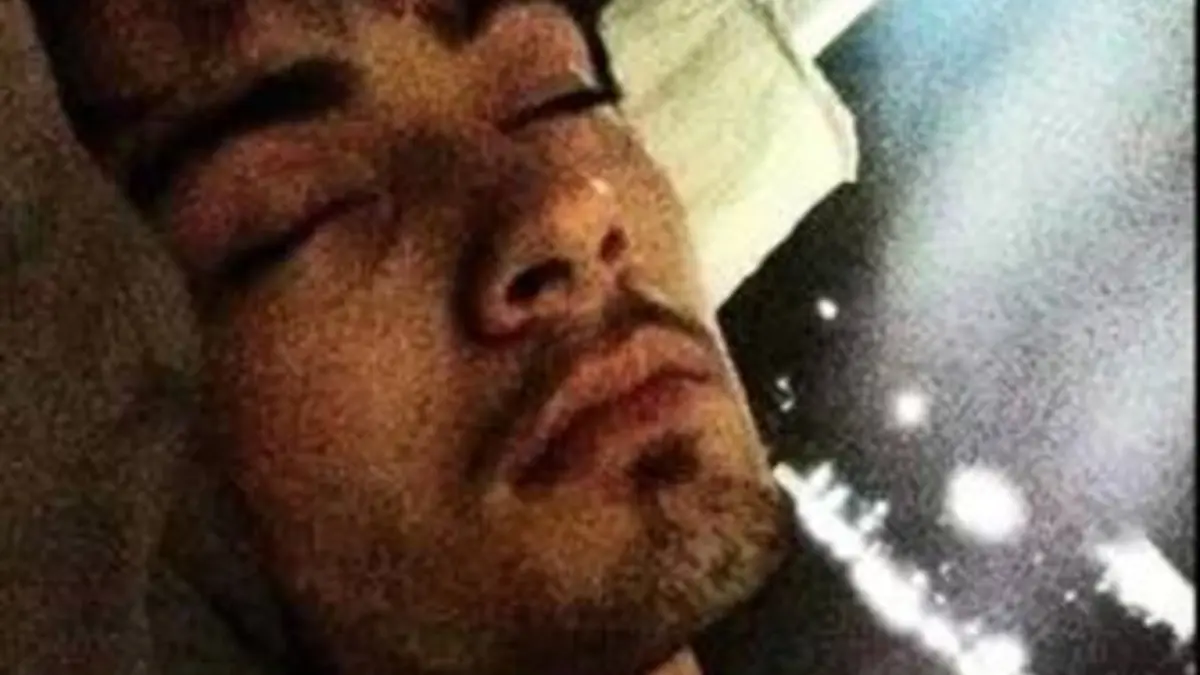
In the sprawling, hyper-accelerated ecosystem of modern internet culture, virality often defies logic, relying instead on nostalgia, absurdity, and collective participation. The latest phenomenon capturing the attention of millions across TikTok is no exception. Centered around a seemingly mundane piece of internet history—a candid, shirtless photograph of former One Direction member Zayn Malik asleep—the trend known as “Zayn Malik Sleeping” (or “Why Am I Lowkey Giving Zayn Malik Sleeping Photo”) has transformed a relic of early-2010s fandom culture into a masterclass in ironic self-deprecation and viral video formatting.
Originating as a niche artifact shared on Tumblr over a decade ago, the image resurfaced in September 2026 to dominate algorithmic feeds. The template is deceptively simple: creators flash the classic photograph of Malik resting peacefully before cutting to footage of themselves, their friends, or their significant partners sleeping. These pairings are unified by the recurring, tongue-in-cheek caption: "Why am I lowkey giving Zayn Malik sleeping photo?"
What begins as a superficial aesthetic comparison quickly devolves into comedy. Users gleefully juxtapose Malik’s effortless, effortlessly curated slumber with unglamorous, awkward, or downright chaotic reality. Whether featuring contorted sleeping positions, mouth-breathing candid shots, or pets curled into bizarre shapes, the trend has struck a profound chord with Gen Z and millennial audiences alike. It highlights how digital communities repurpose archival celebrity media into vehicles for relatable, low-stakes humor.
Detailed Chronology: From Tumblr Relic to TikTok Phenomenon
To understand the trajectory of the "Zayn Malik Sleeping" meme, one must trace its journey across two distinct eras of social media architecture: the text-and-image-heavy Tumblr ecosystem of the early 2010s and the fast-paced, video-first algorithm of modern TikTok.
Phase 1: The Archives (2013–2026)
Long before TikTok algorithms dictated pop-cultural resonance, the photograph in question entered circulation around 2013. At the height of One Direction’s global domination—a cultural peak characterized by aggressive fandom activity, fan-fiction forums, and meticulously organized Tumblr moodboards—candid images of the band members were treated as prized commodities.
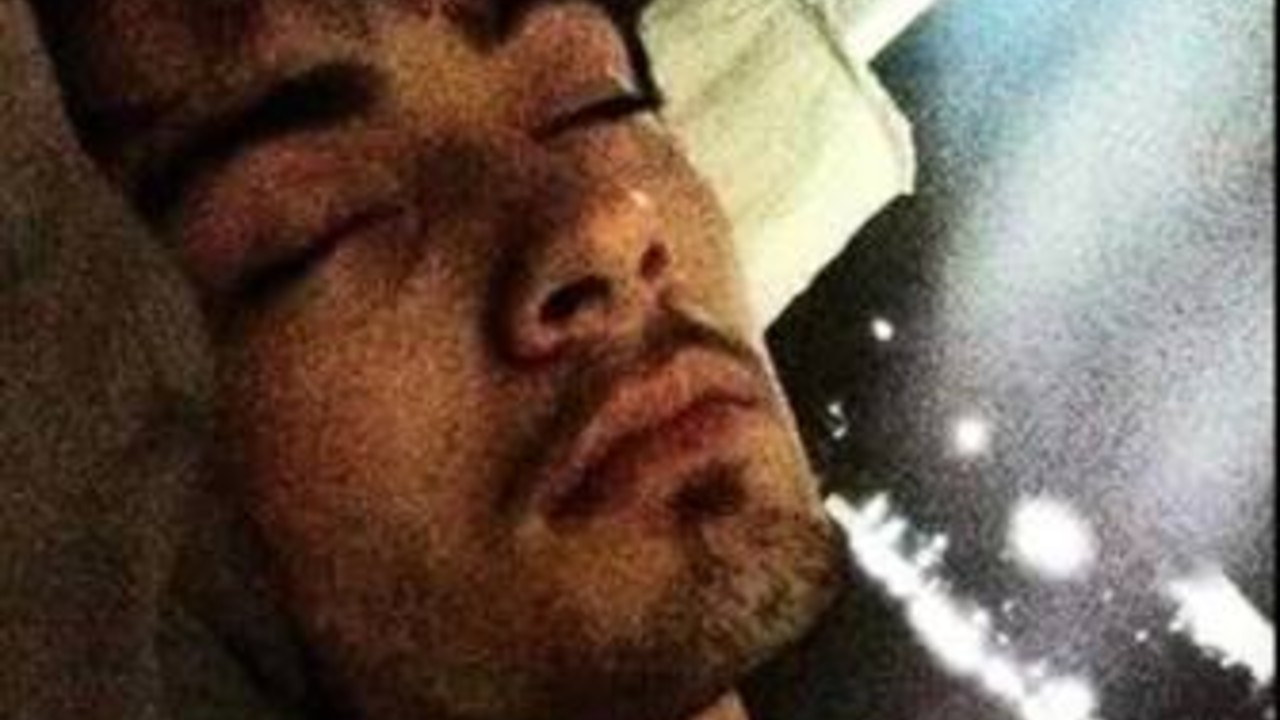
The photo of Malik, capturing the pop star shirtless and asleep, quickly became a staple of fangirl aesthetic boards. Over the span of 13 years, the image quietly accumulated tens of thousands of notes, likes, and reblogs on Tumblr. It lived a relatively quiet life as a relic of peak Directioner culture, recognizable to die-hard fans but largely invisible to the broader internet mainstream—until structural shifts in internet humor brought it back to the surface.
Phase 2: The Spark on TikTok (September 2026)
The modern iteration of the meme was officially catalyzed on September 4th, 2026. TikTok user @timmy.thick47 uploaded a short-form video combining the archival Zayn Malik photograph with a quick-cut transition to images of himself resting in bed. The video was framed by the now-iconic caption: "Why am i low key giving zayn malik sleeping photo?"
Set to a sped-up audio track of Malik’s solo hit "Pillowtalk," the video immediately tapped into the algorithmic sweet spot of self-referential irony. Within a month of posting, the video amassed over 1.8 million views, proving that the juxtaposition of high-glam pop stardom and mundane reality possessed massive viral potential.
Phase 3: Exponential Spread and Mutation (Mid-to-Late September 2026)
As is standard with successful TikTok templates, the community rapidly iterated on the foundational premise, bending the joke into new shapes through escalation and subversion:
- September 7th, 2026: TikToker
@ilove2000sshowsposted a variation featuring a photograph of herself that bore zero resemblance to the refined aesthetic of the Zayn Malik image. The deliberate absurdity propelled the post to unprecedented heights, drawing over 8.5 million views within a month. - September 23rd, 2026: Shifting the lens toward interpersonal relationships, user
@anahyy.lolshared a side-by-side comparison of her boyfriend sleeping next to the pristine pop star photo. The comical contrast between Malik’s sculpted features and an ordinary, exhausted partner resonated widely, securing over 4.8 million views in two weeks. - September 26th, 2026: Continuing the theme of roasting significant others,
@cancelmilpublished a similar boyfriend-focused iteration, capturing another 3 million views as users flooded the comment sections with personal anecdotes about their partners’ deeply unglamorous sleeping habits.
Supporting Context & Metrics: Analyzing the Virality
The widespread adoption of the "Zayn Malik Sleeping" trend is a case study in how specific cultural triggers mobilize digital communities. Several underlying factors explain why this particular meme resonated so deeply across platforms.
The Power of Ironic Narcissism and Self-Deprecation
At its core, the trend relies on a well-established comedic device: severe overestimation mixed with self-awareness. By asking, "Why am I lowkey giving Zayn Malik sleeping photo?" while displaying an image of themselves drooling on a lumpy pillow, creators engage in a form of ironic narcissism. It subverts the traditional vanity of social media. Instead of curating a flawless aesthetic, users weaponize their most unflattering angles, inviting their followers to laugh at the vast chasm between pop-star perfection and everyday humanity.
Nostalgia as Currency
The involvement of Zayn Malik—and by extension, the lingering cultural shadow of One Direction—acts as a powerful nostalgia anchor. The generation driving TikTok today largely comprises individuals who came of age during the boy band’s 2010s zenith. Reviving a 2013-era Tumblr image serves as an inside joke for a cohort now entering their mid-to-late twenties, bridging the gap between their teenage fandom years and their current adult humor.
Audio-Visual Synergy
The choice of background audio plays a critical role in the trend’s execution. By utilizing tracks like "Pillowtalk"—Malik’s breakout 2016 solo single—creators weave a subtle pun into the formatting of the videos. The thematic alignment of "pillows" and "sleeping" reinforces the structural cohesion of the meme, making it instantly recognizable even before the viewer reads the on-screen text.
Official Statements & Community Response
While neither Zayn Malik nor his management team have released an official statement addressing his unexpected resurgence as a viral meme format, digital culture analysts and fandom historians have weighed in on the phenomenon.
Fandom researchers note that the trend represents a healthy evolution of celebrity worship culture. Rather than treating pop stars as untouchable, flawless idols, contemporary fans actively deconstruct archival media, stripping away the gloss of early-2010s pop marketing to build accessible, shared humor.
In comment sections across TikTok, reactions from the community have been overwhelmingly positive, characterized by hyper-specific validations and affectionate mockery:
- "The way you thought you ate with that pillow angle is sending me."
- "Zayn is resting in peace, meanwhile you look like a Victorian ghost caught in a windstorm."
- "We all thought we looked like Tumblr icons in 2013, let’s be honest."
These interactions highlight the participatory nature of the trend. The comment section acts as an extension of the joke, with users competing to see who can identify the most ridiculous real-world sleeping posture that supposedly mirrors the pop star’s composure.
Future Outlook: The Longevity of Micro-Trends
As digital attention spans continue to contract, the lifecycle of a typical TikTok trend usually spans a few weeks before saturation leads to fatigue. However, archival-based memes often demonstrate remarkable durability by mutating into broader formats.
The "Zayn Malik Sleeping" trend has already paved the way for secondary variations, with users beginning to swap out Malik’s image for other historically significant pop-culture artifacts of early internet fandom—such as candid photos of Justin Bieber, Harry Styles, or early Vine stars.
Whether the specific framing of "lowkey giving Zayn" survives the upcoming algorithmic shifts remains to be seen, but the phenomenon leaves behind a clear blueprint. It proves that no piece of celebrity history is ever truly buried; given the right audio cue, a dash of irony, and a universally relatable premise, a 13-year-old Tumblr JPEG can easily command the attention of millions once more.