Executive Overview
For generations of children across the United States, the ultimate post-Halloween ritual involved emptying heavy, pillowcase-sized hauls onto bedroom floors, sorting mountains of loot into rigid personal categories: the everyday throwaways, the fun-size chocolate staples, and the sacred, highly coveted fruit-flavored chews meant to be rationed through November. But as public consciousness shifts regarding the chemical composition of the American food supply, a new, overarching categorization is taking shape. Beyond chocolate versus fruity, sour versus sweet, or soft versus hard, consumers and regulators alike are increasingly asking a fundamental question: Which of these candies are colored with petroleum-based synthetic dyes?
At the center of this cultural and regulatory reckoning is Health and Human Services Secretary Robert F. Kennedy Jr. A long-standing critic of synthetic food additives, Kennedy has transformed his opposition to artificial chemicals into a cornerstone of the broader "Make America Healthy Again" (MAHA) movement. His campaign targets everything from Doritos and Cheez-Its to Cap’n Crunch and gummy bears, characterizing them as "food-like substances" born in petroleum refineries rather than kitchens.
For major multinational food conglomerates, this political and public pressure has ceased to be mere rhetoric; it has materialized as an unprecedented operational crisis. Consider Mars, the confectionery giant behind M&Ms. In response to mounting consumer demand and political pressure, the company pledged to introduce an all-natural version of its flagship product. However, as recent reporting from inside a major Mars manufacturing plant reveals, eliminating petroleum-based dyes is far more complicated than simply swapping out an ingredient on a spec sheet.
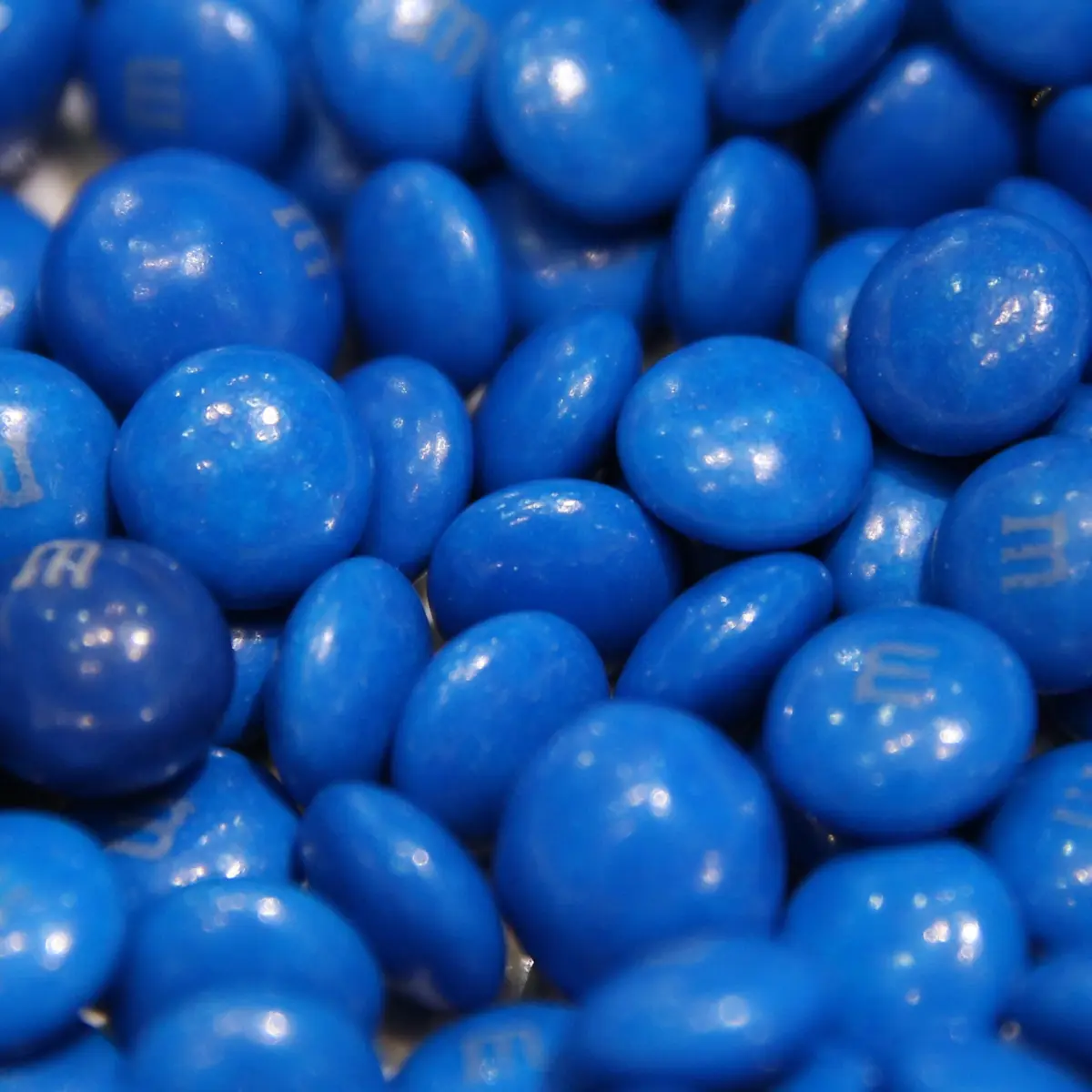
Today, the quest for a natural blue M&M—an essential building block for recreating the iconic candy’s full rainbow—has cost millions of dollars, baffled food scientists, and forced the company to release a radically altered, "autumnal" product line missing some of its most famous colors. This investigation explores the intersection of federal health policy, industrial food science, and consumer choice, examining what happens when political movements collide with the hyper-efficient machinery of mass-produced sweets.
Detailed Chronology: From Fringe Critique to Industrial Mandate
To understand how a handful of candy colors became a flashpoint in American politics and corporate boardrooms, one must trace the timeline of Robert F. Kennedy Jr.’s crusade against synthetic food additives.
Years in the Making: The Rise of the Anti-Additive Movement
Long before ascending to his current post within the federal health apparatus, Kennedy spent years decrying the prevalence of synthetic chemicals in the American diet. His primary arguments have consistently centered on the inclusion of petroleum-derived dyes—such as Red 40, Yellow 5, and Blue 1—in everyday consumer products. Kennedy and allied health advocates have repeatedly claimed that these artificial compounds contribute to childhood hyperactivity, neurological challenges, and potential carcinogenic risks.
While initially operating on the fringes of mainstream nutritional debates, these ideas gained significant traction through the broader MAHA movement. The movement capitalized on growing parental anxiety regarding the ultra-processed nature of modern foods. By framing artificial dyes not merely as cosmetic enhancements, but as active contributors to chronic childhood health issues, Kennedy successfully elevated the issue from local school board cafeterias to national headlines.
The Policy Shift and Corporate Concessions
The pressure reached a boiling point when federal policy alignment began to favor the phased removal of synthetic additives. Last year, announcements from regulatory bodies underscored a growing administrative hostility toward petroleum-based dyes in the nation’s food supply. Facing both regulatory headwinds and a shifting consumer base that increasingly equates "natural" with "safe," major food manufacturers realized they could no longer ignore the writing on the wall.
Mars took a leading—and risky—public relations stance by committing to consumer choice through the development of a naturally dyed M&M alternative. The corporate rationale was straightforward: capture the wellness-oriented demographic without alienating the core consumers who grew up with the traditional, brightly colored candies.
However, corporate promises often outpace technological realities. As reporters gained rare access to massive production facilities, the true magnitude of the engineering challenge became glaringly apparent. The transition from synthetic to natural colors was not simply a recipe tweak; it was an industrial overhaul that threatened to destabilize production lines operating at a scale of millions of units per day.
Supporting Context & Metrics: The Science and Engineering of Candy Coloring
The friction between government mandates and corporate execution exposes the stark realities of modern food science. To evaluate the feasibility of Kennedy’s crusade, one must examine what artificial dyes actually do, how they are deployed industrially, and why replacing them is an extraordinarily difficult logistical hurdle.
The Regulatory Landscape: FDA Stance vs. State Action
From a purely regulatory standpoint, the U.S. Food and Drug Administration (FDA) has historically maintained that the approved synthetic dyes used in the American food supply are safe when consumed within established guidelines. For decades, federal regulators, alongside international health bodies, have asserted that these nine approved artificial colors pose no systemic danger to the general population.
Yet, this consensus has begun to fracture at the state level and within specialized scientific panels. A California state agency, for instance, published findings linking artificial dyes to increased rates of hyperactivity in children. While the FDA acknowledges that a subset of children may possess heightened sensitivities to certain synthetic colors, it has maintained its baseline safety approvals.
Crucially, food scientists and reporters point out a fundamental truth about these additives: they are entirely cosmetic.
- Nutritional Value: Absolute zero.
- Functional Purpose: To provide vibrant, consistent, and appealing color to products that would otherwise look dull or unappetizing.
- Necessity: Indisputably non-essential.
While artificial dyes may be low on the list of factors driving severe chronic metabolic diseases compared to excess sugar and refined carbohydrates, their status as purely cosmetic chemicals makes them an easy and highly visible target for public health crusaders.
Inside the Topeka Factory: The Spirulina Dilemma
To understand why removing a single color can cost millions of dollars, one must look inside massive manufacturing facilities like the Mars plant in Topeka, Kansas.
The production of traditional M&Ms is a marvel of industrial scale. The process begins with small chocolate centers—referred to in the industry as "lentils." These centers are loaded into massive rotating machinery known as "pans," which function similarly to industrial tumble dryers. As the chocolate orbs tumble by the millions, liquid color-coatings suspended in sugary syrups are sprayed onto them.
- The Liquid Advantage (Blue 1): Traditional blue coloring relies on Blue 1, a synthetic chemical that arrives at factories in liquid form. It is easily poured into industrial mixers, blends seamlessly with sugary syrups, and flows smoothly through the complex network of plant piping.
- The Powdered Obstacle (Spirulina): To achieve a natural blue without synthetic chemicals, Mars turned to spirulina, a blue-green pigment derived from algae. However, spirulina introduces a cascade of manufacturing problems:
- State of Matter: Spirulina arrives as a powder rather than a liquid, fundamentally altering the mixing dynamics of the syrup recipe.
- Protein Density: Because spirulina is rich in protein, the resulting mixture becomes significantly thicker and more viscous than its synthetic counterpart.
- Infrastructure Nightmares: The thickened, protein-heavy mixture tends to clog industrial piping and equipment. Furthermore, the protein content causes the mixture to coat and build up on the interior surfaces of the machinery.
- Food Safety Hazards: Residue buildup inside enclosed industrial machinery creates immediate cleaning and food safety vulnerabilities, increasing the risk of mold growth and contamination.
The Domino Effect on Color Theory
The challenges of working with spirulina did not stop at the color blue. In elementary color theory, blue is a primary building block required to mix and manufacture other complex hues—specifically green and brown.
Because the concentration of spirulina required to achieve deep blue and brown shades proved unmanageable at scale without clogging equipment and inflating production costs, Mars was forced to compromise. While the company successfully mastered a low-concentration application for green, achieving true blue and brown shades using natural spirulina remained out of reach.
Consequently, when Mars launched its naturally dyed product line earlier this year, the assortment was limited to red, orange, yellow, and green. Industry observers and consumers quickly noted that the resulting bags lacked the brilliant, neon vibrance of traditional M&Ms, offering instead a muted, "autumnal" aesthetic that felt more tailored to mature sensibilities than youthful nostalgia.
Official Statements & Industry Perspectives
The collision between the MAHA movement and corporate confectionery has generated significant commentary from policymakers, journalists, and industry insiders alike.
Robert F. Kennedy Jr. has framed the debate in stark, uncompromising terms. In various appearances across news networks and digital platforms, he has consistently dismissed ultra-processed snacks as "food-like substances" that have no place in a healthy society. Pointing to the petroleum origins of many synthetic dyes, Kennedy has argued that corporate America’s reliance on cheap chemical additives is poisoning the nation’s youth and fueling a public health crisis characterized by rising rates of behavioral and metabolic disorders.
Journalists who have investigated the issue firsthand emphasize the vast disconnect between political declarations and industrial realities. Jesse Newman, a food reporter for the Wall Street Journal, highlighted this dynamic during discussions on the podcast Today, Explained:
"The challenge that Mars has now is making that happen with a natural dye instead of an artificial one… They are having to change about 300 types of machinery in their plants. It’s a real investment. And at the end of the day, it all comes down to cost."
Newman also clarified the common consumer misconception that artificial dyes are vanishing from grocery store shelves entirely. Mars has not banned or eliminated traditional M&Ms; rather, they have introduced a parallel, naturally dyed option at a significantly higher production cost.
When asked about the nutritional implications of choosing the naturally dyed, "autumnal" M&Ms over the classic variety, Newman offered a sobering reality check:
"It means very little. I would say you are, hopefully, still enjoying that sugary treat and the pick-me-up in the afternoon… But you’re still eating candy; you’re still eating sugar. It really hasn’t changed very much."
Future Outlook: The Cost of Clean-Label Confectionery
As the food industry navigates the post-MAHA landscape, the trajectory of consumer goods is undergoing a profound structural reevaluation. The multi-million-dollar makeover of the M&M serves as a case study for the broader food and beverage sector.
Economic Realities vs. Consumer Demands
The central question facing food manufacturers is whether consumers are truly willing to pay a premium for "clean-label" aesthetics. While polling indicates strong public support for removing artificial ingredients, purchasing habits often pivot on price, taste, and visual familiarity.
- Scalability Bottlenecks: Natural color extracts—derived from sources like spirulina, turmeric, and beet juice—frequently lack the chemical stability and vibrancy of synthetic alternatives. They are often more sensitive to heat, light, and pH levels during manufacturing and storage, leading to shorter shelf lives and higher rates of spoilage.
- Capital Expenditure: Retrofitting massive processing plants, redesigning fluid dynamics for viscous protein-based colorants, and modifying hundreds of legacy machines represents a staggering capital investment. For publicly traded corporations, justifying these expenses to shareholders without significantly raising retail prices or sacrificing profit margins is an ongoing balancing act.
The Evolving Definition of "Treat"
Ultimately, the push to remove petroleum-based synthetic dyes from candies like M&Ms forces a cultural reckoning with what processed treats are meant to be. Sweets have historically been defined by their unapologetic artificiality—brilliant, neon colors designed to capture the eye and evoke unbridled childhood joy.
As health advocates successfully pressure companies to adopt natural alternatives, the visual landscape of the candy aisle is evolving. Muted tones, seasonal palettes, and premium branding are replacing the hyper-vibrant spectrum of the past.
Yet, as food science experts remind consumers, a naturally dyed candy remains precisely what it has always been: a sugary indulgence. Whether an M&M is colored with petroleum-derived Blue 1 or algae-extracted spirulina, its fundamental nutritional profile remains unchanged. As the food industry continues to adapt to political and cultural pressures, the ultimate outcome may not be a healthier population, but rather a more expensive, visually muted candy aisle—proving that while the colors on the outside may change, the sweet reality on the inside remains the same.