Executive Overview
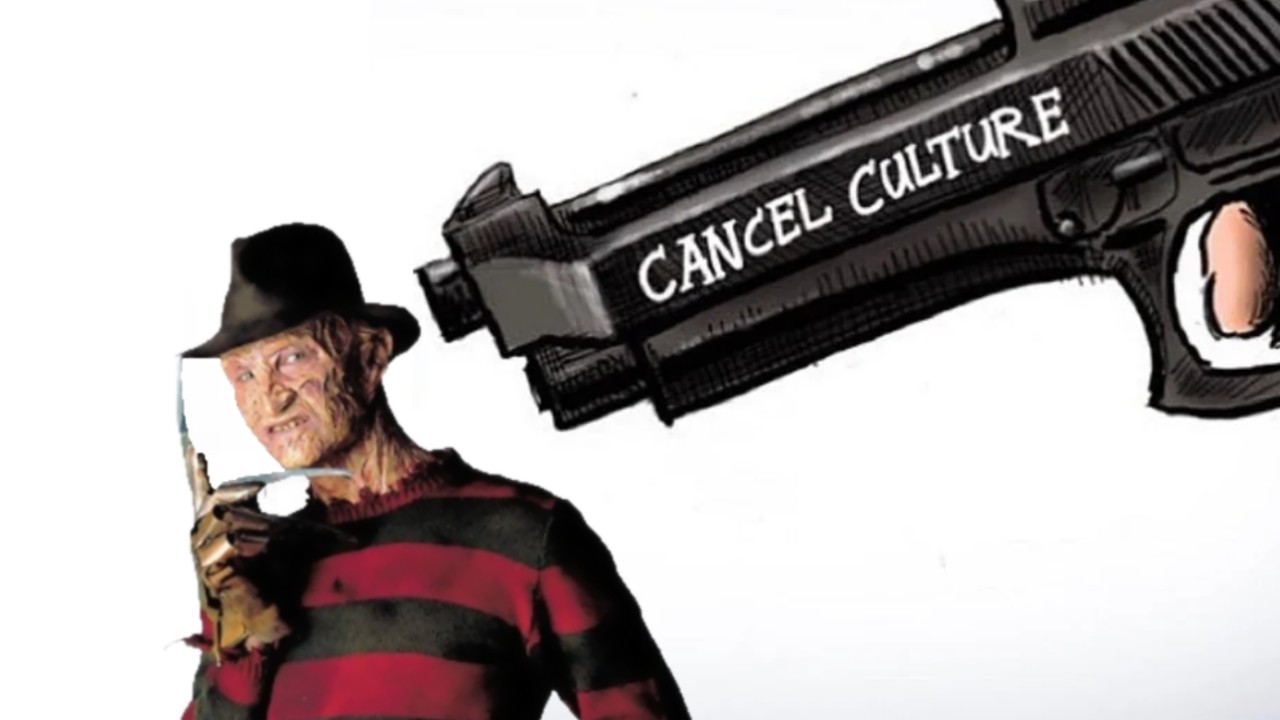
In October 2026, social media platforms including TikTok and X (formerly Twitter) became the epicenter of a bizarre viral debate: attempts—both genuine and heavily satirized—to "cancel" the iconic horror movie villain Freddy Krueger. As the central antagonist of Wes Craven’s legendary A Nightmare on Elm Street (ANOES) franchise, Krueger has terrified audiences for over four decades. However, recent conversations sparked by his character’s dark lore, historical script revisions, and modern crossover appearances (such as in Fortnite) have thrust the Springwood Slasher back into the cultural spotlight.
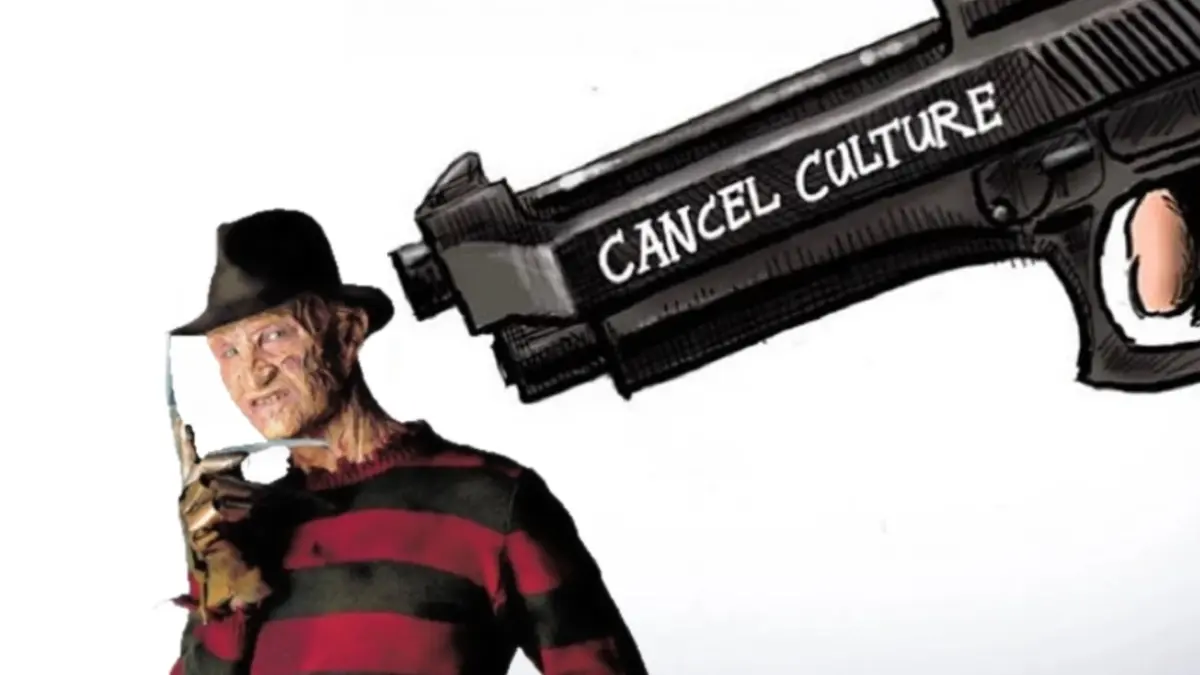
The "Freddy Krueger Cancelled" phenomenon bridges generations of horror fans with contemporary internet outrage culture. While some users purportedly expressed dismay over Krueger’s canonical history as a child predator and murderer, a much larger wave of discourse quickly morphed into mockery. Critics of the alleged "cancelation" pointed out the glaring absurdity of trying to morally police a fictional, supernatural demon explicitly designed by his creators to be the embodiment of pure evil.
This deep dive explores the origins of the movement, the historical context behind Freddy Krueger’s character traits, the social media amplification that drove the October 2026 discourse, and what this surreal viral moment says about the collision of modern media literacy and classic cinema.
Detailed Chronology: How the October 2026 Viral Debate Unfolded
The revival of conversations surrounding Freddy Krueger’s backstory did not happen in a vacuum. It was propelled by a mix of franchise retrospectives, gaming tie-ins, and a renewed interest in the subtle—and sometimes overt—narrative choices made across the A Nightmare on Elm Street cinematic universe.
Mid-October 2026: The Subtext Becomes Mainstream Text
The groundwork for the viral wave began in mid-October 2026, fueled by users dissecting the nuances of the original 1984 film versus its critically maligned 2010 remake. On October 18th, 2026, X user @NEEMOAHTOAD posted a critique of the 2010 remake that quickly captured public attention. They wrote:
"Nightmare on elm street remake very well might be the worst horror remake of all time but it’s very funny when people say it’s bad because ‘they made Freddy a p—phile’, as if the original film does not also make Freddy being a p— like blatantly obvious lol."
The post resonated widely, racking up over 9,100 likes within ten days. It forced many casual horror fans to confront the darker, often uncomfortable realities of Krueger’s fictional biography, sparking a flurry of threads discussing the evolution of the character’s background across different media.
Late October 2026: The Narrative Shifts to "Cancel Culture"
As the historical discussions gained traction, the discourse rapidly transformed into memes and complaints about modern "cancel culture." Critics on platforms like TikTok and X began claiming that younger internet users were attempting to morally sanitize horror media or outright cancel Freddy Krueger for his heinous fictional crimes.
- October 23rd, 2026: X user @Srirachachau weighed in on the 2010 remake’s explicit handling of Krueger’s past, stating, "Remembering that they made a Nightmare on Elm Street that made Freddy an actual p—phile. I know that’s the subtext, but you kinda need that as just subtext to make it an enjoyable movie." The post garnered over 2,700 likes.
- October 27th, 2026: The narrative reached a fever pitch when X user @SassySledgehmmr claimed that TikTok communities were actively trying to cancel the Springwood Slasher. This sentiment was quickly echoed by video creators on the platform.
- October 27th, 2026 (TikTok Amplification): Creators such as @tootrippy2care and @coolgalag jumped into the fray. User @coolgalag posted a comprehensive deep-dive video exploring how renewed scrutiny of the character had grown following his skin’s appearance in Fortnite, alongside a history of Wes Craven’s original script changes. The video crossed 80,000 views within 24 hours. Meanwhile, TikToker @tootrippy2care criticized those purportedly trying to cancel the character, pointing out that his villainy has never been a secret.
- Late Night, October 27th, 2026: Highlighting the growing bewilderment among traditional film fans, X user @lazzz_o tweeted, "Cancel culture is weird because why are people canceling Freddy Krueger now? A fictional character lmao," collecting thousands of likes overnight.
- October 28th, 2026: TikToker @demixaustinn released a viral video defending the integrity of horror antagonists, arguing that Freddy Krueger is supposed to be irredeemably evil, and suggesting that individuals clutching their pearls over his actions simply are not the target audience for classic slasher films. The video surpassed 242,000 views in under a day.
Supporting Context & Metrics: The Lore and Legacy of Freddy Krueger
To understand why the internet erupted over Freddy Krueger in late 2026, one must examine the character’s complex cinematic history and the real-world choices made by his creators.
The Backstory: From Janitor to Dream Demon
Within the lore of the A Nightmare on Elm Street franchise, Frederick Charles Krueger was a disturbed serial killer operating in Springwood, Ohio. Known as the "Springwood Slasher," Krueger targeted local children, ultimately murdering roughly 20 minors using a homemade glove fitted with kitchen knives.
When he was captured, a judicial technicality allowed him to walk free. Driven by grief and rage, a vigilante mob of the victims’ parents tracked Krueger down to his boiler-room hideout and burned him alive. However, just before his death, dream demons offered him a pact: he could return from the dead to continue his reign of terror inside the dreamscape, where parents have no power to protect their children.
Wes Craven’s Original Intent and the 1984 Script Change
The modern debate about whether Krueger was "always" a child molester misses a crucial piece of Hollywood history. In Wes Craven’s original script for the 1984 classic, Krueger was explicitly written as a child molester.
However, during production, Southern California was rocked by a real-world panic and high-profile scandal involving child abuse in the South Bay area. Fearing that his film would be accused of capitalizing on a fresh, highly sensitive tragedy for cheap box-office thrills, Craven and his team made a last-minute creative pivot. They altered the script to frame Krueger strictly as a child murderer, leaving his predatory nature entirely to chilling subtext and implication.
Robert Englund, the legendary actor who brought Krueger to life, addressed this change in the book Screams & Nightmares: The Films of Wes Craven:
"Wes wrote the most evil, corrupt thing he could think of. Originally, that meant Freddy was a child molester. Right while we were shooting the first Nightmare, there was a huge scandal… On the spot, we changed the script from child molester to child murderer, mainly so Wes wouldn’t be accused of exploiting the South Bay case."
This delicate balance of implication persisted for decades until the 2011-era reboot era, specifically the 2010 A Nightmare on Elm Street remake starring Jackie Earle Haley, which chose to make Krueger’s predatory history explicit rather than implicit. This departure remains a major point of contention among franchise purists, directly feeding into the October 2026 social media debates.
Official Statements & Public Reaction
While traditional studios and production companies—such as New Line Cinema—did not issue formal press releases regarding the viral "cancellation" of a character created over 40 years ago, the cultural commentary surrounding the event was robust.
Media analysts and horror historians noted that the "Freddy Krueger Cancelled" trend highlights a recurring friction between modern digital media literacy and historical art. In an era where younger generations consume media through short-form video essays and algorithmic rabbit holes, classic villains are frequently re-evaluated under contemporary ethical lenses.
However, industry commentators were quick to point out that outrage over fictional villains is often amplified or entirely manufactured by users looking to farm engagement. The overwhelming majority of the October 2026 discourse quickly pivoted from genuine indignation to satire, with veteran horror fans mocking the very concept of applying modern social accountability metrics to a fictional, burnt dream-demon who slaughters teenagers in their sleep.
Future Outlook: What the Trend Means for Horror and Pop Culture
The viral wave surrounding the attempted cancellation of Freddy Krueger offers a fascinating window into the current state of internet culture and fandom ecosystems.
- The Re-Examination of Classic Villains: As older intellectual properties continue to be cross-promoted across modern gaming platforms (like Fortnite) and streaming services, younger audiences who missed original theatrical runs are introduced to legacy horror icons out of chronological context. This friction guarantees that classic characters will continue to face sudden, cyclical waves of modern scrutiny.
- The Weaponization of "Cancel Culture" as a Meme: Much of the 2026 discourse demonstrates that the phrase "cancel culture" is frequently used as a strawman or a catch-all punchline. While a minor fraction of users may engage in historical presentism—judging past art strictly by today’s moral frameworks—the viral explosion was overwhelmingly driven by users satirizing the idea of online pearl-clutching.
- Enduring Relevance of the Nightmare Franchise: Ultimately, any conversation that keeps A Nightmare on Elm Street in the cultural conversation proves the enduring power of Wes Craven’s creation. Whether fans are debating script subtext, critiquing the 2010 remake, or laughing at absurd viral headlines, Freddy Krueger remains as deeply embedded in the public consciousness today as he was in 1984.
As studios weigh the future of the dormant franchise, the October 2026 phenomenon serves as a reminder that horror villains are designed to provoke discomfort, fear, and boundary-pushing discourse—elements that will always find a restless home on the internet.