Executive Overview
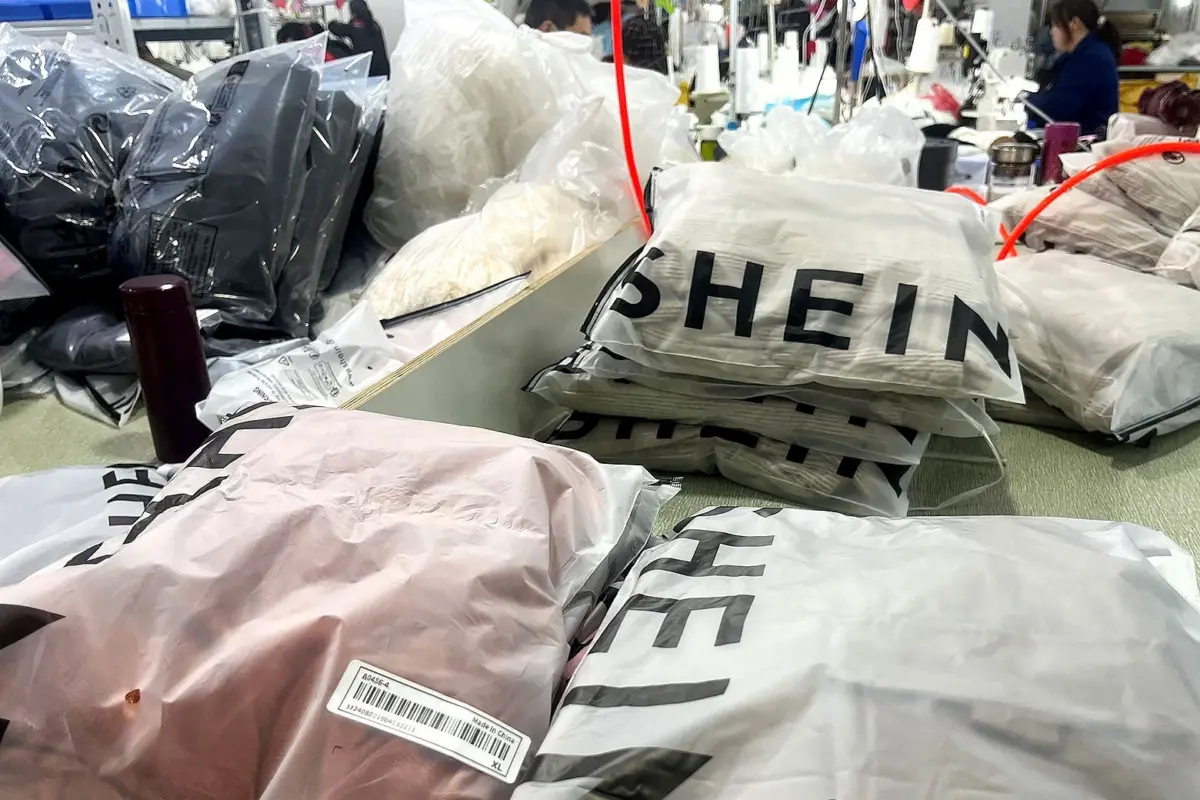
For nearly a decade, the digital landscape was saturated with a distinct brand of consumerist theater: the fast-fashion haul. Millions of TikTok users tuned in to watch creators unbox towering stacks of crinkling plastic bags, dragging out heaps of ultra-cheap, brightly colored polyester garments, holding them up to the camera, and declaring them "sooo cute." At the center of this cultural phenomenon was Shein, the ultra-fast-fashion behemoth that fundamentally rewired how a generation consumed clothing. When a skirt cost $5, the barrier to entry was practically non-existent. Why not buy it, wear it once for a photo, and toss it into the void?
Yet, gravity has finally caught up with the titan of disposable fashion. When Shein debuted on the Hong Kong stock market, investors anticipated a historic windfall for the multibillion-dollar enterprise. Instead, the initial public offering (IPO) was a historic flop, shedding $5 billion in market value almost immediately. Shares plummeted as much as 25 percent below their initial offering price amid brutal underperformances, stinging international regulatory fines, and a staggering shift in consumer sentiment.
Much like the stiff, chemically treated tops the brand churns out by the hundreds of thousands, society has collectively decided that Shein is better suited for the donation pile than a permanent home in the modern wardrobe. As the era of "stuffmaxxing" hits a brick wall, the retailer’s historic market stumble serves as a canary in the coal mine for global e-commerce: consumers are increasingly craving something substantive, sustainable, and markedly more elevated than cheap polyester skirts.
Detailed Chronology: From Viral Ascendancy to Market Freefall
To understand Shein’s sudden financial vertigo, one must trace its meteoric rise, which is inextricably linked to the evolution of digital algorithms and social media platforms.
-
2008–2019: The Foundation and Algorithmic Capture
Founded in China in 2008, Shein initially cut its teeth finding customers through early digital channels, leveraging influencer partnerships and giveaways on Facebook, Instagram, and Pinterest. However, the company truly locked into hyper-growth by becoming an early, aggressive adopter of TikTok. As short-form video algorithms expanded, Shein positioned itself to match the infinite scroll with an infinite supply of new goods. By weaponizing data analytics, the company could test small batches of clothing, track real-time consumer clicks, and immediately scale up manufacturing for winning designs—outpacing legacy fast-fashion giants like Zara, H&M, and Boohoo by staggering margins. -
2020–2023: Peak Pandemic Consumption and Microtrends
During the pandemic lockdown era, digital consumption reached a fever pitch. Shein capitalized on isolated populations turning to e-commerce for dopamine hits. Microtrends accelerated from seasonal cycles down to weekly or even daily rotations. Items like cropped sleeveless knit vests, cow-patterned denim, and sheer mesh tops printed with cherubs dominated feeds before abruptly vanishing into obsolescence within weeks. Shein’s output ballooned to hundreds of thousands of new designs annually, transforming the "Add to Cart" button into a frictionless portal for cheap novelty. -
2024–2025: Regulatory Walls and Shifting Tides
Cracks in the facade began widening as international scrutiny intensified. Governments across Europe clamped down on environmental and consumer safety claims. Italy slapped the company with a million-euro fine for misleading greenwashing initiatives, while France levied a staggering €22 million penalty for deceptive business practices and environmental damage. Simultaneously, rising geopolitical trade tensions—including tariffs on low-value imports championed by political leaders in the United States—began to chip away at the razor-thin margins that made Shein’s ultra-low pricing possible. -
August–September 2026: The Disastrous IPO and Market Rejection
The culmination of these pressures arrived with Shein’s long-awaited public market debut in Hong Kong. Plagued by slowing growth, rising shipping rates, fuel shortages for carriers, and a severe deterioration of its brand equity, the IPO flatlined. Shares opened soft and continued a downward slide, shedding billions in market value and triggering an industry-wide reassessment of whether ultra-fast-fashion models possess long-term viability in a conscious economy.
Supporting Context & Metrics: The Anatomy of a Backlash
The collapse of Shein’s market valuation is not an isolated financial anomaly; it is the direct result of a profound paradigm shift in consumer psychology, economics, and digital culture. Several key metrics and cultural trends illuminate why the business model is buckling:
- The Rise of the "Timeless Wardrobe":
According to global search data, Google searches for the term "timeless wardrobe" hit an all-time high, signaling a decisive pivot away from disposable clothing. Consumers battered by rising costs of living are increasingly auditing their purchasing habits. - The Death of Polyester:
Once viewed as an innocuous, budget-friendly fabric, polyester has transformed into a cultural curse word. Driven by wellness communities and eco-conscious social media creators, public awareness regarding microplastics, synthetic fiber toxicity, and environmental degradation has skyrocketed. - Price Inflation Meets Shrinking Wallets:
Shein could withstand early ethical criticisms largely because its items were pennies on the dollar. However, as international tariffs, shipping bottlenecks, and regulatory fines mounted, the company was forced to raise prices. Once the financial incentive of ultra-cheap pricing faded, the underlying lack of quality became glaringly apparent to cash-strapped buyers. - The Counter-Culture of Resale and Rental:
While Shein stumbled, secondary markets flourished. Online resale marketplaces (such as Depop and specialized vintage platforms) and clothing rental services have experienced massive surges among younger demographics. Consumers now prefer to finance their trend cycles through peer-to-peer circular economies rather than burying their living spaces in single-use synthetic textiles.
Official Statements and Industry Reactions
Financial analysts, retail experts, and corporate stakeholders have offered polarized assessments of Shein’s future following the disastrous market debut, reflecting deep divisions over the trajectory of global retail.
In its official IPO filings and investor disclosures, Shein’s executive leadership acknowledged the headwinds impacting its financial performance, pointing directly to shifting international trade policies, escalating logistics costs, and the expenses associated with defending regulatory compliance across key Western markets. The company has attempted to pivot its public relations messaging toward sustainability and quality improvements, with select loyalist influencers even attempting to popularize "100 percent cotton Shein hauls"—an online trend critics have likened to desperate attempts to rehabilitate a fundamentally broken brand.
Retail analysts, however, remain skeptical. Market observers note that while fast fashion as a macro-category remains profitable, consumer loyalty has fragmented toward alternative platforms that have thus far avoided the same catastrophic reputation damage. Competitors like Temu, TikTok Shop, and newer e-tailers like Cider continue to capture market share by operating variations of low-cost models.
Nevertheless, mainstream consensus views Shein’s market slide as an inflection point. As one retail strategist noted:
"The algorithmic hunger for infinite novelty hasn’t vanished entirely, but the vessel has changed. Consumers are exhausted by the physical and psychological clutter of disposable goods. The market is effectively voting against the era of oil-drum clothing."
Future Outlook: Where Does E-Commerce Go From Here?
As the dust settles on Shein’s botched public offering, the broader retail and technology sectors are forced to reckon with a post-fast-fashion reality. The era of "stuffmaxxing"—characterized by the unbridled accumulation of dropshipped novelty items, silicone water-bottle accessories, and mystery-themed bootleg boxes—is facing a profound cultural reckoning.
1. The Pivot Toward Traceability and Transparency
For e-commerce giants hoping to capture Gen Z and millennial dollars moving forward, transparency is no longer optional. Brands must provide clear documentation regarding supply chain ethics, labor practices, and material sourcing. The days of hiding sweatshop production behind slick influencer marketing campaigns are drawing to a close, as informed consumers increasingly use their purchasing power as an ethical vote.
2. The Maturation of the Circular Economy
The explosive growth of resale marketplaces, peer-to-peer clothing swaps, and luxury rental ecosystems indicates that the future of fashion is fundamentally circular. Consumers want the thrill of novelty without the permanent environmental footprint. Retailers that integrate resale and repair models directly into their business architectures are far better positioned for long-term survival than those relying on extractive, linear manufacturing models.
3. Redefining Digital Influence
Creators are also adapting. The era of the uncritical, hyper-consumerist haul video is giving way to "under-consumption core," minimalism, and anti-haul content. Audiences are growing wise to the performative nature of mass accumulation, rewarding creators who champion curation, longevity, and mindful spending over sheer volume.
Ultimately, Shein’s stock market belly-flop is proof that humanity’s appetite for cheap, soul-crushing polyester has limits. Whether driven by economic necessity, environmental anxiety, or a simple aesthetic craving for higher-quality craftsmanship, consumers are signalling that they want something infinitely better than the disposable plastic wrapping of yesterday’s internet culture.