Executive Overview
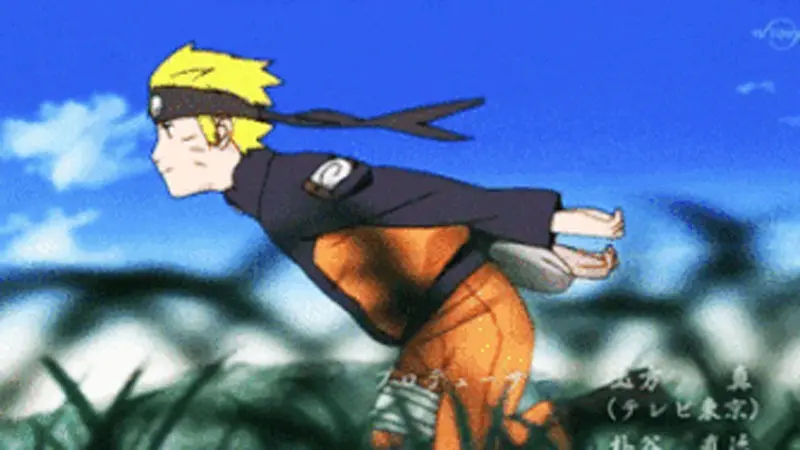
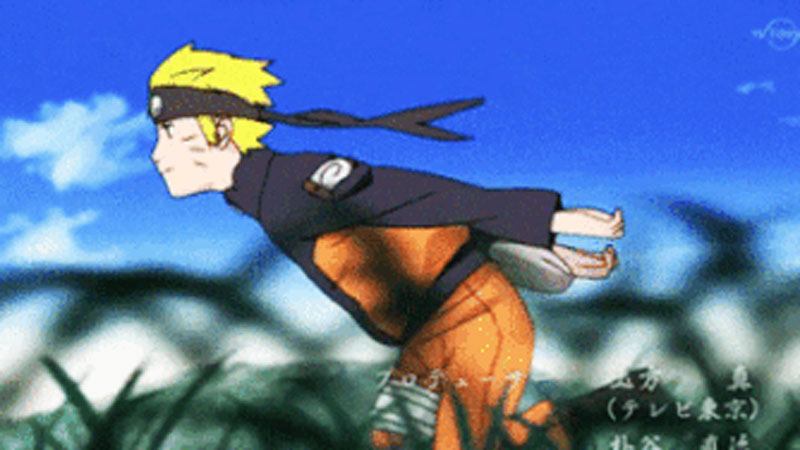
Few internet subcultures bridge the gap between niche Japanese animation and mainstream global consciousness quite like the Naruto Run. Defined by a distinct aerodynamic posture—torso leaned forward aggressively, arms outstretched rigidly behind the runner like jet streams—the gesture immortalized the titular protagonist of the legendary anime series Naruto, created by Masashi Kishimoto.
What began in October 2002 as a stylized animation shortcut designed to visually communicate high-speed movement without the complex frame-by-frame rendering of swinging arms has since mutated into a transmedia internet meme, a real-world athletic challenge, a parkour subgenre, and a defining element of 21st-century pop-culture history.
This retrospective investigates the trajectory of the Naruto Run. We trace its origins on early-2000s television screens, its migration onto emerging video-sharing platforms like YouTube, its codification into DIY instructional guides, and its eventual integration into mass-scale public gatherings—most notably the historic, viral "Storm Area 51" phenomenon of 2019. By examining user-generated content, media coverage, and cultural milestones, this report provides a comprehensive examination of how a fictional ninja sprint captured the imagination of millions worldwide.
Detailed Chronology: From Cell Animation to Viral Phenomenon
1. Genesis and the Anime Origin (2002)
On October 3, 2002, the television adaptation of Naruto premiered on Japanese television network TV Tokyo. The series followed Naruto Uzumaki, a rambunctious, hyperactive adolescent ninja striving to gain recognition from his peers and dreaming of becoming the Hokage—the leader of his ninja village.
In animating the high-octane sequences of characters sprinting across rooftops, forests, and battlefields, studio animators utilized a shorthand artistic technique: drawing characters leaning low to the ground with their arms thrown backward. While the aesthetic existed in earlier anime titles as a shorthand for speed, it became irrevocably synonymous with Naruto Uzumaki. The posture created a striking visual silhouette, emphasizing forward momentum, aerodynamic efficiency (within the logic of a cartoon), and untamed youthful energy.
2. Early Internet Adaptation and YouTube Pioneers (2006–2008)
As broadband internet adoption expanded globally, clips and discussions surrounding Naruto flooded Western forums, message boards, and early video-hosting sites. Fans began translating animated tropes into physical reality.
On September 6, 2006, YouTuber mfbrice uploaded one of the earliest digital documentations of the meme: a brief video titled "Anime Run," featuring the creator mimicking the forward-leaning, arms-back sprint in an open outdoor setting. This early DIY homage set a precedent for a wave of user-generated content.
The trend solidified its internet footprint on March 10, 2008, when a collaborative community guide titled "How to Run Like Naruto" was published on WikiHow. Providing tongue-in-cheek yet systematic instructions—such as leaning your torso forward, relaxing your shoulders, and keeping your arms locked behind your back—the article legitimized the meme as an actionable, teachable physical feat, cementing its transition from passive television viewing to active internet participation.
3. Expansion into Parkour, Flash Mobs, and Global Meetups (2014–2017)
Throughout the 2010s, the Naruto Run graduated from backyard video clips into public performances, flash mobs, and extreme sports integration.
- September 24, 2014: The AppStoreVn YouTube channel released a high-production video titled "Naruto in Real Life," showcasing a professional stuntman executing high-level parkour maneuvers—vaulting over walls and flipping off ledges—while maintaining the trademark arms-back Naruto running posture. The video proved that the run, though ergonomically awkward, could be adapted into dynamic physical movement.
- May 31, 2016: Content creator RealApollo published a video documenting an earnest, humorous attempt to follow the aforementioned WikiHow guide, introducing the "reality versus expectation" comedic formula to the trend.
- July 11, 2016: YouTuber Joe Inoue documented a dedicated Naruto Run public gathering held in Porto Alegre, Brazil. Scores of fans assembled in a public square to sprint collectively, signaling that the meme had developed an offline, community-building infrastructure.
- August 2017: The meme experienced a surge in organized social media events. On August 8, 2017, a Facebook event page was launched calling for a public Naruto run in Philadelphia, Pennsylvania. This catalyzed a wave of similar localized gatherings worldwide, earning coverage from major gaming and pop-culture outlets like Kotaku by late August 2017.
4. The Cultural Zenith: Storm Area 51 (2019)
The undisputed cultural apex of the Naruto Run occurred in the summer of 2019, intersecting with one of the largest viral internet hoaxes of the decade: Storm Area 51.
Originally conceived as a satirical Facebook event titled "Storm Area 51, They Can’t Stop All of Us," the campaign invited citizens to converge on the notoriously secretive United States Air Force facility in Nevada to uncover hidden extraterrestrial life. The event’s viral description famously included a tactical directive for attendees:
"If we naruto run, we can move faster than bullets."
The fusion of classic anime lore with tongue-in-cheek military infiltration tactics propelled the event into global headlines. Millions of users RSVP’d, and traditional news networks scrambled to cover the impending digital-age gathering.
The meme breached institutional walls on July 19, 2019, when Redditor PerturbedPython shared photographs on the r/memes subreddit featuring an official United States Air Force briefing slide deck. The presentation, titled "Actual Air Force Brief My Cousin Had to Sit Through," explicitly educated military personnel on the "Naruto Run," defining it as "the act of running like Japanese anime character Naruto Uzumaki, in which a person runs very fast with their torso forward, and arms back." The post garnered over 124,700 upvotes within 24 hours, proving that the internet subculture had permeated real-world institutional security apparatuses.
Supporting Context & Metrics
To understand the enduring endurance of the Naruto Run, one must analyze its underlying mechanics and digital footprint:
- Ergonomics vs. Aerodynamics: Kinesiology and sports science enthusiasts frequently tested whether running with arms locked backward offers any genuine physical advantage. Consensus dictates that while the posture shifts the runner’s center of gravity forward—potentially aiding initial acceleration—holding one’s arms completely rigid eliminates balance correction, drastically increases the risk of injury during a fall, and forces the core to work exponentially harder to maintain stability.
- The Meme Ecosystem: The Naruto Run thrives on irony, nostalgia, and accessibility. Unlike complex cosplay builds or expensive gaming setups, participating in a Naruto Run requires zero financial investment—only an open space, a willingness to look foolish, and an internet connection to share the resulting media.
- Generational Anchor: For Millennials and Generation Z, Naruto served as a gateway anime during the early days of adult-swim broadcasts and streaming sites. The Naruto Run functions as a secret handshake—a cultural identifier recognized instantly by millions of digital natives.
Official Statements and Cultural Commentary
While television networks and institutional bodies rarely comment officially on internet memes, the peripheral reactions from public figures, law enforcement, and military personnel during the 2019 Storm Area 51 phenomenon highlighted the surreal collision between internet culture and physical reality.
When asked about the viral Facebook event, military spokespersons emphasized the seriousness of trespassing on a restricted federal installation while occasionally acknowledging the absurdity of the internet lore. A representative for the U.S. Air Force famously warned the public against attempting to breach the perimeter, noting the potential dangers—reminding internet users that real-world physics do not operate like anime logic, regardless of whether one attempts the Naruto Run.
Media theorists and sociologists writing for outlets like Kotaku and Polygon pointed to the trend as a prime example of "hyper-participation"—where digital communities use absurd, low-stakes coordination to create a shared sense of global solidarity and comedic relief in an increasingly complex socio-political landscape.
Future Outlook
As the Naruto franchise enters its third decade—spanning the original run, Naruto: Shippuden, and the succeeding generation series Boruto: Naruto Next Generations—the Naruto Run remains secure in the pantheon of internet history.
Though viral stunts like Storm Area 51 have come and gone, the gesture has evolved into a permanent pop-culture archetype. It is routinely referenced in video games, athletic competitions, streaming platforms, and casual conversation whenever speed or youthful abandon is invoked.
Ultimately, the Naruto Run stands as a testament to the power of digital communities. It proves that a simple drawing choice made by an anime studio in 2002 can transcend language barriers, geographic boundaries, and generational divides to unite millions of people in shared laughter, creativity, and play.