Executive Overview
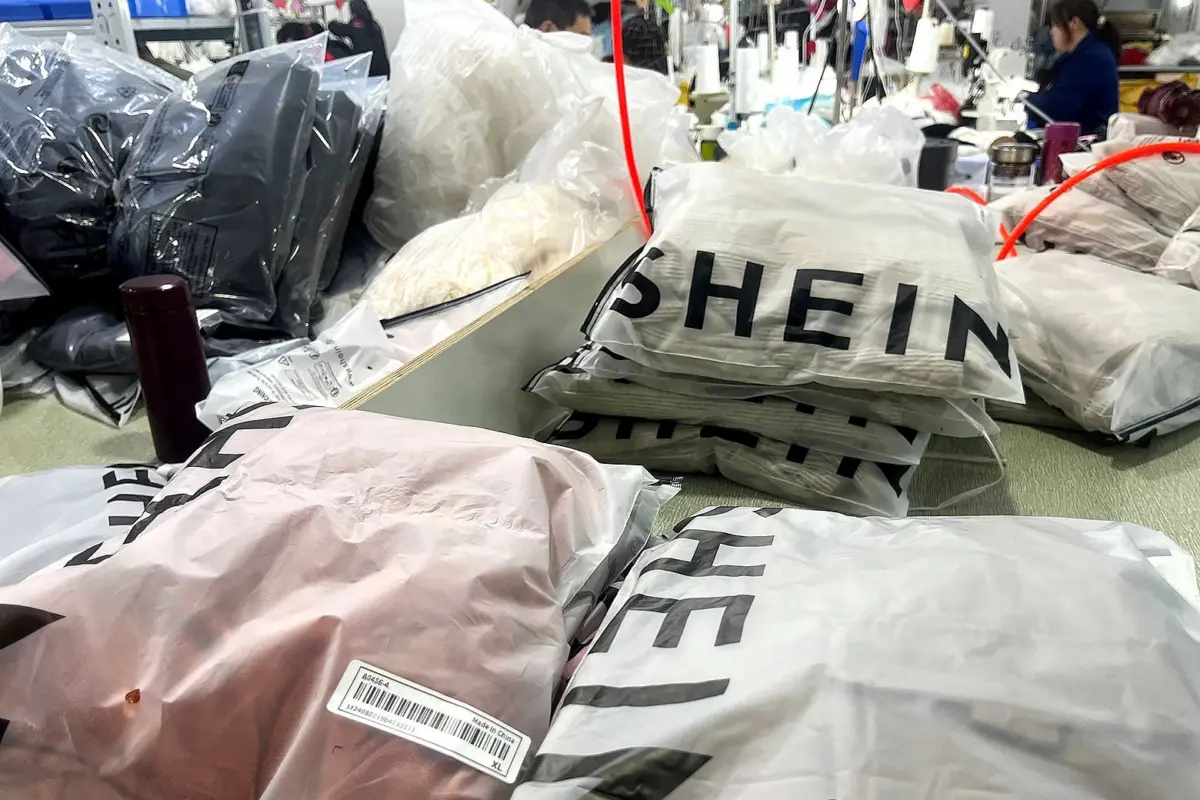
For years, the digital zeitgeist was defined by an insatiable appetite for cheap, frictionless acquisition. On platforms like TikTok and Instagram, creators commanded millions of views by tearing open plastic mailers filled with micro-trend polyester garments, holding them up to the camera, and declaring them "sooo cute." At just $5 a skirt, the economic barrier to entry was non-existent, turning clothing into a disposable commodity akin to fast food. At the vanguard of this revolution was Shein, an ultra-fast-fashion behemoth that mastered the art of algorithmic manufacturing, transforming global consumer habits and reshaping the retail landscape.
However, the cultural winds have shifted dramatically. When Shein debuted on the Hong Kong stock market, investors anticipated a triumphant valuation for the multibillion-dollar giant. Instead, the initial public offering (IPO) was a historic flop, wiping out $5 billion in market value almost immediately. Within weeks, shares cratered up to 25 percent below their initial offering price.
This dramatic market correction is not merely a financial anomaly; it is a profound cultural referendum. Driven by rising living costs, heightened environmental awareness, regulatory scrutiny, and a collective fatigue with low-quality synthetics, consumers are actively rejecting the era of "stuffmaxxing." As the appetite for cheap polyester fades, the retail ecosystem faces an existential reckoning, forcing both legacy players and digital-native disruptors to adapt to a newly conscious consumer base.
Detailed Chronology: From Algorithmic Ascendancy to Market Freefall
1. The Genesis of the Ultra-Fast-Fashion Loop (2008–2020)
Founded in 2008, Shein initially operated under the radar, leveraging early digital marketing strategies through Facebook and Pinterest influencer collaborations. However, the company’s true rocket fuel arrived with the explosion of short-form video apps, most notably TikTok. By capitalizing on the infinite scroll, Shein became the world’s largest online fashion retailer by mastering a revolutionary "test-and-repeat" supply chain model.
Unlike traditional retailers that forecasted trends months in advance, Shein utilized proprietary algorithms to monitor digital chatter, micro-trends, and search queries. The company manufactured items in micro-batches—sometimes as small as 100 pieces—and tracked real-time sales data. If an item gained traction, production scaled instantaneously. This system allowed Shein to push out hundreds of thousands of unique designs annually, vastly outpacing competitors like Zara, H&M, and Boohoo.
2. The Micro-Trend Cycle and the Peak of "Stuffmaxxing"
During the early 2020s, digital culture became inextricably linked with hyper-consumption. Algorithms demanded constant novelty, turning the pursuit of new goods into an endless sprint. Shein supplied this demand with a vengeance, flooding feeds with viral micro-trends: cropped sleeveless knit vests, cow-patterned jeans, and sheer mesh tops stamped with cherubs.
These items were designed for hyper-short lifecycles. They would surge to viral ubiquity for a week or two, saturate social media feeds, and quickly be discarded once they became uncool. This cultural obsession expanded beyond apparel into a broader phenomenon of generalized consumption—often colloquially termed "stuffmaxxing." Consumers began purchasing an endless array of digital-age novelties: weighted walking vests, silicone Stanley cup accessories, and even "lucky scoop" mystery boxes containing dropshipped trinkets. The "Add to Cart" button became a primary vehicle for dopamine delivery.
3. The Tipping Point and the Hong Kong IPO Flop
By the mid-2020s, the cracks in the ultra-fast-fashion edifice began to widen. A combination of macroeconomic pressures, mounting regulatory penalties, and shifting consumer attitudes put immense strain on Shein’s business model.
When the company finally launched its long-awaited IPO on the Hong Kong stock exchange, the market response was overwhelmingly tepid. Plagued by underperform ratings, regulatory fines, and slowing international growth, the stock suffered an immediate and punishing decline. Losing billions in valuation within days, the public offering laid bare the vulnerabilities of a company built entirely on low-margin, high-volume synthetic production.
Supporting Context & Metrics: The Forces Crushing the Fast-Fashion Titan
Shein’s sudden descent from market darling to cautionary tale is the result of several converging economic, regulatory, and sociological factors.
Macroeconomic Pressures and Policy Headwinds
The global economic landscape shifted unfavorably for ultra-low-cost e-commerce. Post-2020 inflation squeezed household budgets, forcing consumers to evaluate their spending habits with a critical eye. Simultaneously, geopolitical and trade policy shifts directly targeted Shein’s low-cost logistics model.
The implementation of stricter international trade policies—including reduced exemptions for low-value parcels and the tightening of customs enforcement—eroded the tariff loopholes that allowed cheap goods to flood Western markets. Furthermore, rising fuel costs and supply chain disruptions inflated shipping rates, destroying the ultra-thin margins upon which Shein’s business was built.
Regulatory Scrutiny and Ethical Liabilities
Shein’s operational model has long drawn fierce criticism from watchdogs and international governments. The company has faced a barrage of legal and financial penalties:
- France and Italy Fines: Regulatory bodies in France levied multimillion-euro fines against Shein for misleading environmental claims and failing to meet consumer protection standards, while Italian authorities penalized the firm for deceptive greenwashing practices regarding product sustainability.
- Labor and Environmental Violations: Investigative reports continually exposed severe labor violations, including reliance on sweatshop conditions and sub-minimum wage manufacturing. Compounding these human rights issues is the company’s staggering carbon footprint, which has soared as artificial intelligence and automated manufacturing scale up production volumes.
- Intellectual Property Theft: Independent designers and small labels have repeatedly filed lawsuits—including major RICO actions—accusing Shein of systematically scraping independent designs and mass-producing counterfeit versions.
The Material Backlash: The Death of Polyester
Perhaps the most potent driver of change has been a fundamental shift in consumer values regarding material quality. Polyester—the petroleum-derived backbone of Shein’s inventory—transformed from an economical convenience into a cultural liability.
By 2026, searches for terms like "timeless wardrobe" and "natural fibers" hit all-time highs on search engines and social media. Consumers became increasingly educated about the health and environmental impacts of synthetic microfibers, driving a mass rejection of disposable garments. Even as a small contingent of loyalists attempted to normalize "100% cotton Shein hauls," the broader market had moved on, viewing synthetic fast fashion as obsolete and ecologically irresponsible.
Official Statements and Industry Perspectives
Financial analysts, retail experts, and corporate disclosures have offered contrasting views on the long-term viability of the ultra-fast-fashion model in the wake of the IPO.
In its official regulatory filings submitted ahead of the public offering, Shein management acknowledged the severe impacts of rising import tariffs, global shipping volatility, and regulatory compliance costs on its projected profit margins. The company has attempted to pivot its public narrative toward sustainability initiatives, promising investments in supply chain transparency and carbon-reduction programs. However, skeptics view these measures as superficial efforts to appease institutional investors.
Market analysts remain deeply divided. Some Wall Street observers maintain that Shein’s core demographic of ultra-budget shoppers remains intact, pointing to the continued growth of alternative ultra-low-cost rivals like Temu, TikTok Shop, and digital apparel retailer Cider. These platforms have absorbed some of the market share shed by Shein, proving that the appetite for low-cost goods has not vanished entirely, but has rather dispersed.
Conversely, retail futurists argue that Shein’s stock market performance signals a permanent structural decline for frictionless, disposable fashion. As consumer researcher Dr. Helena Vance noted in recent market commentary:
"The consumer psyche has evolved past the point where sheer volume equates to value. We are witnessing the end of the ‘stuffmaxxing’ era. Shoppers no longer want their closets filled with petroleum-based ephemera that disintegrates after two washes; they are demanding longevity, authenticity, and ethical accountability."
Future Outlook: Where Retail Goes From Here
The fallout from Shein’s troubled public debut highlights a broader maturation among modern consumers, particularly Gen Z and Millennials. Rather than abandoning trend culture altogether, younger demographics are migrating toward alternative models that balance style with sustainability.
The Rise of Circular Fashion and Rental Economies
To stay on top of rapid trend cycles without accumulating environmental guilt, consumers are increasingly turning to online clothing rental services and digital resale marketplaces. Platforms facilitating peer-to-peer luxury and vintage resale have experienced unprecedented surges. These ecosystems allow consumers to participate in fashion trends as a fluid, circular experience rather than a linear trajectory from checkout to landfill.
Personalization Over Mass Homogeneity
The era of the algorithmic uniform—where millions of consumers wore identical, mass-produced polyester items—is steadily giving way to hyper-personalized curation. The new status symbol is uniqueness: vintage pieces, artisanal goods, and items crafted from natural fibers that cannot be replicated via a basic keyword search.
Conclusion
Shein’s stumble on the stock market serves as a bellwether for the twenty-first-century consumer economy. It proves that while the temptation of cheap, frictionless consumption will always exist in some form, the cultural appetite for unmitigated waste has reached its limit. Whether driven by economic pragmatism, ecological awakening, or a simple desire for higher-quality goods, society is collectively beginning to kick the fast-fashion habit. Ultimately, consumers have realized a fundamental truth: there is very little glamour to be found in a giant box of oil-drum clothes.