Executive Overview
The Autumn 2026 fashion cycle marks a critical inflection point in contemporary design. Across major European capitals, a new generation of avant-garde creators is dismantling long-held assumptions about how clothing relates to the physical form. Moving far beyond traditional tailoring, today’s rising talents are engineering impossible silhouettes, pushing trompe l’œil to biological extremes, and treating the human body as a living canvas.
From impossible Barbies and punky ballerinas to hyper-realistic "second skins" that blur the line between body art and haute couture, these designers draw from digital subcultures, internet lore, and fragmented childhood memories. Yet, unlike past waves of disruptors who relied purely on shock value, this cohort balances anarchic digital personas with rigorous technical mastery. Trained at institutions like Central Saint Martins and Berlin’s University of the Arts, and forged in the trenches of luxury in-house ateliers, they represent a synthesis of internet-native radicalism and elite craftsmanship. This comprehensive investigation profiles the visionary minds redefining the future of fashion.
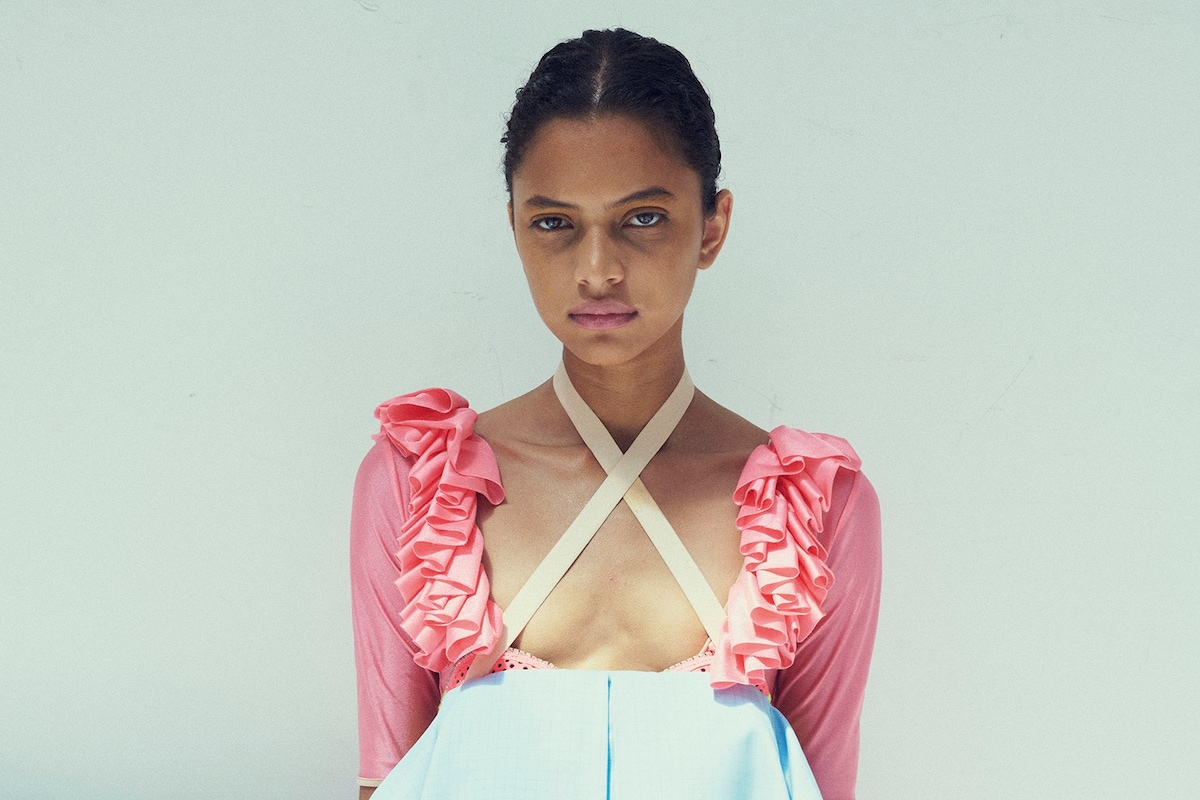
Detailed Chronology: The Rise of the 2026 Avant-Garde
Kai Ghattaura: Postmodern Ragebait and Technical Precision
Raised in Telford near Birmingham, 24-year-old Kai Ghattaura spent his formative years entirely online, sequestered indoors playing video games. While video games sparked an early interest in character design, Ghattaura favored physical construction over virtual rendering. Graduating from Central Saint Martins’ prestigious MA fashion course in 2026, he bypassed the traditional childhood narrative of sketching dresses at age three.
- The Digital-Physical Bridge: Ghattaura characterizes his work as "postmodern ragebait clothing," weaponizing internet culture to secure global visibility.
- The Balancing Act: Aware of the superficiality of viral marketing, he maintains a strict commitment to high technical standards. "Social media is the cheapest way to get PR," he notes, "but there also have to be pieces that establish me as a fashion designer, and not just some goofy internet thing."
- Clientele and Future Projects: Alongside dressing cultural figures like EsDeeKid, Wet Leg, and Billionhappy, Ghattaura is preparing for an independent runway presentation this September, executed in collaboration with his partner as an homage to 2016 pop culture.
Gil Hursthausen: The Enigmatic Experimentalist
Operating behind a veil of deliberate anonymity, Gil Hursthausen presents a stark contrast to an over-exposed digital landscape. Aside from an Instagram presence and an e-commerce platform offering essential garments, public biographical data is virtually nonexistent.
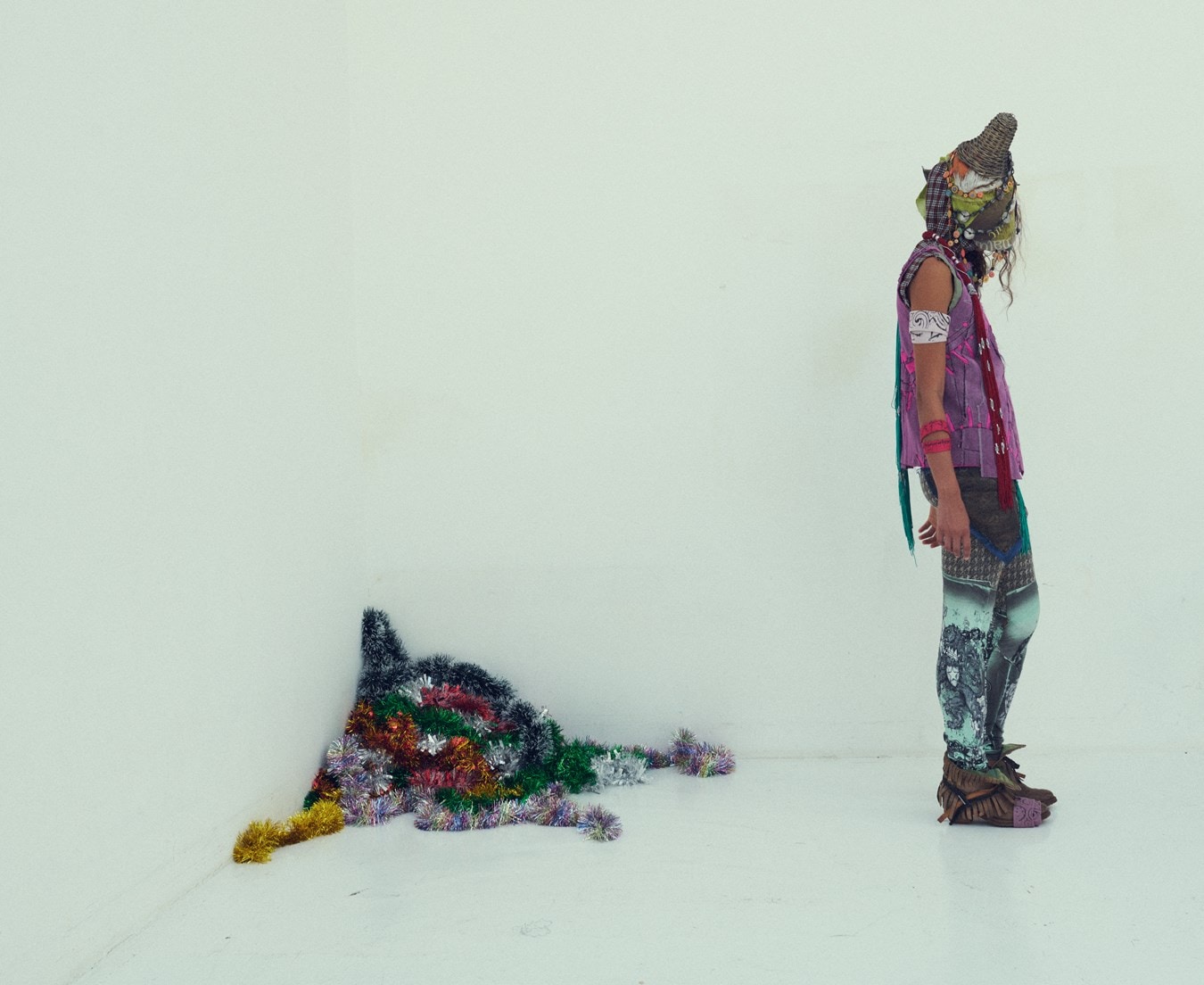
- The Inscrutable Approach: Following a missed video interview, subsequent correspondence revealed little: based in London, origin classified, educational background unshared.
- Evolution of Craft: Before launching her experimental label—highlighted by a dress constructed entirely of bubble wrap and oversized slogan T-shirts bearing the cryptographic text "CONCEPT WASHING"—Hursthausen worked as a professional hairstylist and makeup artist.
- Strategic Opacity: By mirroring the enigmatic playbooks of Martin Margiela and Vetements, Hursthausen has transformed a lack of corporate transparency into a potent marketing asset.
A Letter (Freddy Coomes and Matt Empringham): Subverting the Paper Doll
Kicking off 2026 with a dramatic rebrand from Aletta to A. Letter, design duo Freddy Coomes and Matt Empringham cemented their status as master illusionists. Having met on day one of their foundation course, both went on to complete prestigious placements under Jonathan Anderson—Coomes at Loewe and Empringham at JW Anderson—before launching a ten-piece capsule collection for Dover Street Market in 2025.
- Material Deception: The duo is celebrated for using gossamer-thin crepe engineered to mimic paper, resulting in garments that appear "stuck on" to the body like items from a paper doll book.
- Industry Ambivalence: While Coomes entered fashion via streetwear reselling on eBay, Empringham maintains a critical distance: "I haven’t fallen in love with fashion just yet." Their immediate focus centers on the debut of their fourth collection this September.
Giulia Galiberti: Exaggerating the Female Form
While many graduates rush to launch independent labels, Giulia Galiberti prioritizes institutional mastery. Splitting her time between London and her family home in Genoa following her CSM MA presentation, Galiberti actively campaigns for design positions at houses like Prada and Margiela.
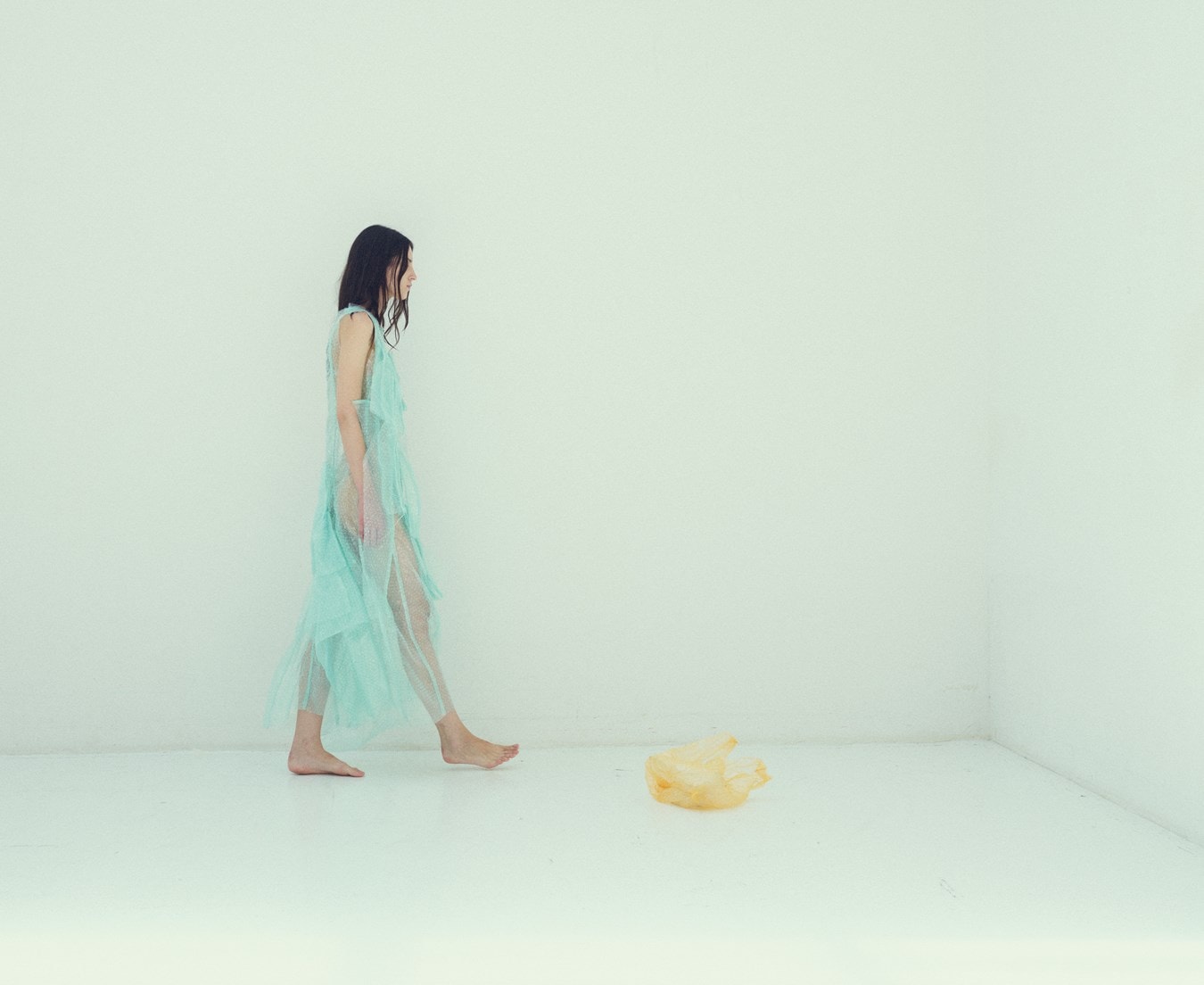
- Surrealist Anatomy: Growing up staging makeshift fashion shows with Barbie dolls, Galiberti now subverts the classic doll silhouette. Her work deconstructs societal obsessions with the female breast, augmenting them to surreal, exaggerated proportions.
- The Grotesque Aesthetic: Galiberti views her collections as "a bridge between the possible and the impossible body," deliberately weaving elements of the grotesque into every silhouette.
Oliver Jeanes: Disco Freestyle and Pageantry
Born in Bradford, Oliver Jeanes’ childhood was defined not by traditional dance, but by disco freestyle—a high-octane subculture blending ballroom pageantry with rhinestoned neon Lycra.
- Childhood Imprinting: Inspired early on by Henry Holland’s graphic slogan tees and personal styling, Jeanes mapped out his path to Central Saint Martins at age ten.
- Archival Obsessions: Blending his love for subcultural pageantry with references to Christopher Kane’s seminal 2006 graduate collection, Jeanes prepares to officially enter the CSM MA program this November.
Hester Abov (Sara Mikorey): Uncanny Realism and Adolescent Frustration
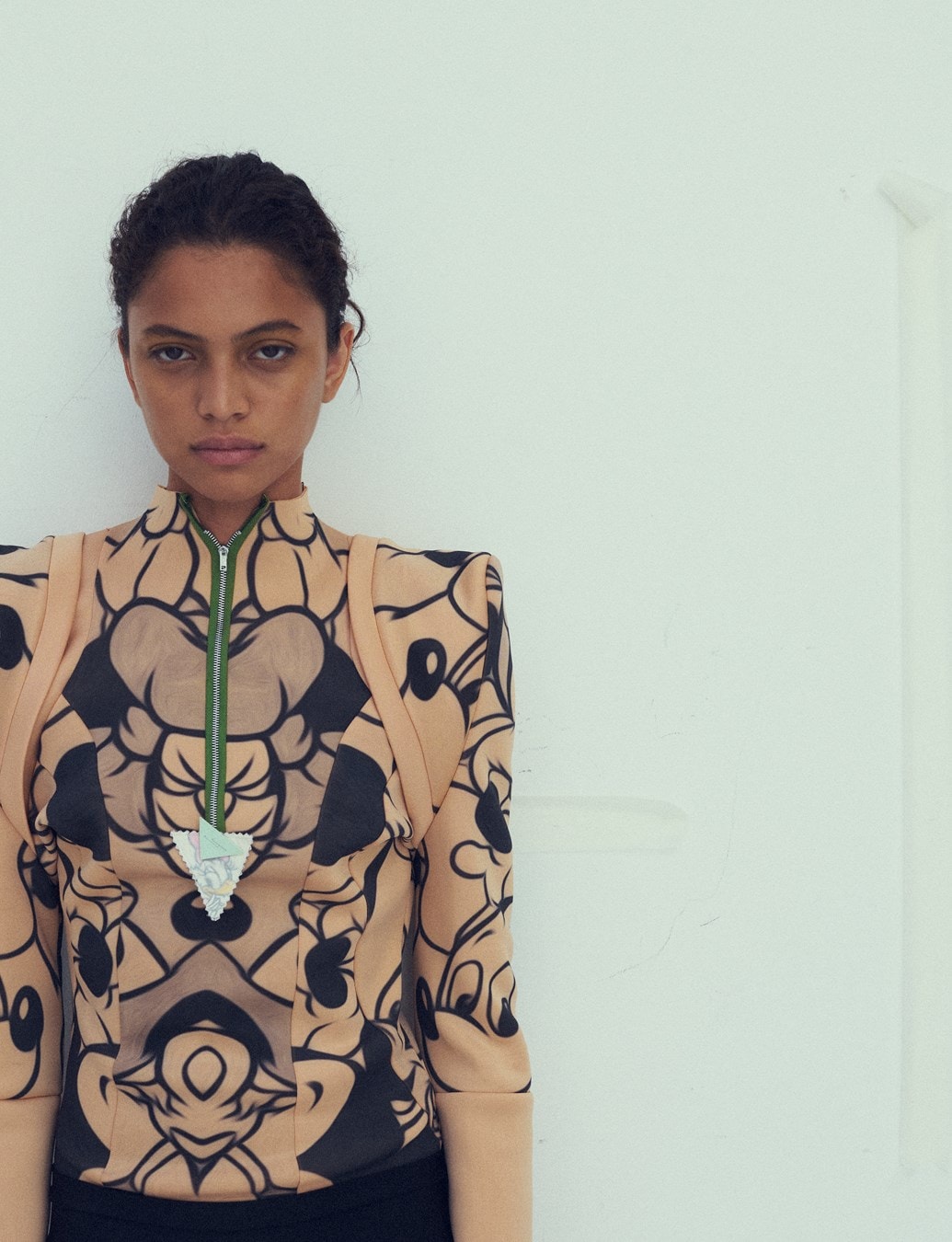
Operating under the moniker Hester Abov, 27-year-old German designer Sara Mikorey evokes a chilling "uncanny valley" aesthetic through custom-built distorted mannequins and provocative garments, such as a crucified Mickey Mouse on a dogtooth jacket.
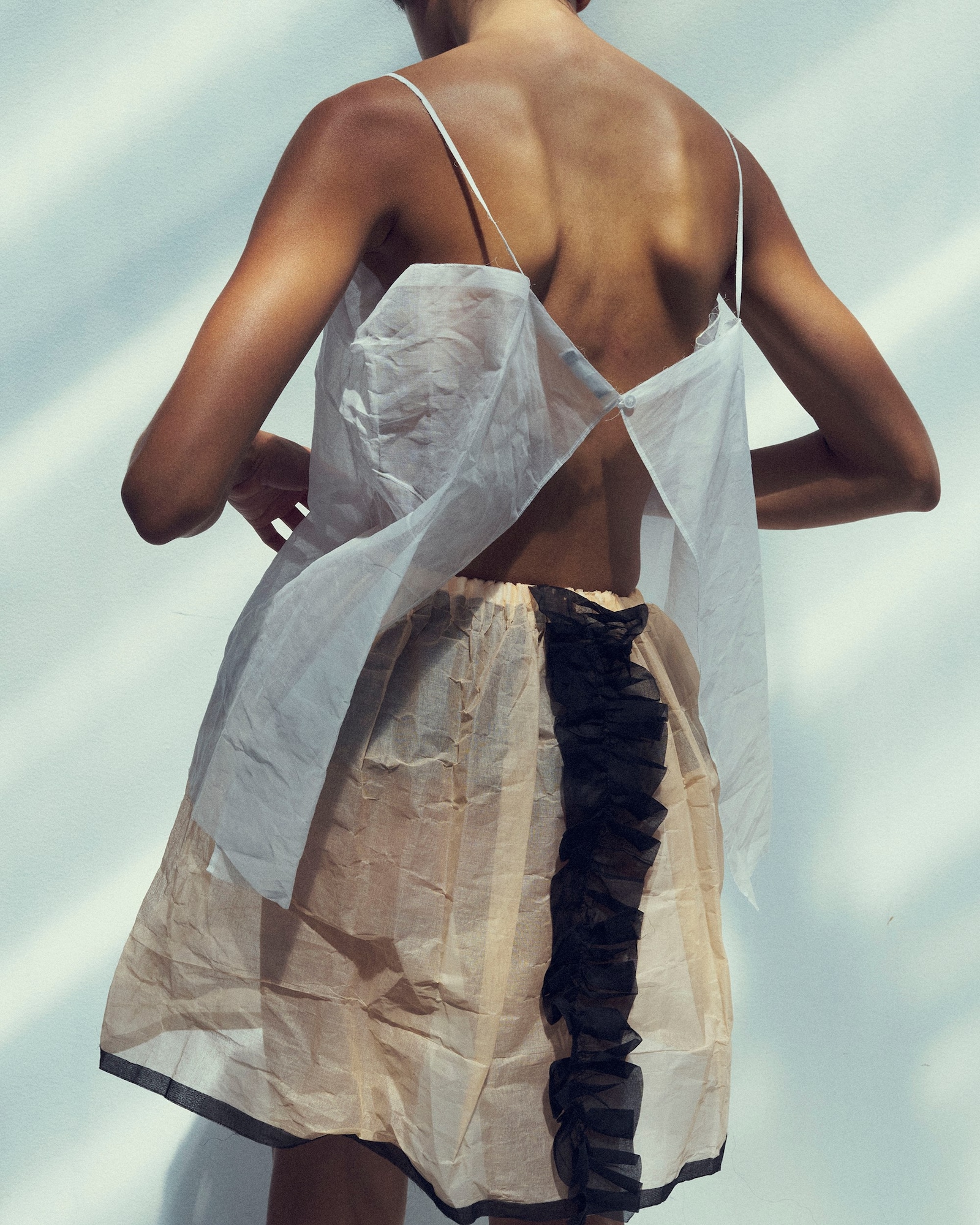
- Subverting Girlhood: Raised in a sheltered Bavarian village, Mikorey channels the friction of female adolescence—contrasting expected innocence with heavy, dark internal emotions—into her 2025 graduate collection, drawing inspiration from Bauhaus women and Raf Simons.
Simon Carle: The Ultimate "Second Skin"
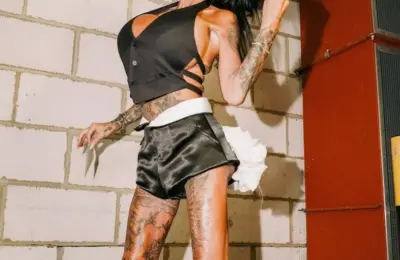
Berlin-based designer Simon Carle has redefined trompe l’œil by moving away from traditional textiles and applying high-detail body art directly to the skin.
- The Skin as Garment: Utilized by global pop stars like Tyla—seen in paparazzi shots and Zara Larsson’s "She Did It Again" music video—Carle’s 360-degree body art wraps the torso and arms. "It’s the closest a garment can get to the human layer," Carle explains. The applications require an hour to set and endure up to a week.
- Defying Convention: Raised in Stuttgart under strict fiscal expectations, Carle defied familial pressure regarding creative careers to study at Berlin’s University of the Arts.
Yasmina Atta: Punky Ballerinas and Transnational Cinema
Following a stint working full-time for a luxury streetwear brand in Tokyo, Nigerian-born Yasmina Atta has dedicated 2026 entirely to her eponymous label.
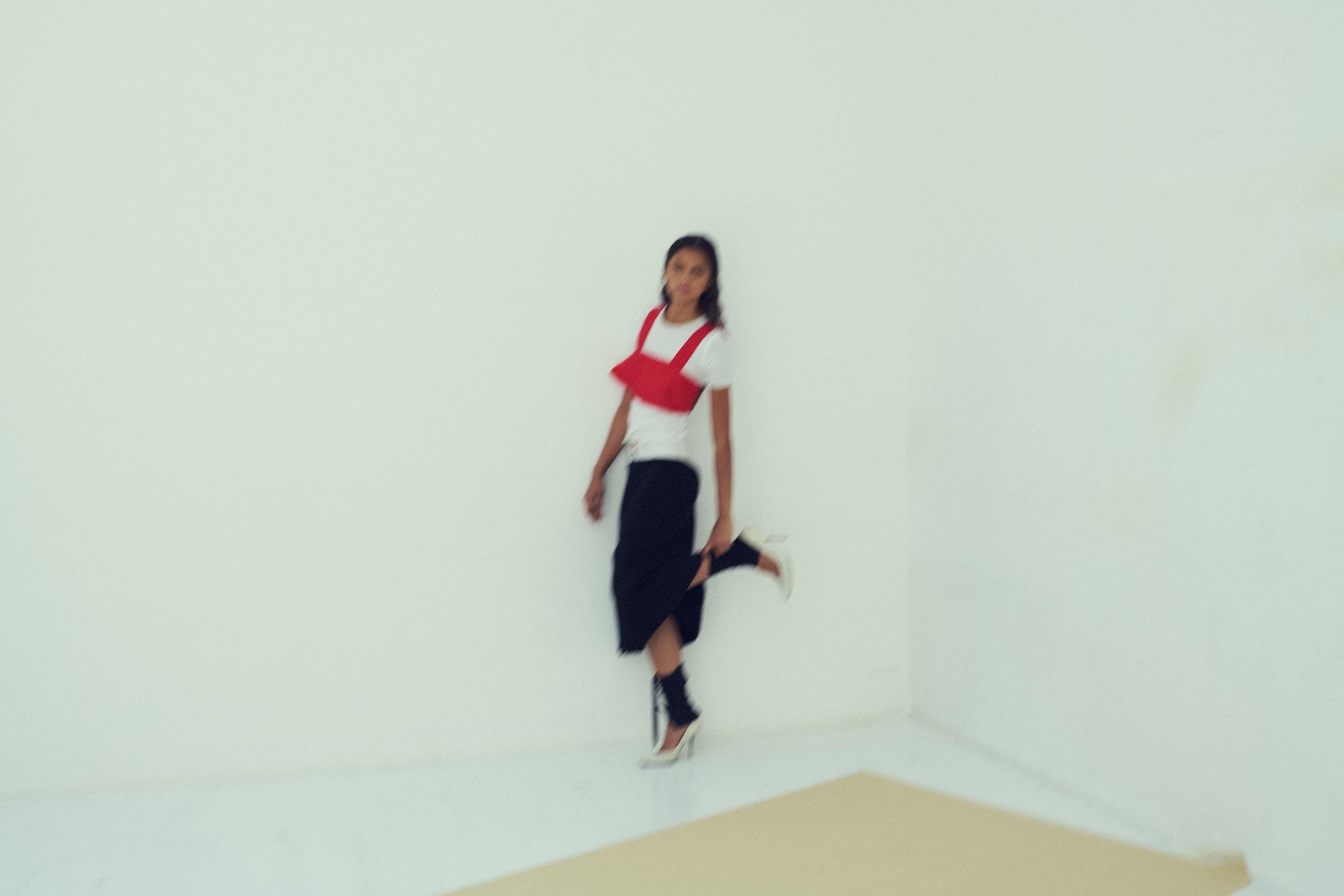
- High-Profile Validation: Atta gained international attention in June when Rosalía stepped out in one of her punky ballerina designs, inspired by Edgar Degas’ sculpture Little Dancer Aged Fourteen.
- Cultural Synthesis: Having moved from Lagos to London at age 11, Atta combines the legacy of Ray Petri’s 1980s Buffalo streetwear clique with the visual language of 1970s Senegalese cinema, establishing a truly global avant-garde perspective.
Supporting Context & Metrics: The Shift in Contemporary Design
| Designer / Label | Alma Mater / Training | Key Inspiration / Reference | Primary Innovation / Signature Aesthetic |
|---|---|---|---|
| Kai Ghattaura | Central Saint Martins (MA) | Video games, internet lore | "Postmodern ragebait" clothing; technical streetwear |
| Gil Hursthausen | Undisclosed | Hair/makeup background, anonymity | Bubble wrap tailoring, CONCEPT WASHING slogan tees |
| A Letter | Central Saint Martins / Loewe / JW Anderson | Paper dolls, vintage dress-up books | Gossamer-thin crepe engineered to mimic paper |
| Giulia Galiberti | Central Saint Martins (MA) | Barbie silhouettes, societal body obsession | Hyper-exaggerated breasts; grotesque anatomical bridges |
| Oliver Jeanes | Central Saint Martins (Incoming MA) | Disco freestyle, Christopher Kane (2006) | Rhinestoned neon Lycra, subcultural pageantry |
| Hester Abov | Central Saint Martins / Bauhaus | Female adolescence, Raf Simons | Distorted custom mannequins, subversive pop-culture icons |
| Simon Carle | Berlin University of the Arts | Temporary tattoos, pop-star styling | 360-degree body art "second skins" |
| Yasmina Atta | London / Tokyo industry experience | Edgar Degas, Ray Petri’s Buffalo, Senegalese cinema | Punky ballerina constructions, transnational subcultures |
The convergence of these designers highlights a structural shift in the fashion economy. Traditional luxury houses are increasingly forced to scout talent not through conventional trade shows, but by tracking digital subcultures, independent Berlin and London collectives, and high-concept graduation showcases. The blurring boundary between virtual character design and physical garment construction has transformed how collections are conceived, marketed, and consumed.
Official Statements and Industry Commentary
The emergence of this 2026 vanguard has drawn critical praise from established industry figures and cultural commentators alike.
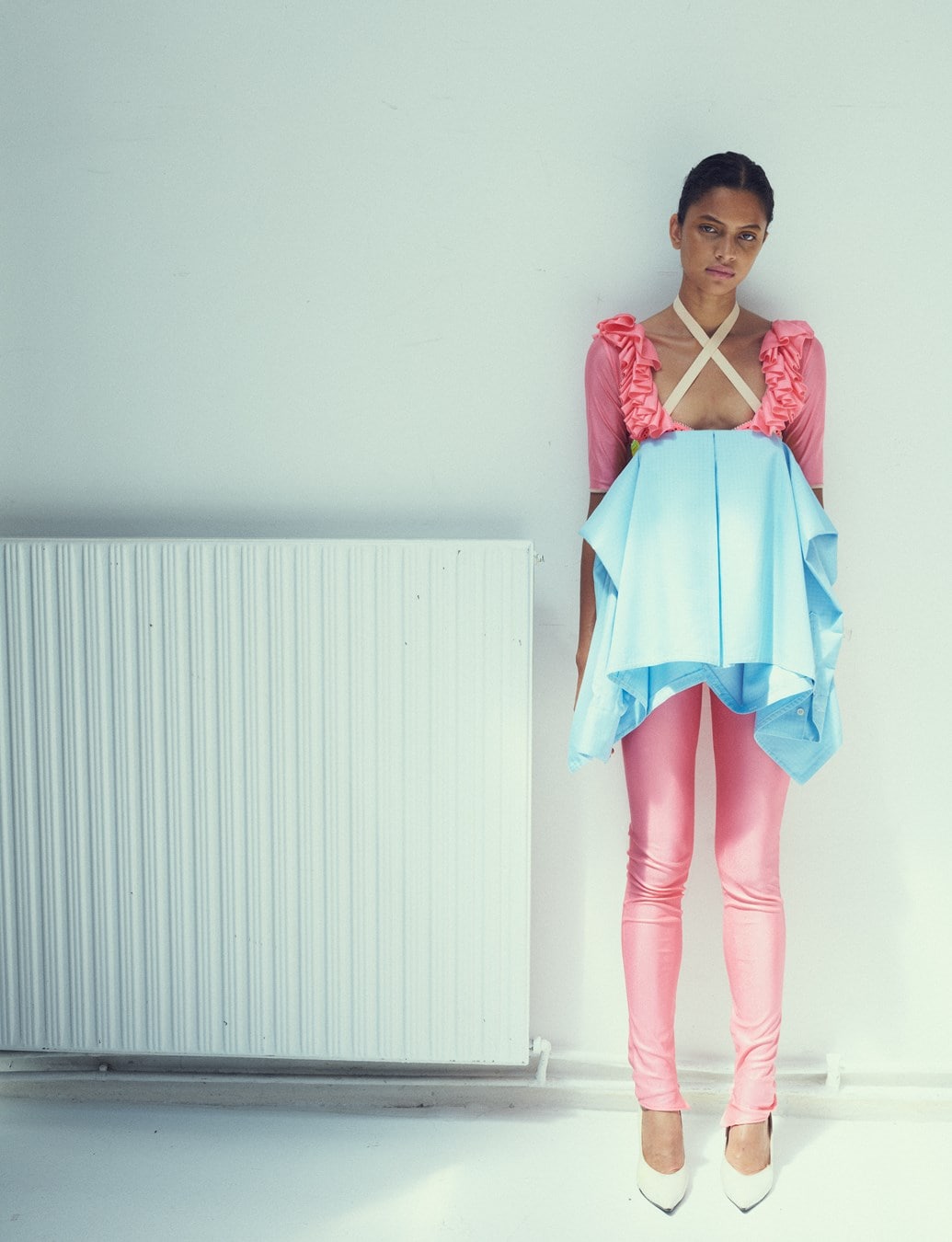
- On Technical Rigor vs. Digital Virality: Kai Ghattaura emphasizes the necessity of physical craftsmanship over fleeting internet fame: "Social media is the cheapest way to get PR, but there also have to be pieces that establish me as a fashion designer, and not just some goofy internet thing."
- On Breaking Away from Traditional Career Paths: Giulia Galiberti underscores the value of in-house institutional experience: "I want a job because I want to be able to learn as much as I can before I start my own brand… I feel like I would come out of it with such amazing instruments and knowledge."
- On Pushing Garments to the Biological Limit: Simon Carle defends his minimalist, body-centric approach to trompe l’œil: "It’s a very simple and straightforward approach. It’s the closest a garment can get to the human layer."
- On Processing Adolescent Frustration: Sara Mikorey (Hester Abov) reflects on the emotional catalysts driving her uncanny designs: "[Those] belittling visuals didn’t match my experience. Being met with an expected innocence while having heavy, dark feelings. Never having a listener but always trying to shout."
Future Outlook
As the Autumn 2026 season approaches, the collective momentum of these eight design entities signals a permanent evolution in the global fashion landscape. The rigid divide between digital entertainment and physical tailoring has evaporated. Designers like Ghattaura, Hursthausen, Coomes, Empringham, Galiberti, Jeanes, Mikorey, Carle, and Atta are proving that the future of fashion belongs to those who can simultaneously command viral attention and execute uncompromising technical construction.
Key developments to watch in the latter half of 2026 include:
- Independent Runway Debuts: Kai Ghattaura and A Letter’s collaborative and solo September presentations, which promise to test whether digital subculture can successfully sustain traditional runway models.
- Institutional Absorption: Giulia Galiberti’s anticipated entry into major luxury houses (such as Prada or Margiela), which will test the willingness of legacy conglomerates to integrate hyper-subversive anatomical design into commercial pipelines.
- The Expansion of Body Art: Simon Carle’s commercial scalability of "second skin" applications beyond pop-star red carpets and music videos into wearable daily luxury.
Ultimately, this new vanguard is not merely dressing the body—they are rewriting its anatomy, challenging cultural nostalgia, and securing a bold, unpredictable future for global design.