By Willa Bloomfield Rowe Published November 27, 2026
Executive Overview
The definitive end of the road has officially been charted for HBO’s premier post-apocalyptic drama, The Last of Us. Following months of speculation regarding the long-term viability and continuation of the PlayStation adaptation beyond its sophomore and junior outings, network leadership has put all rumors to rest.
Casey Bloys, Chairman and CEO of HBO and Max content, confirmed that the upcoming third season will serve as the absolute final chapter for the prestige series. While fans had historically harbored ambitions that the sprawling, emotionally intense narrative universe created by Naughty Dog could stretch further—perhaps through original branching stories or speculative expansions past the video game source material—HBO has chosen a definitive narrative closure.
Co-creator Craig Mazin has explicitly architected the third season to bring the dramatic saga to a firm, uncompromising close. Once the cameras stop rolling on The Last of Us, Mazin is scheduled to transition immediately to his next monumental fantasy endeavor for HBO: a Dungeons & Dragons television project alongside a highly anticipated sequel series based on Baldur’s Gate 3.
As the series prepares for its swan song, the production landscape is shifting. Behind the scenes, creative paths are diverging, and the television adaptation is set to wrap up its narrative obligations to Joel and Ellie permanently by 2027. This comprehensive report breaks down the structural evolution of the show, the behind-the-scenes departures, the future of the franchise across media, and what lies ahead for Sony’s robust portfolio of prestige adaptations.
Detailed Chronology: From the PlayStation Console to the Prestige Screen
The journey of The Last of Us from a generation-defining 2013 survival-horror video game to a cultural touchstone on television has been marked by meticulous pacing and high-stakes creative decisions.
When HBO greenlit the adaptation alongside PlayStation Productions, showrunners Craig Mazin and Neil Druckmann faced the monumental task of translating a cinematic interactive experience into a cinematic episodic format.
Season 1: Laying the Foundation
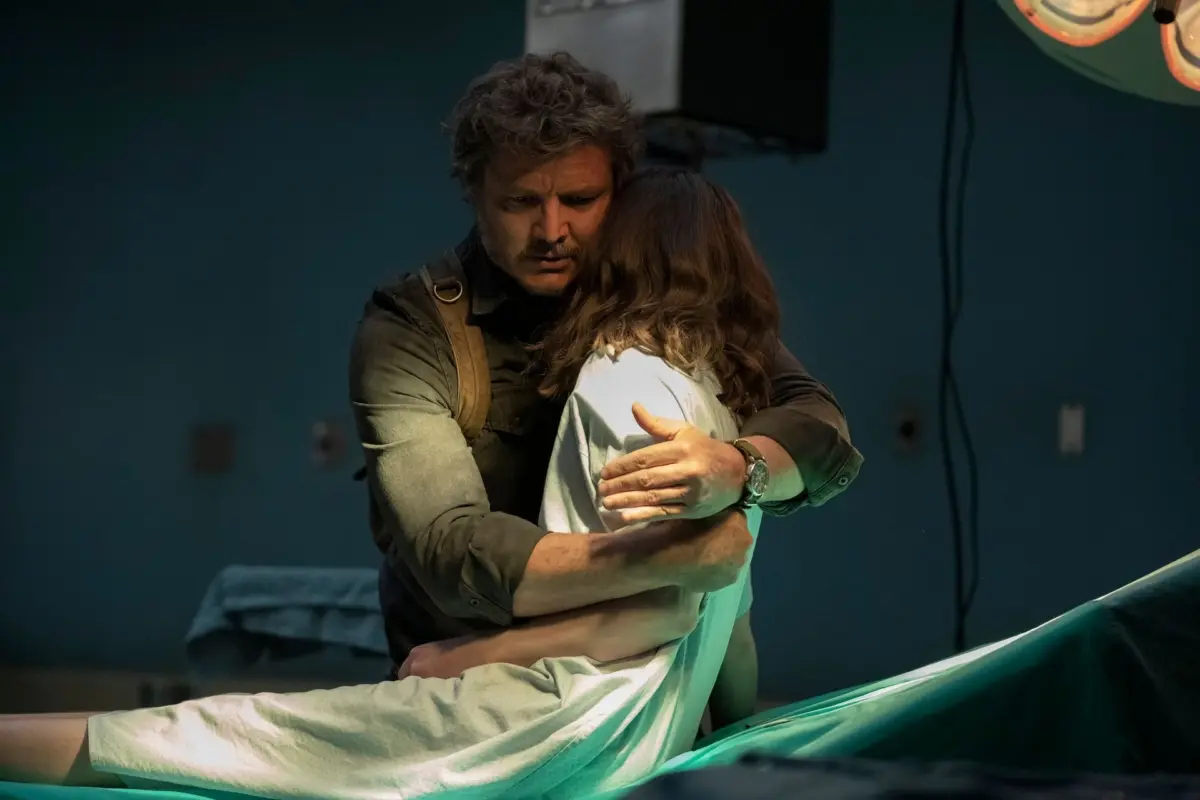
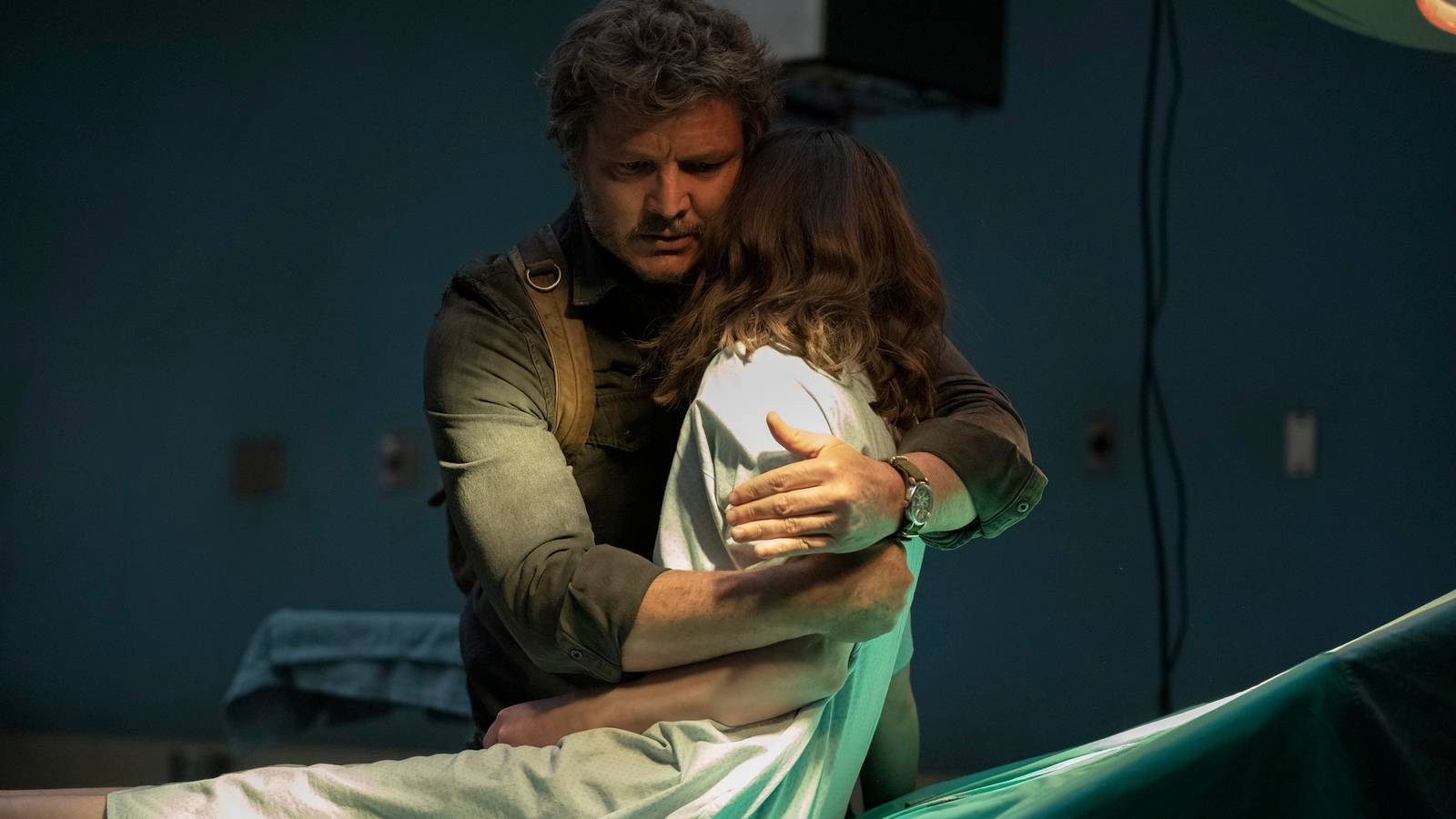
The inaugural season debuted to critical acclaim, faithfully adapting the harrowing cross-country journey of smuggler Joel Miller (Pedro Pascal) and the immune teenager Ellie Williams (Bella Ramsey). By capturing the bleak emotional core, the fungus-ridden horrors of the Cordyceps infection, and the morally gray climax in a Salt Lake City hospital, the first season set an unprecedented standard for video game adaptations. It proved that source material from the interactive medium could achieve mainstream television prestige without sacrificing its identity.
Season 2: Splitting the Narrative
Rather than attempting to compress the massive scope of The Last of Us Part II into a single television block, HBO and its creative team made the strategic decision to split the second game’s narrative across two distinct seasons.
Season 2 dove headfirst into the harrowing themes of vengeance, grief, and cyclical violence. It followed Ellie (Bella Ramsey) on her relentless quest for retribution following the tragic death of Joel, leading her on a brutal hunt across Seattle to track down Abby (Kaitlyn Dever).
Season 3: The Perspective Shift and the Finish Line
The upcoming third season—now cemented as the final run—will flip the narrative perspective entirely. Mirroring the structural innovation of Naughty Dog’s original 2020 sequel, Season 3 will retell the exact same timeline and events of the second season, but this time through the eyes of Abby. This inversion aims to challenge audience sympathies, exploring the human cost of Joel’s actions from the opposing side of the conflict.
Crucially, this structural approach will also introduce pivotal characters from the source material, most notably Lev, portrayed by Michelle Mao. However, because Mazin designed this dual-season structure with a definitive endpoint in mind, Season 3 will wrap up not just Abby and Ellie’s arcs, but the entire television universe of the show.
Supporting Context & Metrics: The Creative Schism and Production Shifts
While the television adaptation has raked in critical accolades, Emmy nominations, and immense viewership metrics for Max, the journey toward the final season has not been without behind-the-scenes friction.
The Departure of Neil Druckmann
A significant structural shift occurred regarding the creative hierarchy of the show. Neil Druckmann, the co-creator of the original video game franchise and co-creator of the HBO television adaptation alongside Mazin, served as an active writer and showrunner through the first two seasons. However, Druckmann formally stepped away from active production duties for the third and final season.
This departure comes amid a period of shifting public sentiment surrounding the direction of the adaptation. Following a mixed and polarized response from segments of the fanbase and critics to certain narrative choices in Season 2, Druckmann and Naughty Dog have notably distanced themselves from the creative execution of the television series’ concluding acts.
In recent interviews with prominent outlets like The Washington Post, Druckmann confirmed that Naughty Dog has held no creative or operational role in shaping the final season. Despite stepping back from the HBO project, Druckmann has emphasized that his creative energy is fully refocused back onto interactive media, heavily teasing that Naughty Dog is already deep into planning the future of The Last of Us franchise within the video game space.
Official Statements and Industry Insights
The definitive confirmation of the series’ end came straight from the top during a post-Emmy press circuit. Casey Bloys, addressing the entertainment industry via Deadline, clarified HBO’s long-term strategy for its marquee properties.
"Craig has planned it as the final season," Bloys stated definitively when addressing the longevity of The Last of Us.
Bloys emphasized that HBO prefers to allow its visionary creators to tell complete, finite stories rather than dragging out adaptations past their natural narrative expiration dates. This philosophy aligns with HBO’s historical handling of other prestige tentpole dramas. By allowing Mazin to cleanly execute a three-season arc, the network avoids the fatigue that frequently plagues long-running television IPs.
Furthermore, Bloys reiterated that Season 3 is officially locked in for a 2027 premiere window. While a precise release date or seasonal month has yet to be finalized by Max executives, the production timeline is actively moving forward.
Future Outlook: The Next Wave of PlayStation Adaptations
Though the curtain is drawing to a close for Joel, Ellie, and Abby on HBO, the symbiotic pipeline between Sony’s PlayStation division and Hollywood is only accelerating.
Industry analysts note that The Last of Us served as the crucial proof-of-concept that high-end video game IPs could be successfully translated into live-action prestige television. With that barrier broken, Sony Pictures Television and PlayStation Productions are aggressively expanding their slate of adaptations.
Chief among these upcoming projects is the heavily anticipated God of War series currently in development for Prime Video, which has recently made major headlines with its casting announcements, including Dave Bautista attached to bring the Spartan warrior Kratos to life.
Additionally, Craig Mazin’s imminent transition to massive fantasy properties like Baldur’s Gate 3 and Dungeons & Dragons for HBO signals that the network intends to retain its crown as the premier destination for epic, narrative-driven geek culture adaptations.
What Lies Ahead for The Last of Us Franchise?
For fans mourning the impending conclusion of the HBO series, the universe of The Last of Us is far from dead. With Neil Druckmann and Naughty Dog actively steering future interactive projects, the franchise’s primary medium remains video games. Whether future gaming installments will explore eras prior to the outbreak, untold stories in the timeline, or entirely new characters surviving in the Cordyceps-ravaged wasteland remains a heavily guarded secret within the studio.
As 2027 approaches, anticipation will undoubtedly reach a fever pitch for Season 3. When the final credits roll on HBO, The Last of Us will stand as a rare television achievement: a tightly budgeted, uncompromising, and finite adaptation that respected its source material enough to know when to finally fade to black.