Executive Overview
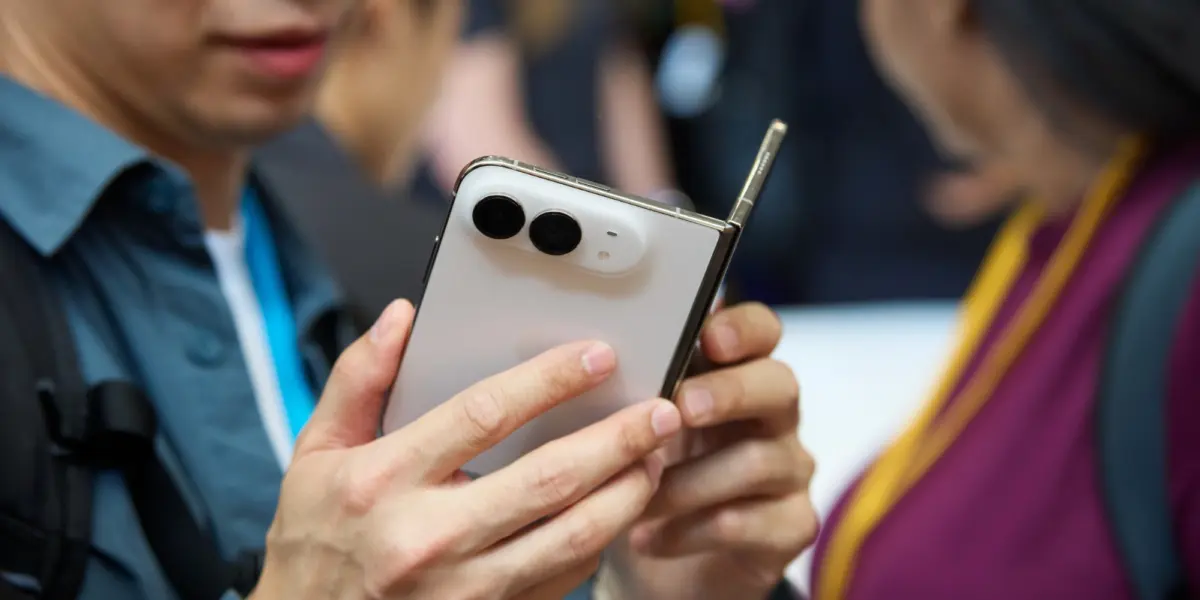
The arrival of Apple’s long-anticipated foldable device—dubbed the iPhone Duo—has fundamentally disrupted the high-end smartphone market. Marketed as a bridge between traditional pocket-sized mobile computing and expansive tablet-class productivity, the device arrived on doorsteps late last month to a flurry of viral social media praise, tech-reviewer fascination, and unprecedented consumer queues.
Yet, beneath the glossy sheen of early adopter enthusiasm lies a quieter, more complex narrative. For a distinct segment of power users, media professionals, and parents juggling chaotic daily routines, the transition to a foldable daily driver has exposed a stark friction point.
This review-in-progress is not an indictment of Apple’s engineering prowess; rather, it is an investigative look into the ergonomics, psychology, and real-world utility of the iPhone Duo after one full week of continuous, unfiltered daily carry.
When measured against the gold standard of traditional slab-style flagships—such as the iPhone 18 Pro—the Duo forces a provocative reckoning: Are foldable devices genuinely the inevitable future of mobile hardware, or are they an engineering triumph masking a niche utility?
Detailed Chronology: A Week with the iPhone Duo
Day 1–2: The Unboxing High and Initial Impressions
The unboxing ritual of any tier-one Apple product remains an expertly choreographed experience, but breaking the seal on the iPhone Duo carries an extra layer of gravitas. It marks the Cupertino giant’s official entry into the foldable arena, a category pioneered years prior by competitors like Samsung and Google.
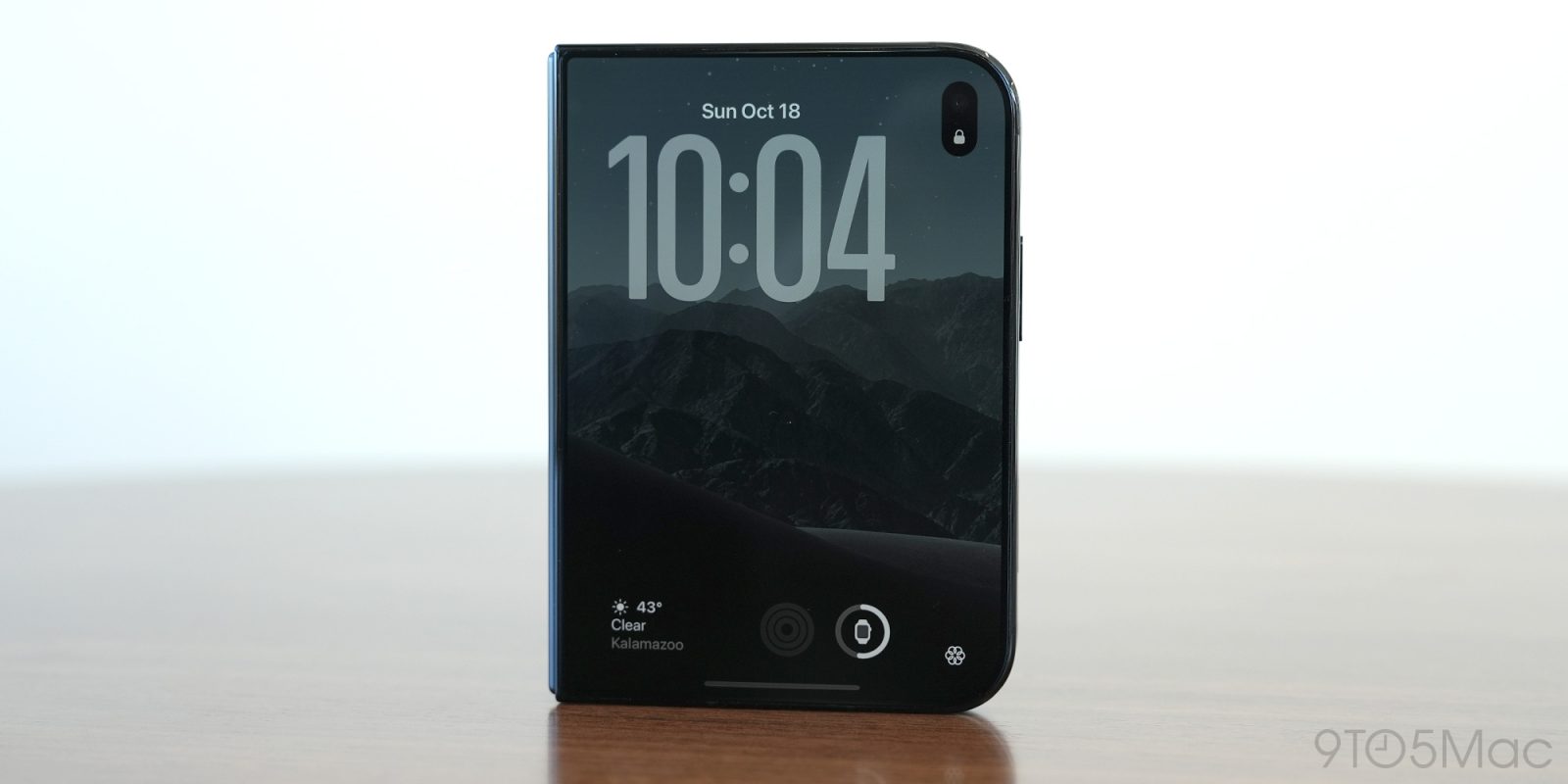
Initial impressions lean heavily toward awe. The hinge mechanism exhibits a seamless, buttery fluidity, snapping shut with a satisfying, dampened acoustic pop that screams luxury. The inner display unfurls to reveal a nearly imperceptible crease, vastly outclassing early-generation foldable predecessors.
However, the honeymoon phase dissolves quickly upon setting up the device. Migrating from an iPhone 18 Pro, the physical weight distribution of the Duo is immediately noticeable. Closed, it feels noticeably thicker and heavier—a necessary physical concession to accommodate dual screen substrates and a sophisticated hinge architecture. Navigating the outer display requires an adjustment period. The aspect ratio is wider and shorter than standard candy-bar phones, making typing on the native software keyboard feel cramped and unchartered.
Day 3–5: The 90/10 Usage Reality
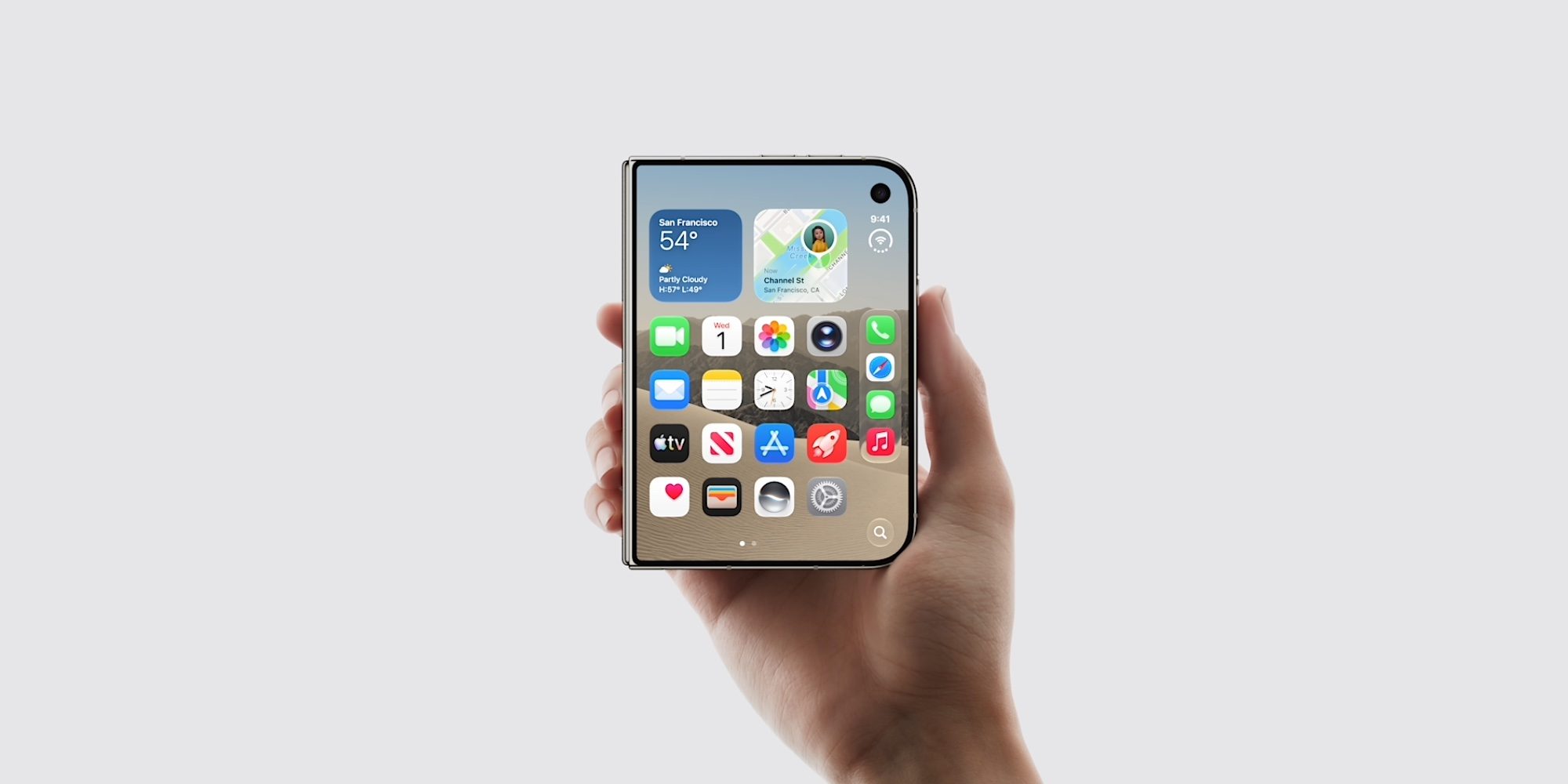
As the novelty fades, routine takes over, revealing a surprising behavioral pattern. Across a typical 48-hour period, approximately 90% of all interactions with the iPhone Duo occur exclusively on the outer display.
The inner display remains dormant for vast stretches of time. Whenever the device is consciously unfolded, it often feels less like an organic workflow choice and more like a deliberate assignment—an obligation to test the hardware’s marquee feature. Users find themselves intentionally seeking out apps to run in split-screen mode or firing up streaming video just to justify the device’s elevated price tag and physical bulk.
When confined entirely to the outer screen, compromises mount. The device is heavy for extended one-handed scrolling sessions, its width strains smaller hands, and third-party app interfaces occasionally struggle to render cleanly within the compressed outer aspect ratio. While these shortcomings do not constitute outright dealbreakers, they objectively degrade the fluid user experience long associated with Apple’s Pro-tier slab phones.
Day 6–7: The Ergonomic Friction and Lifestyle Conflict
By the end of the first week, the core paradox of the iPhone Duo comes into sharp focus: One-handed usability is fundamentally incompatible with the lifestyle requirements of many modern users.
Consider the average parent juggling toddlers: quick interactions are the currency of daily life. Checking a calendar notification, replying to a Slack message, or skipping a podcast track invariably happens while holding a child, carrying groceries, or bracing against a subway pole. In these high-motion, single-handed scenarios, unfolding a delicate foldable device is a non-starter.
Conversely, when both hands are miraculously free, the user is frequently sitting at a desk or a kitchen table in proximity to a secondary device—such as an iPad Pro paired with a Magic Keyboard. In those moments of genuine productivity or relaxed media consumption, the iPad remains the vastly superior tool. Thus, the iPhone Duo risks occupying an awkward middle ground: too heavy and cumbersome for single-handed micro-interactions, yet redundant when a true tablet or laptop is within arm’s reach.
Supporting Context & Metrics: The Ergonomic and Market Landscape
The Weight and Dimension Penalty
Engineering a foldable phone requires balancing structural integrity with structural lightness, a physics problem that remains only partially solved.
- Weight Differential: The iPhone Duo carries a noticeable mass penalty compared to its non-folding counterparts, putting strain on wrist tendons during prolonged one-handed use.
- Aspect Ratio Compromises: The exterior screen must be narrower or shorter to fit comfortably in a hand when closed, altering the keyboard ergonomics and forcing developers to continuously optimize responsive layouts for non-standard viewports.
- Durability Anxiety: Despite aerospace-grade aluminum alloys and advanced ultra-thin glass (UTG), users maintain a subconscious psychological overhead regarding drop resistance, dust intrusion, and long-term hinge longevity.
The Polarization of Early Adopters
Market metrics from early retail data reveal a heavily polarized consumer base. On platforms like Reddit, X (formerly Twitter), and tech forums, users fall into two distinct camps:
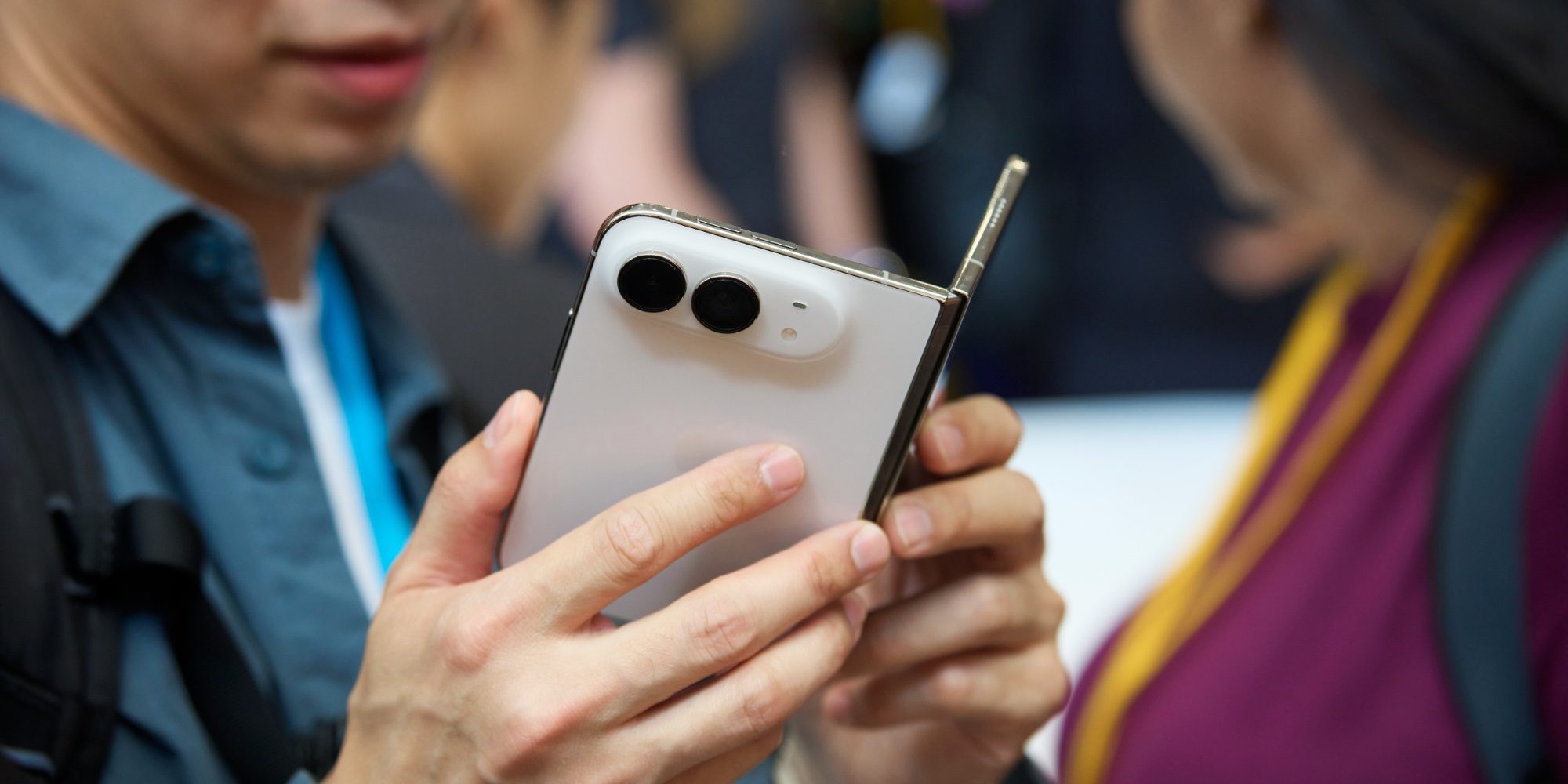
- The Foldable Converts: Power users, digital nomads, and media enthusiasts who have fully integrated the inner display into their multitasking routines, claiming they could never return to a standard smartphone.
- The Reluctant Returners: Practicalists and minimalists who purchased the Duo out of technological curiosity, only to find the friction points outweighing the benefits, leading to a steady wave of open-box returns and exchanges back to the iPhone 18 Pro lineup.
Official Statements and Industry Perspective
While Apple has historically avoided commenting directly on early review friction, executives during the initial hardware announcement emphasized that the Duo represents a foundational shift in mobile engineering.
"We aren’t just building a phone that bends; we are reimagining what an iOS canvas can achieve when physical boundaries disappear," noted a senior Apple product marketing lead during the keynote presentation. "The Duo is designed for individuals who demand versatility without compromise."
Third-party developers have echoed this sentiment, though with notes of caution. The App Store ecosystem is currently undergoing a massive wave of layout optimizations to support dynamic viewport transitions. Developers note that while building adaptive SwiftUI interfaces has become easier, ensuring a seamless, flicker-free handoff between the outer cover display and the massive inner canvas requires significant QA engineering resources.
Industry analysts suggest that the iPhone Duo is, by design, an iterative milestone. Just as the original Apple Watch or the first-generation iPad faced identity questions before finding their permanent footing in consumer culture, the first foldable iPhone is charting a roadmap for future hardware revisions.
Future Outlook: Evolution or Dead End?
Where does the iPhone Duo go from here, and what does its turbulent rollout mean for the future of mobile computing?

1. Hardware Thinning and Weight Reduction
Future iterations of the Duo series will undoubtedly focus on aggressive diet plans. As battery technology evolves—potentially through silicon-carbon anode innovations—Apple will look to shave millimeters off the closed chassis, addressing the primary physical complaint of current owners.
2. Software Intelligence and Contextual Adaptation
The key to unlocking foldables may lie less in hardware and more in predictive software. If iPadOS-style multitasking features and AI-driven context windows can automatically anticipate when a user needs the expanded display space—minimizing the manual burden of unfolding—adoption friction will naturally decline.
3. The Coexistence Era
Ultimately, the week-one reality check of the iPhone Duo suggests that foldables will not completely eradicate traditional slab phones anytime soon. Instead, the market is entering a permanent bifurcation.
For a specialized demographic of multi-taskers, the iPhone Duo is an absolute revelation. But for a vast population of users who value pocket-friendly weight, effortless single-handed ergonomics, and predictable simplicity, the traditional iPhone design remains king.
If the iPhone Duo represents the definitive future of mobile technology, humanity will adapt. But as week one draws to a close, it is equally clear that the traditional smartphone is far from obsolete, and millions of consumers will gladly stick to the tried-and-true form factors for years to come.

What has your personal experience with the iPhone Duo been like? Are you fully embracing the foldable lifestyle, or are you experiencing buyers’ remorse? Join the conversation in the comments below.