Executive Overview
The United States smartphone market is heavily dominated by a familiar duopoly. For the average American consumer walking into a carrier store or big-box retailer, the hardware choices typically begin and end with Apple’s latest iPhone or Google’s Pixel lineup, with occasional nods to Samsung’s Galaxy series. While these devices offer exceptional reliability, robust ecosystem integration, and guaranteed domestic support, they represent only a fraction of what is happening in the global mobile engineering space.
Across international markets—particularly in China, Europe, and parts of East Asia—manufacturers such as Xiaomi, OPPO, and Honor are pushing the boundaries of physical design. From ultra-thin foldables and tri-folding conceptual devices to camera systems co-engineered with historic photography brands and massive silicon-carbon batteries, overseas manufacturers are innovating at a breakneck pace. For tech enthusiasts living in the United States, the temptation to bypass domestic retail limitations and import an exclusive foreign phone has never been stronger.
However, bridging the gap between an international marketplace and a US cellular network is rarely a seamless plug-and-play experience. Importing a smartphone from abroad introduces a labyrinth of technical, logistical, and financial hurdles. Buyers must navigate potential incompatibilities with local network frequency bands, the absence of carrier-certified features like VoLTE and Wi-Fi calling, software ecosystem friction, and the near-impossibility of obtaining local warranty repair services.
This comprehensive investigation examines the multifaceted landscape of smartphone importation. We break down the crucial pre-purchase considerations, explore the enticing benefits that drive enthusiasts to take the plunge, and analyze whether the allure of exotic hardware ultimately outweighs the daily compromises of running an untethered, foreign device on US soil.
Detailed Chronology & Industry Evolution: How the Import Market Shifted
To understand why importing foreign phones has become a prevalent hobby among hardcore tech enthusiasts, one must trace the evolution of the global supply chain and hardware standardization over the past decade.
Phase One: The Fragmentation Era (Early 2010s)
In the early days of smartphones, importing a phone was a nightmare reserved for extreme hobbyists. Cellular networks operated on heavily fragmented, regional standards. A device purchased in Asia often lacked the specific CDMA or GSM bands required by US carriers like Verizon or AT&T. Furthermore, software ROMs were heavily localized, requiring users to manually flash third-party firmware—such as custom builds from communities like XDA-Developers—just to get basic English language support and access to Western app stores.
Phase Two: Global Band Harmonization (Late 2010s to 2020)
As component manufacturing centralized and LTE (Long-Term Evolution) technology matured, manufacturers began designing internal radio architectures to support a wider array of global frequency bands. During this period, brands like OnePlus built a massive international following precisely because their devices bridged the gap, offering high-end specifications at competitive prices that could often be imported or bought online with minimal network friction.
Phase Three: The Rise of the Regional Ultra-Flagship (2021–Present)
Today, while basic network compatibility has vastly improved due to standardized 4G LTE and 5G global bands, a new barrier has emerged: geopolitical and regional market strategies. Chinese original equipment manufacturers (OEMs) now routinely produce hardware that drastically outperforms domestic US counterparts in specific categories—such as folding screen crease mitigation, periscope zoom lenses, and rapid charging speeds.
Yet, due to patent disputes, high localization costs, and complex regulatory environments, many of these devices are intentionally restricted to Asian or European markets. Consequently, a thriving parallel import ecosystem has emerged, relying on specialized online exporters who ship factory-unlocked regional variants directly to US doorsteps.
Supporting Context & Technical Metrics: What You Must Know Before Buying
If you are seriously contemplating the import route, you must look past the flashy marketing renders and analyze the underlying technical realities. Importing a smartphone requires a pragmatic assessment of how hardware, carrier infrastructure, and software interact.
1. Cellular Frequency Band Compatibility
The single most critical hurdle when importing a phone is radio frequency (RF) band alignment. Even though modern chipsets (like Qualcomm’s Snapdragon series) are globally capable, manufacturers often disable specific band combinations in firmware depending on the target market to save on licensing fees or tailor the device to local telecom monopolies.
- The 5G Disconnect: US carriers utilize a complex matrix of low-, mid-, and high-band (mmWave) 5G frequencies. An imported phone may connect seamlessly to a carrier’s widespread LTE network, only to find itself entirely locked out of regional 5G bands.
- Carrier Specifics: Verizon, T-Mobile, and AT&T rely on different band portfolios. T-Mobile is generally the most forgiving for imported devices due to its extensive use of mid-band spectrum (like Band 41 and Band n41), whereas Verizon and regional operators can be much stricter regarding device whitelists.
2. Carrier-Specific IMS Features
Beyond basic data and voice connectivity, modern smartphones rely on Internet Multimedia Subsystem (IMS) profiling to deliver advanced features. These include:
- VoLTE (Voice over LTE): Crucial for placing clear voice calls as older 2G and 3G networks are sunsetted.
- Wi-Fi Calling: Essential for maintaining connectivity in buildings with poor cellular penetration.
- Visual Voicemail: A native software integration that manages voicemail visually.
Many US carriers require explicit device certification before allowing a handset to access these IMS services. An imported phone might register on the network for standard calls and texts, yet completely fail to activate Wi-Fi calling or VoLTE, leading to dropped calls and degraded service quality.
3. Software Ecosystem and Regional Firmware Friction
Software experience varies wildly depending on whether you purchase a "Global ROM" or a "China ROM" device.
- Google Mobile Services (GMS): While global variants generally include the Google Play Store out of the box, devices originally intended exclusively for the domestic Chinese market may require manual installation of Google frameworks. Even when sideloaded, push notifications and background app behaviors can be aggressively throttled by aggressive battery-management software baked into regional operating systems like ColorOS, OriginOS, or HyperOS.
- Bloatware and Localization: China-exclusive variants often ship pre-loaded with localized payment gateways, domestic app stores, and services that are entirely useless—and sometimes entirely unreadable due to localized character sets—for a US-based user. Furthermore, critical system updates may arrive erratically, as they are often tied to regional carrier rollouts rather than global schedules.
4. Warranty, Repairability, and Hardware Support
Perhaps the most punishing downside of importing a phone is the complete absence of localized customer service.
- Zero Domestic Footprint: Brands like Xiaomi, OPPO, and Honor do not maintain corporate retail or authorized repair networks in the United States.
- The Broken Screen Dilemma: If you drop your imported foldable and shatter the internal ultra-thin glass, you cannot simply walk into an authorized service center. Sourcing replacement parts requires shipping the device back across the ocean—a process fraught with customs delays, high shipping costs, and weeks of downtime—or relying on third-party repair shops that lack official components and technical documentation.
The Benefits: Why Tech Enthusiasts Still Import
Despite the undeniable hurdles, the import market remains vibrant for a reason. For power users, mobile photographers, and hardware enthusiasts, the rewards frequently outweigh the risks.
Cutting-Edge Hardware Form Factors
While US consumers have grown accustomed to iterative, incremental upgrades (such as slightly thinner bezels or marginally brighter displays), foreign brands are taking radical risks.
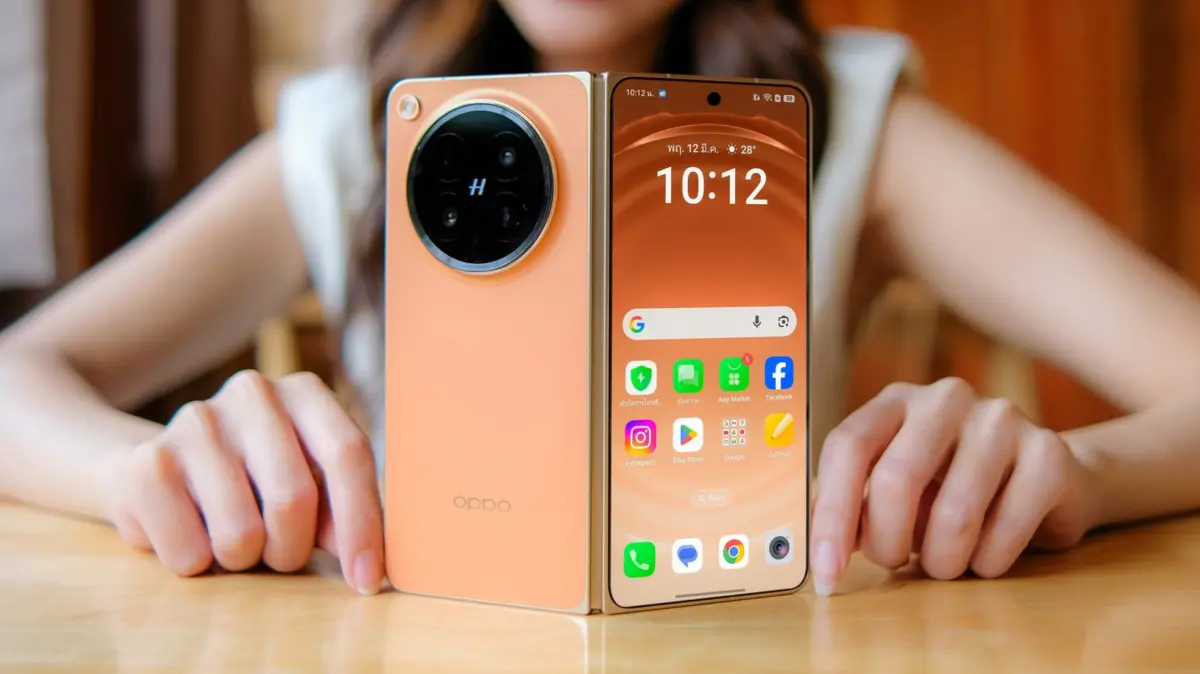
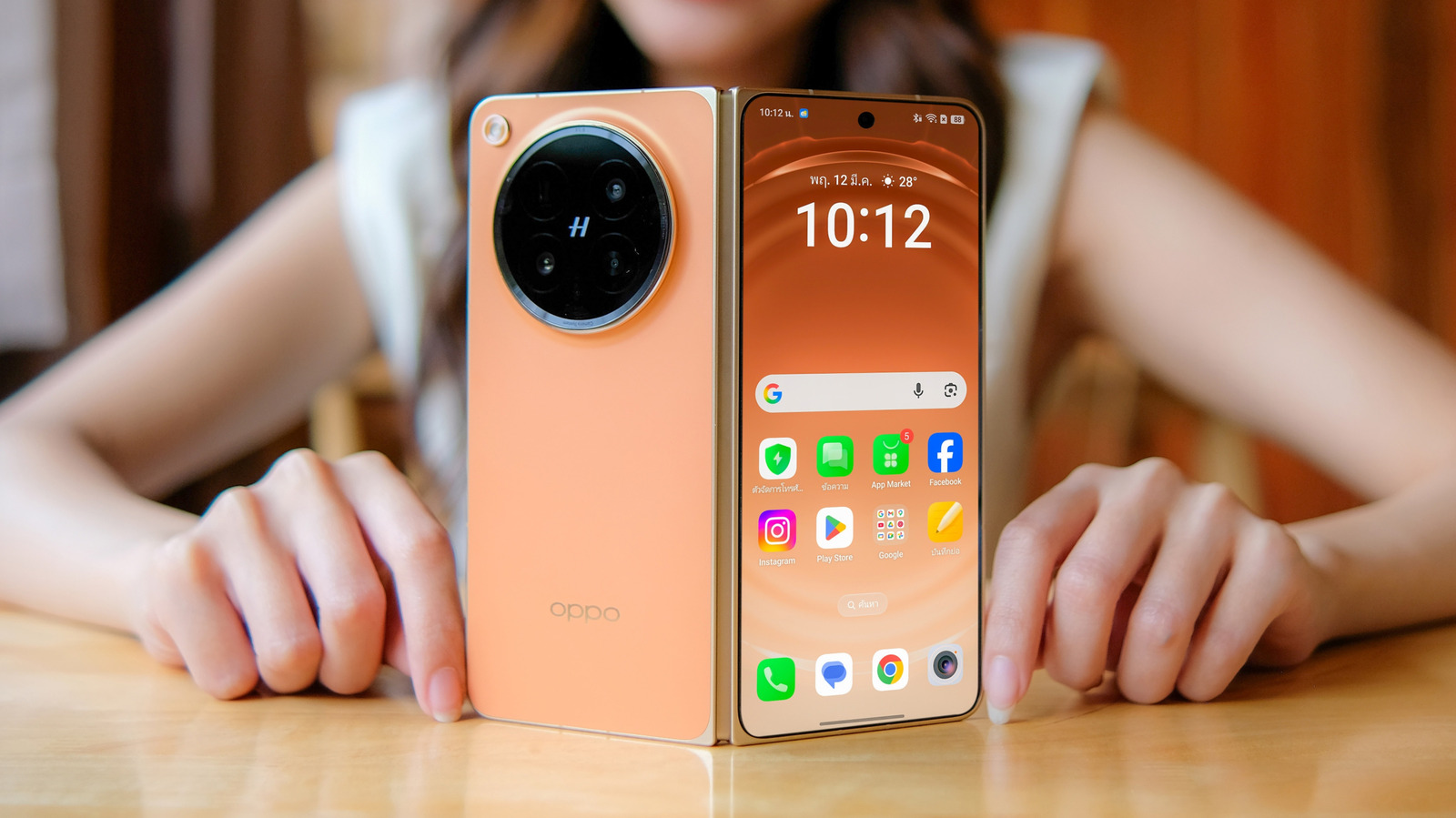
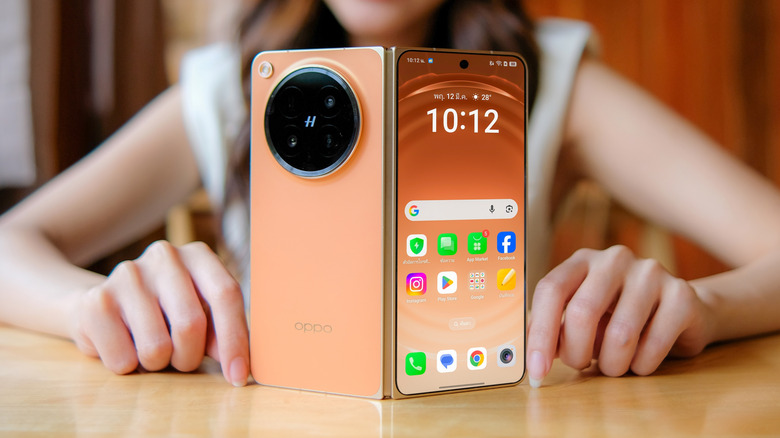
- Advanced Foldables: Devices like the Xiaomi Mix Fold series and the Huawei Mate XT (a groundbreaking tri-fold smartphone) showcase engineering marvels that make domestic foldables look bulky by comparison.
- Battery Density and Charging: International flagships routinely feature silicon-carbon battery chemistry, packing capacities well exceeding 5,000mAh into remarkably slim chassis while supporting blazing-fast wired and wireless charging speeds that dwarf anything offered by Apple or Samsung.
Superior Imaging Capabilities
Camera technology has become a primary battleground for international OEMs. Through strategic partnerships with legendary optics brands—such as Xiaomi’s collaboration with Leica, or Vivo’s partnership with Zeiss—foreign flagships often feature massive 1-inch primary camera sensors, advanced periscope telephoto lenses, and custom image-processing chips that deliver DSLR-like depth and color science directly from your pocket.

Financial Value and Dual-SIM Flexibility
- Aggressive Pricing: Many international flagships offer superior hardware specifications at a fraction of the cost of top-tier US devices. For instance, advanced foldable models launched abroad frequently retail for hundreds of dollars less than their domestic US counterparts when converted directly into USD.
- The Physical Dual-SIM Advantage: As US carriers and manufacturers aggressively phase out physical SIM card trays in favor of eSIM architectures, many international phone models proudly retain dual physical SIM slots. For frequent international travelers or professionals managing multiple lines, this hardware flexibility is an invaluable asset.
Future Outlook: Will the US Market Ever Open Up?
As the global smartphone market continues to mature, the divide between domestic and international offerings shows few signs of narrowing quickly. Geopolitical trade tensions, stringent patent enforcement landscapes, and high costs associated with building out localized regulatory compliance mean that major brands without a domestic US footprint will likely continue to treat the American market with caution.
For the foreseeable future, importing a foreign smartphone will remain a calculated gamble—an enthusiast’s pursuit reserved for those willing to trade the safety net of local warranties and guaranteed carrier compatibility for the thrill of cutting-edge hardware and unique design philosophy.
If you value peace of mind, seamless 5G integration, and the ability to walk into a local store for a screen replacement in under an hour, sticking to officially supported domestic devices remains the wisest course of action. But if you are a tech adventurer willing to troubleshoot network bands, tinker with software settings, and accept the risks of operating without a domestic safety net, the global market offers a breathtaking array of hardware waiting to be unlocked.