Executive Overview
The PC digital storefront ecosystem, dominated by Valve’s Steam, is normally subject to rigorous metadata indexing, algorithmic checks, and automated compliance vetting. Yet, systemic oversights still occur, allowing dubious software to infiltrate the marketplace. A prime example unfolded in late September when Wonder Boy in Monster Land—a seminal 1987 arcade platformer originally created by Westone Bit Entertainment and published by Sega—mysteriously surfaced on Steam for its very first official-looking PC release.
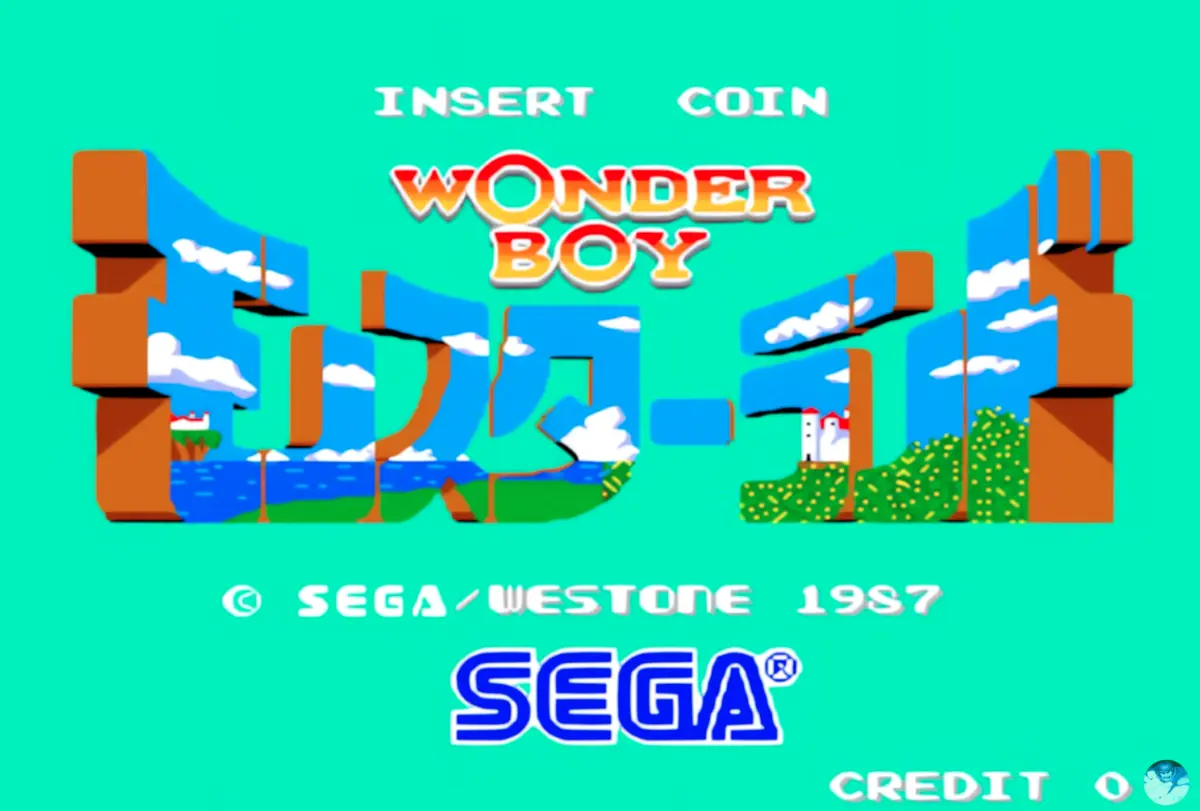
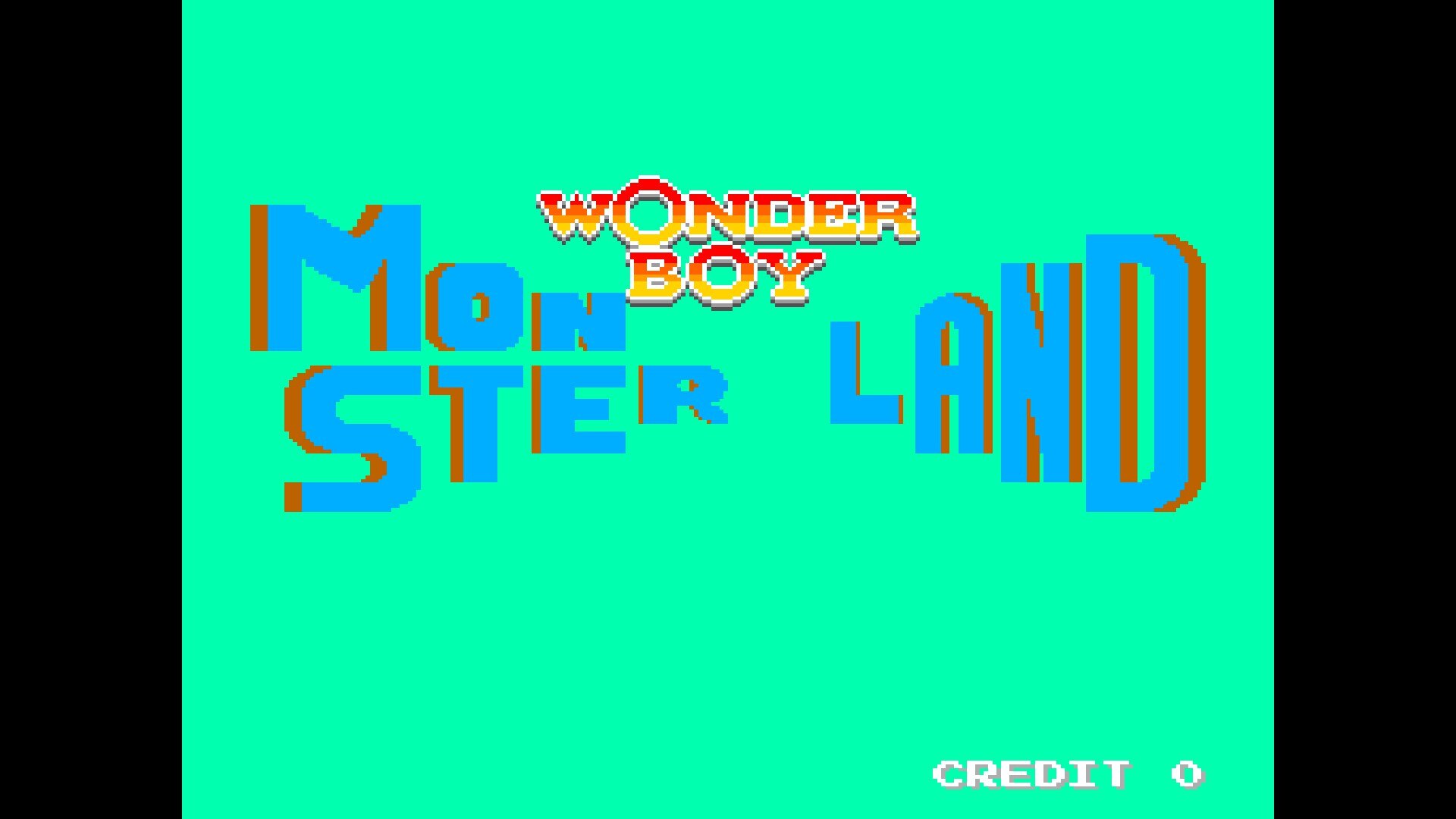
However, the debut was far from a triumphant homecoming for retro gaming enthusiasts. Closer inspection revealed a litany of red flags, from a jarring misspelling ("Wonderboy") to the developer identity of "Retro Maniac," a publisher with a remarkably thin catalog. Investigative purchases and community whistleblowers quickly unmasked the listing: it was nothing more than a packaged ROM running through the MAME arcade emulator, with Sega’s trademark opening splash screen unceremoniously stripped away.
This incident exposes deep-seated vulnerabilities in digital storefront curation, highlighting the enduring legal complexities of fragmented intellectual property (IP) rights, the phenomenon of abandoned classics, and the curious ease with which unauthorized ports can bypass automated gatekeepers in the modern era.
Detailed Chronology: From Arcade Cabinet to Dubious Digital Listing
The Historical Context
Wonder Boy in Monster Land first captured the imaginations of arcade-goers in Japan in 1987, transitioning to the Sega Master System the following year and receiving various ports to legacy hardware like the ZX Spectrum, Commodore 64, and Atari ST throughout the late ’80s. Despite its cultural impact and foundational role in shaping the action-RPG and platforming genres, the game never received an official, standalone native PC port during its heyday or subsequent decades.
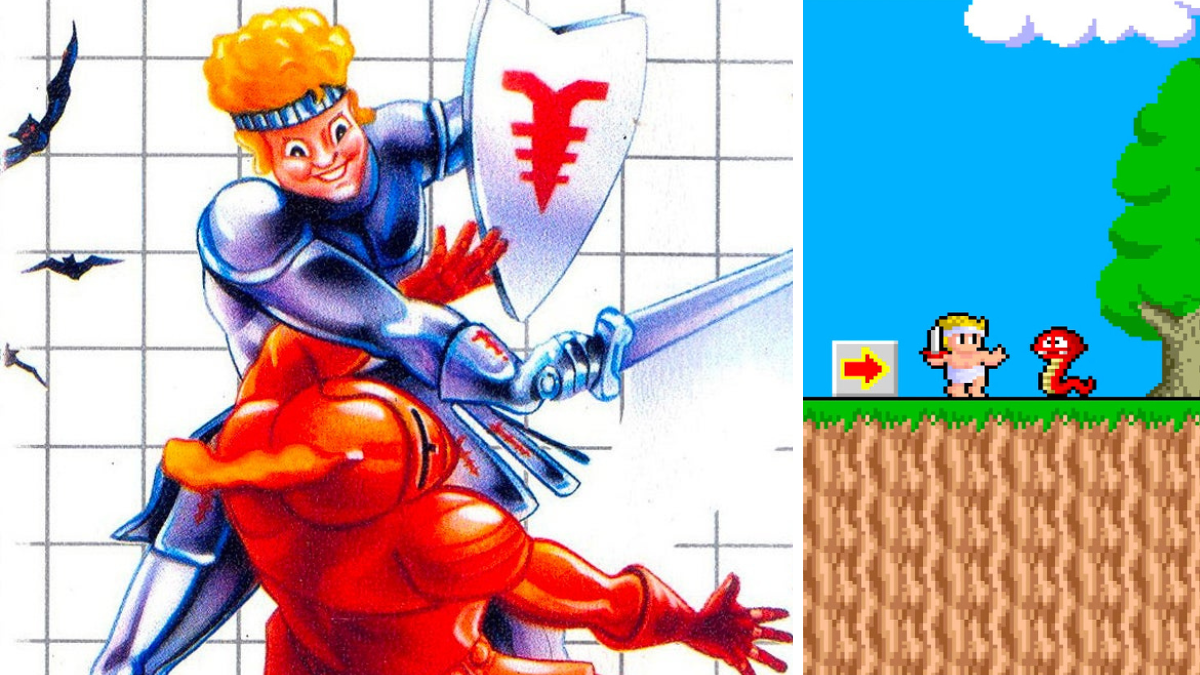
That seemingly changed on September 28, when a Steam store page for Wonderboy in Monster Land went live. Promising a long-overdue PC debut, the listing initially bypassed widespread algorithmic detection, quietly accumulating downloads—reportedly reaching upwards of 10,000 installs according to original game composer Shinichi Sakamoto—before setting off alarm bells within the retro gaming community.
Raising the Alarm
The first line of defense against marketplace fraud is rarely corporate security; rather, it is passionate community guardians. On September 28, the prominent fan-run X (formerly Twitter) account Wonder Boy Universe sounded the alarm, questioning the legitimacy of the Retro Maniac release.
Shortly thereafter, Shinichi Sakamoto weighed in publicly. Sakamoto confirmed that the Steam release was entirely unauthorized, noting the bizarre regional anomaly where the game was accessible in Western markets but blocked in Japan with a standard "This item is currently unavailable in your region" notification. Sakamoto immediately initiated removal requests, though the mechanics of copyright enforcement proved sluggish.
The Author’s Hands-On Investigation
Driven by investigative curiosity, PC Gamer’s editorial team purchased and downloaded the suspicious application to analyze its underlying architecture. The findings confirmed the community’s worst suspicions: the software was not a native PC port, nor was it a legally re-engineered remaster. Instead, it was a rudimentary wrapper housing a standard arcade ROM running within the MAME emulator.
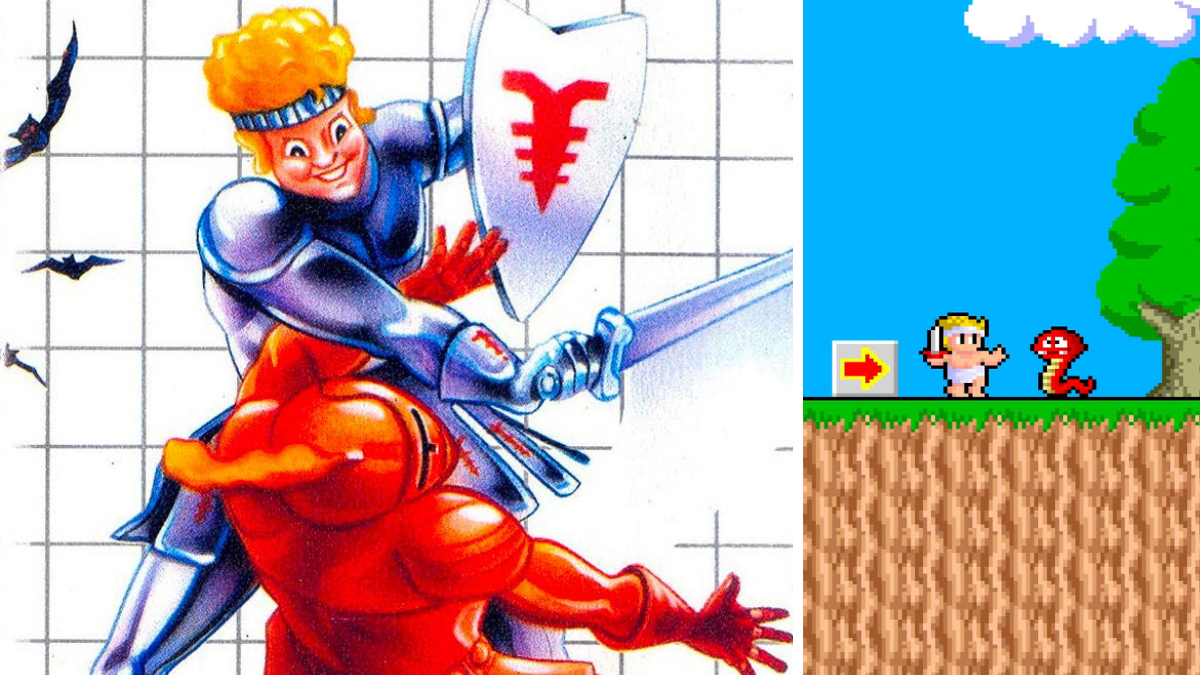
The primary structural alteration made by the uploader was cosmetic: the initial splash screen bearing the iconic Sega corporate trademark had been excised to obscure the copyright infringement. Following confirmation of its illegitimate nature, a prompt refund was requested and successfully issued, though the product page remained accessible to unsuspecting consumers for weeks.
Supporting Context & Metrics: Navigating the Legal Labyrinth of IP Rights
To understand how an unauthorized retro game can sit on Steam for weeks without immediate removal, one must examine the uniquely fractured ownership structure surrounding the Wonder Boy franchise.
The Sega vs. LAT Corp Split
The legal status of the Wonder Boy intellectual property is famously Byzantine:
- LAT Corp holds the ultimate rights to the underlying intellectual property and assets originally created by Westone Bit Entertainment.
- Sega, conversely, retains ownership of the specific trademarked name "Wonder Boy."
For any legally compliant, officially sanctioned re-release or remake to bear the Wonder Boy moniker, publishers must secure explicit licensing agreements from both rightsholders. When obtaining dual consent proves commercially unfeasible or legally deadlocked, developers often pivot.
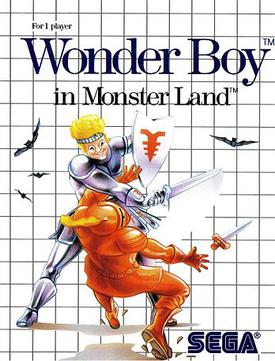
This dynamic previously birthed spiritual successors like Monster Boy and the Cursed Kingdom (2019), published by FDG Entertainment. Featuring direct creative input from series creator Ryuichi Nishizawa, the game was indisputably a Wonder Boy title in spirit and design, yet it omitted the trademarked name entirely because securing Sega’s blessing was bypassed.
Legitimate Precedents on Steam
When handled correctly, bringing a Wonder Boy title to PC is entirely viable. Notable examples include:
- Wonder Boy Returns Remix: Developed and published by CFK Co., Ltd, this official reimagining of the original arcade game involved creator Ryuichi Nishizawa and appropriately credited all underlying stakeholders in the Steam store fine print.
- Wonder Boy: The Dragon’s Trap: Developed by Lizardcube and published by Dotemu, this masterclass in modern retro remakes was released with full licensing transparency.
Against this backdrop of legitimate, highly polished adaptations, Retro Maniac’s low-effort emulator drop stands out as a brazen outlier—relying on consumer confusion, overlapping brand names (such as the American arcade localization Adventure Island), and administrative lag to monetize someone else’s labor.
Official Statements and Industry Response
The fallout from the Wonderboy incident triggered inquiries directed at both Valve and Sega, though corporate communication channels proved resistant to immediate accountability.
- Valve Corporation: Queries directed to Steam’s operator regarding their curation protocols and response times went unanswered. Under standard Digital Millennium Copyright Act (DMCA) protocols outlined in Steam’s documentation, copyright holders can file takedown notices which are typically processed within a 72-hour window. However, complex international IP disputes or vague jurisdictional claims can significantly drag out this timeline. Furthermore, Steam displays a mandatory public-facing notice on listings facing active DMCA challenges—a marker that was notably absent from Retro Maniac’s store page weeks after the controversy broke.
- Sega: Requests for comment sent to Sega’s corporate public relations departments yielded no official statements.
- The Rights Holders and Creators: Through the Wonder Boy Universe network, original creators like Shinichi Sakamoto indicated they were actively pursuing legal avenues for removal, frustrated by the friction inherent in cross-border digital copyright enforcement.
Weekly Steam Market Metrics: September 29 – October 6
While the Wonder Boy controversy captivated retro purists, the broader PC gaming marketplace continued its high-stakes commercial churn. Below is a snapshot of the top-performing titles by revenue on Steam during the peak of the incident:
| Rank | Game Title | Genre / Notes |
|---|---|---|
| 1 | Aion 2 | MMORPG (Noted for heavy free-to-play mobile monetization and mixed user reviews) |
| 2 | Counter-Stride 2 | Tactical Shooter (Perennial platform fixture) |
| 3 | Ace Combat 8: Wings of Theve | Arcade Flight Action |
| 4 | FC 27 | Sports Simulation |
| 5 | Wardogs | Action / Tactical |
| 6 | Gears of War: E-Day | Third-Person Shooter |
| 7 | Transport Fever 3 | Business Simulation |
| 8 | Wuthering Waves | Action RPG / Gacha |
| 9 | Cyberpunk 2077 | Open-World RPG (Long-tail commercial success) |
| 10 | Minecraft Dungeons 2 | Action RPG / Dungeon Crawler (Softer-than-expected launch performance) |
The chart underscores the dominant financial gravity of massive multiplayer live-service titles, with NCSOFT’s Aion 2 capturing the number-one revenue spot despite immediate consumer pushback regarding aggressive monetization models and suspected utilization of generative AI assets. Conversely, major franchise offshoots like Minecraft Dungeons 2 charted lower than anticipated, reflecting shifting consumer appetites on PC compared to console ecosystems.
Future Outlook: The Ongoing Vulnerability of Digital Storefronts
The Wonderboy in Monster Land Steam debacle serves as a cautionary tale for the contemporary digital games industry. It illuminates several systemic realities that will continue to challenge platforms, publishers, and consumers alike:
- The Abandonware Vacuum: When major publishers fail to maintain accessible, legal purchasing pathways for their historical catalogs—such as Sega’s removal of the SEGA Mega Drive and Genesis Classics collection in 2024—they inadvertently create a vacuum. Unscrupulous actors routinely step in to fill this market demand, exploiting consumer nostalgia.
- Automated Curation Limits: As storefronts scale to ingest thousands of independent titles weekly, automated vetting struggles to differentiate between legitimate indie developers, authorized retro publishers, and bad-faith actors repackaging open-source emulation ROMs.
- The Need for Streamlined Enforcement: Independent creators and legacy composers should not have to rely on viral social media campaigns and grassroots reporting to flag glaring copyright violations on multi-billion-dollar distribution networks.
Until platform holders like Valve implement more stringent pre-publication audits for classic IP releases—or major publishers actively curate their legacy libraries to price out predatory opportunists—rogue listings will continue to slip through the cracks, leaving consumers to navigate a digital wild west of questionable provenance.