The PC digital storefront ecosystem has long grappled with the invisible frictions of intellectual property fragmentation, abandoned classics, and storefront oversight. However, a recent incident on Valve’s Steam platform has highlighted a remarkably brazen oversight in digital distribution security: the unhindered appearance and monetization of a seemingly unauthorized, barebones arcade ROM distribution masquerading as an official release.
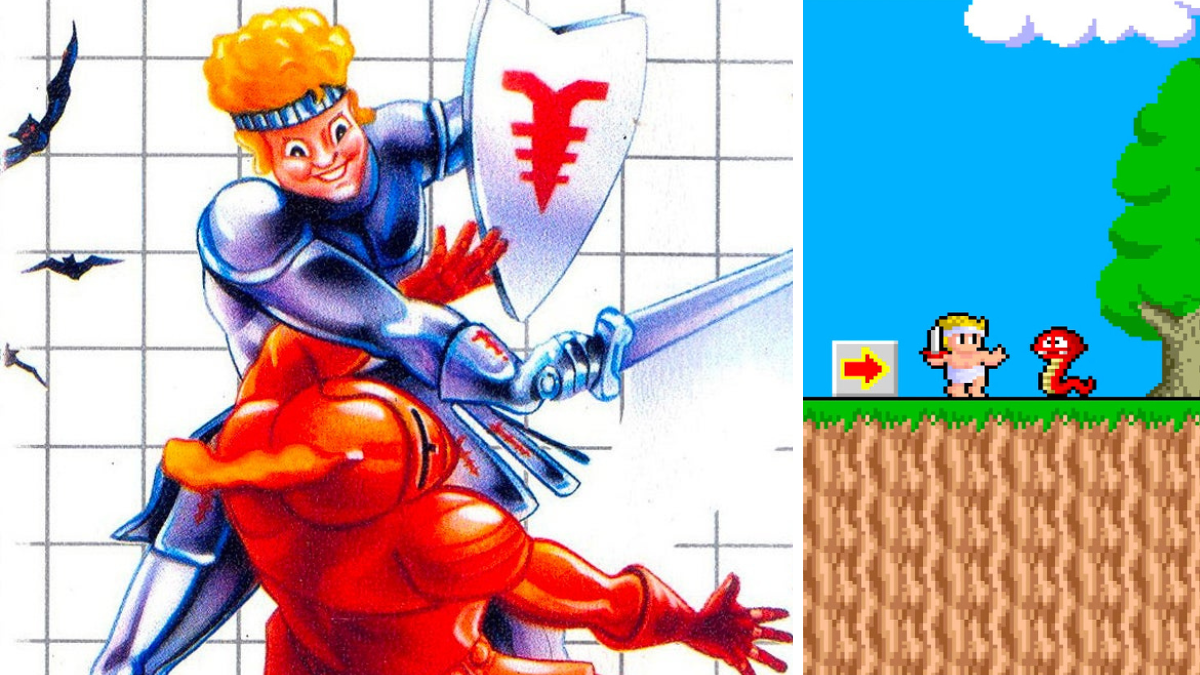
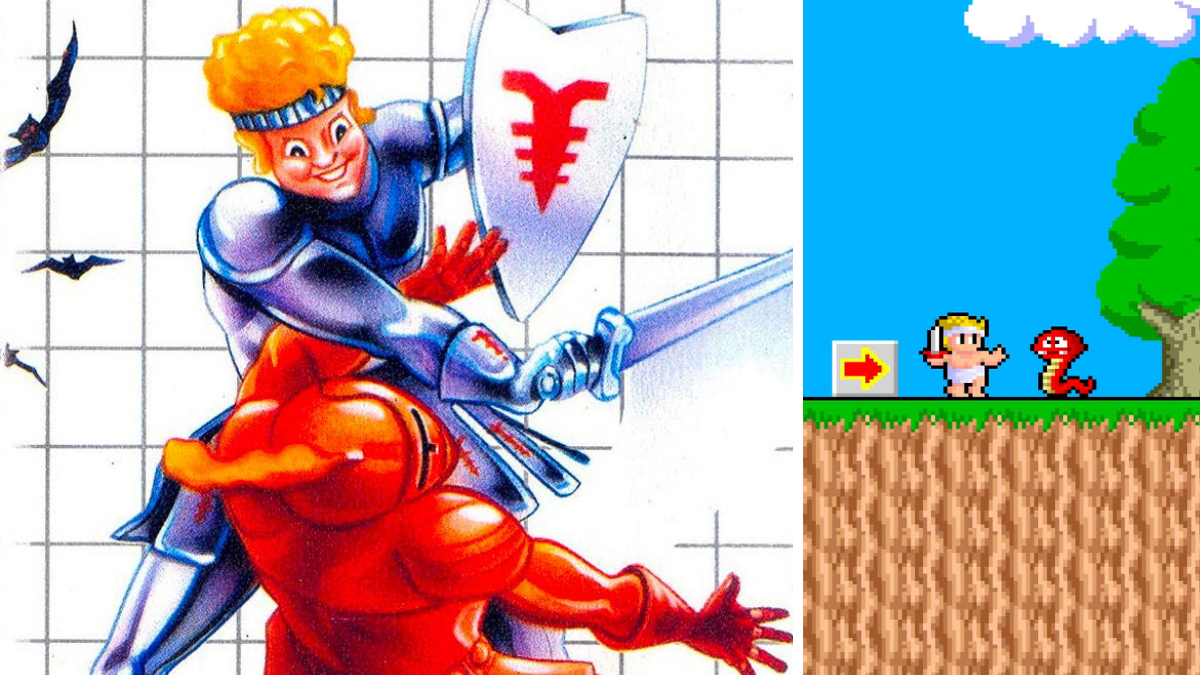
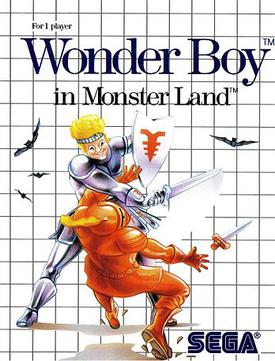
On September 28, the retro gaming community was startled by the unexpected arrival of Wonderboy in Monster Land on Steam. Originally launched by Westone Bit Entertainment in Japanese arcades in 1987 and ported to the Sega Master System a year later, the influential platforming-RPG hybrid had famously never received an official, direct PC port in its nearly four-decade history. Naturally, this sudden release should have sparked widespread jubilation among retro enthusiasts. Instead, it raised immediate, glaring red flags.
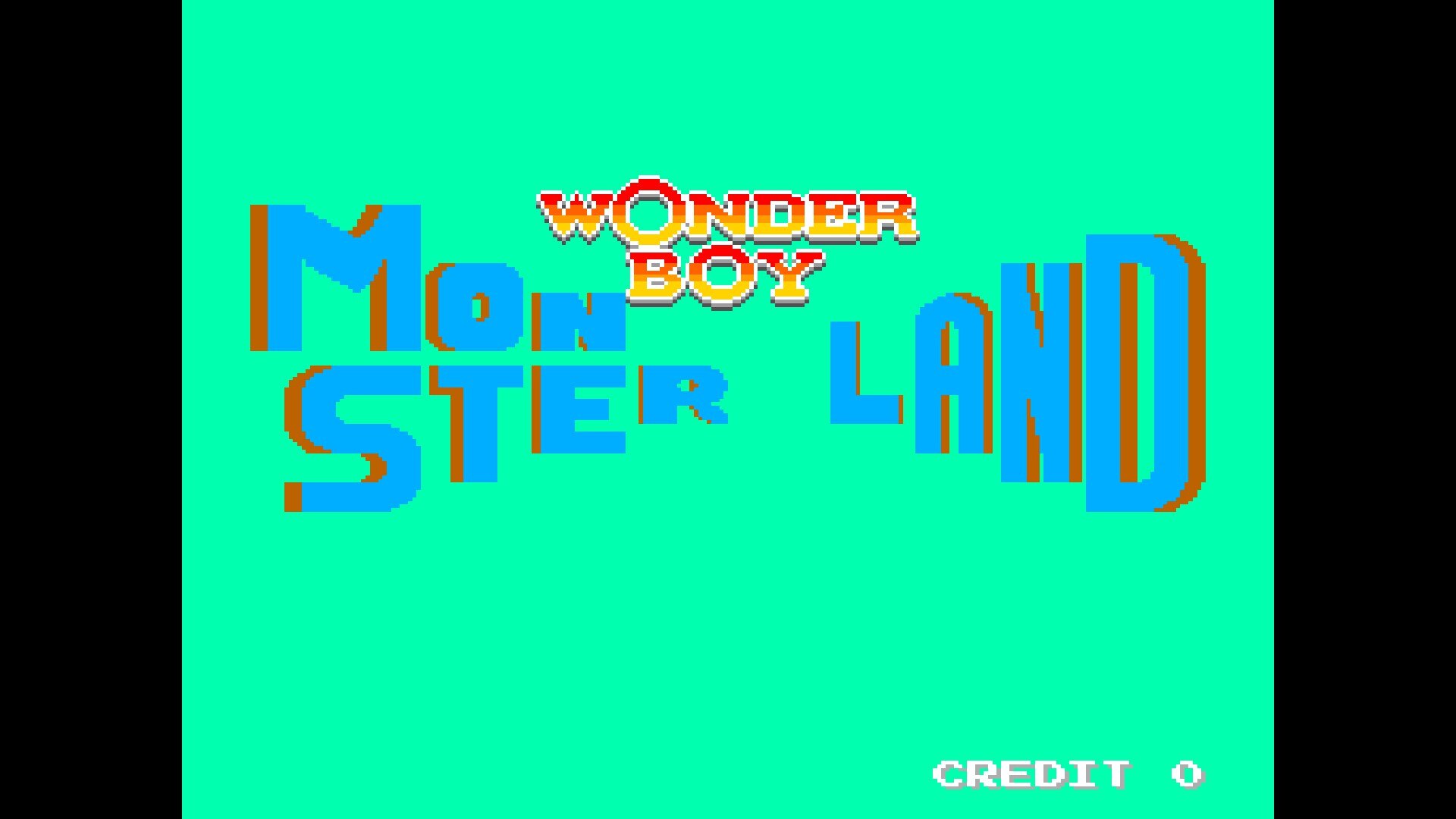
Listed by a mysterious entity known as "Retro Maniac"—whose sole prior Steam publication was an arcade port of Data East’s 1994 Street Hoop—the store page featured a rookie typographical error: "Wonderboy" instead of the canonical "Wonder Boy." More critically, investigative purchases and subsequent community forensics revealed that the software was nothing more than an unedited arcade ROM running quietly inside the MAME emulator, with only a foundational Sega copyright splash screen stripped out to evade automated detection.
This case study unpacks how a classic relic of 1980s gaming slipped past digital gatekeepers, the labyrinthine copyright split that complicates the franchise’s ownership, the regulatory and procedural lag of platform-holder enforcement, and what this episode reveals about the enduring vulnerability of PC storefronts to unauthorized retro exploitation.
Detailed Chronology: The Rise and Stall of the "Retro Maniac" Port
The sequence of events leading up to the public unmasking of the suspicious Steam listing unfolded rapidly over the course of late September, drawing immediate scrutiny from dedicated archivists, original creators, and curious consumers alike.
September 28: The Silent Drop
Without prior press releases, publisher announcements, or marketing campaigns, Wonderboy in Monster Land quietly materialized on Steam. Priced for consumption by nostalgic PC gamers, the listing promised the authentic arcade experience of a title that shaped the action-RPG genre. Almost immediately, eagle-eyed observers noted structural irregularities on the store page. Beyond the misspelling in the title, the developer and publisher credentials—Retro Maniac—held no official affiliation with the franchise’s historical lineage.
Almost concurrently, the alarm was sounded by the community-run Wonder Boy Universe fan account on X (formerly Twitter). Warning followers against purchasing the unverified software, the account initiated an informal investigative effort into the legitimacy of the product.
September 29: Creator Intervention and Community Forensics
The controversy gained international traction when original game composer Shinichi Sakamoto publicly weighed in on the platform. Sakamoto confirmed that the release was entirely unauthorized, noting that the product had already amassed an estimated 10,000 downloads on Steam despite an unusual geographic restriction: users attempting to access the store page from Japan were greeted with an error message stating, "This item is currently unavailable in your region." Sakamoto stated his intent to pursue formal removal procedures.
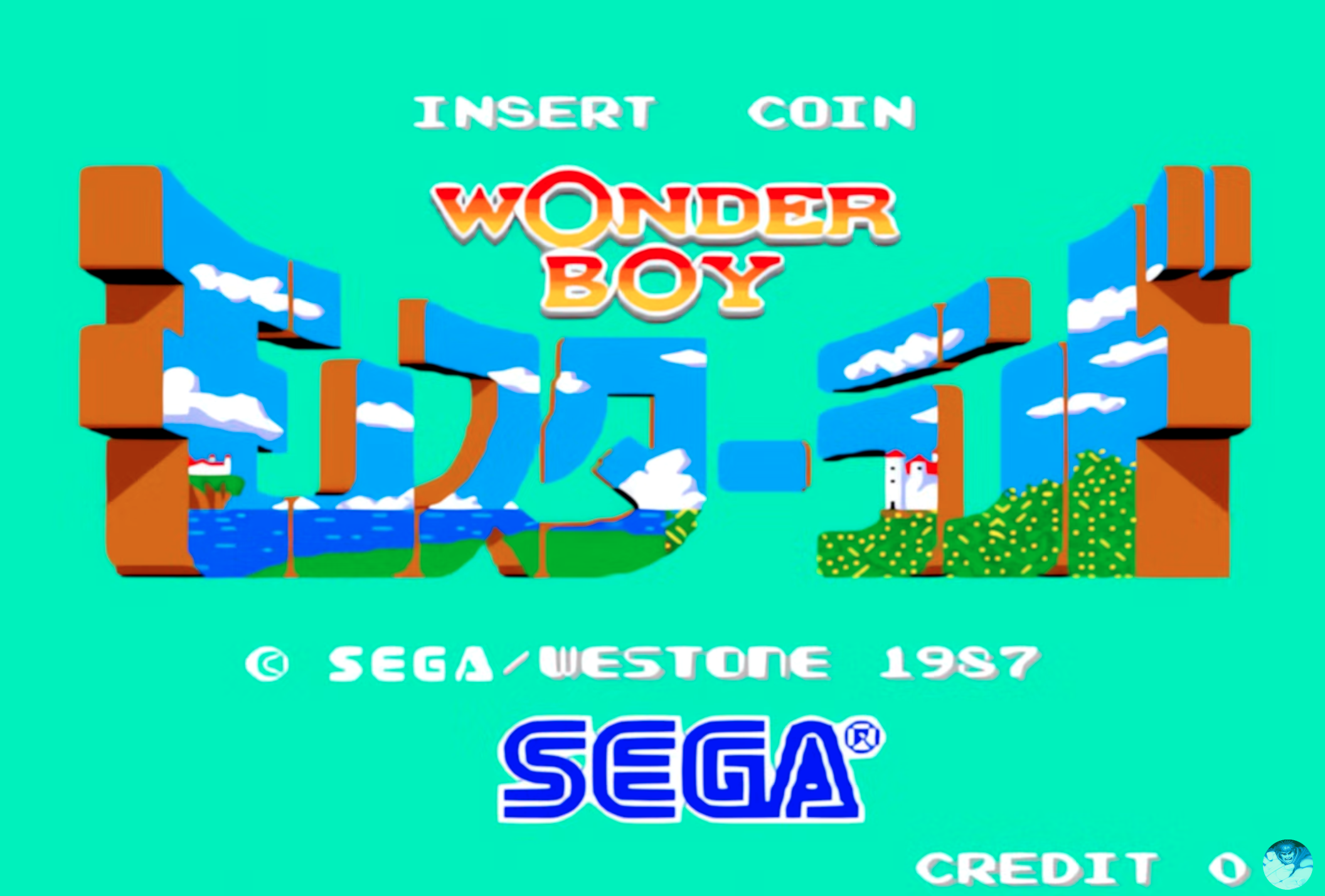
Driven by professional curiosity, industry journalists and technical sleuths purchased, tested, and subsequently refunded the application. Digital forensics confirmed that the executable package was simply a standard arcade ROM coupled with the MAME (Multiple Arcade Machine Emulator) runtime environment. Visual comparisons between authentic arcade boot sequences and the Retro Maniac release revealed a single deliberate modification: the complete excision of the original Sega copyright splash screen to minimize blatant infringement indicators.
Despite these revelations, as of early October, the listing remained active on Steam, thrusting platform holder Valve’s moderation response times and DMCA protocol transparency back into the spotlight.
Supporting Context & Metrics: The Labyrinth of Wonder Boy Rights
To understand how such an oversight could occur, one must first examine the uniquely convoluted legal history surrounding the Wonder Boy intellectual property—a web of corporate handshakes, trademark divisions, and spiritual successors that has confused consumers for decades.
The IP Split: LAT Corp vs. Sega
The root of the licensing confusion lies in a fragmented division of assets established decades ago.
- LAT Corp currently holds the legal rights to all intellectual property and original assets once belonging to Westone Bit Entertainment, the visionary studio behind the core Wonder Boy series.
- Sega, conversely, owns the global trademark for the Wonder Boy name itself.
Consequently, any legitimate re-release bearing the official title requires explicit consent and licensing coordination from both parties. Securing approvals from two distinct corporate entities creates an administrative bottleneck that has historically stalled clean re-releases of the franchise on modern platforms.
Precedents of Legitimate Porting and Spinoffs
This dual-ownership dynamic explains why authorized modern iterations often navigate branding creatively:
- Wonder Boy Returns Remix: Developed and published by CFK Co., Ltd., this remake of the original game involved series creator Ryuichi Nishizawa and carried official licensing, duly noted in the fine print of its Steam requirements.
- Wonder Boy: The Dragon’s Trap: Developed by Lizardcube and published by Dotemu, this celebrated 2017 remake of the 1989 Master System classic was fully licensed, preserving franchise integrity through meticulous modern development.
- Monster Boy and the Cursed Kingdom (2019): Published by FDG Entertainment with Nishizawa heavily involved, this spiritual successor omitted the "Wonder Boy" moniker entirely because the publisher could not secure the Sega trademark license, opting instead to build upon the alternate Monster World nomenclature.
Compounding this confusion is the historical quirk of localization: the original arcade version of Wonder Boy was licensed to Hudson Soft and released in North America as Adventure Island, spawning an entirely parallel, long-running franchise completely divorced from Sega’s oversight.
Weekly Steam Revenue Metrics
While the Wonder Boy controversy dominated enthusiast forums, the broader digital marketplace continued its relentless commercial march. Industry data tracking top-grossing titles on Steam for the week of September 29 to October 6 highlighted the dominance of massive live-service and heavily anticipated releases:
| Rank | Game Title | Category / Notes |
|---|---|---|
| 1 | Aion 2 | MMORPG launch; mixed user reviews citing deep mobile-style monetization. |
| 2 | Counter-Strike 2 | Persistent tactical shooter stalwart. |
| 3 | Ace Combat 8: Wings of Theve | High-altitude flight action sequel. |
| 4 | FC 27 | Annual sports simulation franchise. |
| 5 | Wardogs | Competitive action title. |
| 6 | Gears of War: E-Day | Franchise prequel debut. |
| 7 | Transport Fever 3 | Simulation and logistics management. |
| 8 | Wuthering Waves | Open-world action RPG. |
| 9 | Cyberpunk 2077 | Ongoing evergreen RPG performer. |
| 10 | Minecraft Dungeons 2 | Cooperative dungeon crawler spin-off. |
The sluggish performance of Minecraft Dungeons 2—landing only at number ten during its debut week—alongside the mixed reception greeting Aion 2’s aggressive monetization strategies, underscore a volatile market where brand recognition alone no longer guarantees unconditional consumer approval.
Official Statements & Industry Reactions
The emergence of the unauthorized port has drawn sharp critiques from key stakeholders, exposing systemic gaps in how independent developer verification functions on mainstream PC storefronts.
Shinichi Sakamoto’s public outcry via social media served as the catalyst for institutional awareness. Sakamoto emphasized the injury inflicted upon original creators when third-party actors commercialize historical artistry without authorization or compensation. His observation that the game was deliberately region-locked out of Japan—presumably to evade detection by domestic rights holders intimately familiar with the IP—highlights a calculated strategy of evasion by the listing entity.
Legal experts and digital rights commentators have pointed out that while mobile app stores (such as Apple’s App Store and Google Play) have historically struggled with waves of low-effort emulator wrappers and ROM resale scams, major PC storefronts like Steam are generally assumed to maintain more rigorous vetting standards.
When queried regarding the listing status, representatives from Valve and Sega did not issue immediate public statements. Under standard Steam procedures, formal DMCA takedown requests require up to 72 hours—or considerably longer in complex cross-border ownership scenarios—before a public-facing compliance notice ("A DMCA takedown notice has been filed on this item") is appended to the store page. As of this writing, that notice has yet to appear, leaving the questionable software accessible to unsuspecting buyers.
Future Outlook: The Ongoing Vulnerability of Digital Archives
The Wonderboy in Monster Land incident serves as a cautionary tale for both platform holders and digital preservationists. It underscores a persistent systemic irony in the modern video game industry: while multi-billion-dollar publishers frequently leave their classic catalogs trapped in legal purgatory—failing to provide accessible, modern, legal pathways to purchase abandonware-adjacent titles—opportunistic actors step into the vacuum.
For consumers, the episode reinforces the necessity of digital literacy when navigating storefronts saturated with asset flips, AI-generated art, and unverified emulation packages. For Valve, LAT Corp, and Sega, the event acts as an urgent reminder to streamline rights management and tighten automated metadata screening to prevent unauthorized actors from profiting off gaming heritage.
Until major rightsholders adopt proactive catalog availability policies, incidents involving rogue ROM distributions will likely continue to exploit consumer nostalgia, keeping the retro community locked in a perpetual state of vigilance.