Executive Overview
Snow-capped peaks, lush emerald meadows, heavy brass cowbells chiming in the crisp morning air, and rustic wooden Alpine huts. Over the past few years, these quintessential pastoral scenes have maintained a vice-like grip on our digital feeds. It seems as though overnight, everyone—from seasoned outdoor athletes to the neighbor’s golden retriever—has transformed into a hardcore mountaineer. Armed with high-tech Gore-Tex membranes, trekking poles, and a penchant for cracking open a refreshing Almdudler soda at dizzying altitudes, the modern urbanite has taken to the hills.
Yet, this sudden mass migration from asphalt to apex raises a cultural and sociological question: When did everyone suddenly get the calves for this, and more importantly, why are we all trading the concrete jungle for the actual one?
The answer is multifaceted, rooted in a collective yearning for authenticity, physical grounding, and a digital detox packaged as an aesthetic adventure. Hiking has evolved from a niche hobby reserved for hardened outdoor traditionalists into a mainstream lifestyle movement. It represents a sanctuary from perpetual connectivity, a form of accessible athleticism, and an arena for profound personal transformation.
This article explores the modern hiking phenomenon, dissecting the psychological drivers behind our obsession with elevation, the physiological benefits of hitting the trail, and how major brands like adidas TERREX are capitalizing on this cultural shift by merging outdoor endurance with mental coaching and female empowerment.
Detailed Chronology: From Fringe Pastime to Mainstream Obsession
To understand how hiking conquered contemporary culture, one must trace its recent trajectory. The seeds of this movement were planted during periods of global confinement and societal hyper-digitalization. As everyday life migrated entirely behind glass screens, the human psyche began to crave tactile realities—dirt under fingernails, wind in the hair, and horizons unobstructed by architectural skylines.
Phase 1: The Micro-Adventure Era (2020–2021)
When international travel ground to a halt, populations rediscovered their immediate surroundings. "Micro-adventures" became the buzzword of the travel industry. People who had never ventured beyond city limits started exploring local nature reserves, regional parks, and overlooked hillsides. The barrier to entry was remarkably low: all one needed was a pair of sturdy sneakers and an itch to escape the four walls of home.
Phase 2: Aestheticization and the Social Media Feed (2021–2023)
As outdoor exploration gained traction, it inevitably intersected with digital culture. Platforms like Instagram and TikTok were flooded with high-definition, sun-drenched vistas and cinematic reels of hikers sipping coffee from enamel mugs at sunrise. Hiking was no longer just a physical activity; it was an aesthetic. Brands recognized this shift instantly. Technical outerwear transitioned from functional mountain gear to high-fashion streetwear (a phenomenon known as "gorpcore").
Phase 3: The Holistic Wellness Movement (2023–Present)
Today, hiking has transcended mere aesthetics to become a pillar of holistic self-care. It is no longer just about getting a good photo for the grid; it is about mental clarity, community building, and physical self-reliance. The modern trail is a gymnasium without walls, a therapist’s office in the clouds, and a community center for those seeking deeper connections with themselves and others.
Supporting Context & Metrics: Why We Trek
The mass appeal of hiking is built on a foundation of distinct physical, mental, and logistical advantages that few other sports can match.
Accessibility Meets Affordability
Unlike skiing, golf, or cycling, which demand substantial financial investments in specialized equipment and lift passes, hiking is fundamentally democratic. In its purest form, it requires nothing more than two functional legs and an open trail. In most regions, public access to nature is entirely free. Whether you are a wide-eyed novice or a seasoned trekker whose backpack resembles an archaeological dig site, the mountains welcome everyone equally.
The Micro-Adventure Revolution
You do not need to wake up like Heidi every morning to alpine cowbells in the Swiss Alps to experience the restorative power of nature. Modern hiking thrives on accessibility. Through weekend getaways and day trips, individuals can escape urban centers and immerse themselves in unknown regional landscapes sustainably.
Germany, for instance, boasts breathtaking ecosystems just hours away from major metropolises—mystical rock formations, cascading waterfalls, enchanted forests, and endless vistas over sprawling valleys. These are the very landscapes that inspired the great painters of German Romanticism, and today, they offer contemporary urbanites a canvas for their own reflections.
The Physics and Psychology of the Ascent
From a physiological standpoint, hiking delivers a phenomenal workout. It engages the glutes, quads, hamstrings, and core while testing cardiovascular endurance. Yet, unlike working out in a sterile gym surrounded by iron benches and mirrors, hiking strips away artificial distractions. There is no equipment to hide behind. There is only the rhythmic cadence of footsteps, the solid slope beneath your boots, and the burning sensation in your lungs as the air thins. Your body performs an immense feat of endurance to propel you higher.
Mentally, this physical exertion triggers a powerful psychological reward system. Reaching the summit brings an unparalleled wave of euphoria. Ripping open a seating mat for a well-deserved snack break while gasping for air and grinning uncontrollably is a universally bonding experience. It is a moment of pure, unadulterated pride in one’s physical and personal capabilities.
Furthermore, hiking serves as a masterclass in mental resilience. It forces us to confront discomfort, push through fatigue, and consciously choose our next step. These micro-decisions—how to pace oneself, when to rest, how to marvel at beauty rather than rush past it—build cognitive frameworks that translate directly back into professional and personal life.
Official Statements and Industry Alignment: The adidas TERREX Initiative
Recognizing the profound synergy between outdoor physical endurance and mental fortitude, forward-thinking brands are shifting their marketing strategies toward experiential empowerment. A prime example of this evolution is the initiative taken by adidas TERREX.
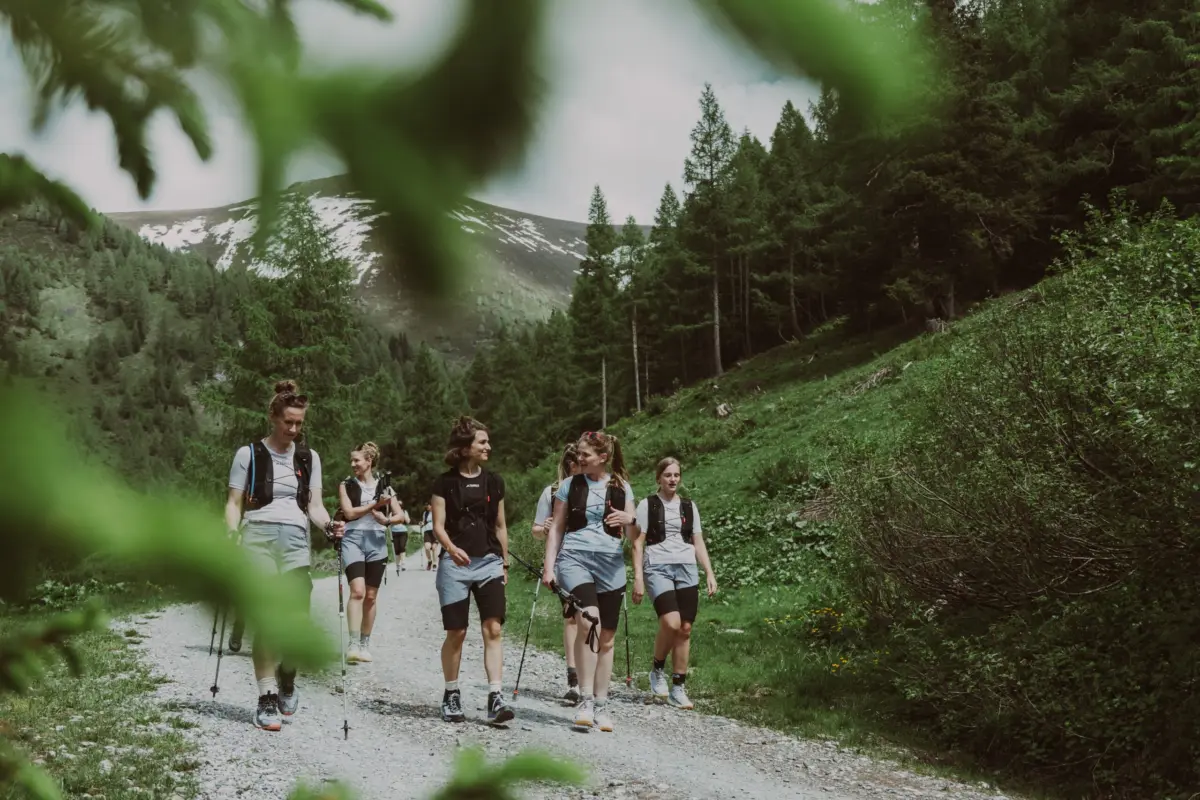
Understanding that outdoor sports are as much an internal journey as an external one, adidas TERREX launched specialized campaigns designed to support outdoor enthusiasts in pushing past their limits. A notable iteration of this philosophy was the exclusive ‘adidas TERREX Design Your Life’ Hiking Days, held along one of Germany’s most breathtaking trails: the Malerweg (Painter’s Way) in the Elbe Sandstone Mountains.
This immersive event was engineered specifically for women seeking to combine physical endurance with personal development. By merging guided coaching sessions with rigorous alpine treks through mystical rock formations and deep green forests, the brand addressed the core psychological pillars of modern hiking: self-discovery, decision-making, and community building.
The Anatomy of an Empowering Experience
Programs like Design Your Life demonstrate how modern brand activations are moving away from passive product consumption toward active lifestyle integration. Participants were not merely tested on their physical stamina over 500 to 600 meters of elevation gain and 6-to-7-hour daily hikes; they were guided through workshops focused on:
- Unlocking internal potential and identifying personal roadblocks.
- Making empowered decisions to actively shape their futures.
- Fostering genuine connections with a community of like-minded outdoor enthusiasts.
By covering comprehensive accommodations at the historic Berghotel Bastei, providing complete nutritional support, and equipping participants with premium gear packages valued at approximately €1,000, initiatives of this caliber underscore a growing industry consensus: the future of outdoor retail lies in experiential empowerment.
Future Outlook: Where the Trail Leads Next
As we look toward the future of outdoor recreation, several clear trends emerge. The hiking boom shows no signs of deflation; rather, it is maturing.
1. Inclusivity and Community-Led Exploration
The image of the solitary mountaineer is rapidly being replaced by inclusive, community-driven groups. Organizations, brand-sponsored workshops, and grassroots meetups are breaking down historical barriers to entry, ensuring that women, people of color, and urban demographics feel welcomed and safe in wilderness spaces.
2. Sustainable Tourism and Leave-No-Trace Ethics
With increased trail traffic comes ecological responsibility. The future of hiking will necessitate a stronger emphasis on sustainable travel, local conservation efforts, and strict adherence to "Leave No Trace" principles. As more city-dwellers discover the healing power of regional forests and peaks, protecting these sanctuaries will become paramount.
3. The Mind-Body Integration
The boundary between wellness retreats and outdoor adventure will continue to blur. The modern hiker is seeking holistic transformation—combining physical cardiovascular conditioning with mindfulness, mental health coaching, and digital detachment.
Ultimately, the great alpine renaissance is more than a fleeting social media trend. It is a cultural recalibration. By stepping onto the trail, we step away from the noise of modern existence and reconnect with something ancient and enduring. Whether scaling a towering peak in full technical gear or taking a Sunday afternoon stroll through a misty local forest, we are searching for the same thing: the space to breathe, the strength to climb, and the clarity to see our lives from a higher vantage point.