By Investigative Staff
Published May 24, 2025
Executive Overview
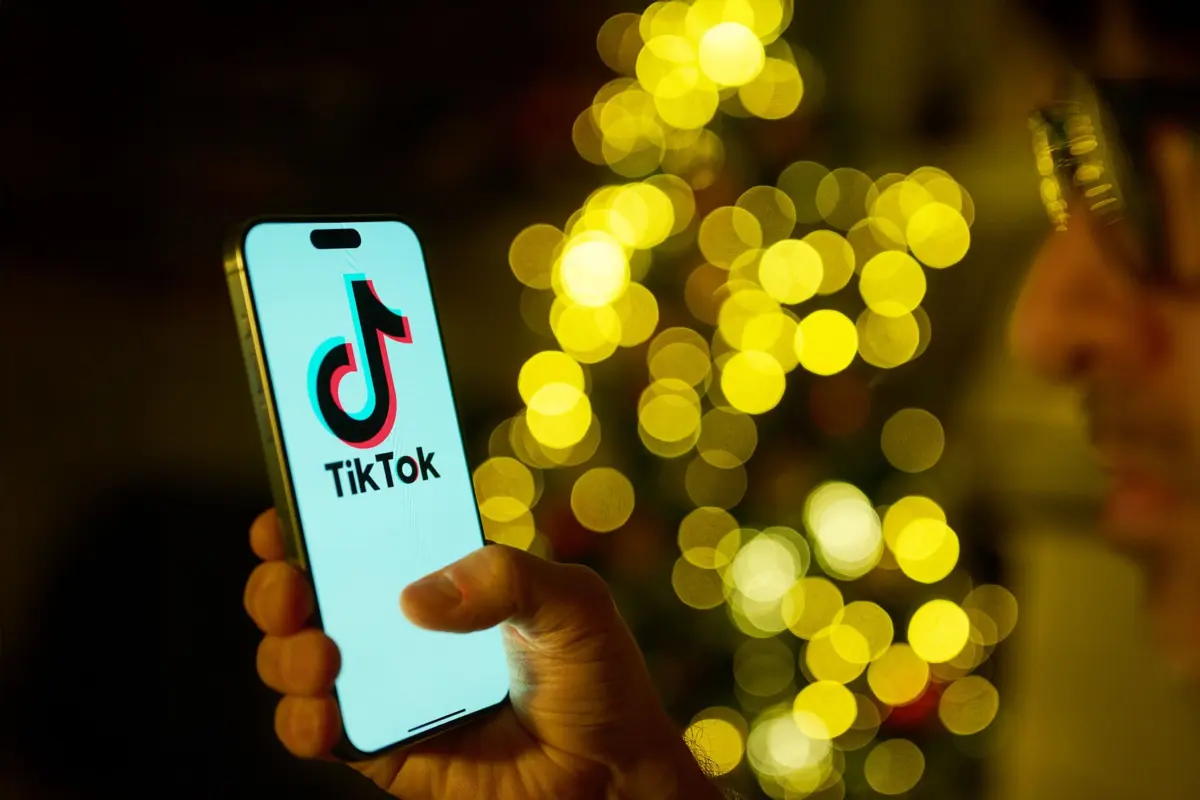
In the modern landscape of American politics, few digital platforms have evoked as much bipartisan panic, legislative maneuvering, and national security hand-wringing as TikTok. Over the past three years, more than 30 U.S. states have enacted sweeping bans prohibiting state employees and agencies from downloading or using the short-form video application on government-issued devices. Governors have stepped before banks of microphones to warn of foreign espionage, data harvesting, and the insidious reach of Beijing-based parent company ByteDance.
Yet, peel back the layers of executive orders and legislative mandates, and a glaring paradox emerges. Many of the very same state governments that have criminalized or restricted the application on official state hardware continue to maintain active, highly funded, and frequently updated accounts through their official tourism boards.
From the sun-drenched beaches of Florida to the sprawling highways of Texas and the rugged mountain passes of Montana, state-funded agencies charged with driving economic development and boosting local hospitality industries are happily dancing to the beat of the TikTok algorithm. They are leveraging viral trends, influencer partnerships, and localized challenges to market state parks, roadside oddities, and vacation destinations to Gen Z and Millennial travelers.
This deep institutional contradiction highlights a profound friction point in contemporary governance: the ideological war against a perceived foreign cyberthreat colliding head-first with the cold, hard economic realities of modern destination marketing. When political posturing meets the relentless pursuit of tourism dollars, security warnings routinely take a back seat to a high-performing digital marketing funnel.
Detailed Chronology: The Escalation of the TikTok Crackdown
To understand the full magnitude of this disconnect, one must trace the timeline of how TikTok transformed from a harmless entertainment app into the centerpiece of a geopolitical crisis.
2020–2021: Early Warnings and the India Precedent
The initial scrutiny surrounding TikTok began during the Trump administration, driven by concerns over data privacy and foreign influence. While a series of federal executive orders attempted to force a sale or ban the platform, legal challenges blocked those initial efforts. However, international actions—most notably India’s sweeping ban of TikTok and dozens of other Chinese apps in mid-2020—demonstrated that government-enacted bans on popular social media platforms were entirely within the realm of modern political possibility.
2022: The State-Level Domino Effect
As federal gridlock persisted, statehouses across the United States decided to take matters into their own hands. Late 2022 marked a massive inflection point. Governors across the political spectrum began issuing executive directives banning TikTok from government-owned smartphones, laptops, and tablets.
- Texas: Governor Greg Abbott led the charge, framing TikTok as a direct pipeline for data collection that "offers this trove of potentially sensitive information to the Chinese government."
- South Dakota, Maryland, and South Carolina: Governors quickly followed suit, expanding restrictions to encompass not just state-issued devices, but in some cases, vendors and contractors doing business with the state.
- By the end of 2022: More than 15 states had implemented some form of ban on government devices, setting the stage for a nationwide patchwork of restrictions.
2023: Expansion and Institutional Pushback
Throughout 2023, the movement metastasized. More than 30 states had effectively barred the application from official public-sector hardware. Universities, public university systems, and K-12 educational networks also began scrubbing the app from campus Wi-Fi networks and institutional tech stacks.
Simultaneously, the federal government escalated its posture. Lawmakers grilled TikTok CEO Shou Zi Chew in a grueling congressional hearing, and the Biden administration ramped up pressure on ByteDance to divest its U.S. assets or face a complete legislative ban.
April 2024: The Federal Ultimatum
The legislative climax arrived in April 2024 when President Joe Biden signed a foreign aid and national security package that included a provision explicitly requiring ByteDance to sell TikTok within a strict, mandated timeframe or face a nationwide ban across all consumer app stores.
Late 2024–2025: Deadlines Pass, the App Remains
The mandated divestment deadlines came and went without a sale. While court battles and legal appeals continued to wind their way through the federal judiciary, TikTok remained fully operational, boasting hundreds of millions of American users. And all the while, state tourism boards—funded by taxpayer dollars—continued to post, stitch, and trend on the very application their governors had officially labeled a national security hazard.
Supporting Context & Metrics: The Scale of the Paradox
The willingness of state governments to overlook their own security warnings stems from a singular, undeniable metric: user engagement. TikTok is no longer just a dance app for teenagers; it is the primary digital discovery engine for an entire generation of consumers.
Global and Domestic Dominance
- Global User Base: By the close of 2024, TikTok added roughly 100 million new active users, pushing its worldwide total to an estimated 1.6 billion.
- U.S. Reach: Within the United States alone, the platform commands over 135 million active users, making it one of the most pervasive media ecosystems in American history.
- The Search Shift: Studies consistently show that a significant majority of Gen Z users utilize TikTok as a primary search engine ahead of traditional platforms like Google Maps or traditional search when looking for restaurants, travel itineraries, and vacation spots.
The Economic Engine of Tourism
State tourism boards exist to drive economic activity, generate hotel tax revenues, and support local small businesses—from boutique motels in the Florida Keys to barbecue joints in central Texas. Travel marketing relies on visual storytelling, high-energy video content, and algorithmic reach that organically pushes content to users who have demonstrated an interest in travel.
Traditional advertising channels—such as cable television commercials, print magazine spreads, and banner ads—fail to capture younger demographics effectively. TikTok offers an unprecedented, highly targeted, and cost-effective method to place destination marketing directly into the hands of potential travelers. To ignore the platform would be, from a purely economic standpoint, professional malpractice for a modern tourism director.
Official Statements and Institutional Rationalizations
The cognitive dissonance inherent in banning an app with one hand while marketing on it with the other has not gone unnoticed by media watchdogs, privacy advocates, and political analysts. Yet, the official responses from state agencies reveal a careful compartmentalization of risk.
The Gubernatorial Stance: National Security First
When questioned about the active presence of state-funded tourism accounts on TikTok, gubernatorial offices frequently retreat behind the firewall of jurisdictional nuance.
- The "Device" Distinction: Officials argue that there is a vast legal and operational difference between an employee using TikTok on a secure, state-managed computer network containing sensitive government data and a semi-autonomous tourism board marketing to the public on consumer-grade or contractor-managed devices.
- Third-Party Management: In many cases, state tourism departments outsource their social media marketing to private-sector advertising agencies. These agencies operate outside the strict administrative parameters of state IT infrastructure, allowing tourism boards to technically comply with executive orders while reaping the rewards of the platform’s reach.
The Tourism Board Defense: Meeting the Audience Where They Are
Directors of state tourism agencies offer a pragmatic, results-oriented justification for their continued presence on TikTok:
"Our mandate is to support local hotels, restaurants, and attractions by bringing visitors to our state. If millions of potential travelers are spending hours every day on TikTok, we have a fiduciary responsibility to be where our audience is."
This sentiment exposes the fundamental friction between the geopolitical priorities of the executive branch and the commercial imperatives of state agencies. While governors must project strength and caution regarding foreign data risks, state economists and tourism marketers must chase foot traffic and tourism dollars.
Future Outlook: Where Do We Go From Here?
As the legal and political saga of TikTok continues to unfold, the awkward coexistence of state-level bans and state-funded marketing campaigns points toward several broader trends in the intersection of government, technology, and public policy.
1. The Normalization of Digital Pragmatism
The willingness of state governments to flout the spirit of their own security directives for the sake of economic gain reveals a pragmatic cynicism in modern governance. Unless federal or state legislatures pass absolute, blanket prohibitions that criminalize the operation of consumer accounts by state-affiliated entities—rather than merely restricting hardware—tourism boards will continue to exploit loopholes.
2. The Rise of Alternative Platforms
Frustrated by the ongoing regulatory uncertainty surrounding TikTok, some state agencies have begun hedging their bets by diversifying their social media portfolios. Platforms like Instagram Reels and YouTube Shorts—which offer similar short-form video formats without the same direct geopolitical baggage—are seeing increased investment from government marketers. However, due to the unique nature of the TikTok algorithm, none have fully replicated its viral potential.
3. Legal and Legislative Reckoning
As free speech advocates, tech companies, and state legislatures continue to battle in the courts over the constitutionality of app bans, the future of government-tied social media accounts remains legally gray. If federal courts ultimately strike down attempts to ban or force the sale of TikTok, the current patchwork of state-level hypocrisy may fade away into standard digital operations. Conversely, a definitive nationwide ban would force tourism boards to finally delete their accounts—ending a uniquely contradictory chapter in American public relations.
Conclusion
The story of state tourism boards defying their own governors’ TikTok bans is a quintessential American political comedy of errors. It demonstrates that when moral panics and national security narratives collide with the bottom line of state economic development, the bottom line almost always wins.
TikTok may be framed in statehouses across the country as a digital Trojan horse threatening the republic, but until the tourists stop scrolling, Visit Texas, Visit Florida, and their peers will keep dancing.