Executive Overview
For nearly two decades, the video game industry has harbored one of its most notorious, enduring punchlines and agonizing mysteries: the whereabouts of Half-Life 3. Since the cliffhanger conclusion of Half-Life 2: Episode Two in 2007, generations of players have waited, theorized, and analyzed every scrap of data emerging from Valve’s secretive headquarters in Bellevue, Washington. While the studio has occasionally broken the silence—most notably with the 2020 release of the VR prequel Half-Life: Alyx—a true mainline sequel has remained a ghost.
That phantom, however, may have just been caught on tape.
During an academic and industry-focused audio panel at GameSoundCon in Burbank, California, veteran Valve composer Mike Morasky seemingly let slip the long-rumored internal project codename, “HLX.” The accidental mention, immediately followed by panicked backchannel banter from his co-panelists, has sent shockwaves through the community. Far from an isolated incident, this verbal slip aligns with years of datamining, whispered industry rumors, and previous near-misses by the composer himself.
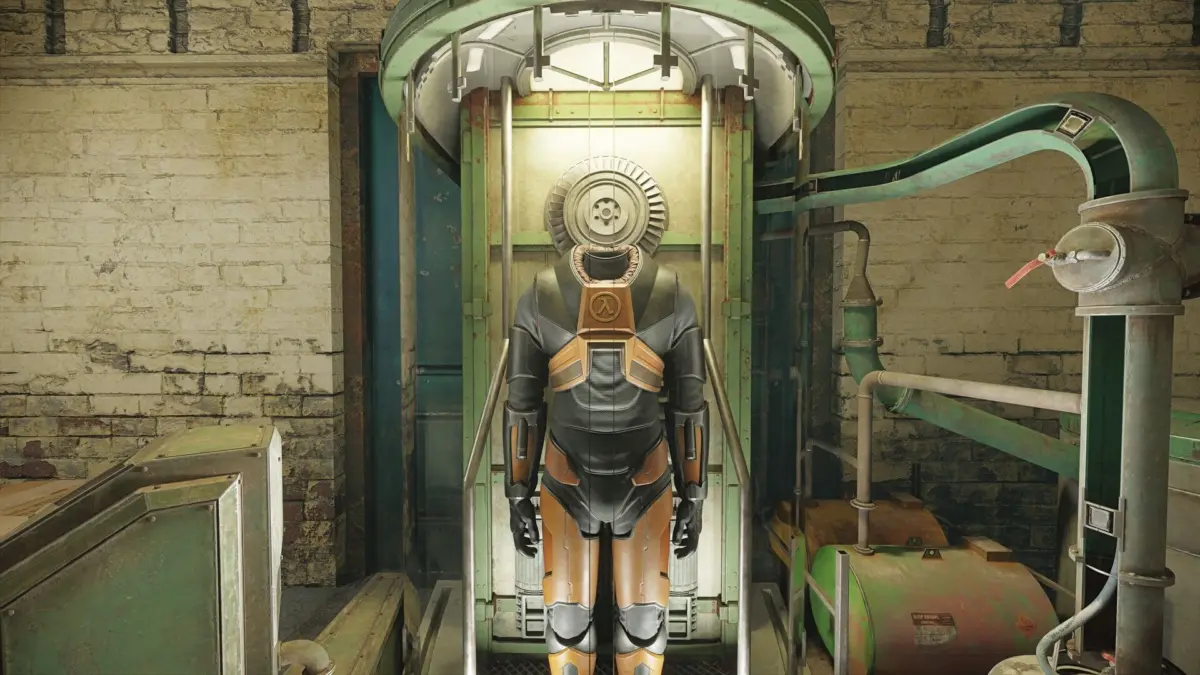
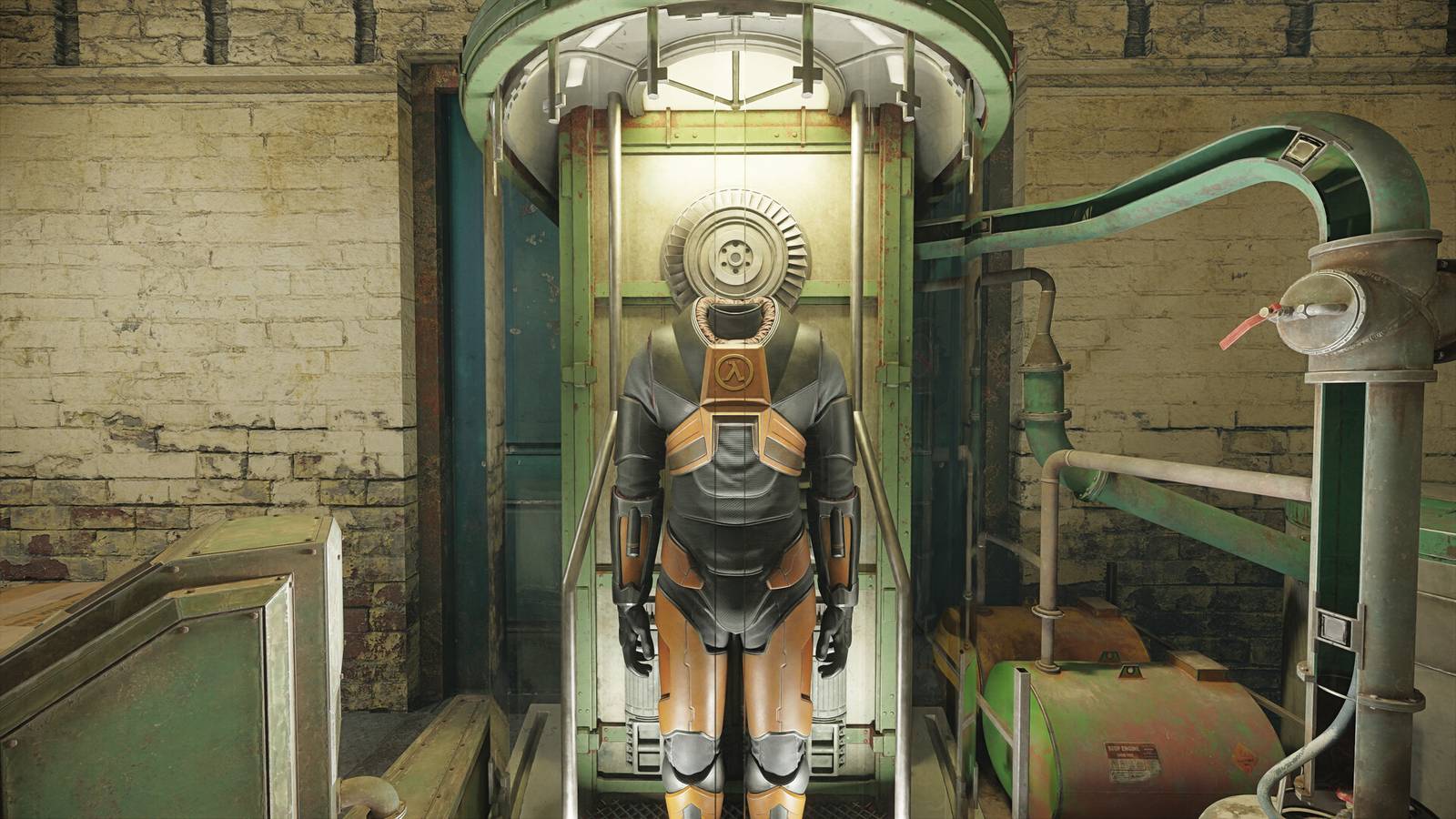
As the gaming world dissects the footage frame-by-frame, the question is no longer whether Valve is tinkering within the Half-Life universe, but rather how close we are to finally stepping back into Gordon Freeman’s HEV suit.
Detailed Chronology: The Anatomy of a Slip-Up
The incident occurred during a panel presentation at GameSoundCon titled "Valve’s Approach to an Open and Flexible Audio Engine." The session, designed to deep-dive into the technical capabilities of Valve’s proprietary Source 2 engine and its extensible open systems, featured veteran sound designers David Feise, Carlye Nyte, and composer Mike Morasky.
For the most part, the conversation adhered to predictable, highly technical industry shop talk. However, late into the discussion—as preserved in video archives—Morasky was discussing audio environments across different studio properties when he casually dropped the phrase:
"I think Deadlock has their own version of HDR. You know, HLX has its own version, so on and so forth."
The room appeared to momentarily hold its collective breath. Immediately following the mention, co-panelist David Feise can be seen reacting, leaning over to whisper to Morasky, "Nice work."
As the panel concluded, the hot mics and stage cameras captured a telling exchange. Feise leaned in closer to Morasky, offering a thinly veiled sarcastic critique that sounded unmistakably like: "Good job. You only said ‘HLX’ once."
Morasky’s bewildered response—"I did?"—sealed the moment, cementing what fans immediately recognized as a classic, career-adverse slip of the tongue regarding unannounced intellectual property.
Sharp-eared fans on the Gaming Leaks and Rumours and Half-Life subreddits quickly clipped and analyzed the Vimeo recording. Within hours, the internet had contextualized the blunder, recalling that this was not the first time Morasky has skirted dangerously close to breaking Valve’s infamous NDA culture. In previous interviews and panels spanning back over the past year, sleuths pointed out similar instances where Morasky caught himself mid-sentence after uttering "HLX," or inadvertently referenced working on multiple Half-Life projects simultaneously despite official credits linking him solely to Half-Life: Alyx.
Supporting Context & Metrics: Unearthing "HLX"
To understand why a three-letter acronym caused a global earthquake among PC gamers, one must examine the history of Valve-related datamining.
For years, community dataminers scouring public-facing updates to the Source 2 engine—particularly those pushed after the deployment of Half-Life: Alyx—have repeatedly surfaced references to "HLX." These fragments of code, strings, and asset directories are far more than mere placeholders; they paint a detailed picture of an active, highly sophisticated game engine development cycle.
According to these digital footprints, HLX is widely believed to be:
- A Traditional Flat-Screen Game: Unlike Half-Life: Alyx, which was designed exclusively for virtual reality platforms, HLX is heavily indicated to be a standard keyboard-and-mouse/gamepad first-person shooter, pointing toward a broader, more accessible release strategy.
- A Direct Narrative Continuation: Datamined assets reference character models, mechanics, and environmental hazards that directly tie into the ongoing story arc of Gordon Freeman, Alyx Vance, and the resistance against the alien Combine empire.
- Advanced Physics and AI Iteration: Source 2 engine strings linked to HLX reveal bleeding-edge physics simulations, dynamic weather systems, and advanced non-player character (NPC) behavior trees that dwarf anything seen in Valve’s previous catalog.
Adding substantial weight to these datamined files are reports from veteran industry journalists and insiders. Prominent Valve reporter Tyler McVicker stated publicly that according to his internal sources, HLX is not merely conceptual or in early prototyping phases. Instead, McVicker reported that the project has progressed significantly, describing the game as being "playable from end to end"—a major milestone indicating that the core narrative, pacing, and mechanics are fully functional in-house.
Official Statements & Corporate Silence
True to form, Valve Corporation has maintained its characteristic radio silence following the GameSoundCon incident.

Valve operates under a famously horizontal management structure that eschews traditional corporate hierarchies, strict PR departments, and routine marketing campaigns. Employees are largely encouraged to pursue projects they are passionate about, and company-wide secrecy regarding unannounced products is treated with cult-like reverence. Leaks are exceedingly rare, and accidental disclosures are handled internally with swift, quiet gravity.
Neither Mike Morasky, David Feise, nor Valve’s official communication channels have issued a statement addressing the clip. Historically, Valve prefers to let internet speculation burn itself out rather than pouring fuel on the fire with official confirmations or denials. When Half-Life: Alyx was leaked years prior to its formal unveiling, the company similarly absorbed the blow, refusing to acknowledge the project until marketing assets were entirely ready for prime time.
Future Outlook: What Does This Mean for Fans?
The million-dollar question remains: When—if ever—will Half-Life 3 (or whatever iteration HLX ultimately represents) see the light of day?
The gaming landscape has shifted dramatically since 2007. The narrative weight of the cliffhanger left by writer Marc Laidlaw—who years later published his own plot outline for Episode Three under the title Epistle 3—has weighed heavily on the collective consciousness of the industry. Gamers have grown older, industry standards have evolved, and the technical benchmark set by Half-Life 2 physics has long since been matched and surpassed.
Yet, Valve retains a unique superpower: when they choose to release a game, they fundamentally alter the conversation. The launch of Half-Life: Alyx proved that the studio has lost none of its mastery over pacing, environmental storytelling, and immersive design.
If HLX is indeed the long-awaited continuation of the franchise, Mike Morasky’s slip-up at GameSoundCon serves as an accidental beacon of hope. It confirms that behind closed doors in Bellevue, the people who brought us Black Mesa and City 17 are still actively working in that universe.
For a fanbase accustomed to decades of silence, a single whispered acronym is more than enough to keep the lamp burning. As the community continues to analyze every frame of the Burbank panel, one universal truth remains: the legend of Gordon Freeman refuses to die, and the resonance cascade may yet begin again.