Executive Overview
In late October 2026, American actress Jennifer Lawrence found herself at the epicenter of a massive, multi-platform internet firestorm. The catalyst was a high-profile cover story and interview published by The Cut on October 27th, 2026, which featured striking new photographs of the 36-year-old Oscar winner. Far from a routine promotional appearance for her newly launched haircare brand, Mes, the editorial—and the accompanying face reveal—sparked intense public speculation regarding cosmetic procedures, notably an alleged upper blepharoplasty and other facial alterations.
Unlike many public figures who maintain strict silence or deny undergoing cosmetic enhancements, Lawrence openly addressed her relationship with aesthetic medicine. In her interview, she candidly confirmed undergoing a breast augmentation and receiving regular Botox treatments, while openly outlining future plans for a facelift and expressing a desire for buccal fat removal. This rare degree of transparency from an A-list celebrity did not quell the public’s curiosity; instead, it acted as kindling.
The resulting digital discourse exposed deep cultural anxieties surrounding aging in Hollywood, the homogenization of celebrity beauty standards, and the pervasive nature of internet surveillance. Within hours, platforms such as X (formerly Twitter), Reddit, and Instagram were flooded with side-by-side comparison photos, heated debates between critics and defenders, and—in true internet fashion—absurdist memes and fringe conspiracy theories. This report provides a comprehensive examination of the origin, spread, and cultural ramifications of the Jennifer Lawrence plastic surgery phenomenon, exploring how a single magazine spread catalyzed a widespread debate over modern beauty norms.
Detailed Chronology: The Unfolding of an Aesthetic Flashpoint
October 27, 2026: The Publication of The Cut Cover Story
The controversy began in the early morning hours of October 27th, 2026, when The Cut released its combined October/November 2026 issue. Gracing the cover was Jennifer Lawrence, lensed by acclaimed photographer Bryce Anderson. Titled "Jennifer Lawrence Hopes You Won’t Hate Her New Project," the editorial was subtitled with a bold premise: "The A-list actor is getting into the celebrity-beauty game. Just hear her out."
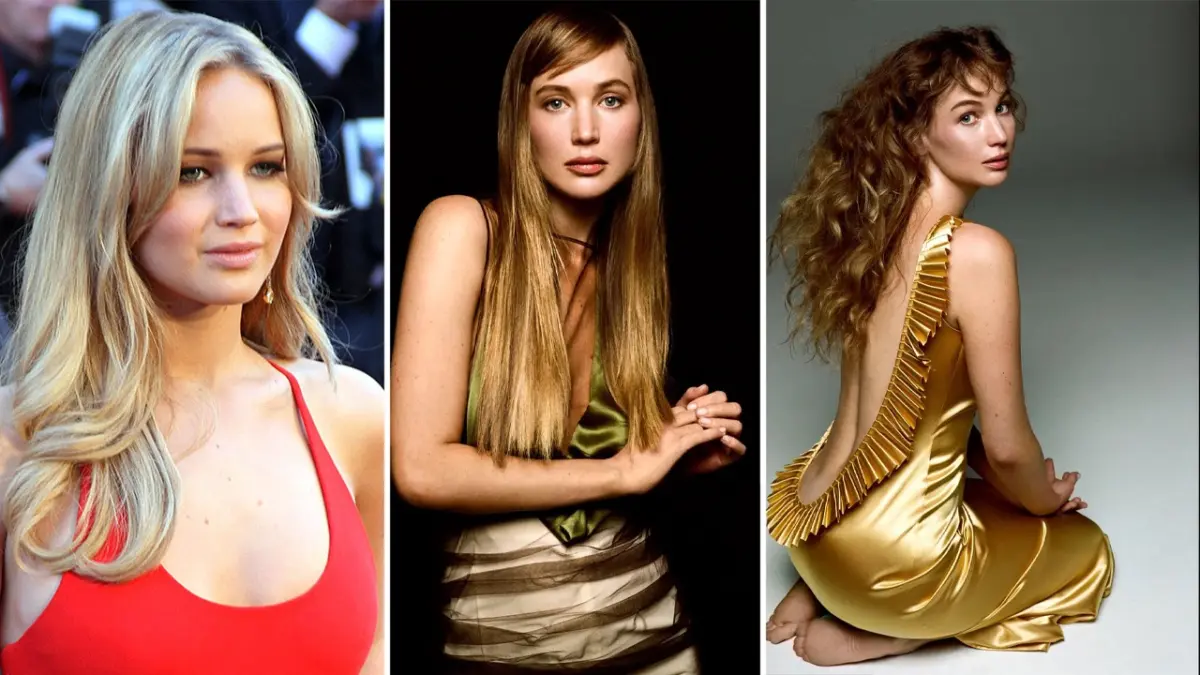
While the primary business objective of the feature was to introduce Lawrence’s new haircare line, Mes, public attention was instantly hijacked by the accompanying photography. Fans and casual observers alike noted a dramatic shift in Lawrence’s facial structure compared to her appearances in earlier films and public outings.
Within the article, Lawrence discussed her pragmatic approach to beauty, aging, and the demands of maintaining an A-list career while raising two children. Rather than deflecting rumors, she confirmed personal milestones in aesthetic medicine: she had undergone a breast augmentation, maintained a regimen of Botox, and was actively considering more invasive procedures, including a future facelift and potentially buccal fat removal.
October 27–28, 2026: Viral Acceleration and Social Media Backlash
As the magazine hit digital newsstands, the internet reacted with instantaneous velocity. The transformation documented by Bryce Anderson’s camera served as an abrupt "face reveal" for audiences unaccustomed to seeing the actress with altered features.
On X, user @JaimeeUSA posted a critique of the images, writing, "Tragic. I would have no idea this was Jennifer Lawrence without the post below mentioning it. She underwent plastic surgery to remove all her most distinctive features. I wish women would stop doing this to themselves." The post struck a nerve, accumulating over 2.8 million views, 28,000 likes, and thousands of reposts within its first 24 hours online.
Simultaneously, other users dissected specific anatomical changes. User @realCarola2Hope pointed to Lawrence’s eyes, writing, "The most captivating thing about Jennifer Lawrence’s face was her heavy-lidded eyes, which gave her that enigmatic, mysterious look. But now she’s gone and had the trendy upper blepharoplasty, and all that charm is gone. She doesn’t even look like herself anymore." This sentiment was echoed across various digital enclaves, resonating with millions who felt a sense of grief over the perceived loss of a natural, recognizable Hollywood face.
The Shift to Subreddits and Alternative Theories
By the afternoon of October 27th, the discussion migrated to Reddit. A post on the popular /r/popculturechat subreddit attracted more than 8,800 upvotes and 4,000 comments in under 48 hours. Commenters debated whether the changes were solely the result of surgical intervention, weight fluctuation, or aging, with many expressing shock at how drastically different the actress appeared.
In a more eccentric corner of the internet, the /r/conspiracy subreddit saw a post by user No_Driver_1833 that drew parallels to historical internet hoaxes. Invoking the infamous "Jim Carrey Clone Conspiracy Theories," the user posted: "You can now add Jennifer Lawrence to the long growing list of celebrities being cloned/replaced. They really thought we wouldn’t notice huh… this gives me creepy uncanny valley vibes." The post garnered over 3,700 upvotes, demonstrating how extreme internet subcultures often hijack mainstream celebrity news to validate fringe beliefs.
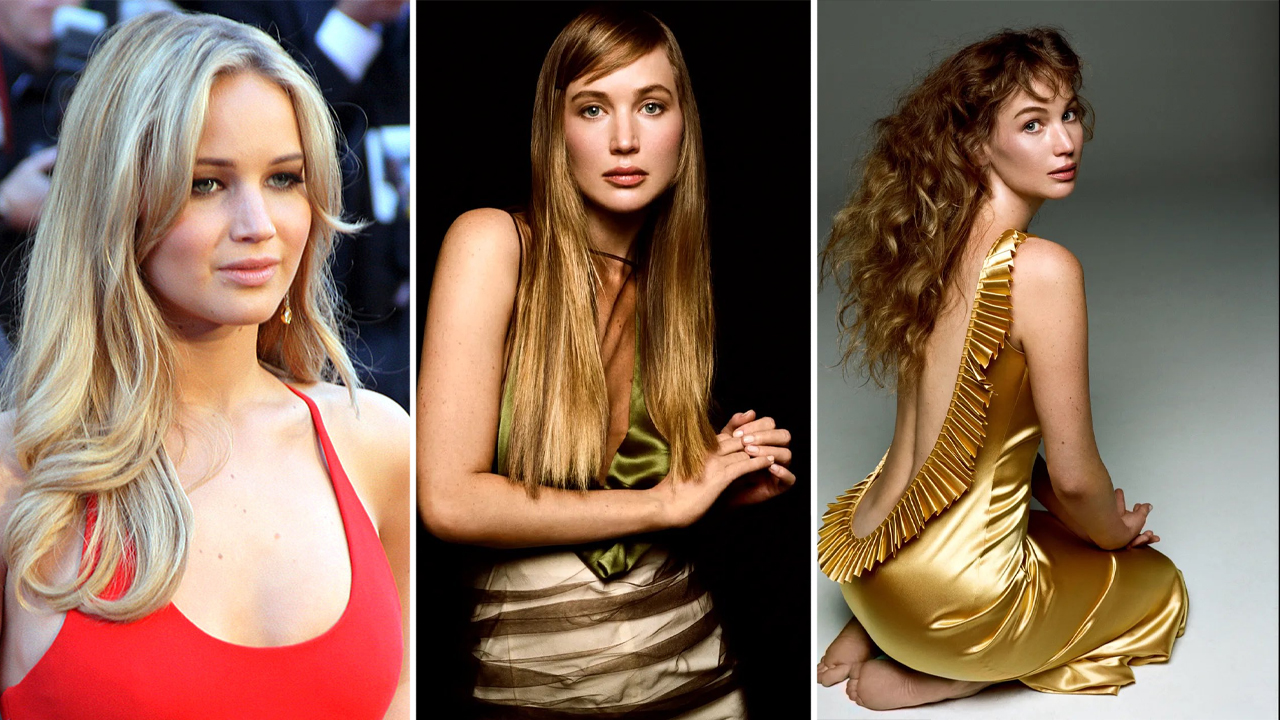
By October 28th, visual culture caught up with the text-based discourse. Instagram account @nofiltercliniclondon published a breakdown video tracing Lawrence’s aesthetic evolution over the years, detailing the mechanics of various procedures. On X, meme creators adapted templates like the SpongeBob Fish Looking Into Toilet to mock the societal shock surrounding everyday cosmetic procedures in Hollywood.
Supporting Context & Metrics
To understand the magnitude of the Jennifer Lawrence plastic surgery discourse, it is essential to examine the underlying digital metrics and cultural context that fueled its viral spread.
| Platform | Key Post / Source | Engagement Metrics (Approx.) | Core Theme / Narrative |
|---|---|---|---|
| X (Twitter) | @JaimeeUSA |
2.8M views, 28K likes | Critique of homogenized beauty standards and the loss of distinct facial features. |
| X (Twitter) | @realCarola2Hope |
1M views, 17K likes | Specific analysis focusing on upper blepharoplasty and eye shape changes. |
/r/popculturechat |
8.8K upvotes, 4K comments | General public shock, confusion, and comparison to archival photographs. | |
/r/conspiracy |
3.7K upvotes, 1.1K comments | Fringe clone/replacement theories mirroring past internet hoaxes. | |
@nofiltercliniclondon |
1.8K likes, 320 comments | Professional aesthetic breakdown of procedures over time. |
The "Uncanny Valley" and Celebrity Authenticity
The reaction to Lawrence’s transformation highlights a modern paradox in celebrity culture: audiences demand that public figures age gracefully and look immaculate, yet fiercely punish them when they utilize the modern tools required to achieve that exact standard.
Lawrence’s choice to break the traditional Hollywood code of silence—opting for proactive honesty rather than evasive denials (such as attributing changes to "good sleep, hydration, and facial exercises")—was a double-edged sword. While praised by industry insiders for reducing the stigma around cosmetic enhancements, it stripped away the illusion of effortless, natural aging that fans often project onto movie stars.
The widespread use of terms like "uncanny valley" in comment sections points to a growing societal unease with standardized aesthetic procedures. As trends like buccal fat removal, fox-eye lifts, and upper blepharoplasty become increasingly homogenized among high-net-worth individuals, distinct regional and personal facial markers are frequently replaced by a uniform, algorithm-optimized aesthetic. For an actress historically celebrated for her relatable, girl-next-door persona and unconventional beauty, this shift felt particularly jarring to long-time admirers.
Official Statements and Industry Impact
While Jennifer Lawrence herself did not issue a follow-up statement or defensive rebuttal following the publication of The Cut interview—opting instead to let her words in the editorial stand—the industry fallout was immediate.
Representatives for beauty and wellness brands noted a sharp, measurable spike in consumer inquiries regarding upper blepharoplasty and minimally invasive dermatological treatments in the days immediately following the article’s release. Aesthetic clinics reported that potential clients frequently referenced Lawrence’s new look, serving as both a cautionary tale for conservative patients desiring a completely unaltered look and an aspirational blueprint for those seeking modern surgical updates.
Furthermore, media analysts highlighted Lawrence’s interview as a potential turning point in how celebrity profiles are conducted. By integrating her business venture (Mes) with an unvarnished confession of her surgical roadmap, Lawrence effectively weaponized her own physical transformation as a marketing hook. Whether intentional or organic, the media cycle proved that authenticity regarding artificial enhancement generates unprecedented web traffic and sustained engagement.
Future Outlook
The viral discourse surrounding Jennifer Lawrence’s 2026 plastic surgery reveal offers a clear window into the future of celebrity culture and digital body-shaming. As cosmetic procedures become increasingly accessible, socially destigmatized, and technologically refined, the traditional boundary between private medical choices and public property continues to dissolve.
Looking ahead, several trends are likely to emerge from this media cycle:
- The Rise of Proactive Transparency: Lawrence’s willingness to own her cosmetic journey may encourage other public figures to bypass traditional denials, altering how PR teams manage celebrity aging narratives.
- Heightened Digital Scrutiny: As AI-driven facial analysis tools and deepfake technologies become commonplace, high-resolution magazine spreads will face microscopic examination from internet sleuths eager to detect every milliliter of filler or surgical adjustment.
- The Counter-Movement: The backlash against homogenized beauty features—typified by the public mourning of Lawrence’s former eye shape—may fuel a growing counter-cultural appreciation for natural asymmetry and unedited aging among younger demographics.
Ultimately, the Jennifer Lawrence plastic surgery phenomenon transcends gossip columns. It serves as a modern cultural touchstone, capturing our collective fascination with physical transformation, the commercialization of beauty, and the relentless digital cross-examination of those who live in the public eye.