Executive Overview
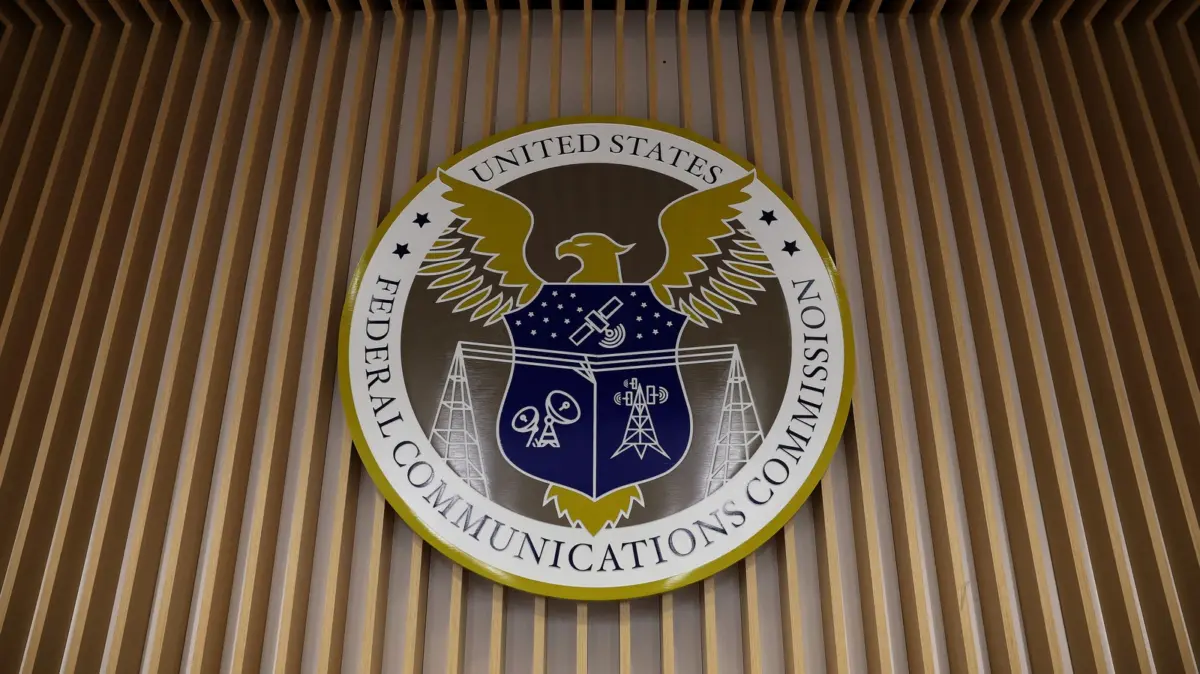
In a sweeping regulatory move signaling a monumental shift in telecommunications policy, the United States Federal Communications Commission (FCC) has laid out an ambitious trio of proposals designed to overhaul wireless connectivity nationwide. Scheduled for an official commissioner vote later this month, this regulatory package doubles down on the agency’s commitment to fostering direct-to-device (D2D) communications, expanding hybrid terrestrial-satellite business models, and integrating unmanned aerial vehicles (UAVs)—commonly known as drones—more deeply into the commercial cellular ecosystem.
At the core of the FCC’s agenda is a modernization of existing frameworks to accommodate the convergence of terrestrial cellular networks and satellite constellations. By proposing a targeted auction of 25 megahertz of valuable mid-band spectrum specifically tailored for flexible-use and D2D operations, the agency is opening the floodgates for aerospace and tech giants eager to bridge the digital divide and offer ubiquitous dead-zone coverage to standard smartphones. Simultaneously, the FCC is setting its sights on the sky by proposing to unlock approximately 50 megahertz of the 800MHz cellular band for authorized drone operations.
This multifaceted policy pivot comes at a critical juncture in the global tech landscape. Major players like SpaceX, Amazon, and EchoStar are aggressively realigning their assets to capture the burgeoning satellite-to-cellular market, while regulatory tightening regarding foreign-made hardware and advanced sensor technologies redefines the domestic drone industry. This article provides an in-depth examination of the FCC’s recent proposals, detailing the technical scope of the spectrum auctions, the implications for satellite operators and tech titans, the integration of drones into cellular bands, and the broader geopolitical and economic ramifications for the future of global connectivity.
Detailed Chronology
The trajectory leading to the FCC’s latest policy package has been characterized by rapid technological advancements in satellite manufacturing, shifting commercial alliances, and an urgent regulatory catch-up. To fully understand the weight of the upcoming commission vote, one must trace the chronological milestones that have defined the convergence of space and terrestrial telecom over recent years.
The Rise of Satellite-to-Cellular Integration
For decades, satellite communications and terrestrial cellular networks operated in strictly siloed regulatory and operational domains. Traditional satellite phones required bulky, specialized hardware and expensive service plans, while standard cellular handsets relied strictly on terrestrial cell towers. However, as rocket launch costs plummeted and satellite miniaturization advanced throughout the late 2010s and early 2020s, the prospect of connecting unmodified, off-the-shelf consumer smartphones directly to low-Earth orbit (LEO) satellites transformed from science fiction into a commercial imperative.
Early experiments by pioneers like AST SpaceMobile and SpaceX’s Starlink demonstrated that cellular frequencies could be bridged from space. This sparked a gold rush for spectrum rights. Companies realized that controlling or partnering for access to mid-band and low-band frequencies was essential to offering seamless, high-speed roaming between traditional cell towers and orbital assets.
Recent Regulatory and Corporate Catalysts
The immediate precursor to the FCC’s current proposals can be traced through a rapid succession of corporate maneuvers and regulatory approvals:
- The EchoStar-SpaceX Spectrum Deal: In late 2024 and early 2025, commercial consolidation accelerated as SpaceX acquired significant spectrum assets from EchoStar in a multi-billion-dollar transaction. This deal vastly expanded SpaceX’s technical capacity to deploy direct-to-cell services using its burgeoning LEO constellation.
- The 330km LEO Authorization: Demonstrating the rapid pace of regulatory processing, the FCC recently granted SpaceX approval to operate a massive system of 15,000 satellites at an exceptionally low orbit of 330 kilometers. This ultra-low Earth orbit (ULEO) system is designed to reduce latency and enhance signal strength for terrestrial devices.
- The FCC Policy Pivot (Current Proposals): Recognizing that existing regulatory frameworks were built for an era of rigid separation between space and ground networks, FCC leadership formulated the new trio of rules. Announced to the public in mid-2025, these proposals aim to codify flexibility, launch a fresh mid-band spectrum auction, and integrate drones into the 800MHz band—culminating in the pivotal vote scheduled for later this month.
Supporting Context & Metrics
The economic and technical parameters underpinning the FCC’s proposals reveal an industry undergoing radical transformation. The stakes are immense, measured in billions of dollars, tens of thousands of spacecraft, and millions of unserved square miles.
The Mid-Band Spectrum Auction: Unlocking 25 Megahertz
Mid-band spectrum—typically ranging from 2 GHz to 7 GHz—is considered the "goldilocks" zone for modern wireless communications. It offers an ideal compromise: high enough frequency to carry substantial data bandwidth, yet low enough propagation characteristics to travel reasonable distances and penetrate building materials.
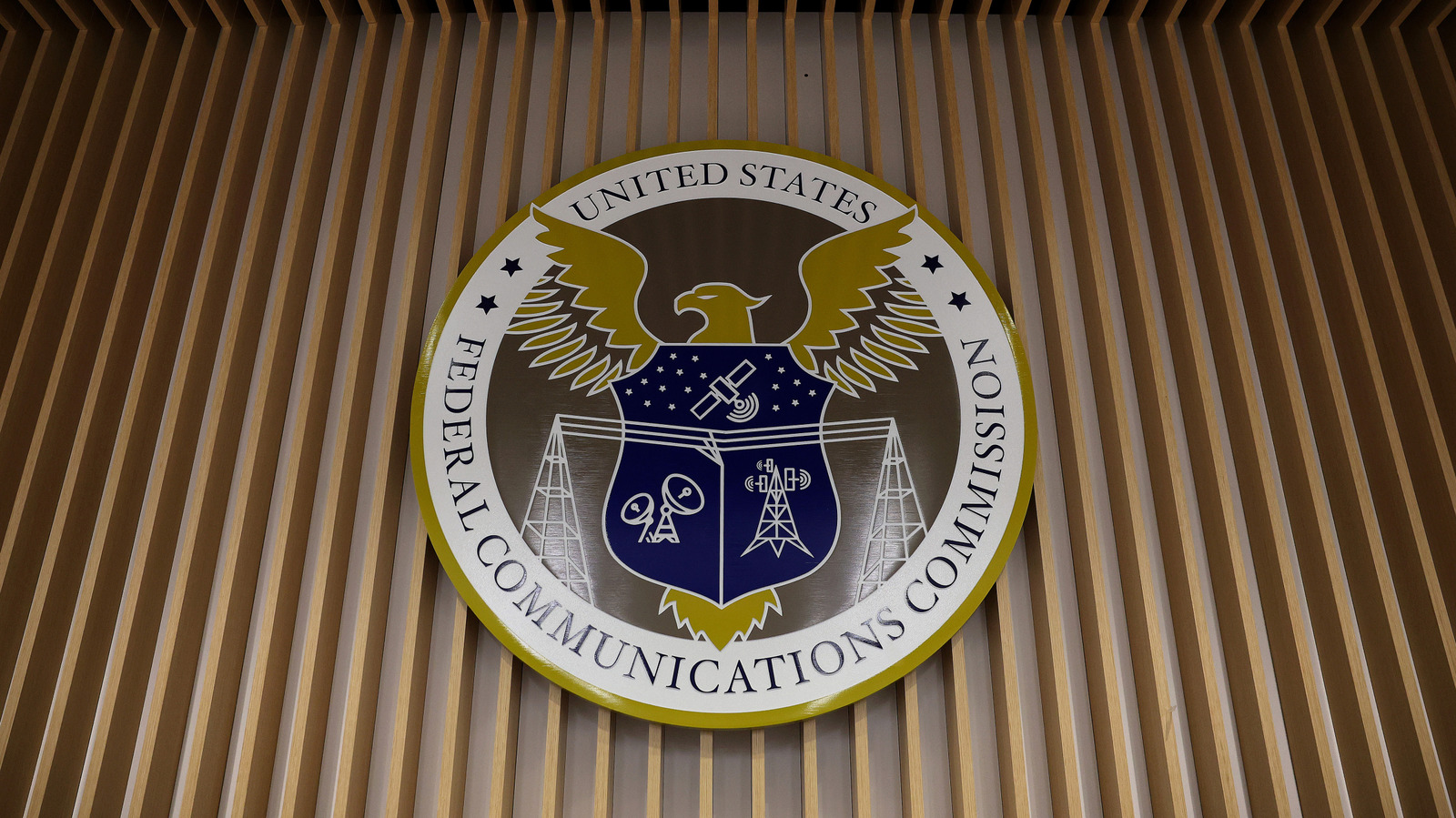
The FCC’s proposal to auction 25 megahertz of mid-band spectrum specifically for flexible terrestrial, satellite, or hybrid D2D operations is designed to fuel competition.
- Targeted Use Cases: Bids are expected to attract major telecommunications conglomerates as well as hyperscale tech companies like Amazon—whose Project Kuiper initiative is currently scaling up—and Apple-backed or Google-aligned satellite ventures.
- Market Valuation: While exact baseline valuations for the 25 MHz block will be finalized closer to the auction date, historical FCC mid-band auctions have routinely generated tens of billions of dollars in revenue for the U.S. Treasury, underscoring the immense financial value attached to these airwaves.
SpaceX’s Orbital Footprint and Infrastructure Scale
To contextualize the regulatory shifts, one must look at the sheer scale of physical assets currently being deployed overhead:
- Starlink Constellation: SpaceX currently operates a network exceeding 11,000 active Starlink satellites in low-Earth orbit.
- Expanded Ambitions: Beyond standard broadband and direct-to-cell capabilities, SpaceX has floated concepts for massive orbital data center constellations designed to power artificial intelligence (AI) compute loads directly in space, further straining current spectrum allocation frameworks.
- The ULEO Factor: The newly authorized system of 15,000 satellites operating at 330 kilometers represents a technical leap. Lower orbits reduce signal propagation delay (latency) to levels matching terrestrial 5G, making real-time voice, video, and data transmission via satellite indistinguishable from local cell tower connectivity.
The Unmanned Aerial Vehicle (UAV) Equation: 800MHz and Security
Simultaneously, the FCC’s proposal to open the 800MHz cellular band to drones introduces significant technical changes for the burgeoning UAV sector:
- Current Restrictions: Historically, drones have been strictly prohibited from operating on the 800MHz cellular frequency, forcing operators to rely on crowded unlicensed industrial, scientific, and medical (ISM) bands like 2.4 GHz and 5.8 GHz, which are prone to interference and limited in range.
- New Capacity: Unlocking this band would provide roughly 50 megahertz of spectrum for UAV operations, enabling beyond-visual-line-of-sight (BVLOS) commercial applications such as agricultural monitoring, infrastructure inspection, package delivery, and emergency response.
- The Security Counterweight: This expansion of drone spectrum access occurs alongside a tightening regulatory grip on the hardware itself. Over the past year, the FCC and partner federal agencies have imposed stringent bans on foreign-made drone components and specific advanced sensor payloads, such as LiDAR systems, deemed to present national security risks. Thus, while the regulatory door is opening for drone connectivity, it is simultaneously slamming shut on non-compliant, foreign-sourced manufacturing.
Official Statements & Policy Analysis
The formal release of the FCC proposals has elicited a broad spectrum of reactions from industry stakeholders, policy analysts, and regulatory commissioners.
The Regulatory Rationale
In its official documentation, the FCC emphasizes that the primary motivation behind the rule changes is to "promote more flexible terrestrial, satellite, and hybrid business arrangements." The agency argues that the rigid regulatory silos of the past are fundamentally incompatible with modern consumer expectations. Today’s smartphone users expect continuous, uninterrupted connectivity whether they are driving through downtown Manhattan or hiking through a remote national park.
"The commission is dedicated to removing archaic regulatory barriers that prevent innovative market solutions," noted an agency insider familiar with the drafting of the proposals. "Direct-to-device technology is no longer a futuristic concept; it is actively being deployed. Our rules must evolve to ensure that spectrum is utilized efficiently and competitively, allowing American innovation to lead the global satellite-cellular convergence."
Industry and Competitor Perspectives
- The Satellite Heavyweights: Industry leaders view the proposed mid-band auction as a vital catalyst. For companies like SpaceX and AST SpaceMobile, securing additional spectrum rights reduces the risk of network congestion as millions of standard handsets attempt to route emergency texts, voice calls, and data packets through orbit.
- Terrestrial Mobile Network Operators (MNOs): Traditional carriers—such as Verizon, AT&T, and T-Mobile—have adopted a nuanced stance. While some traditional operators have formed exclusive partnerships with satellite providers (e.g., T-Mobile’s partnership with SpaceX), others harbor concerns regarding potential interference issues between terrestrial cell towers and high-power space-based transmitters operating in adjacent or overlapping frequencies. The upcoming FCC comment period and vote will serve as a critical battleground for resolving these interference fears.
- The Drone Industry: Commercial UAV operators have overwhelmingly praised the prospect of gaining access to the 800MHz band. Industry trade groups have long argued that reliable, licensed cellular spectrum is the single most important prerequisite for scaling automated, long-range drone logistics. However, manufacturers have also expressed anxiety regarding the concurrent tightening of hardware and component restrictions, urging clear, transparent compliance guidelines to avoid supply chain disruptions.
Future Outlook
As the FCC heads toward its critical vote later this month, the broader telecommunications and aerospace sectors stand at a historic crossroads. The decisions made in Washington over the coming weeks will reverberate for decades, shaping how humanity communicates across land, sea, air, and space.
Short-Term Milestones
- The Commission Vote: If adopted as expected, the trio of proposals will immediately transition into a formal Notice of Proposed Rulemaking (NPRM), initiating mandatory public comment periods where industry players, academic researchers, and public interest groups can submit technical feedback and legal arguments.
- Spectrum Auction Design: Should the 25 MHz mid-band auction receive final approval, the FCC will spend the subsequent months establishing bidding rules, reserve prices, and qualification criteria, with the auction itself likely slated for late 2025 or early 2026.
- D2D Rollouts: Consumers can anticipate an acceleration of direct-to-device features rolling out across major smartphone operating systems. Dead zones are poised to shrink dramatically as satellite operators test hybrid roaming agreements with traditional wireless carriers.
Long-Term Industry Implications
Looking toward the horizon, the convergence of satellite constellations, mid-band spectrum auctions, and cellular-connected UAVs points toward a hyper-connected global economy.
- Ubiquitous Connectivity: The traditional concept of cellular "dead zones" is on a definitive path to obsolescence. Within the decade, standard consumer devices will seamlessly transition between ground-based 5G/6G towers and low-Earth orbit satellite constellations, ensuring absolute global coverage.
- The Autonomous Sky: Opening the 800MHz band to drones—coupled with rigorous domestic security vetting—will pave the way for fully autonomous, nationwide commercial drone delivery networks and advanced aerial traffic management systems.
- Geopolitical Competition: As the United States refines its spectrum and aerospace regulations, international bodies and rival superpowers (such as the European Union and China) will closely monitor the FCC’s framework. The race to dominate space-based telecommunications is fundamentally tied to national economic competitiveness and technological sovereignty in the 21st century.
Ultimately, the FCC’s proactive regulatory pivot demonstrates an understanding that the future of wireless communications knows no boundaries—extending seamlessly from the ground beneath our feet to thousands of miles out in the cold expanse of space.