Executive Overview
As the technology sector sets its sights on Apple’s upcoming autumn keynote event, anticipation has reached a fever pitch across the consumer electronics landscape. With the launch of the iPhone 18 Pro just days away, industry analysts, developers, and loyal consumers alike are preparing for what promises to be one of the most substantial hardware updates in recent iPhone history.
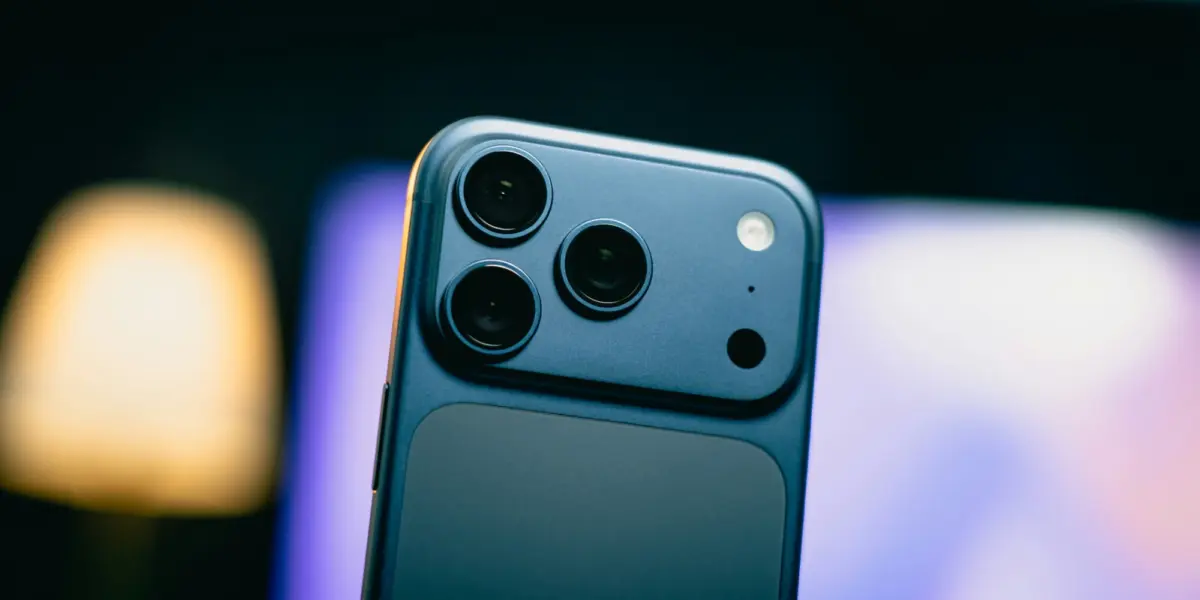
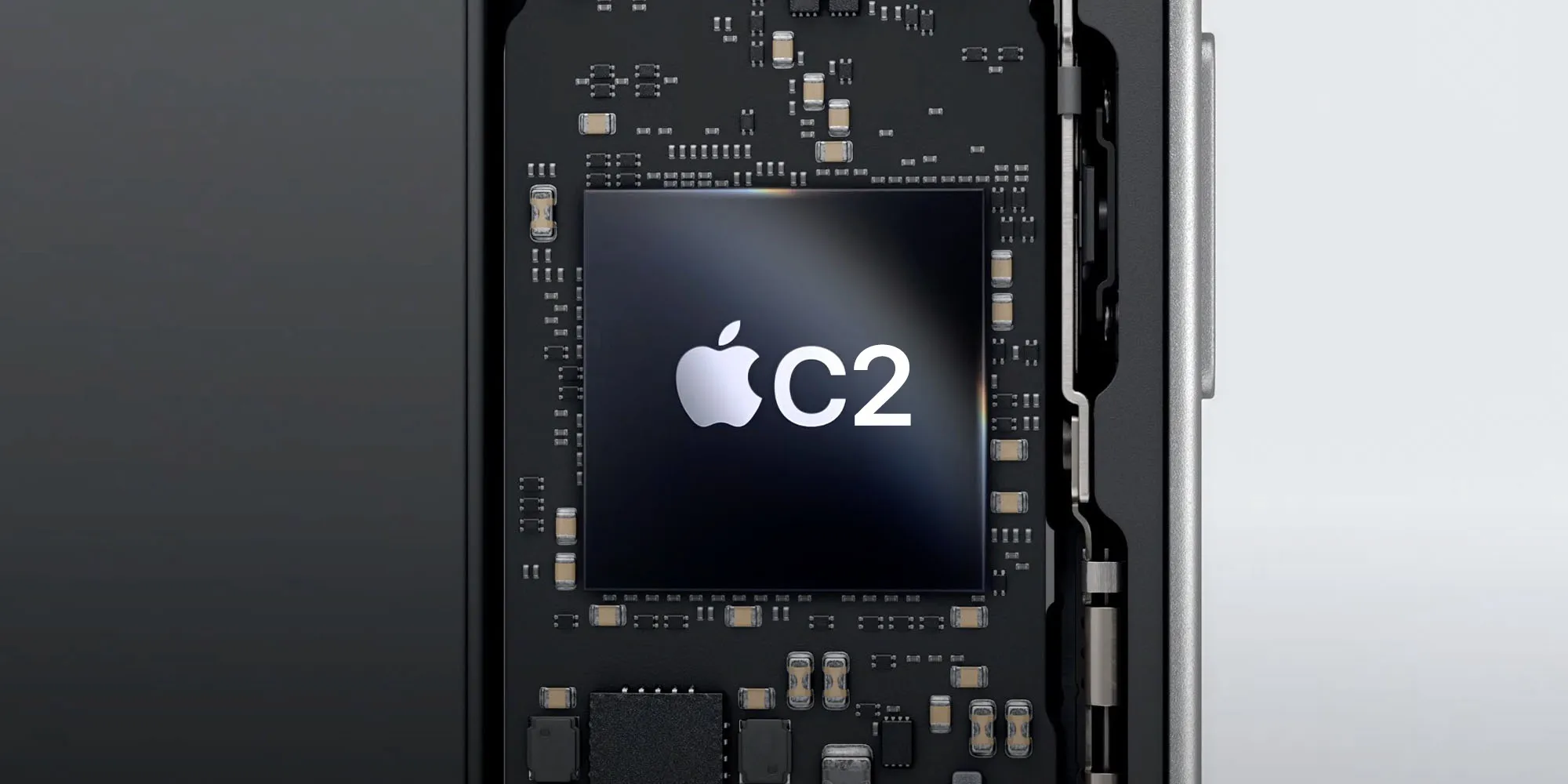
For years, the Cupertino-based tech giant has laid the groundwork for a generational shift in how its flagship smartphones capture imagery, interface with users, and connect to global cellular networks. According to a confluence of supply chain reports, leaked developer frameworks, and insider disclosures, the iPhone 18 Pro is poised to deliver three monumental upgrades that have lingered in the rumor mill for half a decade: a mechanical variable aperture camera system, a significantly scaled-down Dynamic Island, and the debut of Apple’s second-generation in-house cellular modem, the C2 chip.
These prospective enhancements are not merely incremental tweaks designed to satisfy annual product cycles. Instead, they represent a concerted push toward hardware independence, optical versatility, and deeper software-hardware integration. By taking tighter control of core architectural components—ranging from radio frequency (RF) silicon to physical camera mechanics—Apple is reinforcing its dominance in the premium smartphone market. This comprehensive report explores the timeline, engineering challenges, and broader implications of the three defining features rumored to anchor the iPhone 18 Pro lineup.
Detailed Chronology: The Evolution of Rumors to Reality
The journey toward the iPhone 18 Pro’s headline features has been a protracted saga of supply chain leaks, shifting roadmaps, and strategic pivots. Understanding how these technologies converged on the 2026 flagship requires tracing their origins across several years of industry reporting.
The Variable Aperture Odyssey (2024–2026)
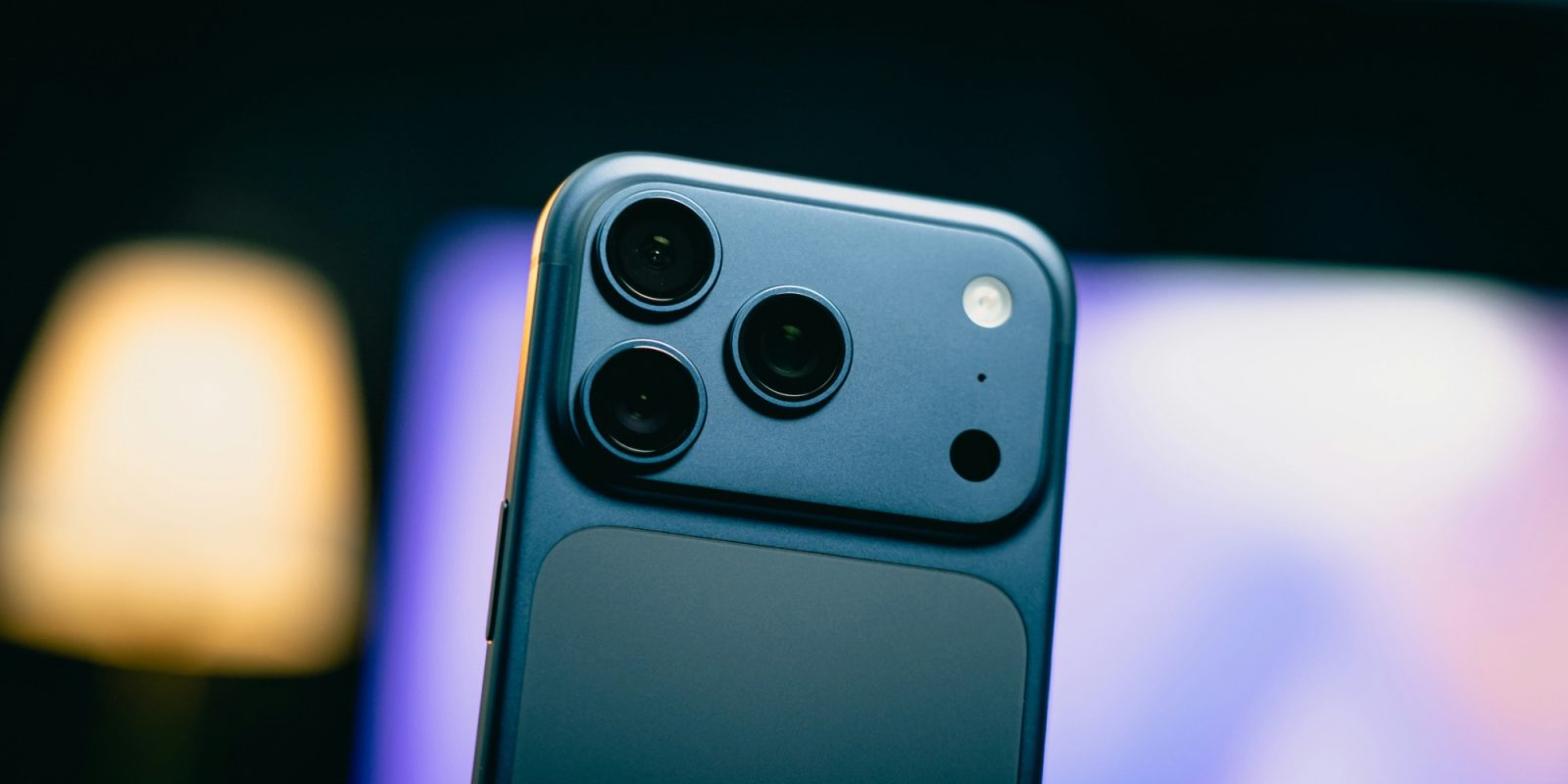
The concept of bringing a variable aperture lens to the iPhone first surfaced prominently in July 2024, when prominent publication The Information released a sweeping report detailing Apple’s next-generation camera initiatives. At the time, early supply chain indicators pointed toward the iPhone 17 generation as the intended debut vehicle for this sophisticated optical mechanism.
However, hardware development cycles are rarely linear. In December 2024, renowned supply chain analyst Ming-Chi Kuo injected a dose of reality into the discourse, revising the timeline and noting that technical refinements had pushed the variable aperture lens to the iPhone 18 lineup instead.
Throughout 2025, whispers grew quieter as Apple’s manufacturing partners reportedly finalized the custom actuator designs needed to squeeze a physical aperture mechanism into the tight confines of a smartphone chassis. By mid-2026, subsequent reporting solidified the narrative: the variable aperture capability is locked in for the Main camera sensor, though early production constraints may limit its initial availability exclusively to the larger Pro Max model, or roll out simultaneously across both standard and max Pro variants.
Shrinking the Dynamic Island (2022–2026)
The front-facing aesthetic of the iPhone has undergone a steady contraction since the introduction of the controversial notch on the iPhone X nearly a decade ago in 2017. When Apple debuted the Dynamic Island on the iPhone 14 Pro in September 2022, it was heralded as a brilliant software-hardware synthesis that turned a necessary hardware cutout into an interactive notification hub.
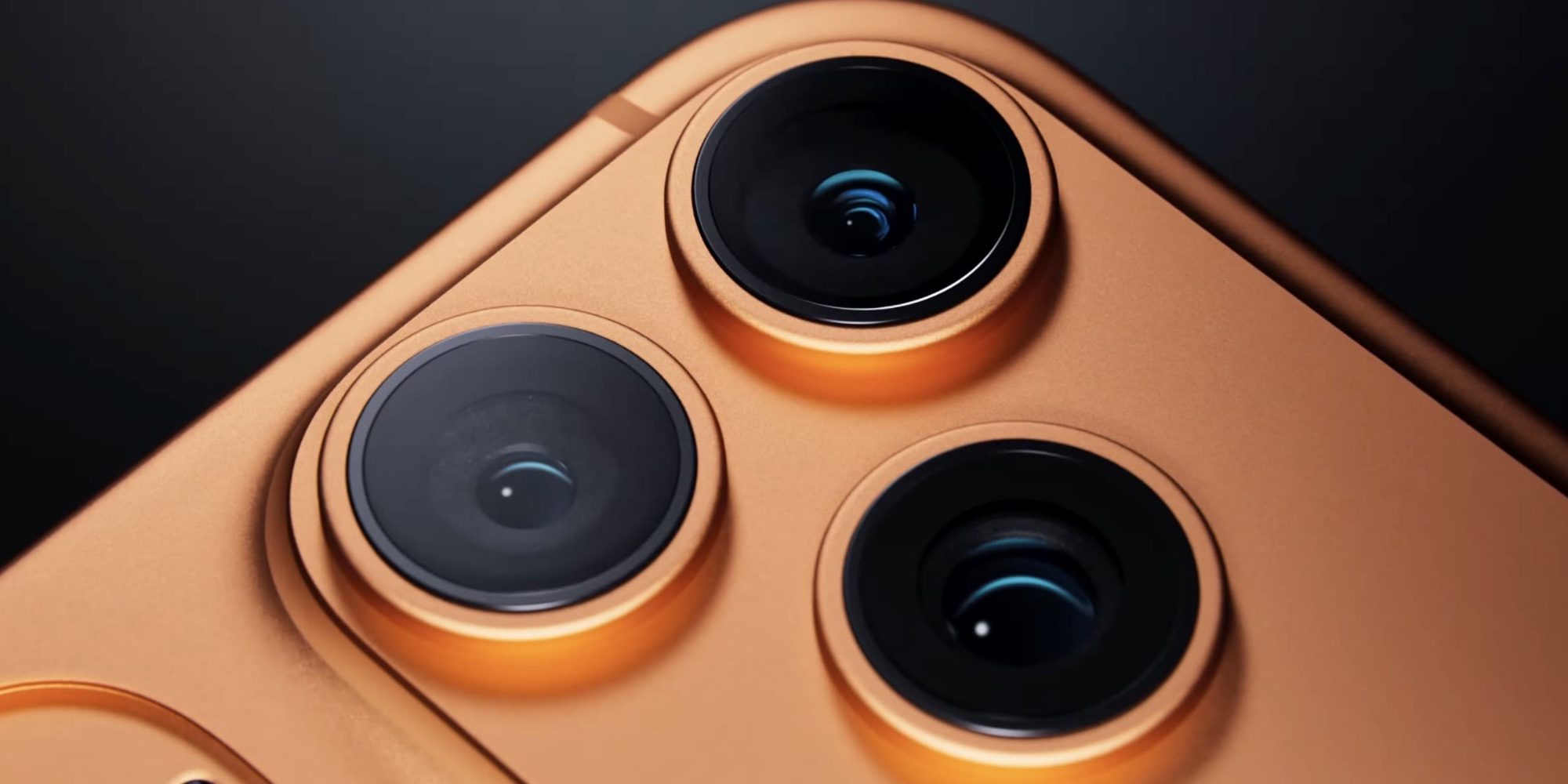
Yet, users and designers always viewed the Dynamic Island as a transitional phase on the road to an entirely all-screen front glass panel. As under-display Face ID technology proved more complex to miniaturize reliably without sacrificing biometric security, Apple opted for an intermediate reduction step. Reports emerging in early 2026 indicated that optical component miniaturization would finally shrink the Dynamic Island cutout by approximately 35%. This design shift was further corroborated by eagle-eyed developers examining interface changes within early developer builds of iOS 27, where Siri’s redesigned visual footprint adapted to the narrower physical constraints.
The Modem Transition: From Qualcomm to the C2 Chip (2021–2026)
Perhaps no internal hardware project has been subject to as much speculation as Apple’s multi-year effort to break free from its reliance on Qualcomm cellular modems. After acquiring Intel’s smartphone modem business in 2019, Apple embarked on an aggressive, multibillion-dollar research and development campaign to build proprietary radio-frequency silicon.
The long-awaited milestone arrived quietly with the launch of the C1 modem in previous hardware generations, marking the company’s first commercial foray into in-house radio chips. While the C1 and its interim iterations proved that Apple could engineer a functional cellular baseband, the semiconductor industry knew it was just a stepping stone.
By mid-2026, insider leaks confirmed that the iPhone 18 Pro would step away from Qualcomm entirely in favor of the next-generation C2 modem. Designed to supersede both external supplier parts and initial in-house teething issues, the C2 chip represents a critical milestone in Apple’s master plan for vertical integration.

Supporting Context & Metrics: Breaking Down the Upgrades
To fully grasp the significance of the iPhone 18 Pro, one must examine the specific mechanics and potential performance advantages of these three marquee features.
+-----------------------------------------------------------------+
|                  IPHONE 18 PRO: CORE UPGRADES                   |
+----------------------+------------------------------------------+
| Feature              | Technical Impact & Advantage             |
+----------------------+------------------------------------------+
| Variable Aperture    | Precise depth-of-field control; superior |
|                      | low-light handling & optical sharpness.  |
+----------------------+------------------------------------------+
| Smaller Island       | ~35% reduction in physical cutout size;  |
|                      | maximises active screen real estate.     |
+----------------------+------------------------------------------+
| Apple C2 Modem       | Enhanced cellular speeds, superior power |
|                      | efficiency, and advanced data privacy.   |
+----------------------+------------------------------------------+
1. The Variable Aperture Main Camera
Traditional smartphone cameras rely on fixed apertures, meaning the physical opening through which light enters the lens cannot change in size. To manage exposure, devices must rely entirely on digital shutter speeds, ISO adjustments, or computational multi-frame synthesis.
A variable aperture system introduces physical mechanical blades—similar to those found in DSLR and mirrorless camera lenses—that can expand or contract.
- Depth-of-Field Mastery: Users will be able to opt for a wider physical aperture (such as f/1.4 or f/1.8) to create natural, optical background blur (bokeh) for portraits, rather than relying strictly on portrait-mode software algorithms.
- Sharpness and Diffraction Control: Conversely, stopping down the aperture in bright sunlight to a narrower setting (such as f/4.0) prevents sensor saturation and preserves corner-to-corner sharpness, minimizing diffraction artifacts that plague high-resolution mobile sensors.
2. The 35% Smaller Dynamic Island
While not yet a completely invisible under-display camera, a 35% reduction in the physical footprint of the TrueDepth camera array and Face ID sensors is a massive win for aesthetic balance.
- Immersive Media Consumption: By reclaiming valuable screen real estate at the top of the display, full-screen video playback, gaming graphics, and photo viewing will look noticeably less obstructed.
- Software Synergy: The layout of system notifications, live activities, and the newly redesigned Siri visual feedback loops will feel cleaner, proving that Apple is steadily marching toward its ultimate goal of a truly borderless glass display.
3. The C2 Modem Advantage
Moving to the proprietary C2 modem represents a massive leap in platform autonomy and user experience.
- Power Efficiency: External modems historically consume substantial battery power due to the physical distance required for data bus communication with the main System-on-Chip (SoC). Integrating Apple’s silicon architecture allows for unified power management, substantially extending battery life during heavy 5G data usage.
- Data Privacy and Latency: Proprietary baseband architecture provides Apple with granular control over packet handling and radio signal processing, theoretically reducing network handoff latency and closing potential security vectors associated with third-party components.
Official Statements and Industry Perspectives
While Apple notoriously maintains strict operational secrecy ahead of its product launches, statements from financial analysts, component suppliers, and regulatory filings have helped paint a vivid picture of corporate strategy.
Industry analysts tracking supply chain orders note that Apple’s capital expenditure on semiconductor packaging and optical lens actuators has surged over the past 18 months. In recent financial analyst briefings, manufacturing partners in East Asia highlighted that Apple’s willingness to absorb higher initial component costs stems from a long-term vision: insulating profit margins from third-party component suppliers while delivering exclusive, hardware-differentiated features that justify rising average selling prices (ASPs).
Furthermore, the transition away from Qualcomm has been a focal point of discussion among telecom economists. With Qualcomm previously commanding substantial licensing royalties and chip costs per device, the rollout of the C2 modem allows Apple to reallocate capital into internal research while gradually decoupling its product roadmap from external supply chain bottlenecks.

Regarding the camera enhancements, mobile photography experts have praised the move toward variable aperture as a recognition of the physical limitations of purely computational photography. While AI-driven image processing has taken massive leaps forward, optical physics still dictates that mechanical light control yields superior realism, dynamic range, and tonal gradation.
Future Outlook: The Road Beyond the iPhone 18 Pro
The unveiling of the iPhone 18 Pro serves as a watershed moment not just for Apple, but for the broader smartphone industry. As hardware commoditization threatens to make annual device upgrades look remarkably similar across competing brands, Apple’s strategy relies heavily on deep vertical integration and proprietary hardware engineering.
Looking ahead beyond the 2026 launch cycle, the technologies debuting in the iPhone 18 Pro will undoubtedly set the blueprint for future product categories.
- Trickle-Down Hardware: The smaller Dynamic Island engineered for the Pro lineup is widely expected to find its way into standard iPhone models and prospective foldable device form factors by late 2027 or 2028.
- The Fully Autonomous Silicon Ecosystem: With the C2 modem successfully integrated into the flagship tier, Apple moves one step closer to unifying its entire wireless communication stack—paving the way for advanced satellite communication protocols, proprietary Wi-Fi/Bluetooth combinations, and ultra-wideband innovations developed entirely in-house.
As the tech world converges on the upcoming keynote event, consumer attention remains firmly fixed on Cupertino. Whether you are a mobile photography enthusiast eager to test the limits of physical aperture control, a power user looking for the relentless efficiency of the C2 modem, or simply someone who appreciates a cleaner, more expansive display, the iPhone 18 Pro is shaping up to be a masterclass in refined hardware evolution.

What are you most hoping to see at next week’s keynote? Share your thoughts and predictions in the comments below.