As Apple continues to iterate on its flagship smartphone lineup, supply chain leaks and industry insider reports have begun to paint a vivid picture of what consumers can expect from the forthcoming iPhone 18 Pro and iPhone 18 Pro Max. While initial reports confirm that Apple will maintain the physical screen dimensions established by their predecessors, a closer look beneath the glass reveals significant technological leaps.
According to supply chain indicators and industry reports—most notably from outlets like The Elec—the upcoming Pro models are slated to introduce two major display advancements: the transition to LTPO+ panel technology and a significantly reduced Dynamic Island cutout.
Together, these adjustments promise to deliver a refined visual experience, improved energy efficiency, and a closer approximation of the elusive "all-screen" smartphone design that engineers have strived for over the past decade. This report delves deep into the mechanics of LTPO+, the physical redesign of the Dynamic Island, the technological context surrounding these upgrades, and what they mean for the future of Apple’s mobile ecosystem.
Detailed Chronology: The Evolution of Apple’s Pro Displays
To understand the magnitude of the rumored changes coming to the iPhone 18 Pro, it is helpful to trace the chronological evolution of Apple’s display engineering over the last several years.
The Foundation of ProMotion and Always-On Displays
Apple first revolutionized its high-end iPhone screens with the introduction of ProMotion technology on the iPhone 13 Pro lineup in 2021. Utilizing Low-Temperature Polycrystalline Oxide (LTPO) backplane technology, these panels allowed the refresh rate to dynamically scale from a buttery-smooth 120Hz down to a power-saving 10Hz.
This foundation enabled the implementation of the Always-On display, which debuted with the iPhone 14 Pro in 2022. By dropping the refresh rate down to a glacial 1Hz, the phone could display critical lock screen widgets, notifications, and wallpapers with minimal battery drain. For four generations, standard LTPO has served as the backbone of Apple’s premium visual presentation. However, as mobile hardware demands increase and consumers expect longer battery life paired with higher peak brightness, the limitations of standard LTPO have prompted manufacturers to seek the next evolution.
The Dynamic Island Era (2022–Present)
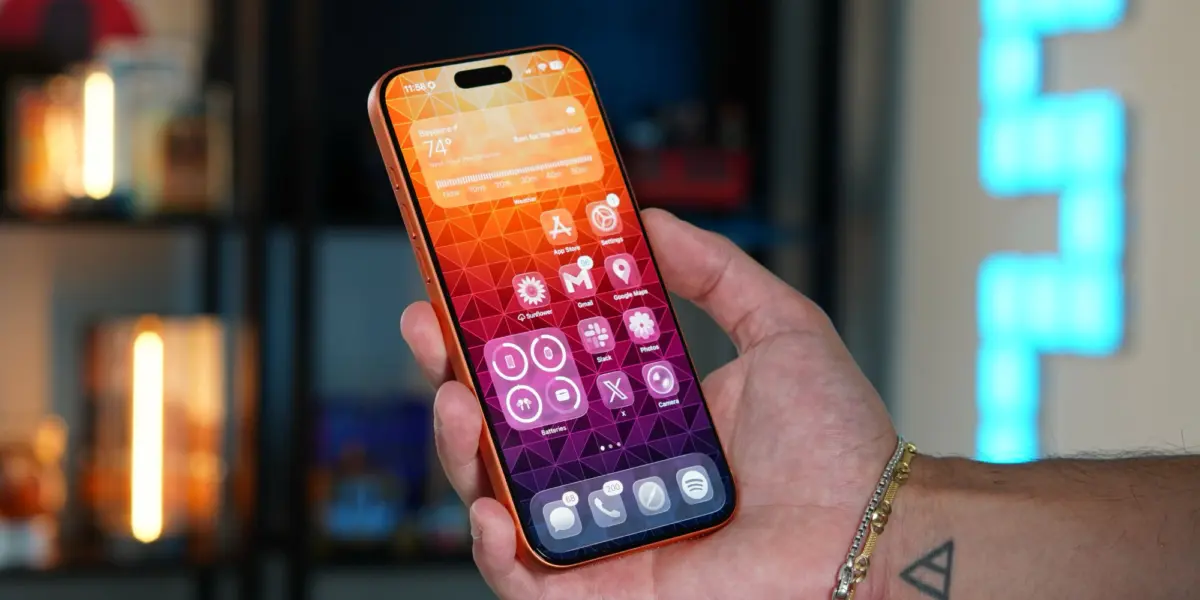
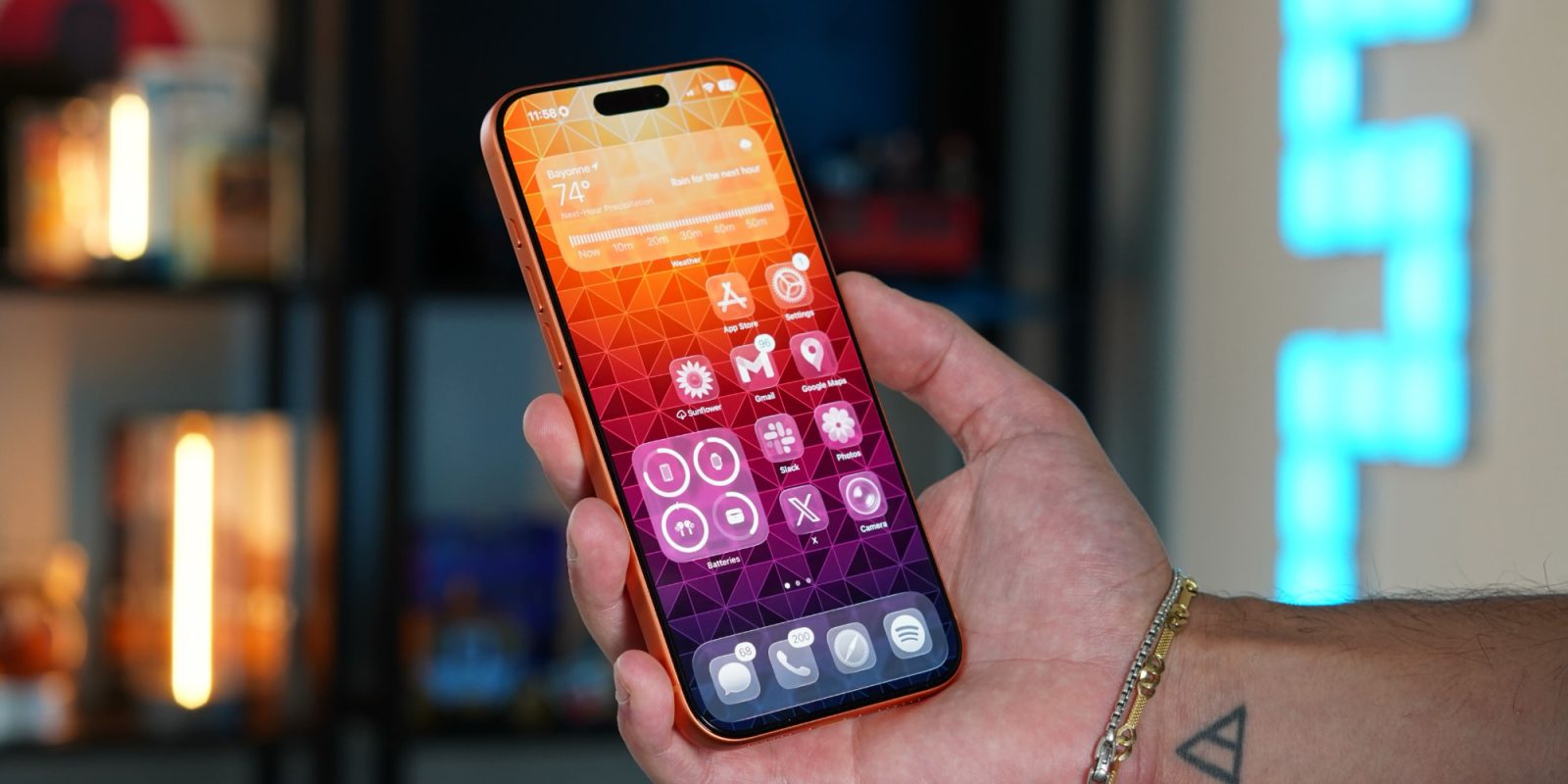
Simultaneously, the iPhone 14 Pro marked the retirement of the iconic display notch, replacing it with the pill-and-hole cutout known as the Dynamic Island. Over the subsequent iterations—spanning the iPhone 14, 15, 16, and 17 generations—the physical dimensions of the Dynamic Island remained largely static. While software developers and Apple engineers heavily expanded its utility through Live Activities, media controls, and interactive widgets, the physical real estate it occupied on the glass remained unchanged.
Rumors surrounding the iPhone 18 Pro series suggest that this hardware stagnation is coming to an end. By scaling down the hardware components housed within the TrueDepth camera array, Apple is preparing to shrink the footprint of the Dynamic Island by roughly 35%, reclaiming valuable screen space for user content.
Core Upgrades of the iPhone 18 Pro Series
1. The Shift to LTPO+ Technology
The most consequential under-the-hood display upgrade for the iPhone 18 Pro and Pro Max is the migration to LTPO+ technology.
In conventional LTPO panels, oxide materials are applied exclusively to the switching thin-film transistors (TFTs). While this is effective for managing variable refresh rates, it leaves room for optimization in how electrical current is delivered to the individual pixels. LTPO+ extends the application of oxide materials to the driving TFTs as well.
[Conventional LTPO] ──> Oxide applied only to Switching TFTs
[Advanced LTPO+]    ──> Oxide applied to BOTH Switching & Driving TFTs
                          └─> Result: Finer current control & improved OLED efficiency
Key Technical Benefits of LTPO+:
Finer Current Control: By applying oxide to the driving TFTs, the display can achieve unprecedented precision in regulating the current flowing into the OLED light-emitting elements.
Enhanced Environmental Adaptability: The display can dynamically optimize its operation based on ambient lighting conditions and specific user environments, ensuring color accuracy and legibility without unnecessary power expenditure.
Mitigated Low-Light Flickering: One of the historic trade-offs of OLED panels at low brightness levels is screen flickering, which can cause eye strain for sensitive users. LTPO+ enables more responsive adjustments, significantly reducing low-light flicker.
Superior Battery Efficiency: By tightening the control loop on power delivery, the overall electrical draw of the panel is reduced, translating to extended screen-on time even when running power-intensive tasks or maintaining an Always-On display.
2. A Trimmed-Down Dynamic Island Cutout
For years, mobile tech enthusiasts have tracked Apple’s gradual progression toward a truly bezel-free, cutout-free smartphone display. While under-display Face ID and under-display front-facing cameras remain the ultimate destination, the physics and optical clarity required for these technologies have not yet met Apple’s stringent commercial standards.
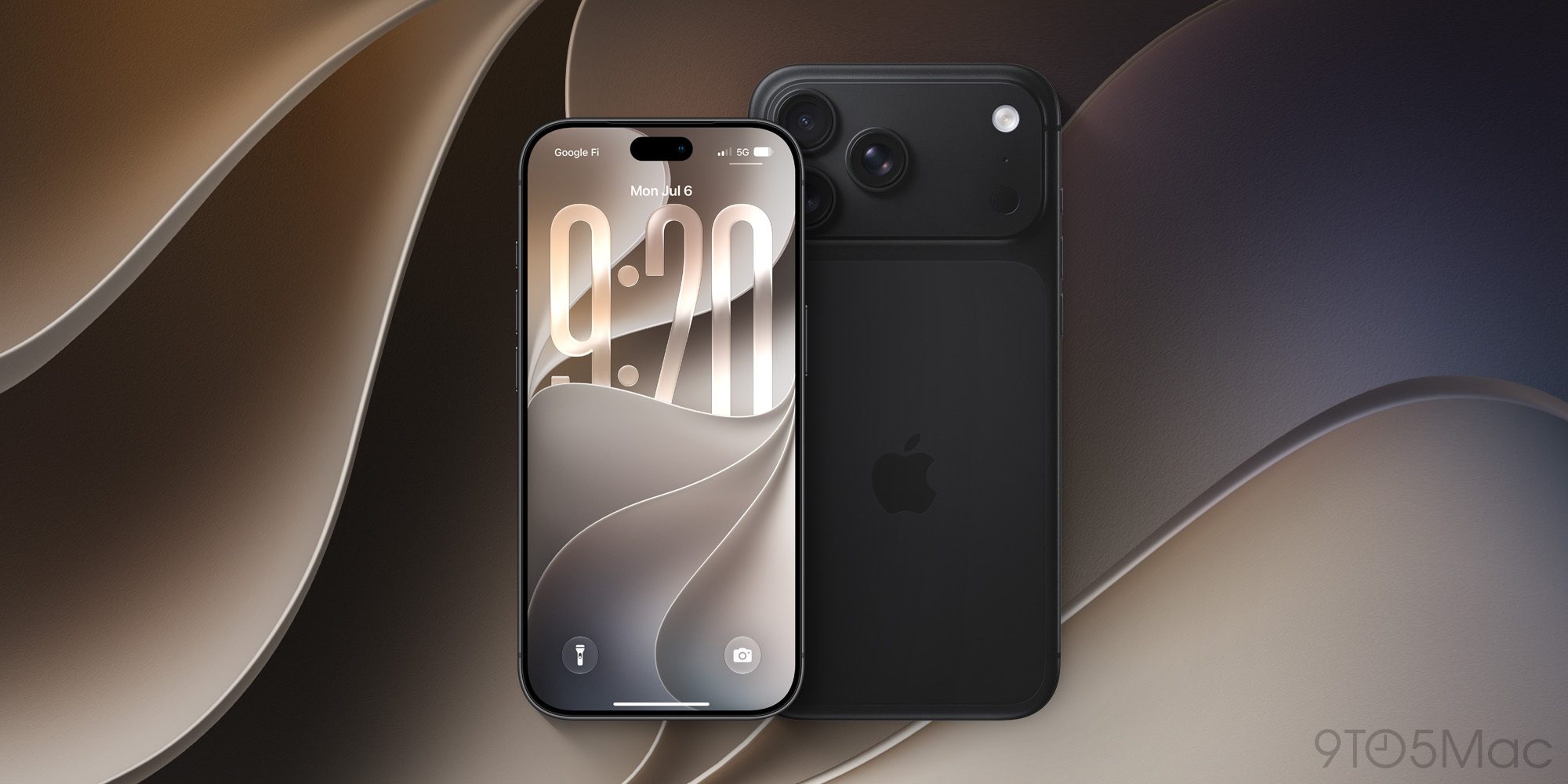
The iPhone 18 Pro represents an important stepping stone on this journey. Leaks and CAD renders indicate that the physical cutout for the TrueDepth camera system and Face ID sensors will be reduced by approximately 35% compared to the iPhone 17 Pro.
This reduction is not merely a cosmetic tweak; it fundamentally alters the visual weight of the top of the display. Content such as video playback, gaming interfaces, and notification banners will spill over into the newly reclaimed glass real estate, offering a more immersive viewing experience. Furthermore, early hints embedded within developer previews of iOS 27 suggest that Apple’s system UI—including animations tied to Siri and system alerts—is already being redesigned to accommodate this smaller footprint.
Supporting Context & Market Metrics
The display supply chain remains one of the most tightly guarded yet heavily scrutinized sectors in global manufacturing. Industry analysts tracking procurement data from major panel manufacturers—including Samsung Display and LG Display—point out that transitioning to LTPO+ requires substantial retooling of fabrication lines.
Production Challenges and Costs
Because LTPO+ requires a more complex manufacturing process to apply oxide materials to both switching and driving transistors, initial yields are expected to be tighter than those of standard LTPO panels. Consequently, industry experts project that these advanced displays will remain exclusive to the Pro and Pro Max tiers for at least one generation, preserving a clear hardware differentiation between Apple’s standard and professional lineups.
Consumer Impact and Battery Expectations
Battery life has consistently ranked as the number one feature request and pain point for smartphone users globally. With mobile processors handling increasingly complex on-device artificial intelligence workloads (such as advanced iterations of Apple Intelligence), system-on-chip (SoC) power draw is at an all-time high.
By introducing LTPO+, Apple is effectively counterbalancing the increased power demands of next-generation silicon and brighter displays. Early modeling suggests that the efficiency gains from LTPO+ could offset up to 15% of the display’s total energy consumption during everyday use, providing a tangible boost to daily battery longevity without requiring physically thicker batteries.
Official Statements and Industry Insights
While Apple maintains its traditional policy of refusing to comment on unannounced products or supply chain leaks, statements from component manufacturers and research firms provide substantial corroboration.
In a recent technical whitepaper published by The Elec, industry analysts noted:
"The commercialization of advanced oxide TFT applications in smartphone OLED panels represents a paradigm shift. By extending oxide materials beyond switching transistors into driving circuits, display makers are unlocking unprecedented levels of luminance uniformity and power conservation. Apple’s anticipated adoption of this technology in its upcoming flagship devices signals a broader industry transition away from legacy LTPO architectures."
Additionally, display supply chain consultants have echoed these findings, emphasizing that while screen sizes (expected to remain at 6.3 inches for the Pro and 6.9 inches for the Pro Max) will stay consistent with the previous generation, the internal composition and front-face aesthetics of the devices will undergo their most notable refinement since the introduction of the Dynamic Island.
Future Outlook
The upcoming release of the iPhone 18 Pro and Pro Max highlights Apple’s methodical, evolutionary approach to hardware design. Rather than chasing radical, unrefined form factors, the company continues to refine the user experience through incremental, high-impact engineering milestones.
As we look toward the fall launch window, anticipation is exceptionally high. The combination of LTPO+ technology—solving long-standing issues with power consumption and low-light flickering—and a 35% smaller Dynamic Island demonstrates that Apple is successfully addressing both the internal efficiency and external aesthetics of its flagship devices.
For consumers currently utilizing older hardware, the iPhone 18 Pro shapes up to be a compelling upgrade point, bridging the gap between current pro-tier capabilities and the eventual arrival of an all-screen, cutout-free future. As always, tech enthusiasts will be watching closely to see how these rumored hardware changes integrate with the latest software innovations slated for release this autumn.