Executive Overview
Blizzard Entertainment is charging toward the finish line of its most ambitious post-launch content initiative to date, promising a staggering 10 new heroes for Overwatch throughout the year. Yet, as the calendar winds down to the final release of the year—the much-anticipated December rollout of Season 6—celebration has curdled into contention.
At the center of the storm is Hudson, an enigmatic Omnic detective whose arrival was originally teased to inject fresh mechanical flavor and much-needed lore into the game’s Support roster. Instead, in a dramatic, late-stage development pivot revealed by Blizzard leadership, Hudson is shifting gears to become a Damage (DPS) hero.
The announcement, made during a creator interview with community mainstays Emongg and Flats, immediately sent shockwaves through the Overwatch community. While the game’s development team insists that the character’s core kit simply functioned better in a frontline, offensive capacity, large swaths of the player base have decried the move as a classic "bait-and-switch."
With the Damage category already ballooning to 24 heroes with Hudson’s inclusion, Support mains feel increasingly sidelined. This article explores the anatomy of Blizzard’s decision, the technical realities of hero design, the mechanics of community backlash, and what this high-stakes pivot means for the future balance of Overwatch.
Detailed Chronology: From Concept Art to Community Outcry
To understand how Hudson became the focal point of a major community controversy, it is necessary to retrace the timeline of Blizzard’s 2026 content roadmap and the sudden fracture in expectations.
The 2026 Content Push
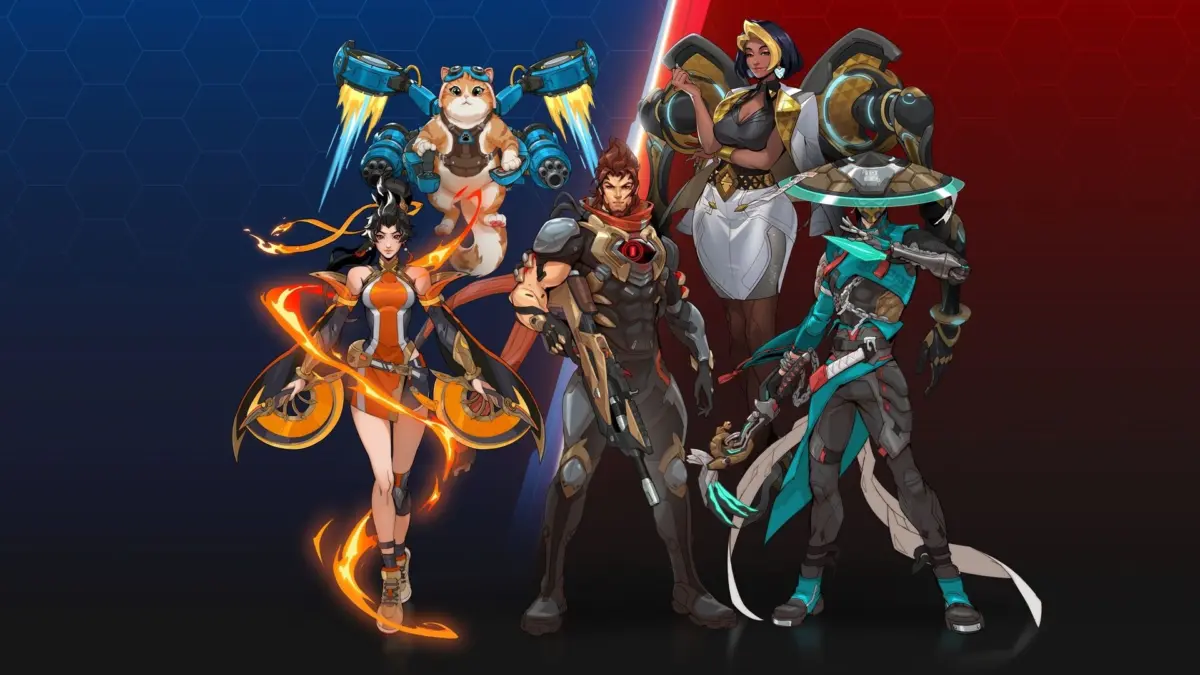
At the start of the year, Blizzard laid out an aggressive strategy to revitalize Overwatch, promising a rapid-fire cadence of 10 new heroes designed to shake up stagnant metas and deepen the game’s sprawling sci-fi lore. Throughout the early seasons of 2026, players were introduced to a diverse lineup featuring figures like Anran, Jetpack Cat, Emre, Domina, and Mizuki. Each addition brought distinct mechanical profiles, but the community had long kept its collective eye fixed on a specific archetype gap: the desire for more Omnic representation within the Support ecosystem.
The Tease and the Reveal
Earlier in the year, promotional materials and developmental breadcrumbs pointed toward the introduction of an Omnic detective. Lore enthusiasts were thrilled. The gritty, noir-coded aesthetic of a robotic sleuth felt tailor-made for the utility-heavy, healing-focused Support category.
However, the illusion shattered on a Thursday in mid-November. During an in-depth video interview alongside prominent content creators Emongg and Flats, Overwatch Game Director Aaron Keller and Associate Director Alec Dawson officially pulled back the curtain on Hero 55. Not only was the character formally named Hudson, but Keller and Dawson dropped a bombshell: Hudson would launch as a Damage hero, not a Support.
The Immediate Backlash
Within minutes of the interview going live, social media platforms—particularly Reddit, X (formerly Twitter), and the official Overwatch forums—erupted. Threads accusing Blizzard of false advertising and "bait-and-switch" tactics accumulated thousands of upvotes. Players pointed out that while the Damage roster enjoys a bloated selection of over two dozen characters, the Support and Tank roles historically receive fewer additions, making every missed slot feel like a magnified loss for those who queue outside the DPS category.
Supporting Context & Metrics: The Roster Imbalance Dilemma
The friction over Hudson’s role change is not happening in a vacuum. It taps into long-standing structural anxieties regarding role distribution within Overwatch.
The Roster Numbers Game
To understand the community’s frustration, one must look at the macro-level composition of the Overwatch hero pool:
- Tank Roster: Traditionally the smallest category, requiring a delicate balance of solo-tank mechanics and space-creation tools.
- Support Roster: Historically under-populated relative to DPS, tasked with the immense responsibility of healing, utility pacing, and defensive counter-play.
- Damage (DPS) Roster: By far the largest category in the game. With the introduction of Hudson, the Damage roster swells to an imposing 24 heroes, outnumbering the Tank and Support roles significantly.
When players hear that a character aesthetically and narratively suited for utility, intelligence-gathering, or defensive support—such as a detective—is being funneled into the DPS category, it reinforces a prevailing fear: that Blizzard defaults to designing Damage characters whenever a kit becomes too dynamic or aggressively fun.

The Art and Science of Hero Iteration
Game development is rarely a straight line from blueprint to finished product. According to Alec Dawson, Hudson’s design process underwent rigorous internal playtesting. Initially, the team attempted to map the detective’s investigative mechanics—likely involving tracking, vision, or tactical disruption—onto a Support framework.
However, during iteration, the development team discovered that the most satisfying, high-engagement loops of Hudson’s kit did not align with the passive pacing or reactive nature of traditional healing. Instead, the elements that made Hudson "fun" required proactive aggression, quick target acquisition, and offensive pressure—hallmarks of a premier Damage dealer.
Official Statements: Inside Blizzard’s Decision-Making Process
Faced with mounting criticism across social media, Game Director Aaron Keller took to X the following day to issue a transparent, detailed defense of the team’s pivot. Keller’s statements sought to humanize the development process and explain why artistic integrity ultimately superseded initial role categorization.
"When we started work on the detective, he was a Support," Keller wrote in a thread on X. "But as time went on and the kit continued development, we realized that it wasn’t working. Once we tested Hudson as a DPS, the turnaround in our feelings for him was instantaneous and dramatic."
Keller stressed that the choice was never about maliciously withholding content from Support players, but rather a binary choice concerning overall game quality:
"This decision ultimately wasn’t whether we release a DPS or a Support hero, it was whether we release a great character or one we didn’t believe in. Building Heroes for OW is as much of an art form as a technical challenge. Game dev isn’t always straightforward. Sometimes we need to adapt to create the best version of something. The team is incredibly proud of this Hero. I hope you all feel the same way when he launches in Season 6."
Associate Director Alec Dawson echoed these sentiments during the creator interview, noting that the studio had simply fallen in love with the emergent gameplay that surfaced when Hudson was played in an offensive role. While Blizzard acknowledges the disappointment felt by those holding out for a new backline healer, the leadership team remains firmly committed to shipping Hudson as a Damage hero on December 8, when Season 6 officially goes live.
Future Outlook: Healing the Rift Between Developers and Players
The Hudson controversy highlights a fundamental communication hurdle in modern live-service game management: balancing player expectations built on early concept expectations against the unpredictable realities of iterative game design.
Moving Beyond Season 6
As the community braces for the launch of Season 6 on December 8, the long-term ramifications of this pivot will depend heavily on how Hudson actually plays. If the Omnic detective delivers a genuinely innovative, high-skill ceiling gameplay loop that revitalizes the DPS queue without feeling oppressive, much of the initial community anger is likely to subside.
Conversely, if Hudson feels like a generic addition to an already crowded Damage pool, it may validate the community’s fears that Blizzard is struggling to innovate outside of the offensive category.
Rebuilding Trust with Support Mains
For Blizzard, the bigger challenge lies in repairing trust with the Support player base. With 10 heroes slated for release throughout the year, ensuring equitable distribution across roles remains paramount. If future roadmaps continue to lean heavily toward DPS or unexpected role shifts, developers may find themselves facing even sharper resistance from a community that fiercely guards its preferred ways to play.
Ultimately, Hudson represents a crucible moment for Overwatch. Whether he is remembered as a brilliant, necessary pivot that saved a compelling character or as a missed opportunity to balance the roster will be decided the moment players first step onto the battlefield this December.