Executive Overview
For generations, the transition into menopause was shrouded in cultural silence, medical dismissal, and quiet endurance. Millions of women navigated hot flashes, brain fog, sleep disruptions, and mood changes with little more than a shrug from their physicians and a patronizing reminder that aging is simply a natural part of life.
Today, that landscape has radically transformed. Perimenopause—the transitional phase leading up to menopause—has transitioned from a misunderstood, whispered-about biological milestone into a booming digital phenomenon. It is currently the subject of ubiquitous social media advertisements, venture-backed direct-to-consumer startups, specialized telehealth platforms, and intense cultural debate.
This rapid evolution is more than just a cultural awakening; it is a convergence of modern technology, shifting healthcare delivery models, and a massive demographic cohort demanding better answers. However, this hyper-commercialized digital attention economy brings a complex web of challenges. From the explosive growth of online hormone therapy providers to the overlapping rhetoric of the "Make America Healthy Again" (MAHA) movement, midlife women find themselves at the center of a high-stakes tug-of-war between legitimate medical liberation and predatory wellness marketing.
In a recent episode of What Next: TBD, host features and insights from WIRED senior writer Kate Knibbs unpack the phenomenon, examining how the internet reshaped the perimenopause conversation almost overnight. This article expands on those themes, exploring how the digital era resurrected hormone replacement therapy (HRT), created new lucrative markets, and forever altered how society views the female aging body.
Detailed Chronology: From Medical Taboo to Digital Omnipresence
To understand how perimenopause became an inescapable fixture of the modern internet, it is necessary to examine how the medical establishment and public consciousness have treated women’s midlife health over the past three decades.
1. The Post-WHI Chill (2002–2010s)
The modern history of perimenopause and menopause management cannot be told without mentioning the Women’s Health Initiative (WHI) study published in 2002. The initial, highly sensationalized findings of this landmark federal study linked hormone replacement therapy to increased risks of breast cancer, stroke, and cardiovascular disease.
The fallout was immediate and devastating for millions of women. Prescriptions for HRT plummeted overnight. Doctors panicked, patients panicked, and a generation of women were told to suffer through their symptoms naturally. For over a decade, perimenopause retreated further into the shadows. It was treated by the medical community as a minor, inevitable annoyance rather than a complex endocrine transition requiring serious clinical intervention.
2. The Early Web and Online Forums (2010s–2020)
Before the era of targeted social media ads and sleek wellness startups, women experiencing confusing midlife symptoms turned to the early, decentralized web. Online communities like Reddit, specialized health forums, and early Facebook groups became digital sanctuaries.
Women who were dismissed by traditional brick-and-mortar physicians—who often blamed weight gain or anxiety entirely on lifestyle—found validation online. They shared experiences about debilitating brain fog, joint pain, and erratic cycles, slowly piecing together a collective vocabulary for a phase of life that mainstream medicine had effectively ignored. These grassroots digital networks laid the vital groundwork for a consumer revolution, proving there was a massive, underserved demographic desperate for information and empathy.
3. The Telehealth and Pandemic Boom (2020–2022)
The COVID-19 pandemic permanently altered healthcare delivery, paving the way for specialized virtual care clinics. As venture capital flooded into telehealth, entrepreneurs quickly identified a massive market inefficiency: midlife women were an affluent, digitally savvy demographic trapped in an antiquated medical system.
Startups specializing in perimenopause and menopause care emerged rapidly. Companies like Midi Health, Elektra Health, and Gennev offered virtual appointments with clinicians specifically trained in endocrinology and menopause management. These platforms bypassed the traditional hurdles of scheduling months-long waits for gynecologists who received notoriously little training in menopause during medical school.
4. The Algorithmic Saturation (2023–Present)
Today, it is nearly impossible for a woman over the age of thirty-five to scroll through Instagram, TikTok, or Facebook without encountering ads for perimenopause supplements, personalized hormone creams, or at-home diagnostic kits.
The journey from a poorly understood biological phase to a hyper-visible internet staple happened with breathtaking speed. Algorithms quickly learned that midlife women are a highly engaged audience actively searching for solutions to complex, invisible symptoms. Consequently, perimenopause has been thoroughly monetized, transforming from a medical afterthought into one of the fastest-growing sectors in the digital wellness economy.
Supporting Context & Metrics: The Economics of Midlife Health
The transformation of perimenopause from a taboo topic into a thriving commercial market is underpinned by significant demographic shifts, economic power, and digital consumption patterns.
The Demographic Powerhouse
The generation currently entering and navigating perimenopause consists primarily of Gen X and older Millennials. These women command significant purchasing power, control household budgets, and are accustomed to utilizing the internet as their primary tool for research, community, and consumerism. Unlike previous generations who accepted medical paternalism without question, this cohort demands transparency, agency, and personalized care.
The Venture Capital Influx
According to recent market analysis, the global menopause market—encompassing therapeutics, telehealth, diagnostics, and wellness products—is valued in the tens of billions of dollars, with projections pointing toward explosive continued growth. Venture capital firms that historically ignored women’s health issues (often categorized dismissively under "femtech" as niche markets) have poured hundreds of millions of dollars into menopause-focused startups.
| Category | Key Drivers & Trends | Market Impact |
|---|---|---|
| Telehealth Platforms | Virtual care models offering specialized clinicians, insurance-covered consultations, and direct prescriptions for modern HRT. | Drastically reduced friction in accessing hormone therapy; bridged geographic care gaps. |
| Direct-to-Consumer Supplements | Proprietary herbal blends, adaptogens, and vitamins promising relief from hot flashes and fatigue. | Bypasses FDA regulation requirements; high profit margins; variable clinical efficacy. |
| Digital Communities & Media | Podcasts, newsletters, and social media influencers destigmatizing midlife symptoms. | Accelerated public awareness; fostered peer-to-peer validation; created lucrative sponsorship models. |
| Wearables & Diagnostics | At-home hormone testing kits and biometric trackers monitoring temperature and sleep patterns. | Empowers users with data; risks pathologizing normal physiological fluctuations. |
The Science Catch-Up: Re-evaluating HRT
A major driver of the modern perimenopause boom is the medical rehabilitation of hormone replacement therapy. In recent years, gynecological and endocrinological associations have heavily revised their interpretation of the 2002 WHI data.
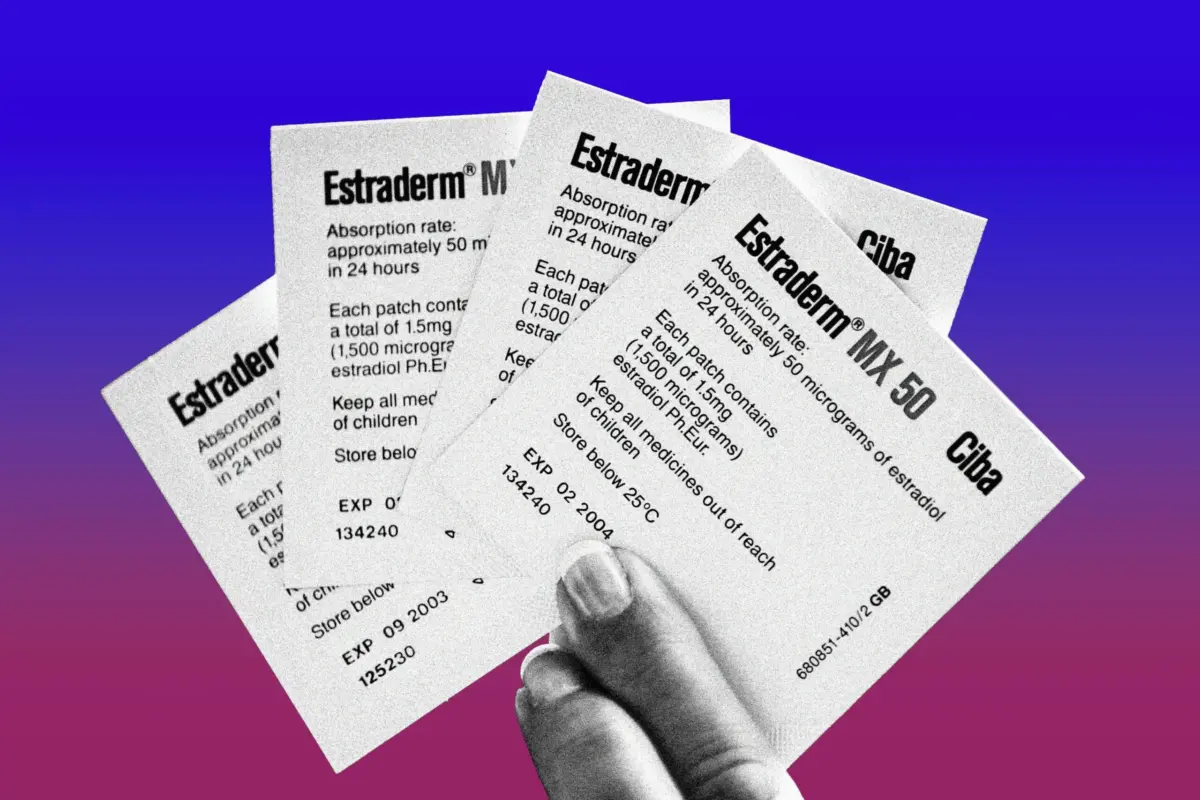
Modern consensus now recognizes that for women under 60—or within 10 years of menopause onset—the benefits of HRT (particularly modern transdermal forms like patches and gels, which carry lower risks of blood clots than oral pills) vastly outweigh the risks for the vast majority of patients. This scientific pivot created a massive green light for telehealth companies to prescribe HRT at scale, fueling both clinical demand and digital marketing campaigns.
Official Statements and Expert Perspectives
The intersection of technology, commercialization, and women’s health has elicited a wide range of responses from medical professionals, tech industry analysts, and cultural commentators.
Kate Knibbs on the Internet’s Role
In her discussion on What Next: TBD, WIRED senior writer Kate Knibbs highlighted the unique role digital platforms played in accelerating this cultural shift.
"Perimenopause’s journey from a little-understood phase before menopause to the subject of every ad on social media for women of a certain age was quick—and impossible to imagine without the internet,"
— Kate Knibbs, Senior Writer, WIRED
Knibbs points out that while the internet successfully broke a decades-long cultural taboo and gave women the language to advocate for themselves, it simultaneously exposed them to aggressive, algorithm-driven consumerism. The same digital architecture that connects a struggling woman to an empathetic support group also exposes her to predatory marketers selling unproven, expensive supplements with dubious scientific backing.
Medical Societies and Clinical Caution
Major medical organizations, including the American College of Obstetricians and Gynecologists (ACOG) and The Menopause Society (formerly NAMS), have welcomed the destigmatization of perimenopause while issuing cautious warnings regarding unregulated digital health products.
In recent clinical guidance updates, medical leaders have emphasized the importance of individualized care. While celebrating the normalization of conversations around hot flashes, night sweats, and cognitive shifts, clinicians urge patients to distinguish between evidence-based medical treatments (such as FDA-approved hormone therapy) and unregulated wellness supplements that promise miraculous, overnight transformations without scientific validation.
The Intersection of Wellness and Political Movements
Adding another layer of complexity to the perimenopause landscape is its convergence with broader cultural and political shifts, including the rising "Make America Healthy Again" (MAHA) discourse. Discussions surrounding chronic illness, skepticism toward traditional pharmaceutical models, and a renewed emphasis on holistic, lifestyle-based wellness have found a receptive audience among midlife women.
While this skepticism often empowers women to question dismissive medical practices, it can also create fertile ground for misinformation, vaccine hesitancy, and the proliferation of costly, unverified alternative therapies that exploit patients’ frustrations with mainstream healthcare.
Future Outlook: Navigating the Perimenopause Landscape
As the perimenopause gold rush matures, several critical questions loom over the horizon for healthcare providers, technologists, and consumers alike.
1. Consumer Literacy vs. Algorithmic Exploitation
The primary battleground for the future of midlife women’s health will be information literacy. As algorithmic marketing grows more sophisticated, distinguishing between evidence-based clinical care and profit-driven snake oil will become increasingly difficult. Empowering women with robust, scientifically accurate education—free from both medical paternalism and exploitative wellness marketing—is essential.
2. The Evolution of Insurance and Accessibility
While telehealth startups have successfully expanded access to HRT and specialized care, many of these platforms operate on cash-only or subscription models that privilege affluent patients. A critical frontier for the future will be integrating specialized perimenopause and menopause care into mainstream health insurance networks, ensuring that working-class women and marginalized communities have equal access to life-improving treatments.
3. Institutional Medical Reform
Perhaps the most enduring legacy of the perimenopause digital boom will be its pressure on traditional medical education. Medical schools, residency programs, and continuing education frameworks can no longer afford to sideline menopause and perimenopause training. As patients arrive at doctor’s offices armed with digital research, symptom trackers, and telehealth alternatives, traditional physicians are being forced to adapt, listen, and update their clinical practices.
Conclusion
Perimenopause has officially stepped out of the shadows and onto our screens. While the journey from a hushed medical taboo to an aggressive digital marketplace has been chaotic, messy, and heavily commercialized, the net outcome represents a profound cultural victory. Midlife women are no longer willing to suffer in silence, accept medical dismissal, or navigate their endocrine transitions alone. By leveraging the internet, demanding better clinical standards, and building resilient communities, women have permanently rewritten the narrative of aging—turning a once-ignored biological phase into a powerful movement for health autonomy.