Executive Overview
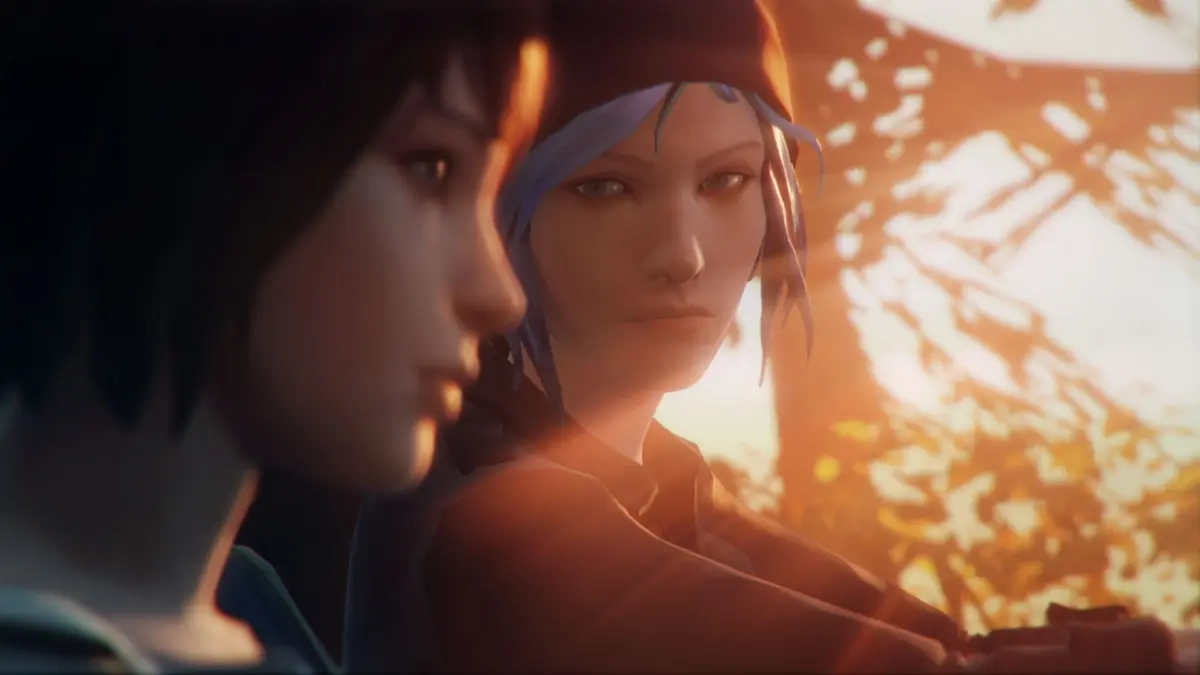
Just over a year after Amazon MGM Studios and Square Enix officially greenlit a live-action television adaptation of the critically acclaimed 2015 narrative adventure game Life Is Strange, the project has reached a monumental production milestone. Cinematographer Vincent De Paula confirmed that principal photography for the series has officially wrapped, bringing the beloved fictional universe of Arcadia Bay and its iconic protagonists, Max Caulfield and Chloe Price, one step closer to television screens worldwide.
The announcement arrives amidst a fascinating period of cross-media expansion and narrative reckoning for the Life Is Strange intellectual property. With a heavyweight creative team spearheading the adaptation—including showrunner Charlie Covell (*The End of the F**ing World) and visionary director Karyn Kusama (Jennifer’s Body, Yellowjackets)—the series aims to capture the raw emotional resonance, time-bending mechanics, and deeply personal character dynamics that first captivated millions of gamers a decade ago.
This production milestone also coincides with a transformative year for the gaming side of the franchise. Following the mixed critical and commercial reception of 2024’s Life Is Strange: Double Exposure and the subsequent release of Life Is Strange: Reunion earlier this year—a title explicitly designed to give Max and Chloe a definitive narrative sendoff—the television adaptation arrives at a critical crossroads. As Amazon MGM prepares to enter post-production, industry analysts and passionate fans alike are watching closely to see whether the prestige streaming format can revitalize the brand, bridge ideological divides within the community, and introduce the time-rewinding phenomenon to a mainstream television audience.
Detailed Chronology: From Pixelated Polaroids to Live-Action Production
To understand the magnitude of the television adaptation wrapping production, it is essential to trace the turbulent and deeply passionate history of the Life Is Strange franchise, from its humble episodic beginnings to its multi-platform expansion.
2015–2018: The Birth of a Phenomenon
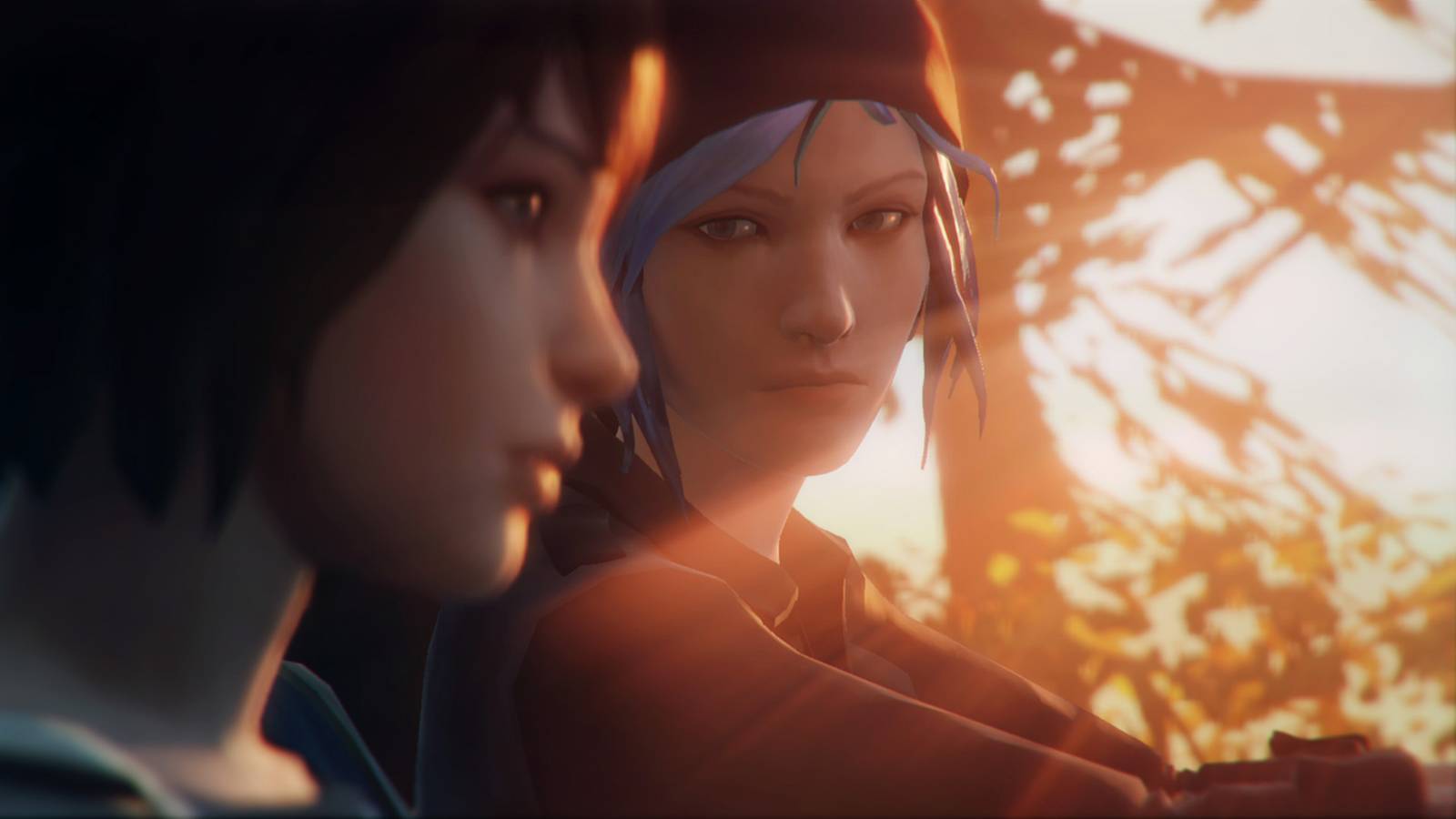
Developed by Don’t Nod and published by Square Enix, the original Life Is Strange debuted in early 2015 as a five-part episodic narrative game. Set in the fictional coastal town of Arcadia Bay, Oregon, the story followed Max Caulfield, an 18-year-old photography student who discovers she possesses the extraordinary ability to rewind time. Reunited with her rebellious childhood best friend, Chloe Price, Max uses her powers to investigate the mysterious disappearance of fellow student Rachel Amber while navigating the dark underbelly of Blackwell Academy.
The game became an instant cultural touchstone. Praised for its sensitive exploration of trauma, queer romance, teenage isolation, and the agonizing weight of consequential choices, it spawned a massive, deeply dedicated fandom. Sequels, spin-offs, and comic book continuations followed, cementing Max and Chloe as queer icons in modern video game history.
October 2024–October 2025: The Amazon Greenlight
Rumors of a live-action adaptation had swirled for years, but the project finally materialized into formal reality in late 2024. Amazon MGM Studios and Square Enix announced that a high-profile series adaptation had been officially greenlit. Over the subsequent twelve months, a steady stream of high-caliber casting and crew announcements trickled out, though a definitive release window remained carefully guarded by studio executives.
October 2026: The Milestone Announcement
The silence surrounding production finally broke in October 2026, when cinematographer Vincent De Paula took to Instagram to announce that filming had officially concluded. De Paula shared a digital collage styled to look like physical Polaroid photographs—a direct homage to Max Caulfield’s signature aesthetic in the games. The collage juxtaposed behind-the-scenes production stills with imagery of the two lead actors and classic key art from the 2015 title, emblazoned with the words "WRAPPED!!" and accompanied by the caption, "Can’t wait to show you what we did."
Adding an eerie layer of synergy for fans, the wrap announcement coincided precisely with the in-game timeline of the original title, which takes place between October 7 and October 11, 2013.
Supporting Context & Metrics: The Creative Engine and the Gaming Landscape
Behind the Camera and On Screen
Amazon’s television adaptation is backed by an impressive roster of creative talent known for handling complex, character-driven narratives and dark thematic material.
- The Showrunner: Charlie Covell, celebrated for their work on Netflix’s critically acclaimed adaptation of *The End of the F**ing World, serves as writer, executive producer, and showrunner. Covell’s distinct voice for youthful cynicism, vulnerability, and dark comedy makes them an ideal fit for the tone of Life Is Strange.
- The Directors: Karyn Kusama, renowned for her atmospheric and psychological direction in features like Jennifer’s Body and prestige television like Showtime’s Yellowjackets, is directing the first two episodes, setting the visual and tonal baseline for the series.
- The Cast: Rising stars Maisy Stella (My Old Ass) and Tatum Grace Hopkins lead the series as Chloe Price and Max Caulfield, respectively. The robust supporting ensemble features seasoned talent and notable young actors, including Tom Cullen, Leisha Hailey, Raúl Castillo, Owen Teague, Billy Barratt, Emily Carey, Esther McGregor, Faly Rakotohavana, and Mia Isaac.
The Current State of the Franchise
The television series does not exist in a vacuum; it arrives on the heels of major developments within the video game franchise. Earlier this year, Square Enix released Life Is Strange: Reunion, a direct sequel designed to bridge the narrative gaps between 2024’s Double Exposure and the 2015 original.
Reunion was explicitly billed by developers as the definitive final chapter for Max and Chloe’s story, attempting to soothe fan dissatisfaction regarding how the pair’s romantic and platonic relationships were managed in Double Exposure. The game’s release yielded mixed critical reviews: some critics argued the narrative leaned too heavily into fan-fiction tropes to appease the audience, while others praised it as the emotional, healing sendoff the characters deserved.
From a commercial standpoint, Square Enix disclosed that Reunion managed to exceed internal sales expectations. However, industry analysts note this success was largely relative, coming off the heels of the underperformance of Double Exposure. With Max and Chloe’s video game narrative officially closed, the future of the broader Life Is Strange game ecosystem remains uncertain, placing immense pressure on the Amazon TV series to carry the torch for the intellectual property.
Official Statements and Industry Insights
While neither Amazon MGM Studios nor Square Enix has released a comprehensive promotional trailer or an official premiere date, studio statements and crew communications offer clear insights into their strategic vision.

Vincent De Paula’s Instagram reveal emphasized the cast and crew’s dedication to capturing the intimate, handcrafted aesthetic of the source material. By framing the production wrap announcement through Polaroid-style imagery, the production team signaled a clear commitment to honoring the visual motifs that defined the original game.
In previous statements regarding the greenlight, representatives from Amazon MGM Studios highlighted the unique challenge of adapting interactive media into linear television. The goal, according to production insiders, is not merely to retell the video game beat-by-beat, but to leverage the prestige television format to expand upon the psychological depth of Arcadia Bay, examining the existential dread of adolescence and the moral complexities of wielding superhuman power.
Charlie Covell’s involvement has also been heavily praised by literary and television critics, who view the showrunner’s signature blend of empathetic heartbreak and biting realism as the ideal antidote to previous, poorly executed video game-to-screen adaptations.
Future Outlook: Can the Adaptation Revitalize the Franchise?
As Amazon MGM Studios transitions the Life Is Strange series into post-production, the industry is left evaluating the long-term viability of video game adaptations in the streaming era. Following massive successes like HBO’s The Last of Us and Amazon’s own Fallout, audience expectations for game-to-screen projects have reached an all-time high. Viewers no longer tolerate cheap cash-grabs; they demand deep narrative fidelity, high production values, and emotional authenticity.
For Life Is Strange, the stakes are uniquely high. The fanbase is intensely protective of Max and Chloe, having endured years of narrative pivots, spin-offs, and contentious sequel storylines. If Covell, Kusama, and the cast can successfully translate the atmospheric dread, quiet teenage melancholia, and time-manipulation mechanics of Arcadia Bay into a compelling television format, the series has the potential to transcend its gaming origins and capture a massive mainstream audience.
Furthermore, with the video game side of the franchise currently in a state of quiet introspection following the release of Life Is Strange: Reunion, the television show could serve as the ultimate catalyst for a franchise renaissance. As post-production gets underway, fans worldwide are left waiting for the next major reveal—holding out hope that when Max and Chloe finally step back into the spotlight, time will bend in their favor once more.