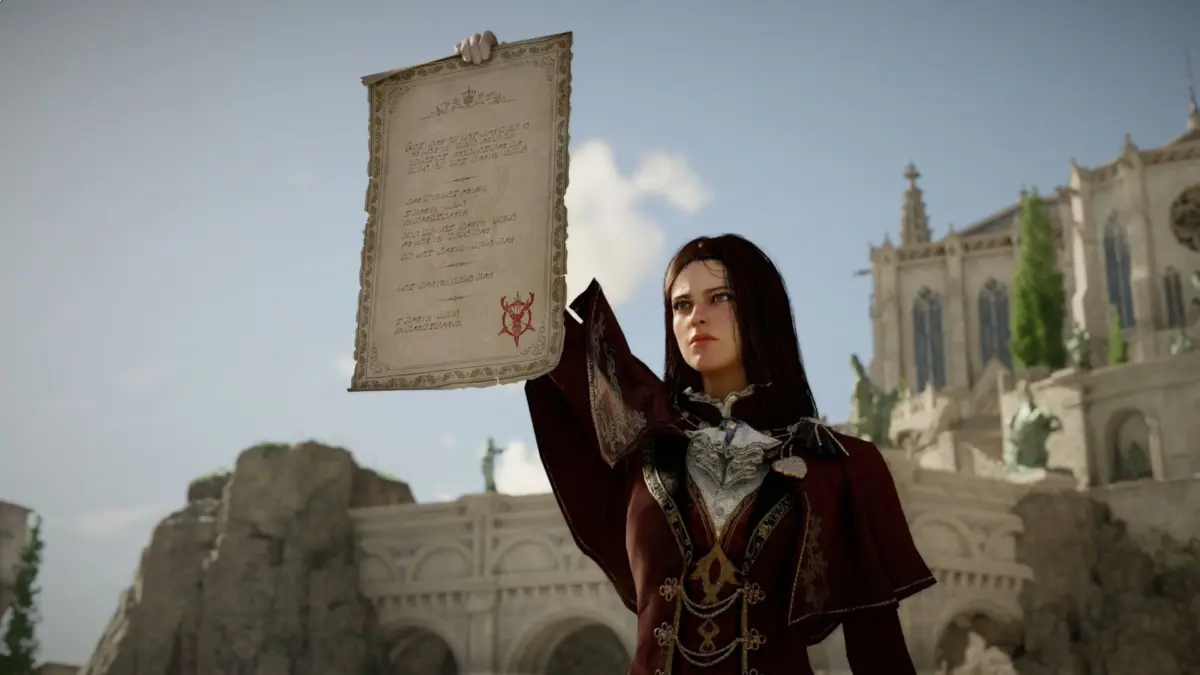
In the fast-paced modern gaming landscape, day-one reviews have long served as the ultimate barometer for consumer trust and commercial success. However, as development pipelines grow more complex, live-service patches roll out at breakneck speeds, and pre-launch review builds diverge wildly from day-one patch states, a profound friction has emerged between critics and creators. Nowhere is this dynamic more vividly illustrated than in the post-launch trajectory of Pearl Abyss’s ambitious open-world action RPG, Crimson Desert.
Following its much-anticipated release, Crimson Desert walked a tightrope of critical reception. Reviewers praised its soaring ambitions, jaw-dropping visual fidelity, and moments of genuine artistic brilliance, yet simultaneously flagged a dizzying array of design friction points—ranging from awkward inventory constraints and underbaked narrative structures to an overwhelming density of systemic activities. Interestingly, Pearl Abyss has since pointed to the limitations of the pre-launch review period, arguing that critics simply lacked the time to truly immerse themselves in the sprawling, hidden intricacies of its virtual world.
At the same time, the game’s rapid-fire post-launch updates have proven that Pearl Abyss is listening, swiftly implementing quality-of-life adjustments like private storage chests mere days after release, and later deploying major overhauls—such as the "2.0" update—to deepen protagonist Kliff’s psychological and narrative depth. This article delves into the evolving saga of Crimson Desert, exploring the chasm between review builds and living games, the dizzying array of overlapping game loops that define its identity, and the broader implications of a title that fundamentally refuses to stay the same.
Detailed Chronology: From Launch Friction to the Living Patch Era
To truly understand the current state of Crimson Desert, one must map out the timeline of its transformation. The journey from its initial review period to its modern incarnation is a masterclass in reactionary game development—where player feedback and critical notices are met with an almost dizzying turnaround time from the development floor at Pearl Abyss.
The Pre-Launch Build and Critical Limitations
Ahead of the game’s commercial release, media outlets were provided with early review builds. As Pearl Abyss representatives later noted in industry discussions, these builds were structurally distinct from the final versions deployed to the public. More critically, the window allotted for critics to explore the title was severely restricted.
Given Crimson Desert’s massive footprint, reviewers found themselves racing against the clock. Instead of organically discovering the nuanced, interlocking ecosystems, hidden narrative cues, and secret mechanics scattered across the map, critics were forced down a high-tempo critical path. This inevitably led to friction; systems felt opaque, pacing felt erratic, and minor inconveniences—such as restrictive inventory management—became major pain points simply because reviewers lacked the hundreds of hours required to naturalize themselves to the game’s unconventional rhythms.
The First Four Days: Immediate Reactionary Adjustments
The divide between the reviewer experience and the live player base became apparent almost immediately upon release. Critics flagged fundamental quality-of-life issues, chief among them being a frustrating lack of accessible storage options across the world.
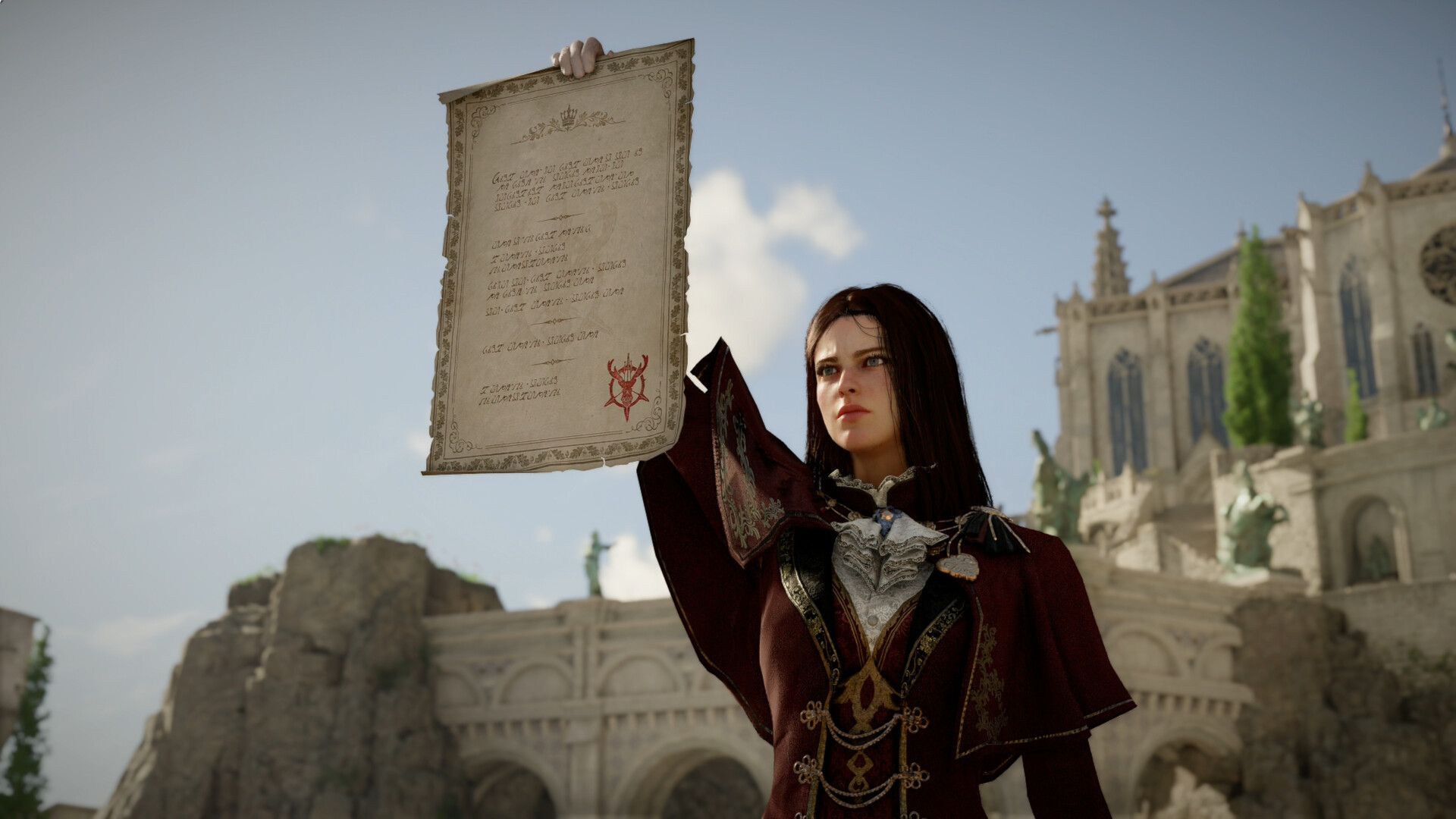
In a testament to Pearl Abyss’s reactive development stance, the response was instantaneous. Just four days after the game went live, a patch materialized out of nowhere, introducing private storage chests to alleviate player inventory woes. While this initial fix was celebrated, it also highlighted a secondary issue: the placement of these chests. True to form, player complaints about chest locations were logged, addressed, and rectified within a matter of days. This blistering pace established a new precedent: Crimson Desert was not a static artifact, but a living, breathing canvas being sculpted in real-time by both its creators and its community.
The 2.0 Update and Narrative Facelifts
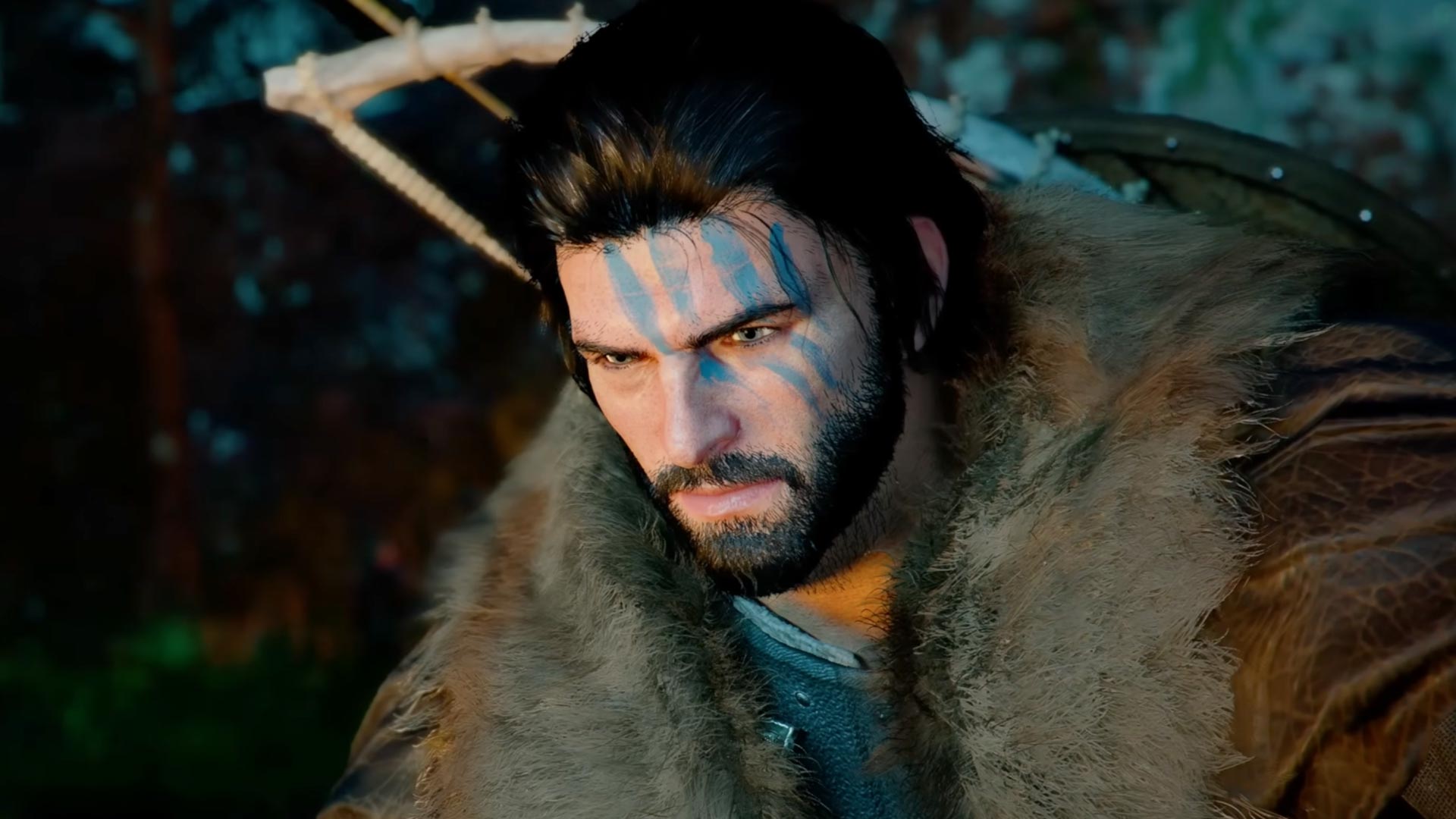
As the weeks turned into months, Pearl Abyss moved past superficial quality-of-life tweaks and targeted the game’s structural backbone. One of the most prominent criticisms leveled against Crimson Desert at launch was its protagonist, Kliff. While visually striking, reviewers felt his personal motivations and inner life were somewhat underbaked, pushed aside in favor of broader world-ending plot machinations.
In response, the studio rolled out the sweeping "2.0" update series. The most surprising and ambitious pillar of this update cycle was a concerted effort to humanize Kliff—fleshing out his internal monologue, clarifying his moral quandaries, and giving him distinct thoughts and opinions on the world around him. While these narrative overhauls successfully elevated the storytelling, they also underscored an ongoing balancing act: as narrative depth increased, so did the sheer volume of competing gameplay systems, threatening to push players further toward analysis paralysis.
Supporting Context & Metrics: A Taxonomy of Overwhelming Systems
To appreciate why Crimson Desert polarizes both critics and fans, one must look at the sheer weight of its gameplay loops. Pearl Abyss has constructed a title that rejects the streamlined minimalism of modern AAA design in favor of a maximalist, kitchen-sink approach to mechanics.
The Review Score Context
Despite the initial grievances regarding storage, narrative pacing, and systemic density, major outlets like PC Gamer ultimately awarded the title a solid score of 80 out of 100. Within standardized critical frameworks, an 80 denotes "a great game with exceptional moments or features; touches of brilliance that we love."
This score captures the fundamental dichotomy of Crimson Desert: it is a game that routinely frustrates its audience with structural overcomplication, yet continually wins them back through sheer audacity, breathtaking set-pieces, and moments of unbridled emergent gameplay.
The Mechanical Menagerie
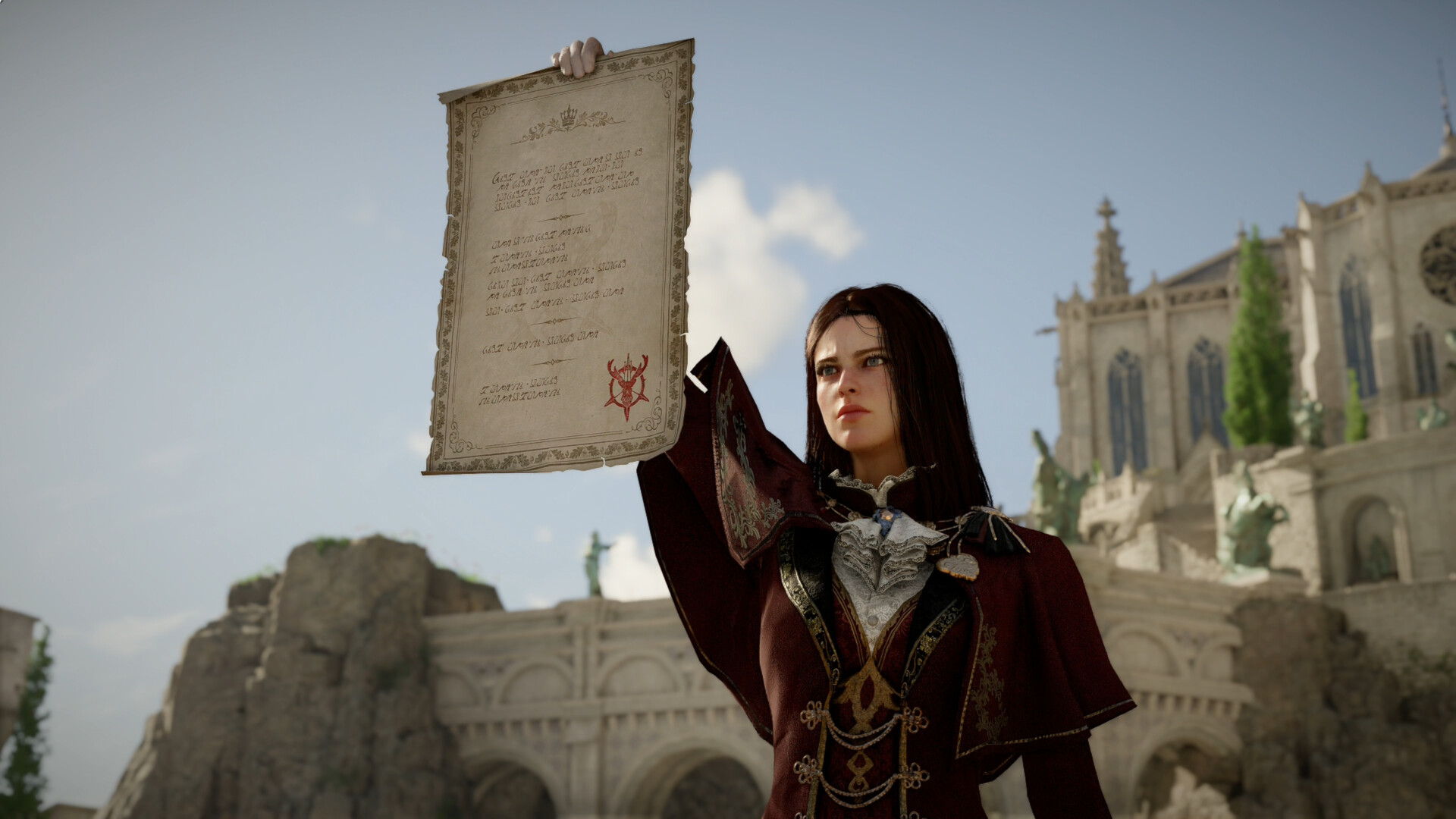
Even before considering post-launch additions, the baseline feature set of Crimson Desert reads like an exhausted developer’s fever dream. The title casually crams the following systems into a single cohesive package:
- Camp Management: Directing and upgrading operational hubs.
- Complex Minigames: Ranging from tavern pastimes to survival trials.
- Pet Loyalty & Collection: Nurturing companion animals with persistent utility.
- Transmog Systems: Deep visual customization for gear and armor.
- Market Manipulation & Banking: Engaging in a simulated in-game economy.
- Survival Mechanics: Comprehensive cooking and fishing systems.
- Mount Collection & Training: Taming and riding diverse beasts of burden.
- Bounty Hunting: Tracking and eliminating high-value targets across the open world.
When stacked on top of one another, these features create an environment of total sensory and cognitive overload. For some, this represents a lack of editorial focus—proof that Pearl Abyss struggled to decide whether Crimson Desert should be a gritty action-adventure, a management simulator, or an MMO-lite sandbox. For others, however, this very messiness is its greatest selling point. As noted by industry commentators, the game’s refusal to streamline its systems gives it a chaotic, unpredictable charm that is increasingly rare in sterile, focus-tested modern releases.
Official Statements and Industry Perspectives
The discourse surrounding Crimson Desert extends far beyond traditional review scores, touching on broader industry debates regarding how games are evaluated, consumed, and updated.
Pearl Abyss on the Critical Divide
Addressing the mixed critical reception in a candid interview with The Game Business, a Pearl Abyss spokesperson offered a balanced perspective on the friction between reviewers and developers:
"I do believe both parties have fair points, especially for the critics—they had to play the build that is not the exact same version of the launched game. Also they had limited time… But [in] Crimson Desert, our unique charm is spread all over our in-game world. All those tiny details that are hidden… I don’t think critics had a fair chance to explore and experience them while in the review period."
This statement strikes at the heart of modern game criticism. When a game relies heavily on emergent, slow-burn systemic interactions hidden away in the corners of a massive open world, a compressed pre-launch review window naturally penalizes it. Reviewers, operating under strict embargo deadlines, must focus on critical paths and core loops, inevitably missing the ambient flavor text, hidden quests, and environmental storytelling that reward long-term exploration.
The Critical Retrospective
Reflecting on the game’s evolution a month post-release, critics have openly acknowledged the strange reality of reviewing a moving target. Reflecting on the rapid deployment of storage chests, reviewers noted the surreal experience of publishing a critique about an inventory limitation only to see it solved within 96 hours.
At the same time, internal debates within gaming publications have highlighted a schism in player tastes. While traditional reviewers often crave structural elegance and narrative focus, editorial staff members have championed the game precisely because it is a glorious, unbridled mess. The sentiment—"Crimson Desert is great because it’s a total mess, not in spite of it"—captures a growing faction of players who are exhausted by hyper-polished, predictable open-world formulas and yearn for games willing to swing wildly for the fences, even if some of those swings result in chaos.
Future Outlook: What Lies Ahead for Pearl Abyss’s Epic?
As Crimson Desert continues to mature past its initial launch window, the gaming community is left to wonder: where does a game of this scale go next?
Given the blistering velocity at which Pearl Abyss has rolled out patches, hotfixes, and structural overhauls, the game of today bears only a passing resemblance to the game reviewed months ago. If this trajectory holds, the Crimson Desert of next year will likely introduce entirely new layers of complexity to its already staggering feature list.
Industry observers jokingly speculate on what mechanical madness might be added next—ranging from intricate beer distillation mechanics and advanced dressmaking systems to unexpected tactical RTS modes grafted onto the existing combat framework. While these suggestions are tongue-in-cheek, they underscore the unpredictable nature of a studio that clearly refuses to let its creation sit still.
Ultimately, Crimson Desert has transcended its status as a mere product launch to become a living case study in the modern games industry. It bridges the gap between pre-launch critical evaluation and post-launch collaborative development. Whether viewed as an overstuffed, chaotic experiment or a brilliant, multifaceted masterpiece, one thing is certain: Pearl Abyss has crafted an experience that demands attention, defies easy categorization, and will continue to evolve long after the dust of the crimson sands has settled.