Executive Overview
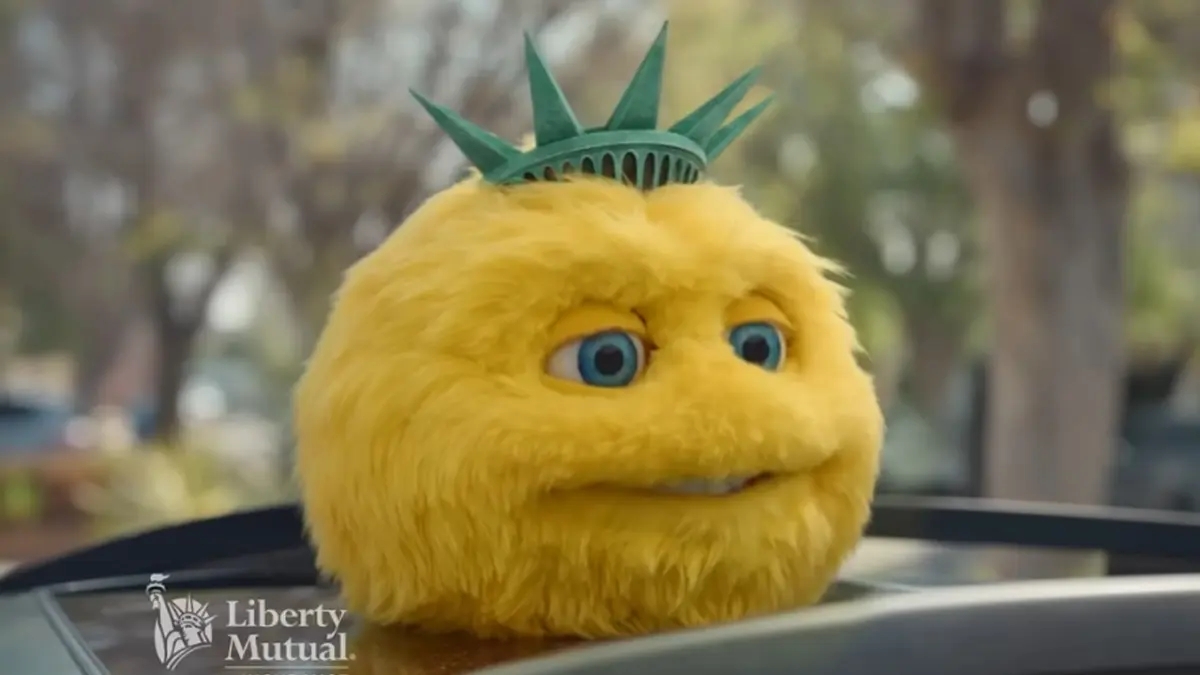
In the fast-paced world of corporate marketing, brands frequently look for distinct, memorable ways to capture consumer attention. For decades, insurance giant Liberty Mutual has relied on quirky, sometimes polarizing advertising strategies—ranging from the iconic Emu and Doug to a procession of offbeat spokespersons. However, the corporate marketing landscape shifted dramatically in July 2026 when Liberty Mutual introduced their newest mascot: "Liberty Biberty," a furry, yellow, crown-wearing creature designed by the legendary Jim Henson’s Creature Shop.
Far from receiving a warm public welcome, the debut of Liberty Biberty ignited a firestorm of immediate digital backlash, viral mockery across social media platforms, and, ultimately, unprecedented real-world civil action. What began as a multi-million-dollar commercial campaign quickly morphed into a digital phenomenon, culminating in an actual physical protest outside Liberty Mutual’s corporate headquarters in Boston, Massachusetts, by late October 2026.
This deep-dive investigative report examines the origins of the Liberty Biberty character, the anatomy of the digital outrage that followed its debut, the rapid spread of viral memes across X (formerly Twitter), TikTok, and YouTube, and the surreal escalation from online shitposting to offline activism. Through examining metrics, public sentiment, and cultural impact, we uncover how modern corporate advertising and internet meme culture collide with unpredictable, combustible results.
Detailed Chronology
July 2026: The Birth of a Meme and Immediate Backlash
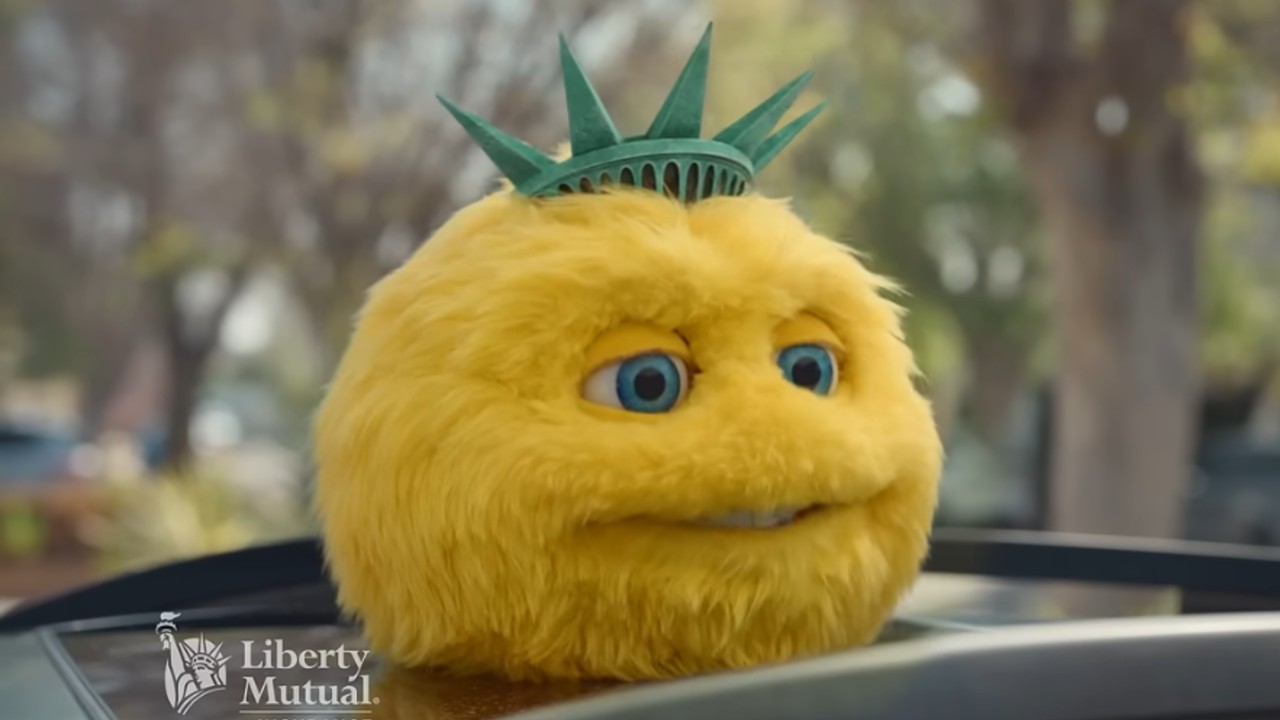
The saga officially began on July 20, 2026, when Liberty Mutual unleashed its latest commercial campaign across television and digital platforms. Central to this campaign was a brand-new mascot: a bright yellow ball of fur equipped with expressive eyes, a mouth, and a miniature crown reminiscent of the Statue of Liberty. Behind the physical creation of the character was Jim Henson’s Creature Shop, a name universally revered for its mastery of practical puppetry and beloved creations like The Muppets.
According to corporate lore, the character’s unique moniker—Liberty Biberty—was a tongue-in-cheek nod to a viral 2019 advertisement in which an on-screen actor hilariously fumbled and mispronounced the insurance company’s name.
Liberty Mutual immediately uploaded the launch commercial to its official YouTube channel, where it rapidly accumulated over 77 million views within three months. Simultaneously, a companion introductory video was pushed to TikTok, pulling in hundreds of thousands of views.
However, viewer reception was overwhelmingly hostile. Rather than endearing the public to the brand, the mascot provoked instant ridicule. Comment sections flooded with sarcastic critiques. One of the top-performing comments on YouTube humorously captured the prevailing public sentiment: "You have 10 seconds to come up with a new mascot for our company or you’re fired!" ahh character.
Late July to September 2026: The Meme Wave Escalates
As summer turned to autumn, public disdain for Liberty Biberty transcended standard consumer annoyance, evolving into full-fledged internet meme culture.
On July 30, 2026—just ten days after the debut—X user @DrakeGatsby posted an image of the furry yellow mascot alongside a violently hyperbolic caption: "Liberty Mutual really thought they did something with this Liberty Bibberty shit. I’ll run that little freak over with my car." The post struck a chord with exhausted internet users, rapidly accumulating over 27,000 likes and millions of impressions over the subsequent three months. The sentiment that the mascot was a "little freak" deserving of digital (and metaphorical physical) violence became a rallying cry for anti-mascot internet users.
The internet’s creative derision knew no bounds. On September 27, 2026, X user @BarryOnHere posted a classic GIF from The Sopranos featuring characters Pauly and Christopher aggressively firing handguns downward into the pavement, captioned simply: "Liberty Biberty." The post went viral, securing over 127,000 likes in under a month and cementing the mascot’s status as a universal symbol of internet exasperation.
October 2026: From Shitposting to Real-World Protests
What typically remains confined to ironic internet spaces soon bled violently into the physical world. On October 9, 2026, popular YouTuber DimesAreTasty uploaded a video officially announcing an organized real-world protest against Liberty Biberty. Scheduled for October 25, 2026, the protest was intended to take place directly outside Liberty Mutual’s corporate headquarters in Boston, Massachusetts. The video struck a nerve, surging past 600,000 views in less than three weeks and transforming an ironic internet joke into an actionable public event.
True to their digital word, a crowd of internet culture enthusiasts, meme creators, and disgruntled critics actually converged on Liberty Mutual’s Boston headquarters on October 25. The demonstration featured handmade signs mocking the mascot. Notably, X user @500crabs shared a photograph of protestors on the day of the rally, highlighting a sign depicting Liberty Biberty embedded within the infamous Fukouna Shoujo 03 device—a dark piece of niche internet iconography. The tweet pulled in over 20,000 likes within five days, bridging the gap between surreal internet subcultures and corporate brick-and-mortar reality.
The momentum continued even after the protest concluded. On October 29, TikTok creator @isaaclele3 published a viral sketch where he pretended to uncover a classified, top-secret internal document regarding Liberty Biberty hidden deep within the official Liberty Mutual website. The skit garnered over 335,000 views in a single day, proving that public fascination—and fatigue—with the yellow fur ball showed no signs of slowing down.
Supporting Context & Metrics
To fully understand the cultural footprint of Liberty Biberty, one must examine the quantifiable metrics driving its online footprint:
- YouTube Launch Traction: The primary commercial video amassed 77 million views in three months, ensuring massive top-of-funnel exposure, albeit largely tied to negative sentiment and hostile comment sections.
- Viral X (Twitter) Engagement: Key breakout tweets, such as @DrakeGatsby’s car-running threat and @BarryOnHere’s Sopranos GIF, secured 27,000 likes and 127,000 likes respectively, indicating widespread organic sharing across diverse digital subcultures.
- Protest Mobilization: DimesAreTasty’s YouTube announcement video crossed 600,000 views, successfully bridging online discourse with physical turnout in downtown Boston.
- Cross-Platform Spillover: TikTok content creators capitalized on the trend, with satirical videos pulling in upwards of 335,000 views within 24 hours of posting.
The phenomenon highlights a growing trend in modern advertising: "rage-bait" or deliberately polarizing branding. While legacy marketing models operated under the assumption that any press is good press, the Liberty Biberty case study demonstrates that modern audiences will actively organize, weaponize irony, and protest characters that feel entirely out of touch with contemporary cultural aesthetics.
Official Statements and Corporate Silence
Curiously, as of the publication of this report, Liberty Mutual has maintained a largely defensive posture of corporate silence regarding the fierce backlash. While the company continues to run the commercial rotation—relying on the sheer volume of impressions generated by the Jim Henson-crafted creature—executives have declined to comment on the October 25 Boston protest or the viral wave of hostility across X and TikTok.
Industry analysts remain divided on whether the campaign should be deemed a failure or a misunderstood success. From a pure metrics standpoint, Liberty Biberty achieved unprecedented brand recall and engagement figures in a matter of weeks. However, the qualitative sentiment remains overwhelmingly toxic, raising questions about whether long-term brand equity is being sacrificed for short-term viral visibility.
Future Outlook
As we look toward the remainder of the year and into the future of corporate advertising, the Liberty Biberty campaign will likely be studied in business and marketing schools as a watershed moment in brand-consumer dynamics.
The successful transition of online meme vitriol into a physical, boots-on-the-ground protest in Boston proves that modern consumers no longer passively consume advertisements—they interrogate, parody, and aggressively push back against creative choices they find grating or artificial. Whether Liberty Mutual will double down on the Jim Henson creation, quietly retire the yellow ball of fur to the marketing graveyard, or attempt a satirical pivot remains to be seen. One thing, however, is certain: the era of the safe corporate mascot is officially over, and the public is more than willing to hold brands accountable, one viral shitpost and physical protest at a time.