Executive Overview
In the hyper-connected ecosystem of modern football culture, digital satire frequently bridges the gap between harmless fan banter and high-stakes international controversy. Few internet phenomena demonstrate this volatile mechanism quite like the "Dictator Mbappé" meme. What began in early 2024 as a petty legal dispute between French football superstar Kylian Mbappé and a social media influencer over a kebab dish snowballed into a multi-year global viral sensation.
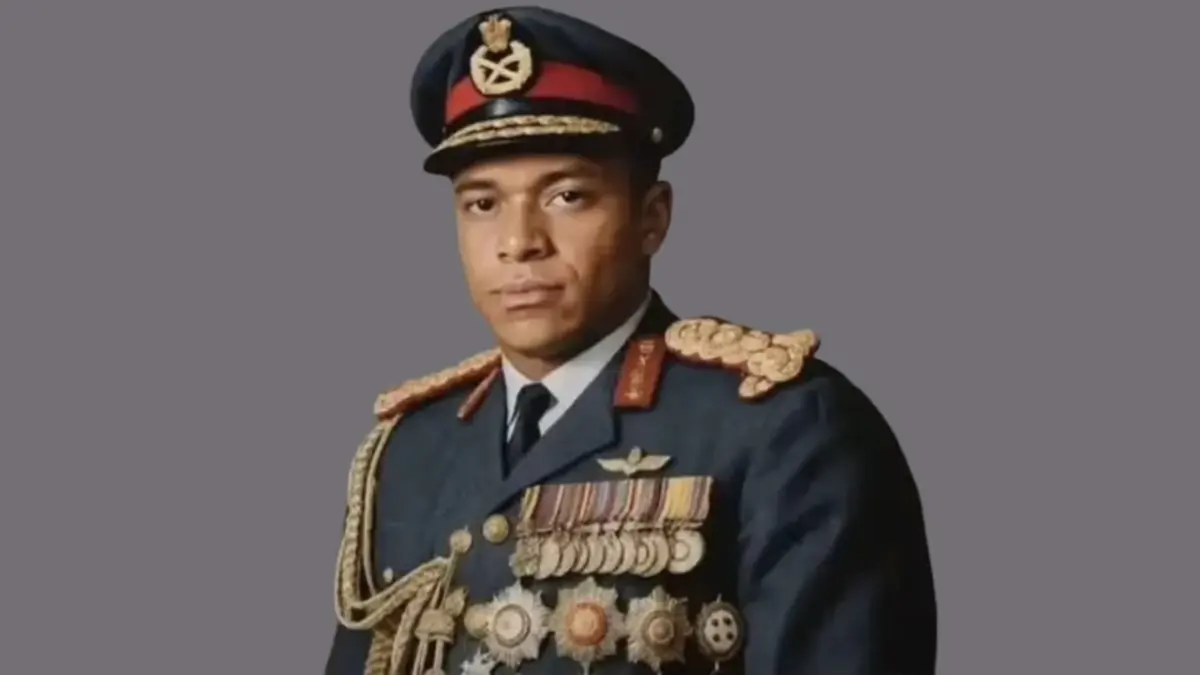
The meme—which depicts Mbappé through AI-generated imagery and Photoshop edits as an authoritarian dictator, frequently drawing comparisons to historical figures such as Mao Zedong—evolved from a niche subreddit joke into a dominant TikTok trend. However, the phenomenon transcended internet subcultures in late October 2026, when the Real Madrid forward openly embraced the joke during a televised interview. His lighthearted admission that he found the Mao Zedong iterations the funniest sparked a ferocious backlash across Chinese social media, triggered the swift cancellation of lucrative commercial endorsement deals, drew the ire of state-backed media, and forced a formal, high-profile public apology from both the player and La Liga.
This comprehensive investigative report chronicles the trajectory of the "Dictator Mbappé" phenomenon, examining its origins in legal overreach, its amplification through algorithmic social media, its accidental fuel via the Streisand Effect, and the severe geopolitical and commercial fallout that ensued when online irony collided with international diplomacy.
Detailed Chronology: From Courtrooms to the Global Stage
1. The Genesis: The Kebab Incident (March 2024)
The foundation for the "Dictator Mbappé" meme was laid not on the football pitch, but in the courtroom. On March 15, 2024, reports surfaced that Mbappé’s legal representation had issued a formal legal notice to prominent French social media influencer Mohamed Henni. The provocation? Henni had named a local kebab dish after the footballer, using the marketing description: "Bakery bread, as round as Mbappé’s head."
Rather than ignoring the harmless culinary pun, the legal escalation provoked a furious, viral response from Henni, who publicly accused the player of taking himself far too seriously. In a blistering video rant that resonated across French social media, Henni declared:
"He filed a complaint against me for that! For a kebab… Mbappe, he’s turned his name into a dictatorship. Mbappe, ‘Mba — round bread’. Over a kebab. Aren’t you ashamed, Kylian? You’ve got nothing else to do. Mbappe attacks more in the court than on the pitch."
This framing of Mbappé as an authoritarian figure intolerant of minor public jabs provided meme architects with their primary narrative thread. On November 17, 2024, Reddit user TheSefi76 posted an edit to the /r/soccercirclejerk community superimposing Mbappé’s face onto the iconic imagery of Chinese Communist Party Chairman Mao Zedong. Though modest in initial engagement, this digital artifact planted the seed for what would become an international internet staple.
2. Amplification and the Real Madrid Transition (January – April 2026)
The meme lay dormant until early 2026, when operational changes at Real Madrid provided fresh narrative fuel. Following the departure of manager Xabi Alonso in January 2026, unsubstantiated rumors spread online alleging that Mbappé had orchestrated the coach’s dismissal. A viral video clip showing Mbappé refusing to participate in a guard of honor for Alonso further entrenched the perception among detractors that the forward wielded excessive internal control over his clubs.
Capitalizing on this perception, short-form video creators on TikTok began producing high-production-value edits framing Mbappé as a ruthless military commander. On March 23, 2026, TikTok user @life_of_marvel_shocker published a montage labeling him "Dictator Mbappé," juxtaposing clips of him alongside players who had been sold or transferred. The video exploded, generating over 13.2 million views in two weeks and sparking a cascading wave of copycat content across TikTok and X (formerly Twitter).
[March 2024: Kebab Legal Dispute]
       │
       ▼
[Nov 2024: First Mao Edit on Reddit]
       │
       ▼
[Jan 2026: Xabi Alonso Departure Rumors]
       │
       ▼
[March-April 2026: TikTok Viral Explosion & Streisand Effect]
3. The Streisand Effect and Rumored Backlash (April 2026)
As millions of views accumulated, unconfirmed rumors began to circulate in early April 2026 suggesting that Mbappé was intensely displeased with the moniker. An unverified report published on X by @TFRHQ5 claimed that the player had contacted FIFA demanding regulatory action against the trend under threat of stepping away from football entirely.
While the report lacked official verification, the mere suggestion of player sensitivity triggered a classic Streisand Effect. Rather than suppressing the trend, the rumors inspired an influx of ironic submissions. Users doubled down on military-themed video edits, AI-generated speeches featuring authoritarian military garb, and hyperbolic historical comparisons, cementing "Dictator Mbappé" as an untouchable titan of football meme culture.
The October 2026 China Controversy and Diplomatic Fallout
The tipping point of the phenomenon occurred during an appearance by Mbappé on the French talk show The Bridge in late October 2026. Invited to discuss his public image and internet culture, the forward was asked which memes about himself he found the most amusing. Mbappé candidly pointed to the satirical edits, highlighting a video depicting him as a "Chinese dictator"—a direct reference to the Mao Zedong iterations that had circulated for nearly two years.
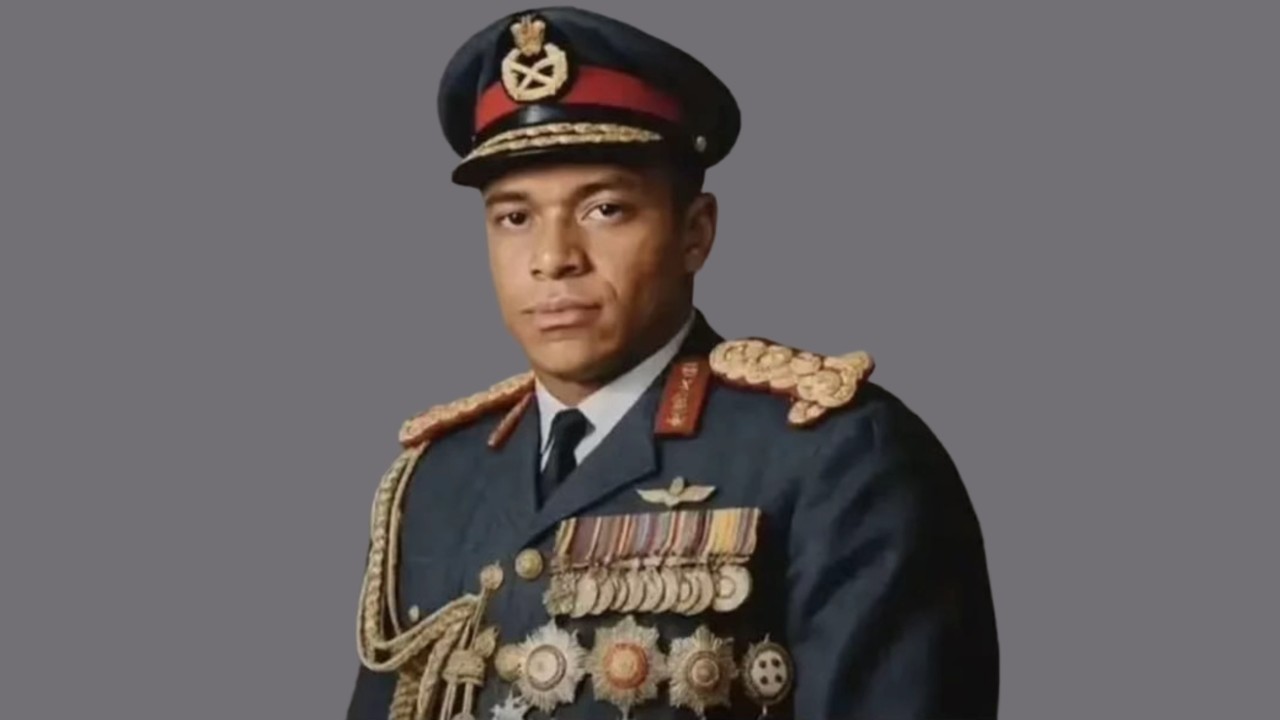
While intended as an innocuous acknowledgment of internet absurdity, the remark proved catastrophic when translated across cultural and linguistic divides.
The Backlash in Chinese Media and Social Spheres
Mao Zedong remains a deeply sensitive, foundational historical figure in the People’s Republic of China. While the dictator’s legacy is globally scrutinized for policies that resulted in millions of deaths, he is officially revered within mainland China as the founding father of the modern state.
Within hours of the interview clip circulating on Chinese social platforms like Weibo and Douyin, public sentiment turned toxic. Netizens condemned Mbappé’s remarks as an egregious display of historical ignorance and cultural disrespect. Calls for a total boycott of the player, his merchandising, and his club, Real Madrid, gained immediate traction.
Commercial and Institutional Consequences
The PR crisis materialized into tangible financial and institutional penalties within days:
- Corporate Endorsements Cancelled: Major Chinese brands swiftly terminated their lucrative partnerships with the French star. Dairy producer Mengniu and beverage company Dongpeng publicly severed ties, citing a breach of corporate values regarding cultural respect.
- State Broadcaster Blackout: Reports confirmed that China Central Television (CCTV) would immediately halt the broadcast of any content featuring Mbappé, alongside a temporary suspension of Spanish La Liga matches to purge the player’s visibility from state-run networks.
- Official Statements: The state-backed Global Times published a stinging editorial capturing the national sentiment: "The message from Chinese consumers is clear: Respect is not optional; one doesn’t get to profit from China while disrespecting it. Not a chance."
The Apology
Recognizing the unprecedented commercial and diplomatic damage, Mbappé issued a formal public apology via his official X account on October 27, 2026. Accompanied by a press release published in both French and Chinese, the statement read:
"During a recent interview, I reacted to an image of myself. My comment was ill-judged, and I now understand that it hurt many people in China and in Chinese communities around the world. I apologise to everyone my words have upset. This was absolutely not my intention. I have deep respect for the Chinese people and their history, and I am sincerely sorry. — Kylian Mbappé"
Shortly thereafter, La Liga released a supplementary statement echoing the apology, noting that the league "deeply regrets the offence that Kylian Mbappé’s recent comments have caused among Chinese fans."
Supporting Context & Cultural Impact Metrics
To quantify the sheer velocity of the "Dictator Mbappé" phenomenon, several digital metrics illustrate its footprint across platforms:
| Platform / Entity | Metric / Milestone | Significance |
|---|---|---|
TikTok (@life_of_marvel_shocker) |
13.2+ million views (March 2026) | Mainstreamed the dictator aesthetic into football FYPs. |
X / Twitter (@theMadridZone) |
4.2M views, 38K likes (Oct 2026) | Amplified the The Bridge interview clip to Western audiences. |
| Kylian Mbappé Official Apology | 31M views, 17K replies (Oct 2026) | Represented one of the fastest-spreading PR statements by an athlete. |
| Chinese Commercial Partners | 2 major brands dropped (Mengniu, Dongpeng) | Demonstrated the financial cost of cross-cultural gaffes. |
The phenomenon also birthed a sprawling sub-genre of fan edits across TikTok, with tags like #dictatormbappe accumulating hundreds of millions of cumulative views. These videos frequently utilized dramatic, totalitarian-style orchestral scores, Soviet-style propaganda poster aesthetics, and deepfake video technology to cast Mbappé as a supreme commander ruling over the Santiago Bernabéu stadium.
Future Outlook
The saga of "Dictator Mbappé" offers a profound case study in the modern intersection of athlete branding, algorithmic meme culture, and global geopolitics.
- Stricter PR Management for Athletes: As elite footballers become global media brands, spontaneous commentary on niche internet subcultures carries unprecedented risk. Mbappé’s misstep highlights the necessity for players and their PR teams to understand the historical context of memes circulating within regional markets, particularly in Asia and the Middle East.
- The Weaponization of Satire: While fanbases have long utilized nicknames and hyperbole to mock players (e.g., "Pendu," "Penaldo," or "The GOAT"), the integration of generative AI video tools means that future memes will be increasingly visceral, hyper-realistic, and difficult for athletes to ignore.
- The Limits of Irony: The swift commercial retaliation from Chinese conglomerates signals that corporate sponsors will no longer tolerate casual cultural insensitivity disguised as internet humor. Moving forward, football clubs and their marquee signings will face heightened scrutiny regarding their public interactions with digital countercultures.
Ultimately, "Dictator Mbappé" began as a humble joke over a round loaf of kebab bread in Paris and evolved into a cautionary tale of how quickly digital amusement can rupture international relations in an interconnected world.