Executive Overview
For the better part of the past two decades, late October in major metropolitan areas carried a singular, predictable aesthetic. Driven by pop culture icons, fast-fashion micro-trends, and the omnipresent influence of social media algorithms, Halloween had effectively transformed into a secondary Valentine’s Day or Carnival. Parties from Brooklyn to Berlin were densely populated by "sexy" iterations of everything imaginable: witches in thongs, animal ears paired with minimalist lingerie, and hyper-stylized versions of film characters whose primary objective was to look photogenic under strobe lights.
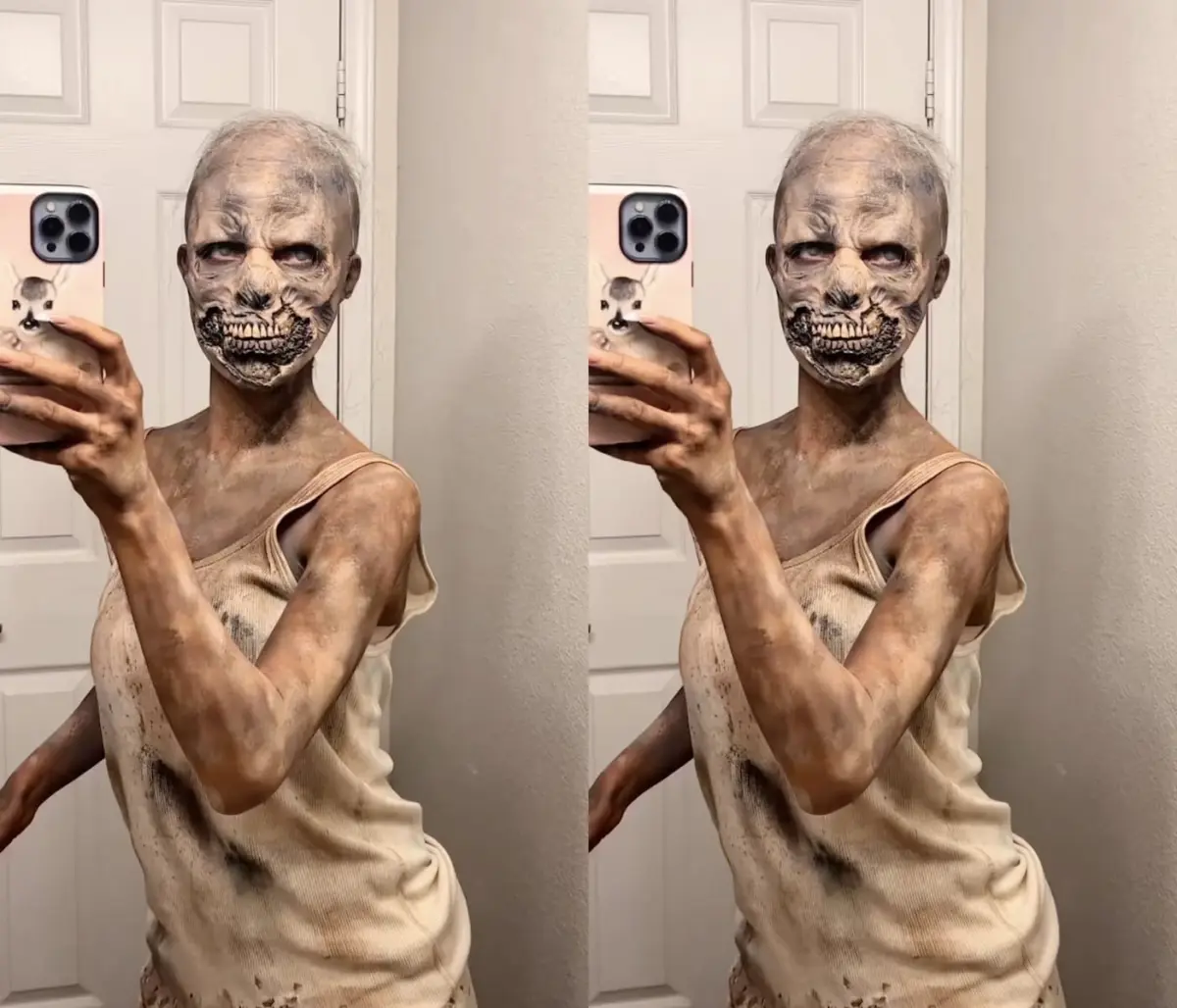
However, a cultural pivot is underway. As we navigate the autumn season, a definitive vibe shift has overtaken the cultural zeitgeist. The pristine, highly filtered era of "Hot Halloween" is steadily giving way to something far more raw, unsettling, and unpolished. TikTok feeds and Instagram carousels are no longer dominated solely by glossy, cookie-cutter glamour; instead, they are flooding with hyper-realistic prosthetics, genuinely terrifying gore, grotesque monsters, and absurdly niche, hyper-online references.
This resurgence of horror and comedy over conventional sex appeal marks a fascinating cultural reclamation. By reconnecting with the ancient roots of the holiday—where disguises were designed to ward off wandering spirits rather than attract admirers—modern creators, makeup artists, and pop-culture enthusiasts are redefining what it means to dress up. This comprehensive report investigates the factors dismantling the "Hot Halloween" monopoly, the mechanics behind the new grotesque aesthetic, and why trading glamor for gruesomeness has become the ultimate form of creative liberation.
Detailed Chronology: From Ancient Roots to the Algorithm and Beyond
To understand the current aesthetic rebellion against "Hot Halloween," it is essential to trace how the holiday evolved from a spiritual boundary-crossing ritual into a commercialized exercise in conventional attractiveness, and how it is now looping back toward its chaotic origins.
Phase 1: The Primordial Veil – The Roots of Samhain
Long before the commercialization of plastic vampire fangs and fun-size candy bars, October 31st marked the ancient Celtic festival of Samhain. Celebrated as the midpoint between the autumn equinox and the winter solstice, Samhain signified the Celtic New Year. Crucially, it was a time when the veil separating the mortal world from the realm of the supernatural was believed to be at its thinnest.
According to folklore, malevolent spirits, fairies, and ghosts crossed over during this liminal window to wreak havoc on the living, damage crops, and cause general mischief. To deceive these entities and avoid recognition, villagers would disguise themselves in animal skins and grotesque masks. The original function of a Halloween costume was purely protective and tactical: to look horrifying enough that wandering ghouls would mistake you for one of their own.
Phase 2: The Commercialization and the Rise of the "Sexy" Costume
As European immigration carried these traditions across the Atlantic, Samhain gradually melded with Christian observances like All Hallows’ Eve and All Saints’ Day. Over the centuries, the holiday lost much of its genuine spiritual dread, morphing into a community-oriented night of innocent frights, trick-or-treating, and neighborhood parties.
By the late 20th and early 21st centuries, the maturation of party culture and the rise of the modern costume industry completely inverted the holiday’s purpose. Propelled by iconic cinematic portrayals and pop culture touchstones—exemplified most famously by the quote in Mean Girls where Halloween is described as the one night a year a girl can dress like a total slut without social repercussions—the market shifted toward sex appeal. Lingerie brands capitalized on the calendar, churning out millions of identical, form-fitting bunny suits, French maids, and hyper-glamorous vampires. The primary metric of a successful Halloween costume ceased to be how scary or creative it was; instead, it was measured by traditional standards of hotness.
Phase 3: The Social Media Echo Chamber and Peak "Hot"
The advent of Web 2.0 and image-first platforms like Instagram accelerated the "Hot Halloween" phenomenon to unsustainable levels. Parties became high-stakes content generators. Attendees scrambled to recreate viral "sexy" archetypes—sexy Lara Croft, sexy skeletons, sexy nurses—optimized for maximum engagement.
In this ecosystem, traditional monsters didn’t stand a chance. Plain werewolves and standard witches were eclipsed by glamorous celebrities in high-end, designer-backed costumes that prioritized jawlines and contour over horror. The emphasis was firmly anchored on looking attractive on camera, effectively sanitizing the holiday of its inherent darkness.
Phase 4: The Great Vibe Shift and the Counter-Revolutions
The current cultural landscape represents a direct pushback against this algorithmic homogenization. Content creators, makeup artists, and everyday partygoers are experiencing aesthetic fatigue. The pressure to look immaculate 365 days a year has fostered a collective desire to break free, transforming Halloween into the ultimate outlet for the bizarre, the terrifying, and the deeply absurd.
Today’s trendsetters are utilizing advanced special effects (SFX) makeup, prosthetics, and intentionally unpolished aesthetics. The goal is no longer to make people look twice because you are attractive; the goal is to make people drop their phones in shock, recoil in mock horror, or scratch their heads in utter confusion.
Supporting Context & Metrics: The Anatomy of Modern Costuming
The decline of "Hot Halloween" is not merely an anecdotal observation; it is supported by shifting metrics in content creation, consumer spending on SFX materials, and online engagement patterns.
The Shift in Make-Up and Materials
Industry suppliers and independent creators have noted a massive surge in the purchase of non-traditional makeup items. While sales of false eyelashes, liquid highlighters, and contour kits historically peaked around late October, retailers now report unprecedented spikes in:
- Liquid latex and theatrical wax: Used for building realistic wounds, burns, and rotting flesh.
- Specialized SFX palettes: Featuring bruising purples, gangrene greens, and deep arterial reds rather than wearable neutral tones.
- Blacked-out and patterned contact lenses: Designed to completely distort human eyes and strip away individual beauty markers.
- Prosthetic pieces: Previously reserved for Hollywood film sets, everyday consumers are now experimenting with horns, elf ears, and torn-skin appliances for house parties.
According to digital analytics tracking seasonal trends, search queries for "easy SFX makeup tutorials" and "how to apply fake blood" have consistently outperformed "sexy costume ideas" for consecutive autumn cycles, signaling a fundamental shift in user intent.
Official Statements and Industry Insights
To better understand this psychological pivot away from conventional glamour, leading digital creators, makeup artists, and cultural observers share their perspectives on the evolving landscape of Halloween culture.
Renowned makeup artist and digital creator Abby Roberts observes a distinct sense of adventurousness taking over the community.

"It feels a lot more adventurous now," Roberts explains. "As trends change, creators are pushing themselves to try new techniques and effects. Even my friends who aren’t in the influencer space are planning on trying prosthetics for the first time this year."
This sentiment is echoed by fellow makeup artist Emily Wood, who views the current movement as a direct antidote to the hyper-curated, minimalist trends that dominate the rest of the calendar year, such as the ubiquitous "clean girl" aesthetic.
"People are treating their face as the canvas, not just an add-on to the costume," says Wood. She highlights a growing appetite for texture, intentional smudging, bizarre color combinations, and intentionally unpolished finishes. "The best costumes don’t always have to be a recognizable character; sometimes, a mood is enough."
Characterizing the core philosophy of this movement, creator Charlotte Roberts points out the absurdity of prioritizing conventional attractiveness over the unique fun of the holiday:
"You can be hot any day of the year – why not take the opportunity to be spooky and scary?"
Reflecting on extreme transformations, Roberts recalls fabricating a recreation of Stephen King’s Carrie:
"One year, I turned my sister Abby into Carrie, using a fabric bucket that looked like it was pouring blood all over her head. She also had the full prom dress replica and was completely drenched."
The Rise of "Gay Halloween" and Hyper-Niche Humor
Parallel to the horror renaissance is the phenomenon dubbed "Gay Halloween"—a cultural movement that completely bypasses traditional sex appeal in favor of ultra-niche, deeply ironic, and profoundly goofy references. This subgenre rewards deep internet literacy and absurdism, leaving the chronically offline entirely bewildered.
Music marketing manager Daisy Belknap, 25, went viral after documenting a friend’s astonishingly specific costume choice: an outfit modeled after Victoria Beckham attempting to model an exaggerated funnel-neck biker jacket in her Netflix documentary.
"It was such a ridiculous reference," Belknap notes. "Exactly what gay Halloween needs to be."
According to Belknap, the modern Halloween landscape proves that terrifying, goofy, and unconventional costumes can coexist harmoniously, provided participants abandon the need to take themselves too seriously.
Future Outlook: Where is Halloween Headed?
As we look toward future iterations of October 31st, the trajectory of Halloween culture points firmly toward further creative experimentation and community-driven absurdity. Several key developments are shaping the future of the holiday:
1. The Democratization of Special Effects
High-end cinematic SFX techniques are no longer locked behind the gates of professional film studios. Thanks to accessible step-by-step video tutorials, affordable retail-grade prosthetics, and viral social media challenges, everyday enthusiasts can achieve Hollywood-level gore and fantasy elements in their living rooms. This democratization ensures that the barrier to entry for genuinely terrifying looks is lower than ever.
2. Fatigue with Algorithmic Perfection
The general public is experiencing aesthetic exhaustion from the relentless pressure of online perfection. The rest of the calendar year is saturated with filters, curated feeds, and immaculate lifestyle branding. Halloween serves as a necessary safety valve—a culturally sanctioned night of release where individuals can invert normal social rules, embrace ugliness, play with fear, and laugh at absurdity without judgment.
3. The Coexistence of Horror and Humour
Rather than returning to a monolithic standard—whether that standard was traditional horror or hyper-commercialized sex appeal—the future of Halloween will likely remain fractured into countless micro-communities. Whether someone chooses to terrify neighbors with hyper-realistic zombie prosthetics from Silent Hill, channel deep internet lore through absurdist comedy, or recreate obscure documentary moments, the unifying thread is creativity and play.
Ultimately, the era of the lazy, default "hot costume" is fading into the shadows. In its place rises a vibrant, messy, and deeply imaginative celebration where blood, prosthetics, and unadulterated weirdness reign supreme. After all, when you can be conventionally attractive any day of the year, October 31st is your one golden opportunity to unleash your inner monster.