By Virginia Glaze | Updated: November 4, 2026
Executive Overview
The video game industry continues to grapple with a persistent economic chill, and no corner of the market appears immune—not even breakout horror franchises. Just weeks after the October 21, 2026, launch of Escape From Playtime, developer Mob Entertainment has drastically downsized its core development team. According to statements published on LinkedIn by impacted personnel, nearly the entire team responsible for bringing the cooperative survival spin-off to life has been laid off.
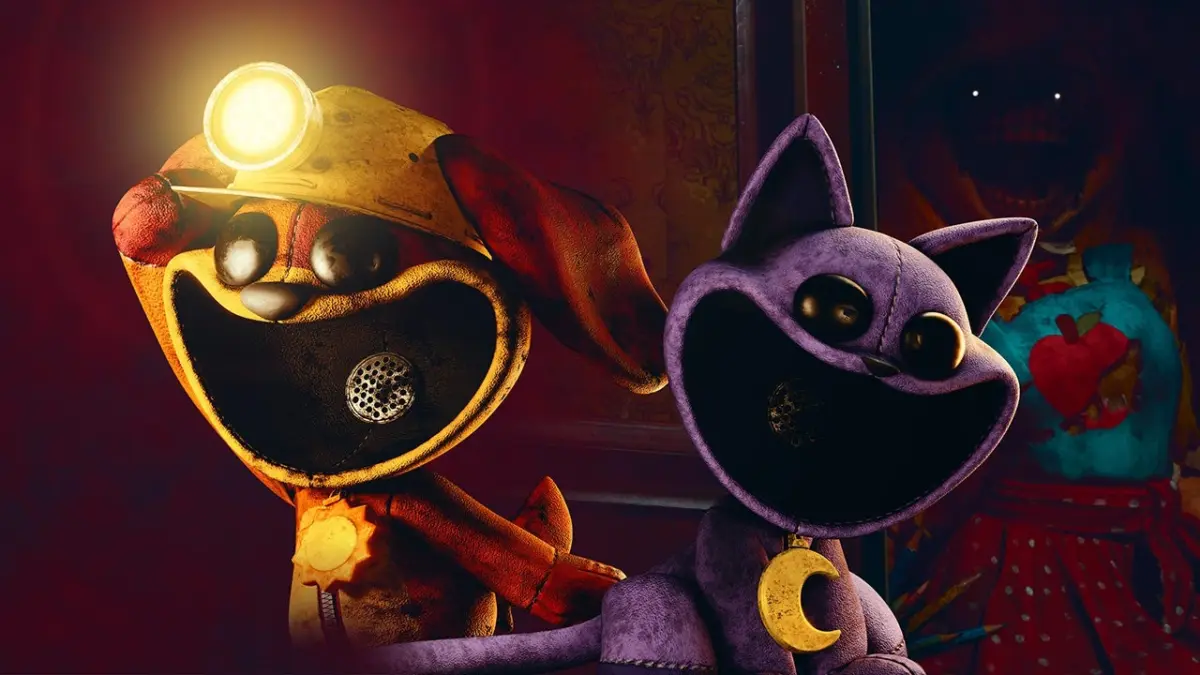
The abrupt cuts have cast a long shadow over the future of the multiplayer title, which serves as a spin-off to the wildly popular Poppy Playtime universe. Escape From Playtime drops two to eight players into the paws of colorful "Smiling Critters" plushies, forcing them to scavenge for resources while evading terrifying, oversized mascot monsters.
While the sudden dismissal of nearly the entire development roster weeks after release naturally sparked panic within the community, Mob Entertainment has since stepped forward to clarify its stance. Through community management channels, the studio has insisted that the game remains "still in development," promising upcoming adjustments to the game’s roadmap based on early player feedback. However, the stark reality of the layoffs highlights a growing, troubling trend within modern game development: successful launches offering little to no job security for the creative talent behind them.
Detailed Chronology of Events
The unfolding situation at Mob Entertainment developed rapidly over a short window in late October and early November 2026, catching both consumers and industry insiders off guard.
October 21, 2026: The Launch of Escape From Playtime
Mob Entertainment proudly launched Escape From Playtime as a fresh multiplayer addition to the Poppy Playtime franchise. Built around online cooperative survival mechanics, the game invited groups of two to eight players to take on the roles of the franchise’s iconic Smiling Critters. The gameplay loop tasked players with scavenging vital resources, navigating treacherous environments, and working together to survive encounters with monstrous mascot antagonists. Hopes were high that the spin-off would capitalize on the massive cross-media momentum of the overarching horror brand.
November 4, 2026: The LinkedIn Revelations
Just two weeks following the commercial rollout of the title, the public perception of stability at Mob Entertainment shattered. A former lead game designer at the studio took to LinkedIn to break the news regarding severe internal cutbacks.
"Today is a tough day," the former developer wrote. "Mob has laid off almost the entire Escape From Playtime team, including myself. If anyone knows of any work that I or any of the team affected can do, please reach out. This industry is tough, but the people band together to help each other out. Today that help is needed."
The post underscored the emotional toll of the sudden reduction in force, while also offering a bittersweet nod to the team’s collective efforts. "For my friends affected at Mob I’m sorry, we did an amazing job, and pushed out a fantastic game. Be proud of what we accomplished. For those at Mob not affected, I will miss you all. Thank you for the opportunity to make EFP. Back to the grind."
November 4, 2026: Community Panic and Official Damage Control
As the former staff member’s LinkedIn post circulated across social media platforms and gaming forums, anxiety mounted among the game’s nascent player base. Fans who had invested time and money into the newly released title feared it would be instantly abandoned, leaving behind broken matchmaking loops, unpatched bugs, and an empty content roadmap.
Recognizing the escalating PR crisis, Mob Entertainment moved quickly to address the community’s concerns. Tyler Scott Sanchez, a community manager for Mob Entertainment, took to the game’s official Discord server to issue an institutional response. Sanchez confirmed the layoffs, offered a transparent acknowledgment of the departing staff’s contributions, and attempted to steady the ship by confirming that development on Escape From Playtime would push forward.
Supporting Context & Metrics: The Poppy Playtime Phenomenon and Industry Realities
To fully understand the gravity of the layoffs at Mob Entertainment, one must examine the broader context of the Poppy Playtime franchise and the precarious state of contemporary game development.
The Rise of Poppy Playtime
Mob Entertainment carved out a lucrative niche in the indie horror landscape with the episodic release of Poppy Playtime. Centered around an abandoned toy factory populated by sentient, bloodthirsty playthings—most notably the towering, blue-furred Huggy Wuggy—the franchise exploded into a multimedia empire. Spanning plushies, collectibles (such as McFarlane Toys’ line of figures), apparel, and widespread viral video content, the IP built a dedicated, highly engaged younger demographic alongside traditional horror gaming enthusiasts.
Escape From Playtime was designed to leverage this multi-million-dollar IP strength by shifting from single-player narrative puzzles to an active, replayable online ecosystem. Pitting groups of Smiling Critters against terrifying foes seemed a surefire recipe for ongoing player retention and post-launch revenue streams.

The Post-Launch Paradox in Modern Gaming
The decision to dismantle a development team mere weeks after shipping a major title highlights a systemic issue plaguing the interactive entertainment industry: the "post-launch crunch and cut" cycle. Too often, corporate publishers and independent studios alike resource heavily up until launch day, treating the release of a game as an absolute finish line rather than the beginning of a live-service lifecycle.
When titles fail to achieve astronomical, overnight concurrent user milestones—or even when they perform decently—executive leadership frequently reacts with sweeping reductions in force to trim operational expenses. For the developers who spent months or years pouring their creativity, technical expertise, and passion into engineering the software, the reward is often abrupt unemployment, regardless of the product’s eventual reception.
Official Statements and Studio Response
The official narrative from Mob Entertainment attempts to walk a delicate tightrope: acknowledging the human cost of the restructuring while trying to reassure consumers that the product remains viable.
The Developer’s Perspective
The outpouring of grief and solidarity from the laid-off lead game designer sheds light on the internal culture at the studio prior to the cuts. Describing the team as a tight-knit unit that "pushed out a fantastic game," the sentiment reflects a profound disconnect between the creative achievements of the developers on the ground and the financial mandates enforced from above. The call to action for industry peers to hire the displaced talent emphasizes the resilience of video game developers who repeatedly find themselves collateral damage in corporate downsizing waves.
Mob Entertainment’s Official Stance
In his statement shared via the official Escape From Playtime Discord channel, community manager Tyler Scott Sanchez addressed the community directly, offering a rare glimpse into the corporate reasoning behind the layoffs:
"We’ve had to make the incredibly tough decision to part ways with some talented members of our team who helped bring Escape From Playtime to life. These are people who poured their creativity and passion into building this game and making it something special. We’re incredibly grateful for everything they’ve contributed, and we want to take a moment to recognize the people behind the work. This isn’t the kind of news we ever want to share, and we know it’s difficult to hear, especially for a community that cares so deeply about the game and the people who make it."
Sanchez acknowledged the immediate anxieties of the player base regarding the game’s operational continuity:
"We also know that this will carry uncertainty from many of you about the future of Escape From Playtime. To be clear, development on the game continues. We’ve already made changes to the roadmap based on your feedback, including improvements to matchmaking, the order in which we’ll roll out bigger body enemies, making the existing map more diverse and interesting, and much more."
Concluding his remarks, Sanchez emphasized a commitment to ongoing communication:
"We know that news like this can bring a lot of questions, and it’s important to us that we’re transparent about where things stand. While we don’t have every answer to share just yet, we’ll continue to communicate the development process with you all."
Future Outlook: What Lies Ahead for Escape From Playtime?
As dust settles on the initial wave of layoffs, the path forward for Escape From Playtime remains fraught with challenges. While Mob Entertainment has committed to keeping the servers running and updating the software, doing so with a drastically reduced skeleton crew introduces significant operational risks.
Roadmap Adjustments and Player Feedback
The silver lining for current players is that Mob Entertainment is actively listening to early criticisms. According to official channels, the revised development roadmap directly targets several pain points identified during the launch window:
- Matchmaking Overhauls: Addressing connectivity, lobby stability, and queue times to ensure smoother sessions for groups of two to eight players.
- Content Pacing: Adjusting the strategic rollout schedule for "bigger body enemies" to keep encounters fresh and balanced.
- Map Variety: Enhancing environmental design elements to make the current map layout more visually diverse, engaging, and unpredictable during scavenger runs.
The Human Cost vs. Corporate Survival
Ultimately, the story of Escape From Playtime in November 2026 is emblematic of a wider industry identity crisis. While the game itself may survive, receive patches, and continue to extract value from the broader Poppy Playtime brand, the human cost required to sustain it cannot be ignored.
As fans log on to play as their favorite Smiling Critters and dodge monstrous foes, they do so against the backdrop of an industry where the architects of their entertainment are cast aside the moment the product hits digital store shelves. Whether Mob Entertainment can successfully steer Escape From Playtime through this turbulent transition phase—and whether the broader gaming landscape will ever find a sustainable balance between commercial viability and worker retention—remains the defining question for the studio’s future.