Executive Overview
When Apple took the stage at WWDC 2021 to unveil support for storing driver’s licenses and state identification cards within the Apple Wallet app, company executives framed the feature as a monumental paradigm shift. It was touted as the final frontier in eliminating the physical leather wallet, promising iPhone and Apple Watch users the ability to seamlessly verify their identity with a simple tap of their device.
Yet, years after that initial fanfare, the reality of the rollout stands in stark contrast to Apple’s sweeping vision. Rather than a swift, nationwide adoption, the integration of state-issued mobile IDs has evolved into a fragmented, bureaucratic patchwork. While millions of users across select regions enjoy the futuristic convenience of flashing their digital credentials at select Transportation Security Administration (TSA) checkpoints and participating businesses, the vast majority of Americans remain tethered to their physical cards.
This in-depth investigative report examines the current state of Apple Wallet ID support across the United States. We will analyze the historical trajectory of the feature, explore the complex legislative and technological hurdles slowing adoption, review official developments from state governments and tracking organizations, and highlight alternative solutions—such as Apple’s passport-backed digital ID initiative—that are reshaping how travelers navigate security checkpoints today.
Detailed Chronology: From WWDC 2021 to the Present
To understand why mobile driver’s licenses have been slow to materialize across all fifty states, one must trace the timeline of the initiative from its inception.
2021: The Vision and the Promise
At WWDC 2021, Apple made headlines by announcing that participating U.S. states would soon allow residents to add their driver’s licenses or state IDs directly to the Apple Wallet app. Apple assured consumers that privacy and security were paramount, noting that the data would be encrypted and stored securely on the device’s secure enclave, inaccessible even to Apple itself. The tech giant partnered early with forward-thinking transportation and motor vehicle departments, setting high expectations for a rapid nationwide deployment.

2022–2023: Early Adopters and Growing Pains
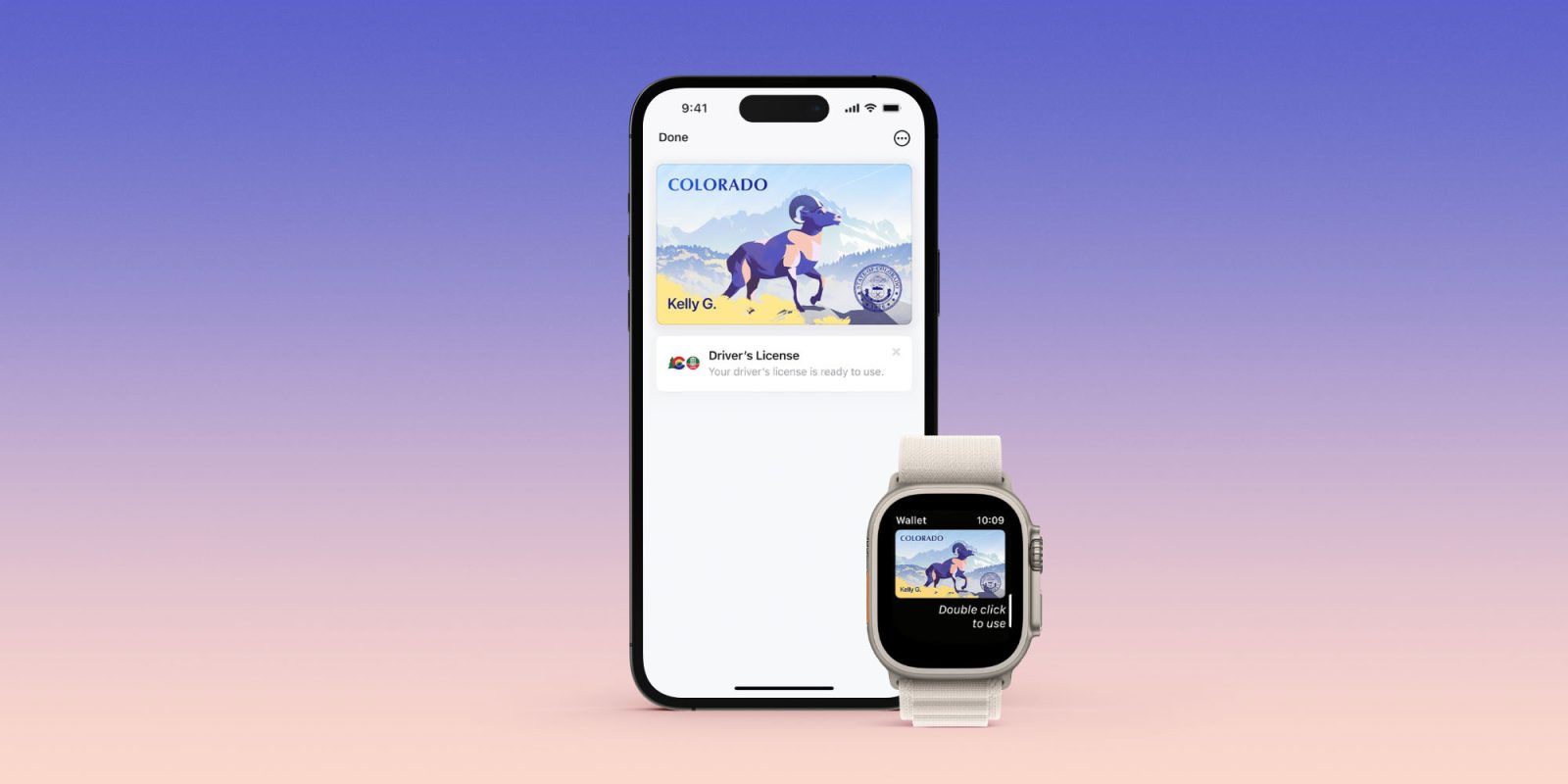
The initial wave of rollouts trickled out slowly. Arizona became the first state to launch the feature in early 2022, followed shortly by select jurisdictions like Maryland and Colorado. However, the onboarding process proved technically complex for state governments. Each state Department of Motor Vehicles (DMV) had to completely overhaul or upgrade its legacy database systems to interface securely with Apple’s cryptographic infrastructure while complying with strict federal and state privacy regulations. As a result, progress stalled significantly after the initial wave of early adopters, leaving consumers in unparticipating states wondering when their local governments would follow suit.
2024–Present: Gradual Expansion and the Passport Alternative
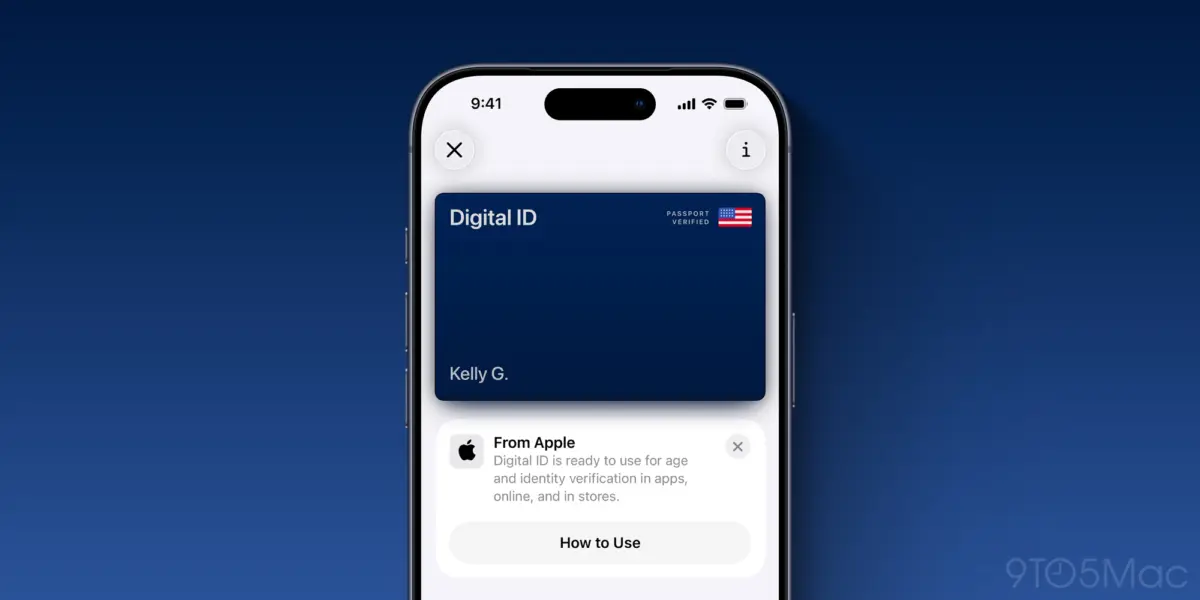
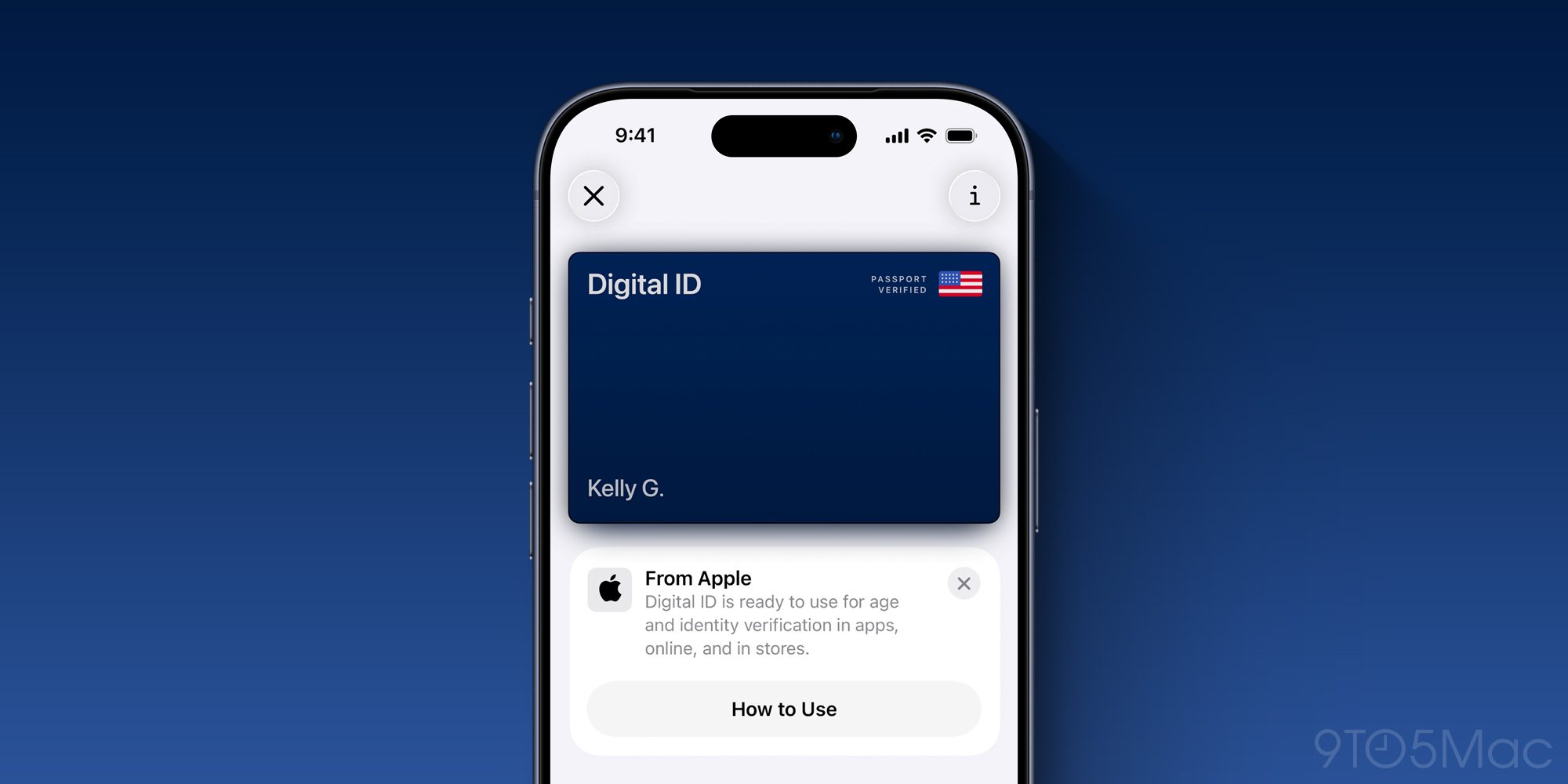
Today, support has expanded to 14 states and Puerto Rico. While growth continues at a glacial pace, Apple has pivoted to supplement these gaps. Recognizing the friction inherent in state-by-state negotiations, Apple introduced a groundbreaking alternative: a Digital ID feature powered by U.S. passports. This addition allowed millions of travelers to bypass state-level delays entirely, utilizing their iPhones for identity verification at TSA checkpoints nationwide.
Supporting Context & Metrics: The Fragmented U.S. Landscape
The adoption of mobile driver’s licenses across the United States can best be described as scattershot. According to data tracked by organizations like the Secure Technology Alliance and insights embedded within Apple’s developer code, states currently fall into three distinct categories: active adopters, confirmed future partners, and exploratory jurisdictions.
1. Active Support
As of now, users in 14 states and Puerto Rico can successfully add their state-issued credentials to Apple Wallet. These pioneering regions have successfully navigated the intricate technical, legal, and operational frameworks required to issue secure, verifiable mobile IDs. However, this figure represents barely a quarter of the United States, leaving the majority of Americans without local support.
2. Confirmed and Upcoming Partners
A select group of states have officially confirmed their intentions to bring Apple Wallet ID support to their residents. These states have been publicly acknowledged as partners by Apple, have appeared in internal iOS code hints, or have dedicated state-funded engineering initiatives actively building out the necessary infrastructure. While these states are next in line, their exact launch timelines frequently shift due to rigorous security audits and software testing phases.
3. Exploratory and Legislative Phases
According to mobile ID tracking data provided by the Secure Technology Alliance, numerous other states have initiated formal studies, introduced legislation, or launched pilot programs to explore mobile identification standards. It is critical to emphasize a vital caveat: progress in this phase varies wildly. Just because a state legislature is exploring digital ID legislation does not guarantee an eventual rollout, and it certainly does not guarantee integration with Apple Wallet specifically. Many states explore open-source or third-party proprietary apps instead of partnering directly with Apple or Google.
Official Statements and Industry Perspectives
The friction surrounding the adoption of mobile IDs highlights a fundamental clash between agile Silicon Valley product cycles and the deliberate, risk-averse nature of government bureaucracy.
Government agencies are inherently conservative when handling citizen data. Cybersecurity experts point out that state DMVs must balance the undeniable convenience of digital wallets against severe risks, including identity theft, sophisticated spoofing attacks, and system outages. A glitch in a physical ID means a forgotten card; a glitch in a digital ID ecosystem could potentially lock millions of citizens out of voting booths, financial institutions, or airports.
Furthermore, interoperability remains a massive hurdle. Law enforcement agencies, TSA agents, bars, and retail establishments require standardized, foolproof methods to verify digital IDs without violating privacy laws. The American Association of Motor Vehicle Administrators (AAMVA) has worked tirelessly to establish guidelines, but aligning fifty distinct state governments with corporate tech ecosystems requires unprecedented coordination.
Industry analysts note that while Apple provides the secure software framework, the political will and financial investment must originate locally. Budget constraints within state legislatures often relegate mobile ID initiatives far below critical infrastructure projects, explaining why wealthier or more technologically progressive states have outpaced their peers.
Future Outlook: What Lies Ahead for Digital Identification?
Despite the slow and uneven rollout, the long-term trajectory of digital identification is clear. The physical wallet is on a definitive path to obsolescence, even if that transition takes decades rather than years.
The Rise of Passport-Powered Digital IDs
Perhaps the most significant development for consumers frustrated by state-level delays is the maturation of passport-based digital IDs. By enabling users to scan and verify their U.S. passports directly into Apple Wallet, Apple has effectively bypassed the sluggish DMV ecosystem. With this feature now accepted at TSA checkpoints across more than 250 U.S. airports, frequent flyers have a reliable, nationwide alternative to physical identification documents when traveling domestically.
Beyond the Airport: Universal Acceptance
For digital driver’s licenses to truly replace physical cards, acceptance must extend far beyond airport security lanes. Future adoption depends on widespread integration into everyday scenarios:
- Law Enforcement: Traffic stops require police cruisers to be equipped with tap-to-verify hardware that can read mobile IDs securely without requiring officers to physically hold a citizen’s smartphone.
- Age Verification: Bars, clubs, and retailers need affordable, standardized verification tools that confirm age without exposing unnecessary personal data like home addresses or exact birth dates.
- Financial and Healthcare Institutions: Banks, hospitals, and government agencies must update their compliance frameworks to legally accept cryptographic digital credentials on par with physical cards.
Conclusion: Patience is Required
As we look to the future, consumers should temper their expectations regarding an overnight transition to a wallet-free society. While Apple continues to forge partnerships behind the scenes and expand its cryptographic infrastructure, the pace of government adoption will remain the ultimate bottleneck.
Until every state successfully cuts through the red tape, the journey toward a fully digital wallet will remain a marathon rather than a sprint. In the meantime, travelers can leverage passport integration for air travel, while residents of participating states can enjoy a glimpse of the future today.

Do you currently store your driver’s license or state ID in Apple Wallet? Have you encountered widespread acceptance when attempting to use it in your daily life? Share your experiences with us in the comments below.