Executive Overview
As the current console generation matures and industry whispers increasingly turn toward the horizon of a hypothetical PlayStation 6, the conversation surrounding gaming hardware longevity often focuses heavily on the main consoles themselves. Gamers frequently debate the thermal tolerances, storage longevity, and structural lifespans of the PlayStation 5 and Xbox Series X/S. However, a far more immediate and pressing concern routinely escapes proper scrutiny: the expendable hardware resting directly in our hands.
The PlayStation 5’s flagship peripheral, the DualSense wireless controller, is an engineering marvel that fundamentally transformed tactile feedback in video games through advanced haptics and adaptive triggers. Yet, it is also a ticking clock. History dictates—and current consumer data reinforces—that a console controller will almost invariably require maintenance, repair, or outright replacement long before the machine powering it gives out.
Understanding the true lifespan of a DualSense controller requires looking beyond simple calendar years. It demands a rigorous evaluation of battery chemistry, mechanical vulnerability, manufacturer warranties, and structural engineering compromises. Whether you are a casual player logging a few hours on weekends or a hardcore enthusiast grinding through lengthy RPGs and competitive shooters, knowing what to expect from your controller’s battery degradation and mechanical integrity is essential for avoiding unexpected gaming disruptions. This comprehensive analysis dives into the engineering realities, battery metrics, common failure points, and competitive disadvantages of the PlayStation 5 DualSense controller, offering an authoritative guide on how to maximize your hardware’s operational life.
Detailed Chronology: From Unboxing to Breakdown
To accurately gauge the longevity of a DualSense controller, we must examine the typical lifecycle of the peripheral from the moment it is unboxed to its eventual retirement. Hardware degradation is not a sudden, singular event; rather, it is a predictable chronology marked by distinct phases of wear, tear, and performance decline.
Phase 1: The Honeymoon Period (Months 0 to 6)
During the initial months of ownership, the DualSense controller operates at peak performance. The internal 1,560mAh lithium-ion battery holds its maximum charge capacity, delivering the full intended duration of uninterrupted gameplay. The analog sticks offer crisp, absolute centering with zero digital deviation, while the adaptive triggers respond with sharp, distinct resistance profiles. During this phase, users experience the controller exactly as Sony’s engineers intended—immersive, responsive, and reliable.
Phase 2: The Onset of Micro-Wear (Months 6 to 12)
As months turn into hundreds of hours of active gameplay, the first subtle signs of aging begin to manifest. The outer shell may develop a slight sheen from hand oils, and the texture of the thumbsticks can show microscopic smoothing. More importantly, this is the window where microscopic particulate matter—dead skin cells, dust, and environmental debris—begins to bypass the rubber thumbstick seals and enter the potentiometer housing.
Battery health also begins its inevitable, gradual decline. While still largely imperceptible during routine play, the maximum charge-holding capacity of the lithium-ion cell drops slightly due to chemical aging and repeated charge cycles. Fortunately, this period typically falls well within the standard manufacturer warranty, meaning any catastrophic failures or early-onset defects remain covered by Sony.
Phase 3: The Danger Zone (Months 12 to 24)
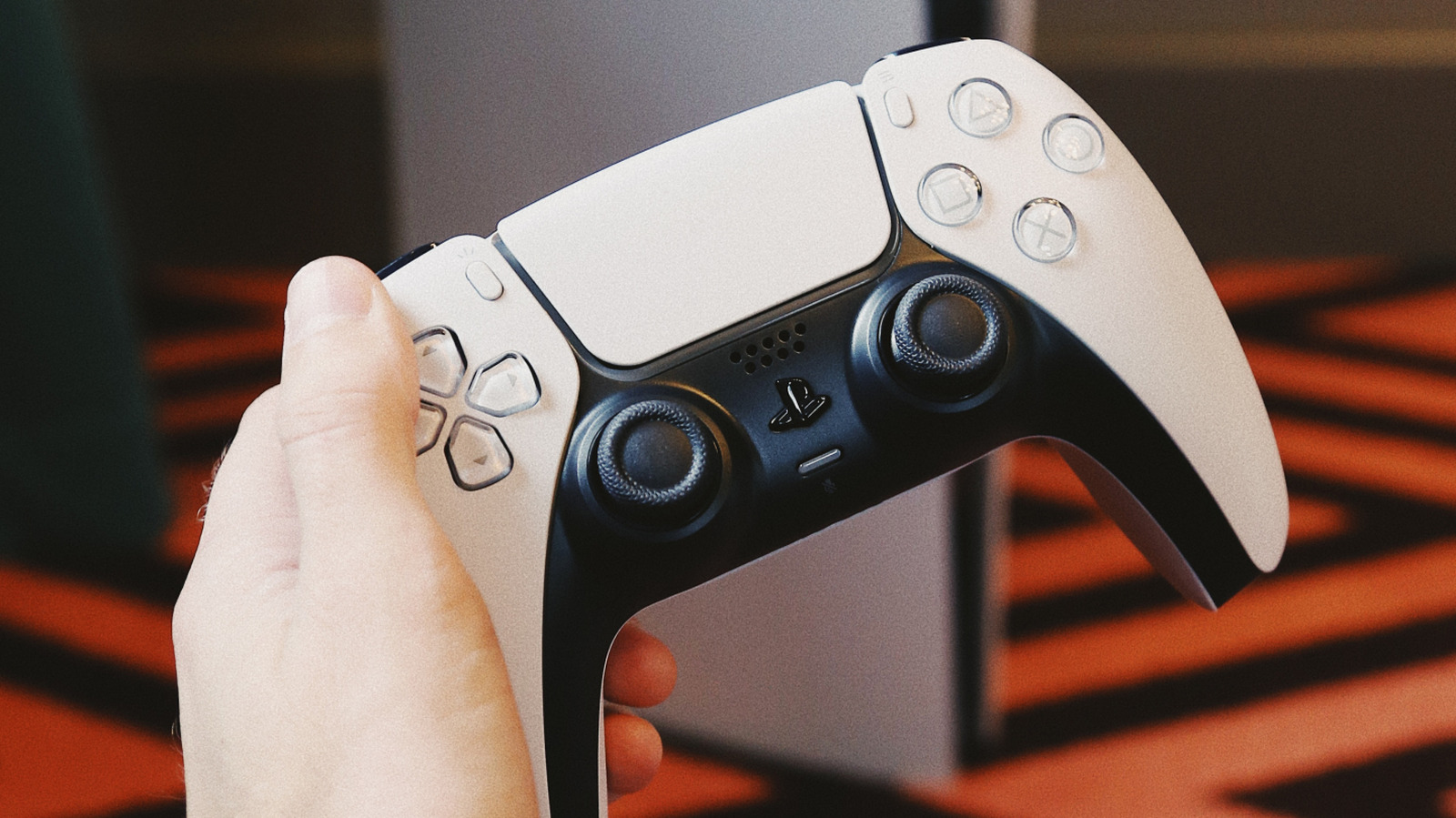
Once the controller crosses the one-year threshold, it moves past its official warranty coverage in most regions. This is the critical juncture where cumulative wear and tear transitions into active hardware failure. The most common manifestation during this period is the notorious "stick drift"—a mechanical defect wherein the potentiometers inside the analog stick assembly wear down unevenly, causing continuous, unintended directional inputs on screen.
Simultaneously, battery degradation becomes impossible to ignore. A battery that once comfortably powered an entire evening session now requires mid-session tethering to a USB-C cable or a charging dock. Users heavily invested in feature-rich first-party titles will notice that the battery life has noticeably shortened, forcing behavioral changes in how they manage their gaming sessions.
Phase 4: Post-Warranty Attrition (Year 2 and Beyond)
Beyond two years of heavy use, a standard DualSense controller enters borrowed time. Without user intervention—such as deep-cleaning the internal components, soldering replacement potentiometer modules, or swapping out the battery—the controller often exhibits compounding issues. Persistent drift, unresponsive face buttons, degraded haptic motors, or a battery that holds barely an hour of charge render the device impractical for competitive or uninterrupted play. At this stage, consumers face a financial dilemma: pay for out-of-warranty professional repairs or invest in a brand-new replacement pad.
Supporting Context & Metrics: Battery Life, Power Consumption, and the DualSense Edge
A primary source of frustration for PlayStation 5 owners is the remarkably short battery life of the DualSense controller relative to its industry competitors. To understand why the gamepad runs out of power so quickly, one must examine the hardware architecture hidden beneath the white-and-black shell.
The Power-Hungry Anatomy of the DualSense
Unlike simpler, utilitarian controllers of previous generations, the standard DualSense is packed with power-draining technological advancements. At its heart sits a 1,560mAh lithium-ion battery. While this represents a modest upgrade over the DualShock 4’s 1,000mAh capacity, it is tasked with powering an immense array of demanding components:
- Dynamic Adaptive Triggers: Miniature electric motors continually adjust tension and resistance based on in-game actions, drawing significant current during use.
- Voice-Coil Haptic Feedback: Traditional rumble weights have been replaced by dual voice-coil actuators that simulate complex physical sensations, requiring substantial electrical power to vibrate dynamically.
- Integrated Light Bar: The illumination flanking the touchpad constantly draws power.
- Onboard Speaker and Microphone: The built-in audio hardware actively consumes energy whenever spatial audio cues or voice chat are utilized.
Because of these integrated systems, a full charge on a standard DualSense controller typically yields between 6 to 12 hours of continuous gameplay. However, real-world longevity fluctuates wildly depending on the software being played.
Software Dependency and Real-World Endurance
Titles that make heavy, aggressive use of the controller’s advanced feature set will drain the battery at an accelerated rate. First-party showcases like Astro Bot, Returnal, and Ratchet & Clank: Rift Apart continuously engage the adaptive triggers and voice-coil haptics. When playing these optimized experiences, users can realistically expect the controller’s battery to hover around the lower end of the spectrum—roughly 6 hours before flashing a low-battery warning. Conversely, playing older backward-compatible PlayStation 4 games or titles that disable advanced haptics can stretch the battery closer toward the 10-to-12-hour ceiling.
The Paradox of the DualSense Edge
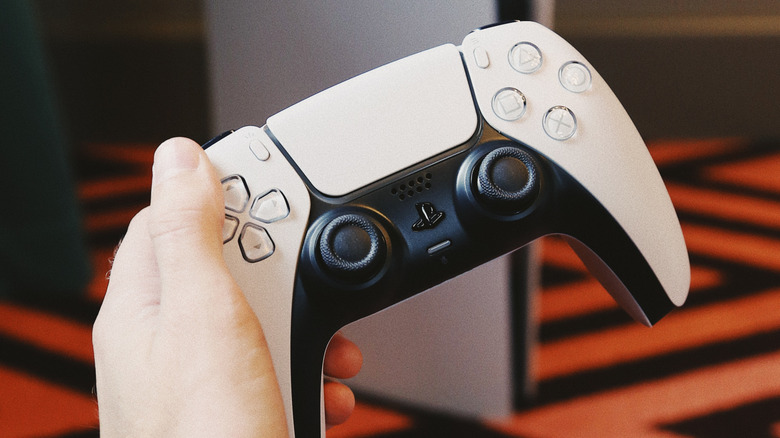
Given the high price point of Sony’s professional-grade $200 controller, the DualSense Edge, many consumers reasonably assume it would feature a larger battery to match its premium positioning. Surprisingly, the exact opposite is true.
The DualSense Edge houses a significantly smaller 1,050mAh battery—a 32% reduction in capacity compared to the standard model’s 1,560mAh power cell. Consequently, the Edge delivers an even shorter operational window, lasting roughly 5 to 10 hours on a single charge.
Sony made this deliberate engineering compromise to accommodate the Edge’s sophisticated modular hardware framework. The space required to house removable stick modules, rear paddle mechanisms, physical trigger-stop sliders, and a reinforced casing left no internal volume for a larger battery. For competitive gamers who value precision, modularity, and custom mapping, this reduced battery life is an accepted trade-off; for casual players, it represents a notable downgrade in standalone stamina.
Mechanical Vulnerabilities: Decoding the Stick Drift Phenomenon
Beyond battery depletion, the single greatest threat to the longevity of a PlayStation 5 controller is stick drift. Understanding the root cause of this hardware defect helps explain why controllers inevitably degrade and outlines the limits of preventative maintenance.
What Causes Stick Drift?
Stick drift occurs when the analog stick registers movement on screen even when the user is not physically touching the thumbstick. Inside every standard DualSense controller are two analog potentiometer modules. These modules utilize tiny carbon-film tracks and sliding electrical wipers to measure the exact X and Y coordinates of the thumbstick.
Over hundreds of hours of use, two destructive forces take their toll:
- Frictional Wear and Tear: The physical sliding motion slowly scrapes away the delicate carbon tracks inside the potentiometer, creating electrical noise and false position readings.
- Particulate Accumulation: Microscopic debris—including airborne dust, shed skin cells, and natural oils from human fingers—finds its way past the protective rubber gaskets into the sensor housing. This debris interferes with the electrical contact points, corrupting the positional data sent to the console.
Mitigation and Maintenance Strategies
While it is impossible to entirely prevent mechanical wear, users can significantly extend the operational life of their controllers through disciplined maintenance habits:
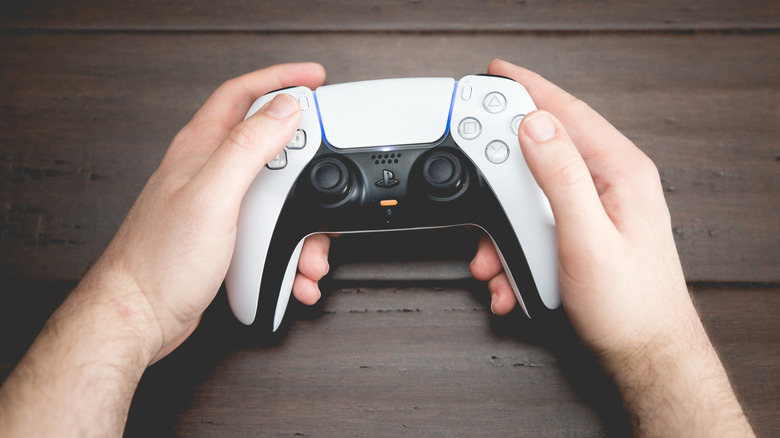
- Targeted Cleaning: Regularly cleaning the base of the analog sticks using a cotton swab lightly dampened with high-purity isopropyl alcohol (90% or higher), followed by short, controlled bursts of compressed air, can flush out accumulated debris before it permanently damages the carbon tracks.
- Firmware Upgrades: Keeping the controller’s firmware updated via the PlayStation 5 system settings ensures that software-level deadzone calibrations and signal processing remain optimized.
- Environmental Hygiene: Washing hands prior to gaming sessions minimizes the introduction of sweat and skin oils into the internal mechanisms.
However, it must be acknowledged that these steps are merely preventative. Once the physical carbon tracks on the potentiometers have worn down to the substrate, cleaning will no longer resolve the issue, leaving replacement as the only permanent solution.
Official Policies, Warranties, and the Cross-Platform Battery Debate
When a controller inevitably fails due to battery degradation or mechanical defects, the consumer’s recourse is heavily dictated by manufacturer policies and consumer protection laws.
Warranty Coverage and Replacement Realities
In most major global markets, Sony includes a one-year limited warranty with the purchase of a standalone PlayStation 5 or an included console bundle controller. During this crucial 12-month window, Sony is legally and contractually obligated to repair or replace a defective controller—including units suffering from early-onset stick drift or severe battery failure—free of charge, provided the damage is not the result of user abuse or liquid ingress.
Once that 12-month period expires, the financial burden shifts entirely to the consumer. Out-of-warranty repairs handled directly through official channels often cost nearly as much as purchasing a brand-new peripheral. For many users, navigating the logistics, shipping costs, and downtime associated with official repairs makes buying a replacement controller the far more pragmatic, albeit expensive, choice.
PlayStation vs. Xbox: The Stamina Comparison
When comparing the longevity and endurance of Sony’s gamepad against its primary rival—the Microsoft Xbox Wireless Controller—a stark design philosophy contrast emerges.
| Feature / Metric | PlayStation 5 DualSense | Xbox Series X/S Controller |
|---|---|---|
| Power Source | Internal 1,560mAh Li-ion Battery | Dual AA Batteries (or Rechargeable Pack) |
| Average Battery Life | 6 to 12 Hours | 30 to 40 Hours (with standard AA cells) |
| Charging Method | USB-C Cable / Charging Dock | Swappable Batteries / Play & Charge Kit |
| Long-Term Degradation | Battery capacity permanently degrades over years | Batteries can be swapped instantly when dead |
The Xbox Wireless Controller enjoys a massive stamina advantage because Microsoft opted not to rely on an integrated, sealed lithium-ion battery for its standard controller. By utilizing standard AA batteries out of the box, an Xbox controller can easily achieve 30 to 40 hours of continuous gameplay. Even when utilizing Microsoft’s official rechargeable Play & Charge battery pack, users routinely experience 25 to 30 hours of runtime on a single charge—more than triple the operational endurance of a standard DualSense.
While both controllers are equally susceptible to the mechanical pitfalls of analog stick drift, the Xbox ecosystem avoids the frustrating reality of permanent battery degradation. If an Xbox controller’s batteries finally lose their ability to hold a charge after years of heavy use, the user simply replaces the power cells, whereas a degraded DualSense requires opening the chassis or purchasing an entirely new unit.
Future Outlook: Industry Trends and Next-Generation Hopes
As the gaming industry looks ahead to hardware innovations and future console iterations, consumer demand for higher-quality, longer-lasting peripherals has never been louder. The widespread frustration surrounding stick drift has sparked legislative scrutiny and class-action lawsuits across multiple global jurisdictions, forcing hardware manufacturers to re-evaluate their design methodologies.
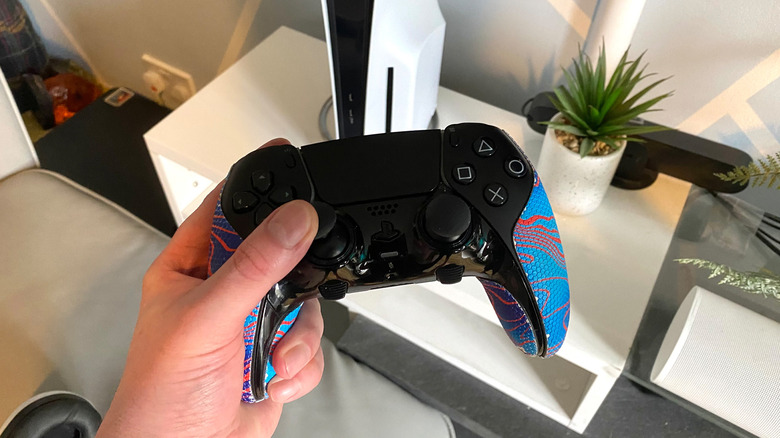
The most promising development on the horizon is the increasing adoption of Hall Effect magnetic sensors by third-party controller manufacturers. Unlike traditional potentiometers that rely on physical friction, Hall Effect sticks use magnets and magnetic fields to detect position, completely eliminating physical wear on the sensor tracks and rendering traditional stick drift virtually impossible. While Sony has yet to implement Hall Effect sensors into its official first-party controllers, consumer pressure and market demand may force a major design pivot for future hardware iterations, such as a potential PlayStation 6 peripheral.
Until such technological shifts become industry standard for first-party gamepads, PlayStation 5 owners must navigate the realities of current hardware. By understanding the intricate power demands of advanced haptics, practicing routine cleaning habits to stave off particulate contamination, and managing expectations regarding battery lifespan, gamers can protect their investment and ensure uninterrupted immersion in their favorite virtual worlds.