Executive Overview
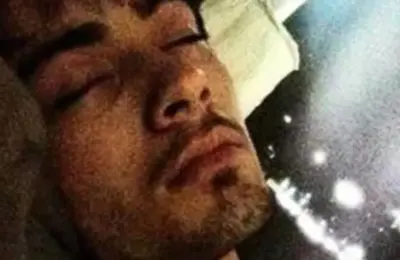
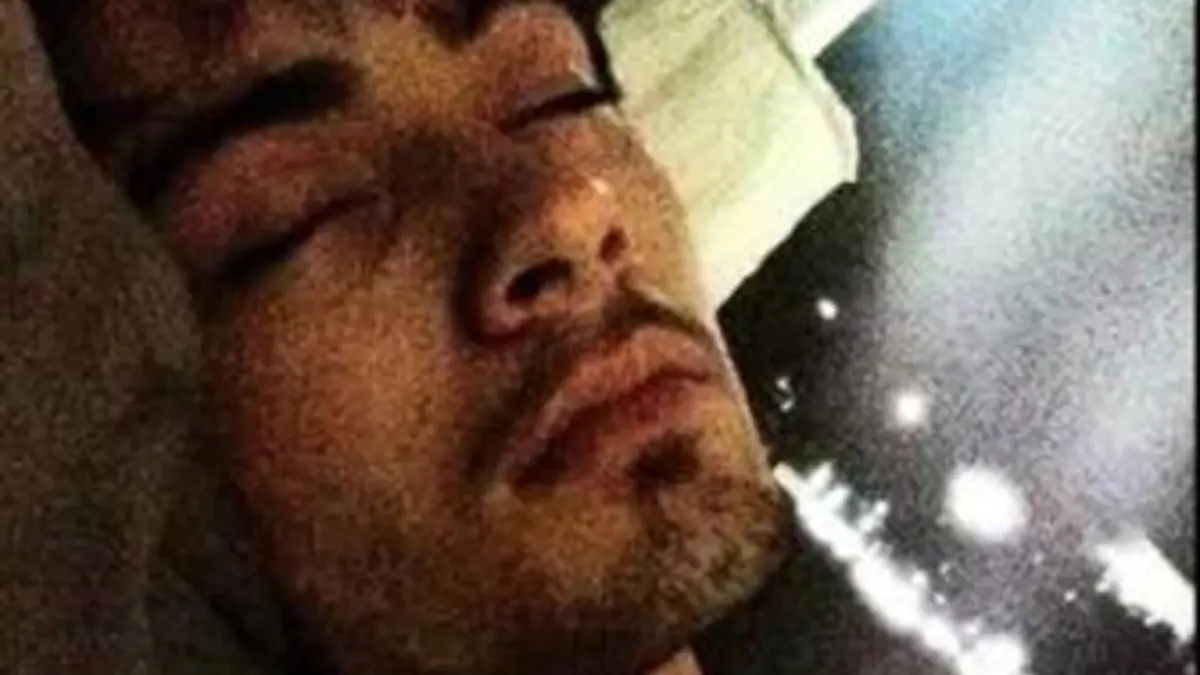
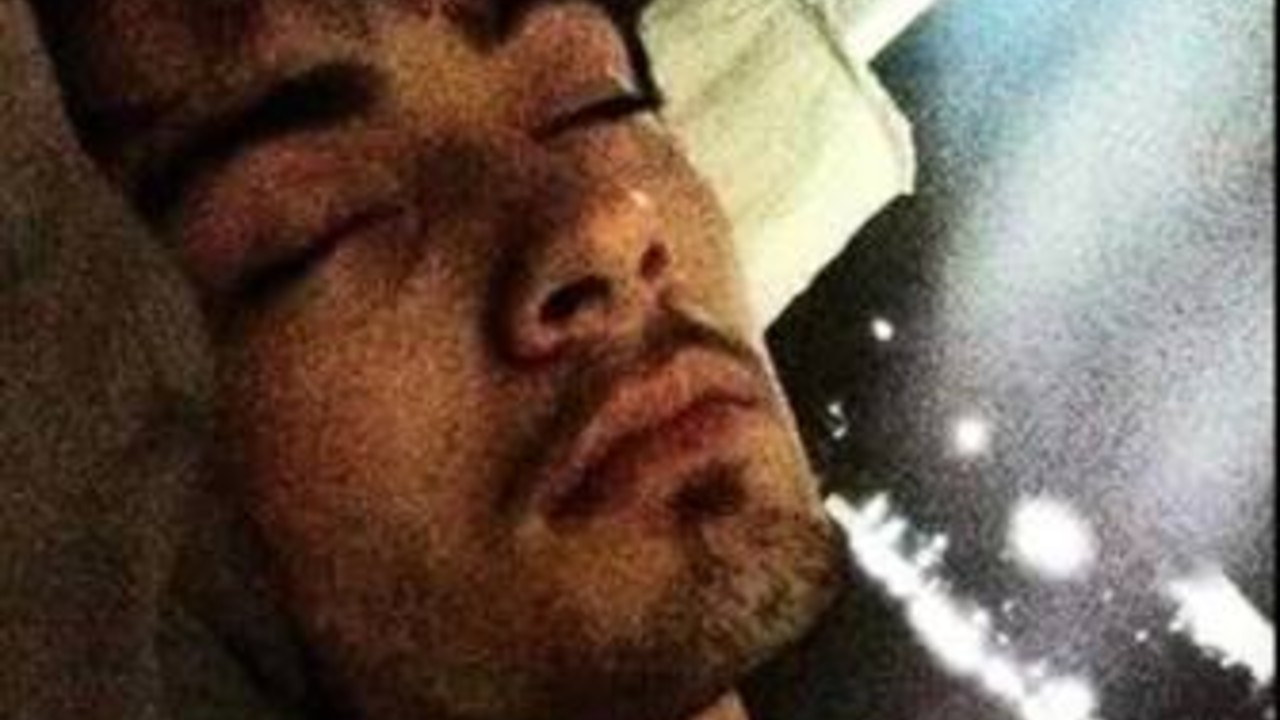
In the fast-paced, algorithmically driven ecosystem of modern social media, internet culture frequently recycles artifacts from early digital eras, breathing unexpected new life into forgotten media. The latest beneficiary of this nostalgic cultural recycling is a piece of digital ephemera dating back over a decade: a candid, shirtless photograph of former One Direction member Zayn Malik asleep.
Beginning in September 2026, this vintage pop-star image underwent a profound mutation, transforming from a nostalgic piece of fandom memorabilia into a widespread, highly ironic TikTok meme. Centered around the ubiquitous self-deprecating query, "Why am I lowkey giving Zayn Malik sleeping photo?", the trend features users contrasting the stylized, highly aestheticized image of the pop star with unglamorous, awkward, or outright comical photographs of themselves, their friends, or their romantic partners resting.
What began as a single humorous video posted by TikTok creator @timmy.thick47 quickly snowballed into a cross-platform viral phenomenon, accumulating tens of millions of views and inspiring thousands of participant-generated videos. This investigative report examines the trajectory of the "Zayn Malik Sleeping" meme, exploring its 2013 origins on Tumblr, its rapid ascendance through TikTok’s algorithmic loops in late 2026, and the broader psychological mechanisms of self-irony that continue to drive contemporary internet humor.
Detailed Chronology: From 2013 Tumblr Archive to 2026 TikTok Sensation
Phase 1: The Incubation Period (2013–2026)
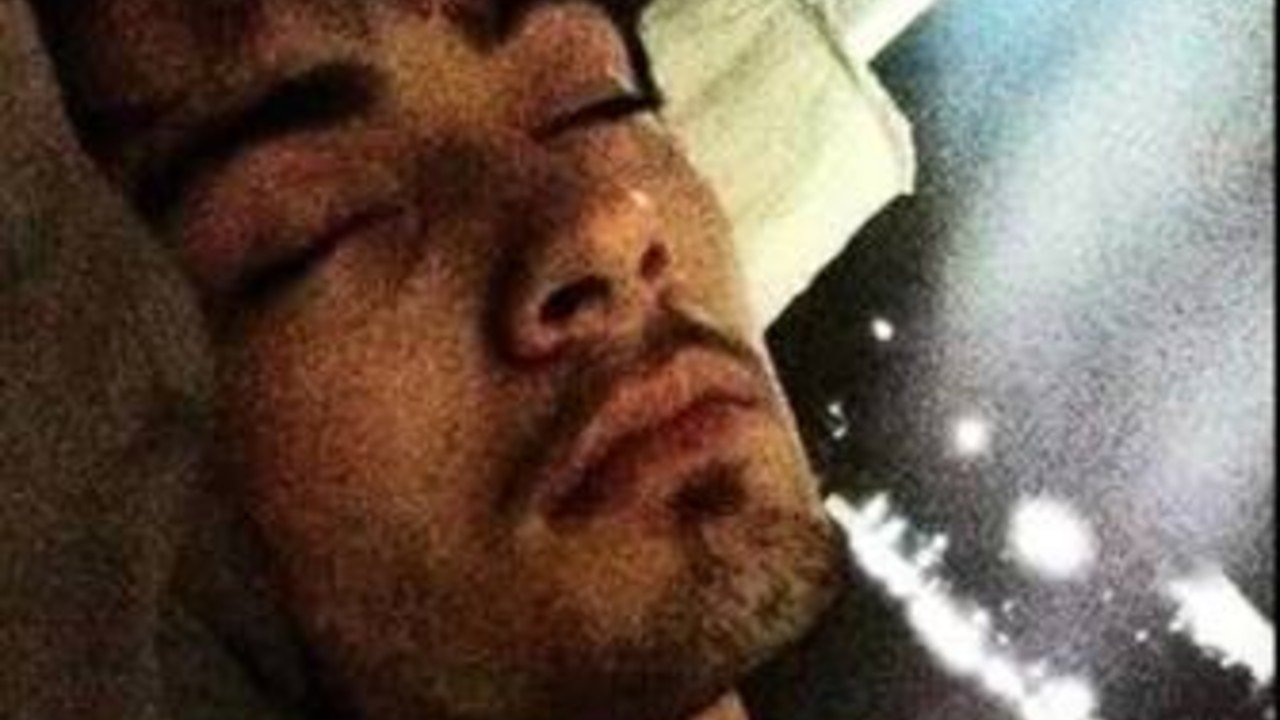
To understand the current virality, one must trace the original source material back to its roots. The photograph in question—depicting Zayn Malik shirtless, eyes closed, resting in a subdued, moody light—first surfaced online around 2013. During this era, Malik was at the height of his fame as a member of the global boy band phenomenon One Direction.
The image initially circulated within tightly knit fandom spaces, finding a permanent home on Tumblr, a platform renowned for curating idol "moodboards" and aesthetic photograph collections. Over the course of 13 years, this specific candid steadily accrued digital traction, quietly amassing over 59,000 notes on Tumblr. It existed as a standard piece of millennial and older-Gen-Z fangirl lore—an artifact representing a specific era of 2010s pop culture aesthetics—until algorithmic intervention thrust it back into the mainstream spotlight in the autumn of 2026.
Phase 2: The Spark (September 4, 2026)
The modern life of the meme officially commenced on September 4, 2026, when TikTok user @timmy.thick47 uploaded a short-form video. The clip opened with the classic 2013 photograph of Zayn Malik sleeping, before hard-cutting to a series of photographs showing the creator himself asleep in various awkward and unglamorous positions.
Superimposed on the video was the now-iconic caption: "Why am i low key giving zayn malik sleeping photo?"
The juxtaposition of the professionally lit, effortlessly handsome pop star with deeply human, unflattering sleeping postures struck an immediate chord with viewers. Propelled by TikTok’s recommendation engine and audio tracks like sped-up remixes of Zayn’s solo track "Pillowtalk," the foundational video exploded, crossing the 1.8 million view threshold within its first month.
Phase 3: Exponential Expansion and Diversification (Mid-to-Late September 2026)
Following @timmy.thick47’s blueprint, the format underwent rapid mutation as other creators adopted and subverted the premise. The trend diversified into three distinct sub-categories:
- The Self-Comparison Variant: Creators posted deeply unflattering angles of themselves asleep, juxtaposing them against Malik to highlight the vast, comedic gulf between everyday reality and pop-star perfection. On September 7th, 2026, user @ilove2000sshows posted a version featuring a photograph of herself that bore virtually zero resemblance to the Malik image, a tongue-in-cheek absurdity that resonated widely and drew over 8.5 million views.
- The Significant Other Roast: Users quickly realized the format provided an ideal vehicle for affectionate teasing of their romantic partners. On September 23rd, TikToker @anahyy.lol contrasted an image of her sleeping boyfriend against the Zayn Malik reference photo. The playful comparison generated more than 4.8 million views in just two weeks. Similar variations, such as uploads by @cancelmil on September 26th, continued to pull millions of impressions as partners humorously evaluated the sleeping postures of their significant others against international sex symbols.
Supporting Context & Metrics
The velocity of the "Zayn Malik Sleeping" meme highlights several enduring characteristics of modern internet subcultures, particularly the mechanics of irony, aesthetic culture, and collective participation.
Quantitative Overview of Viral Growth
- Original Tumblr Longevity: ~59,000 notes accumulated over a 13-year span (2013–2026).
- Catalyst Video Performance (@timmy.thick47): 1.8+ million views within the first month of deployment.
- Peak Outlier Performance (@ilove2000sshows): 8.5+ million views achieved in under 30 days.
- Partner-Comparison Sector: Multiple viral iterations averaging between 3 million and 5 million views per top-tier post throughout late September and October 2026.
The Psychology of "Lowkey Giving" Culture
The phrase "lowkey giving"—derived from contemporary internet vernacular meaning to subtly embody, project, or resemble a specific aesthetic or vibe—serves as the linguistic anchor of the meme. By applying this phrase to a comparison as absurdly mismatched as an ordinary person sleeping face-down with an open mouth versus Zayn Malik resting in soft-focus repose, users lean heavily into hyperbole and self-deprecation.
In an era saturated with highly curated, hyper-polished social media feeds, the "Zayn Malik Sleeping" trend offers a refreshing counter-narrative. It weaponizes vulnerability and physical awkwardness, inviting communities to laugh collectively at the unglamorous realities of human rest.
Official Statements and Industry Reactions
As of October 2026, neither Zayn Malik nor his management team have issued an official public statement regarding the sudden resurgence and mutation of his 2013 photograph. Music industry analysts and digital culture commentators, however, have noted the unexpected marketing value of organic internet trends.
Pop culture branding experts point out that while the meme pokes gentle fun at the intense idolization of early-2010s boy band culture, it simultaneously re-centers Malik within contemporary algorithm-driven conversations, driving renewed streaming interest toward his catalog—particularly his debut solo single, "Pillowtalk," which frequently accompanies the TikTok video trend as background audio.
Future Outlook
The trajectory of the "Zayn Malik Sleeping" phenomenon offers clear insights into how modern internet memes evolve, peak, and settle into the digital consciousness.
Short-Term Projections
Throughout the remainder of autumn 2026, the trend is expected to transition from active creation to parody and self-awareness. Once a meme reaches the saturation point where creators begin intentionally staging the most ridiculous, distorted sleeping positions possible—solely to mock the premise of the trend—its hyper-growth phase typically plateaus.
Long-Term Legacy
Ultimately, the Zayn Malik sleeping meme joins the pantheon of internet phenomena that successfully bridge two distinct eras of digital history. By taking a relic of 2013 Tumblr culture and running it through the fast-paced, video-first machinery of 2026 TikTok, the meme demonstrates that human humor remains anchored in the same timeless comedic principles: the vast, funny chasm between fantasy and everyday reality. Whether future archives will remember the trend for its homage to early One Direction fandom or simply as a masterclass in modern self-deprecating irony, the image of Zayn Malik resting peacefully has permanently secured its place in internet folklore.