Executive Overview
FromSoftware’s Dark Souls 2 has long held a polarizing, almost mythic status within the pantheon of action-RPG history. Released in 2014 to immense anticipation—and subsequent debate—the title was born from a notoriously turbulent development cycle plagued by directorial changes, mid-stream narrative overhauls, and sweeping technical limitations.
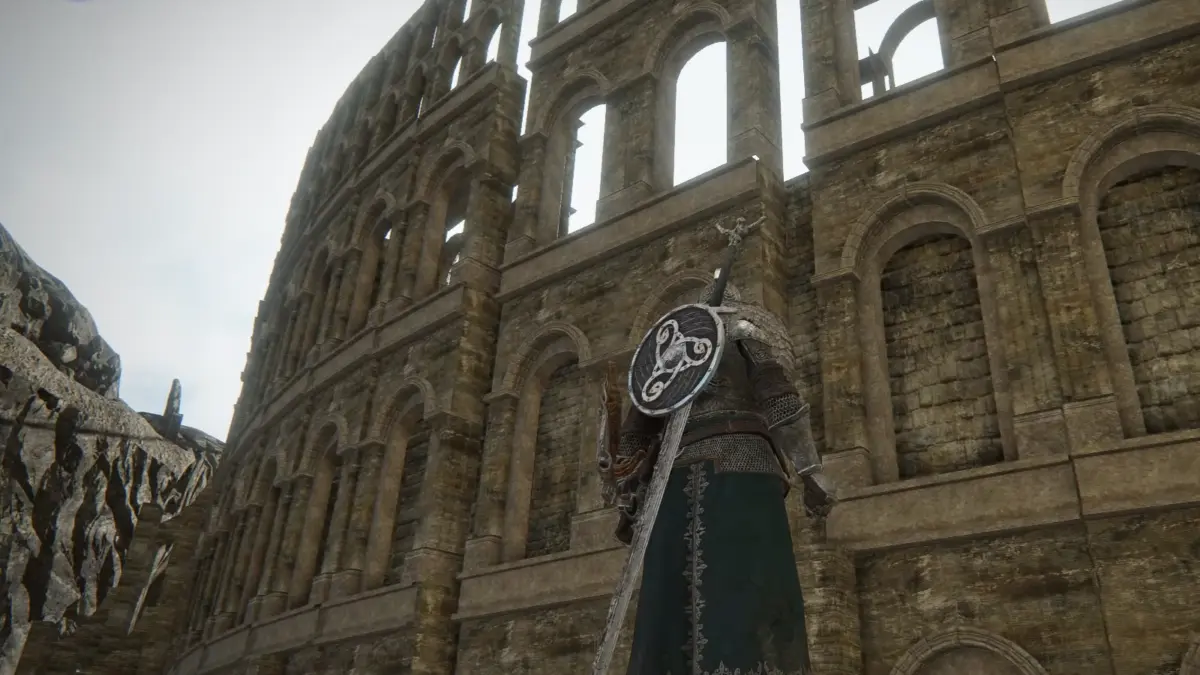
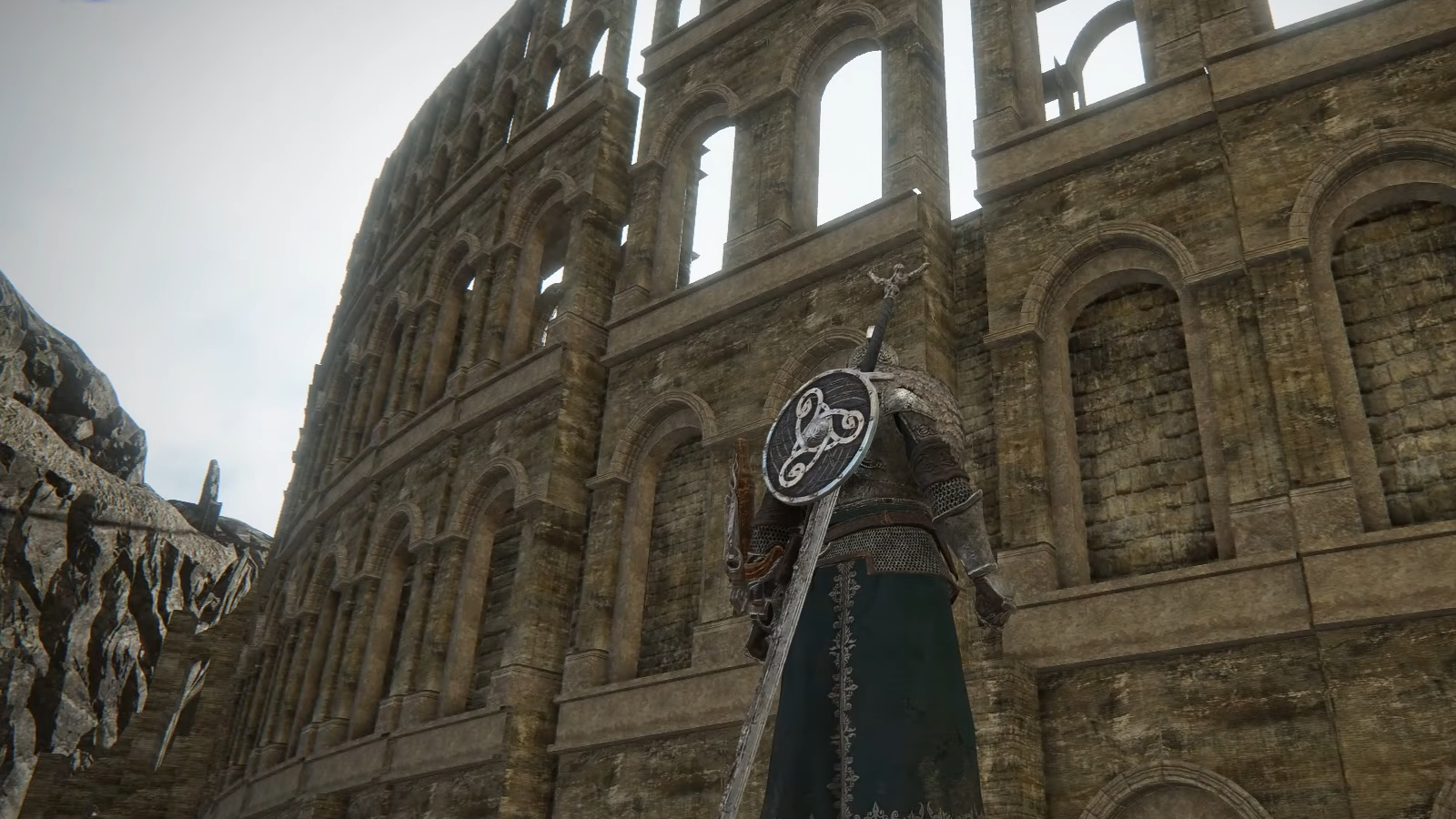
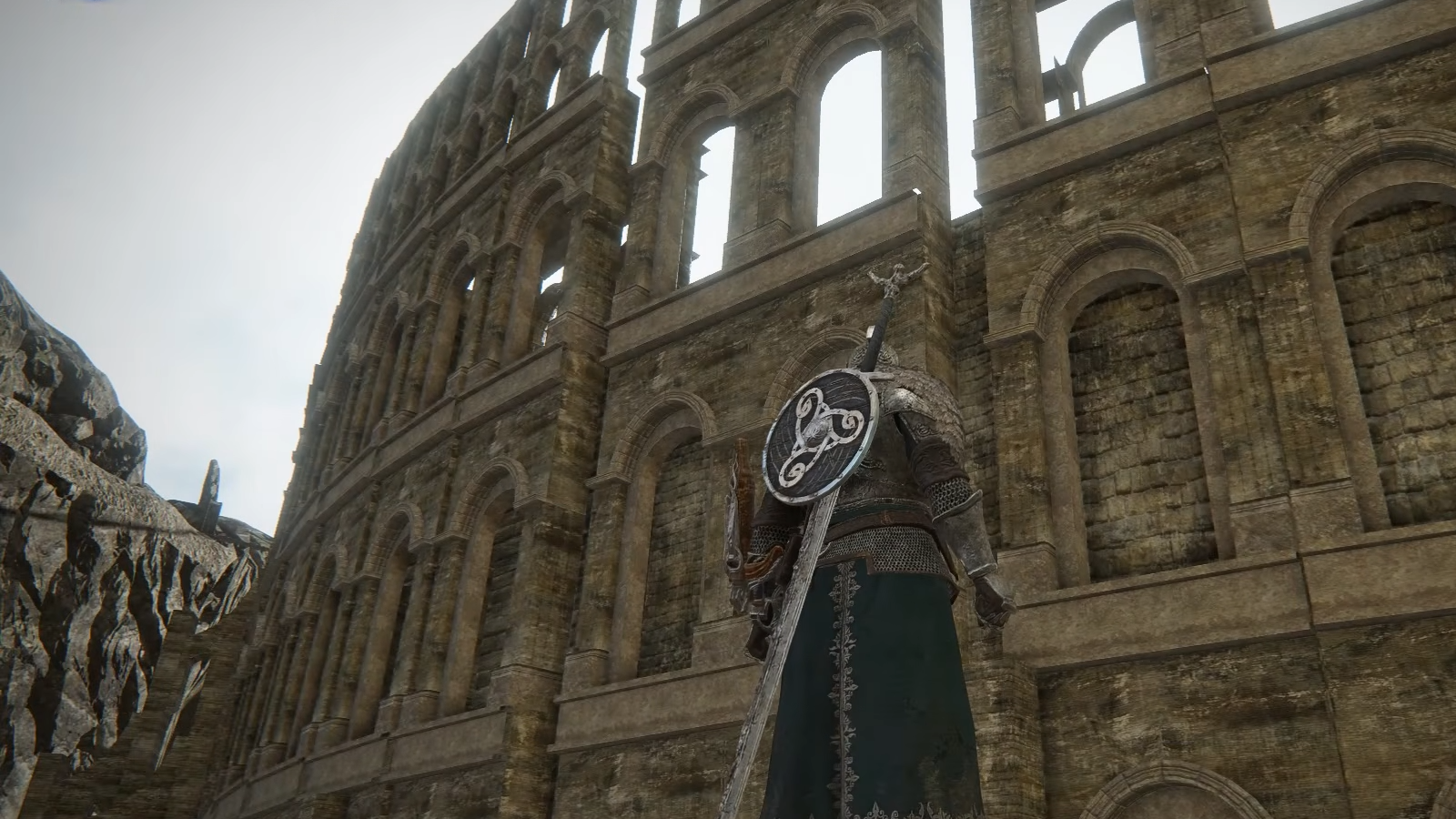
Now, more than a decade after its initial release, the veil is once again being pulled back on what could have been. Thanks to the meticulous forensic work of prominent community dataminer and content creator Doneda, new discoveries have brought to light what many are calling the most ambitious environment ever cut from a FromSoftware game: a colossal, intricately detailed coliseum complex hidden deep within the game’s original production files.
This towering architectural marvel, recently showcased via YouTube and subsequently integrated into modern community projects like Nightreign (via modded map ports), offers a tantalizing glimpse into a Dark Souls 2 that never was. While the final release of Drangleic delivered a sprawling, if occasionally disjointed, dark fantasy journey, this newly unearthed coliseum map stands as a monument to the profound design ambitions—and the grueling developmental sacrifices—that shaped one of gaming’s most scrutinized masterpieces.
Detailed Chronology: The Tumultuous Genesis of Dark Souls 2
To truly understand the significance of this cut coliseum map, one must examine the timeline of how Dark Souls 2 transitioned from a visionary concept into the controversial product that launched in March 2014.
The Handover and Divided Focus
Following the landmark success of 2011’s Dark Souls, FromSoftware found itself thrust into international prominence. However, studio visionary Hidetaka Miyazaki—the creative director largely responsible for defining the modern Soulsborne formula through Demon’s Souls and the original Dark Souls—was swiftly reassigned to direct Bloodborne for Sony Computer Entertainment.
Left without its principal creative architect, Dark Souls 2 was placed in the hands of directors Yui Tanimura and Tomohiro Shibuya. While Tanimura would later earn praise for steering the ship and eventually salvaging the game’s acclaimed DLC trilogy (Crown of the Sunken King, Crown of the Old Iron King, and Crown of the Ivory King), the early phases of development under Shibuya’s initial vision were marked by radical, often chaotic experimental pivots.
Early Trailers and the Downgrade Controversy
In 2012 and early 2013, FromSoftware showcased promotional footage that stunned the gaming community. Featuring dynamic, highly reactive lighting engines, pitch-black environments requiring torches, and staggering architectural scale, the early vertical slice of Dark Souls 2 promised a darker, more technologically advanced evolution of the formula.
However, hardware limitations on the PlayStation 3 and Xbox 360—combined with the engine instability caused by trying to run these advanced lighting systems across multi-platform hardware—forced a massive graphical and structural downgrade late in development. When the game finally shipped, fans were quick to point out the stark contrast between the atmospheric marketing trailers and the brightly lit, flatter environments of the final release. This controversy set off years of passionate discourse regarding the game’s fidelity and structural integrity.
The Scramble for Cohesion
Behind the scenes, the narrative was equally unstable. Cut content and early design documents heavily suggest that the kingdom of Drangleic underwent multiple story rewrites. Characters were swapped, questlines were abbreviated, and massive chunks of world geometry were left on the cutting room floor. Among these casualties was the newly uncovered colossal coliseum map—a structure whose breathtaking verticality and staggering scale suggest it was designed to be a major narrative or gameplay hub before being unceremoniously pruned from the game’s final directory.
Supporting Context & Metrics: Uncovering the Files
The unearthing of this cut coliseum map is not an isolated incident; rather, it is part of a broader wave of archaeological datamining that has steadily rewritten our understanding of the pre-Sekiro Souls era.
The Datamining Authority: Doneda’s Discoveries
The recent revelation comes courtesy of Doneda, a community dataminer who has rapidly established themselves as a leading authority on the inner workings of Dark Souls 2. Doneda’s work goes far beyond simple file extraction; they have actively brought these dormant digital spaces into playable states.
Prior to showcasing the colossal coliseum map—where the player character, styled as a Faraam Wylder, gazes up at the sheer, intimidating cliffs of a massive arena wall—Doneda achieved viral renown within the modding community by:
- Porting and adapting entire Dark Souls 2 DLC zones, such as Eleum Loyce, into modern multiplayer environments like Elden Ring: Nightreign.
- Unearthed an enormous, labyrinthine cut sewers map, providing profound insights into the discarded verticality and spatial planning of early Dark Souls 2 development.
A History of Cut Content in the Pre-Sekiro Era
The presence of major cut content is practically a signature of FromSoftware’s pre-Sekiro catalog. Nearly every title from that golden era carries the scars of ambitious designs truncated by unforgiving publisher deadlines:
- Demon’s Souls: Famously shipped with an entire archstone world—the Northern Lands of the Giants—completely inaccessible, leaving a broken gateway that haunted completionists for years.
- Dark Souls: While universally lauded for its interconnected first half, the back half of the game, particularly Lost Izalith and the Demon Ruins, suffered from blatant time constraints, resulting in sparse enemy placement and repetitive boss encounters.
- Dark Souls 3: Though benefiting from a more streamlined production pipeline, alpha builds reveal a sophisticated, highly atmospheric time-of-day system that was completely scrapped before launch due to performance and lighting conflicts.
Against this backdrop, Dark Souls 2 stands out as perhaps the most structurally battered of them all. Attempting to introduce a divisive new combat engine, adapted hit-detection frameworks (Agility/Adaptability), and a non-linear world map without Miyazaki’s direct oversight left the development team scrambling to glue disparate pieces together.
Official Statements & Community Reflection
While FromSoftware maintains a famously tight-lipped policy regarding internal development failures and cut concepts, the prevailing consensus among developers and industry historians is that ambition frequently outpaced technical reality during the seventh console generation.
In past retrospective interviews regarding the development of Dark Souls 2, director Yui Tanimura acknowledged the immense pressure the team faced in following up a worldwide cultural phenomenon. Taking over a project mid-stream required making brutal, pragmatic decisions about what could realistically be finished in time for release.
Meanwhile, the modding and player community has responded to Doneda’s discoveries with a mixture of awe and wistful melancholy. On platforms like YouTube, Reddit, and Bluesky, fans have dissected every frame of the coliseum footage.
Industry commentators, such as PC Gamer’s Ted Litchfield, have noted the emotional weight of these discoveries:
"The sheer majestic scale of the coliseum makes me wistful for the version(s) of Dark Souls 2 we never got, but it increasingly looks like a small miracle that the game came together as well as it did. I wonder where this complex was planned to fit in the game, but the iteration of DS2’s story it corresponds to may be all but unrecognizable to me anyway."
This sentiment captures the duality of the Dark Souls 2 legacy: a game that feels simultaneously disjointed and miraculous, haunted by the ghosts of grander designs that never saw the light of day.
Future Outlook: Preserving the Ghosts of Drangleic
As the video game industry marches forward into hyper-realistic, open-world vistas powered by cutting-edge hardware, the appetite for game preservation and digital archaeology has never been stronger.
The Evolution of Datamining
Tools for extracting, parsing, and rendering legacy game assets have grown increasingly sophisticated. Modders and data sleuths are no longer just looking at static text strings or low-poly placeholder models; they are reconstructing entire playable environments from raw hexadecimal files. Projects spearheaded by creators like Doneda ensure that discarded chapters of video game history are not lost to time, offering interactive museums of what could have been.
What Lies Ahead for Dark Souls 2 Modding?
With community members successfully bridging the gap between legacy titles and modern engines—such as injecting classic Dark Souls 2 zones into contemporary multiplayer frameworks—the boundaries of fan preservation are expanding. While FromSoftware itself has moved firmly into the realms of Elden Ring and its expansions, the community’s dedication to unearthing Drangleic’s deepest secrets guarantees that the conversation surrounding Dark Souls 2 will remain vibrant for years to come.
We may never receive an official post-mortem detailing where the colossal coliseum map was intended to sit within the grand geography of Drangleic, nor will we ever play the exact iteration of the story that birthed it. Yet, in discovering these digital ruins, players are granted a deeper appreciation for the creative struggles that forge legendary art—proving that even in failure and omission, FromSoftware’s worlds retain an undeniable, haunting majesty.