Executive Overview
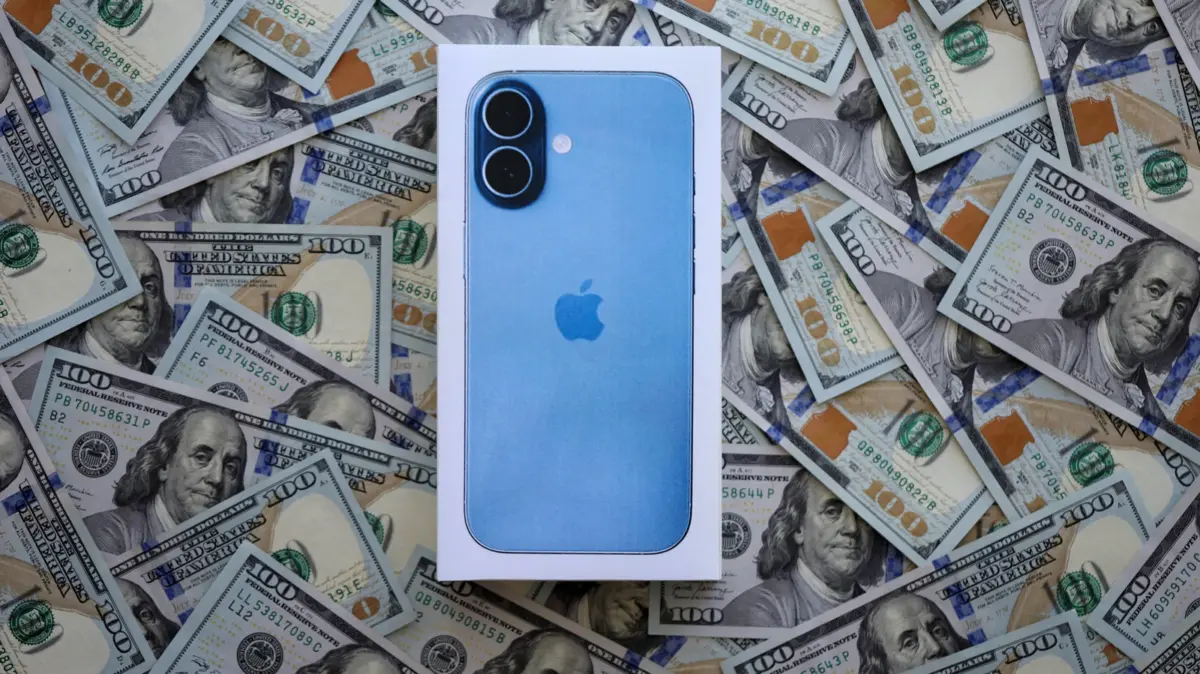
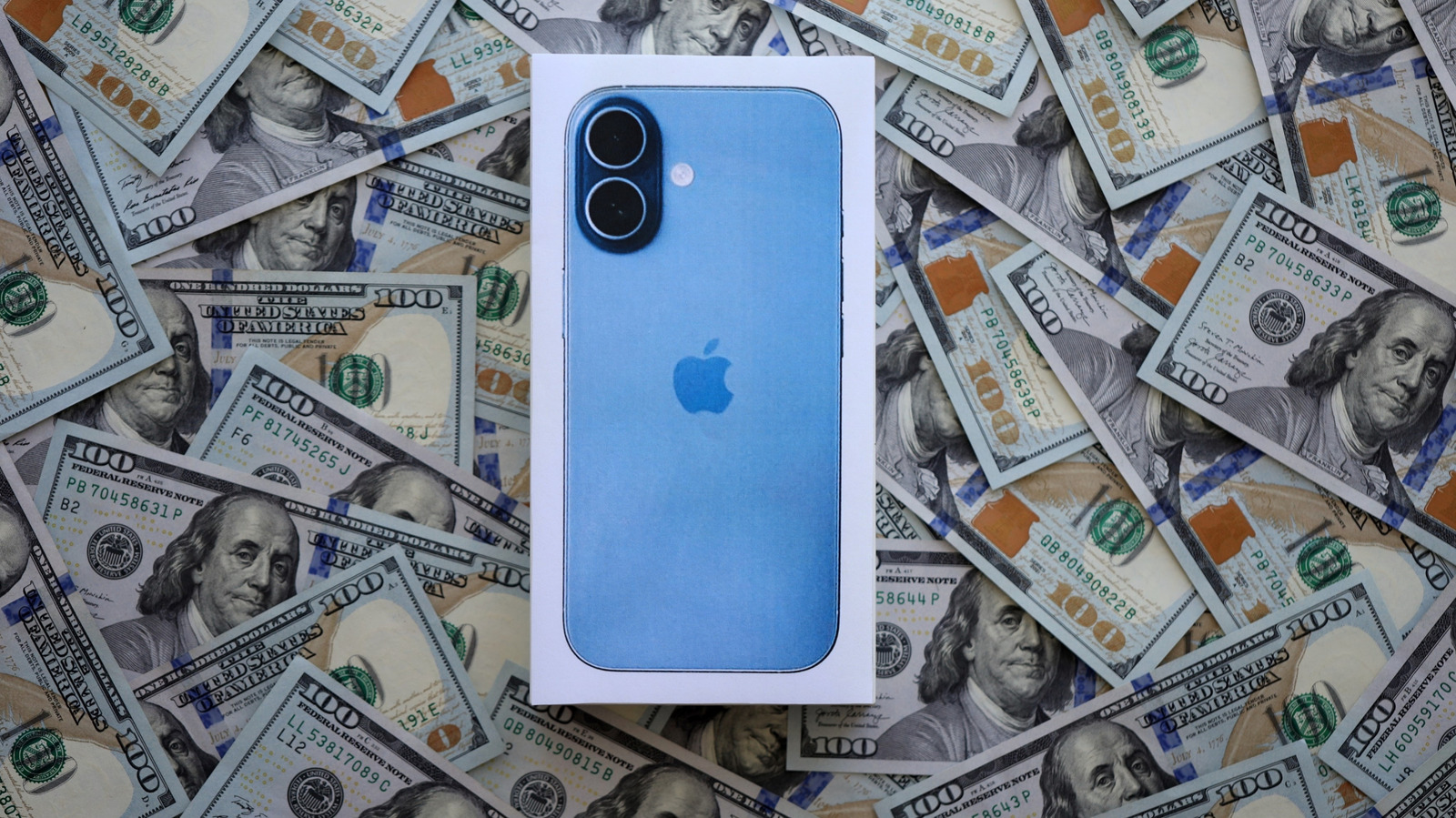
In an era defined by rapid technological iteration and soaring hardware costs, consumers are constantly seeking viable ways to offset the high price of new electronics. With flagship smartphones easily crossing the four-digit threshold, holding onto outdated tech feels increasingly impractical. Yet, millions of households harbor drawers full of legacy electronics—relics of past upgrades gathering dust under loose cables and forgotten accessories.
Many consumers assume that devices past a certain age are completely valueless, destined either for electronic waste facilities or indefinite storage. However, Apple’s official trade-in ecosystem extends further back than casual users might realize. Even devices that haven’t been touched in nearly a decade can still command modest, yet appreciated, credit toward a new purchase or an Apple Gift Card.
While Apple is far from the only game in town—and often not the most lucrative—its integrated trade-in platform offers a seamless, frictionless experience for upgraders who prioritize convenience over maximum cash returns. This comprehensive report explores the boundaries of Apple’s trade-in parameters, evaluates the real-world value of vintage hardware, contrasts first-party trade-ins against third-party competitors, and details the logistical framework required to maximize your electronic residual value.
Detailed Chronology & Eligibility: How Far Back Does Apple Go?
To understand the mechanics of the current trade-in market, one must first look at where Apple draws the line between residual utility and outright obsolescence. Apple’s official trade-in portal evaluates devices generation by generation, assigning estimated values based on a strict matrix of age, model tier, storage capacity (primarily for non-Apple hardware), and physical condition.
The iPhone 8 Threshold: Where Credit Begins
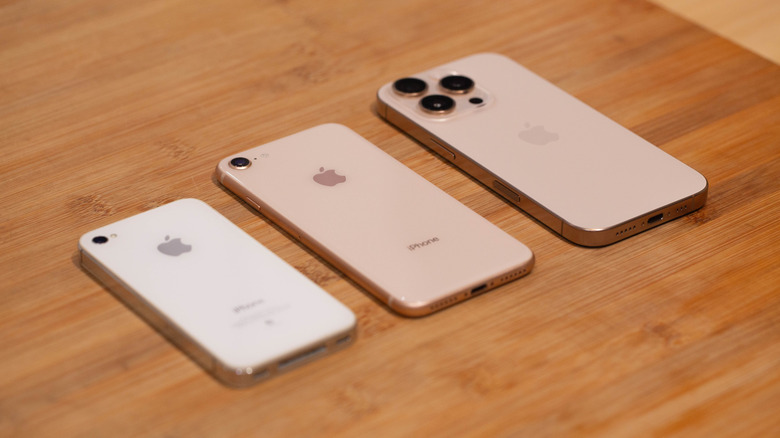
For iPhone users, the absolute floor for financial compensation sits in the year 2017. Apple’s current trade-in directory lists the iPhone 8, iPhone 8 Plus, and the revolutionary iPhone X as the oldest models eligible for monetary credit.
- iPhone 8: An iPhone 8 in "Good" condition—defined by Apple as being fully functional with only minor cosmetic blemishes, such as light surface scratches or minor scuffs—commands a baseline trade-in valuation of roughly $35.
- iPhone 8 Plus: Stepping up to the slightly larger form factor yields a modest bump, offering up to $40 in good condition, or $10 if the device suffers from limited, non-structural damage.
- iPhone X: As the device that fundamentally reshaped modern smartphone design with its edge-to-edge OLED display and Face ID architecture, the iPhone X holds slightly more retained value, fetching up to $60 when presented in good operational order. However, damaged iterations of the iPhone X frequently yield $0 in trade-in value.
The Obsolete Tier: The iPhone 5 to 7 Era
Venturing further back into the archives reveals a hard stop. While Apple’s trade-in lookup tool recognizes legacy hardware stretching all the way back to the iPhone 5 series, devices released between 2013 and 2016 (including the iPhone 5, 6, and 7 lineups) generate zero financial credit.
For these vintage units, Apple offers a free-of-charge recycling service. The company will responsibly dismantle the hardware, harvest rare earth elements, and properly dispose of the lithium-ion battery. While environmentally responsible, it marks a stark financial realization for owners hoping to monetize these museum-piece devices: if your phone predates the iPhone 8 generation, its monetary value on Apple’s balance sheet is effectively zero.
Supporting Context & Metrics: Ecosystem Valuations and Comparative Metrics
Beyond the baseline entry point of the iPhone 8, Apple’s trade-in ecosystem spans a vast array of hardware classifications, ranging from contemporary flagship smartphones to legacy tablets, computers, and even cross-ecosystem competitors.
First-Party Ecosystem Valuations (Maximum Payouts)
Apple’s internal valuation structure scales dynamically based on the current product lifecycle. Maximum trade-in estimates for primary product categories illustrate the ceiling of what users can expect to recoup through official channels:
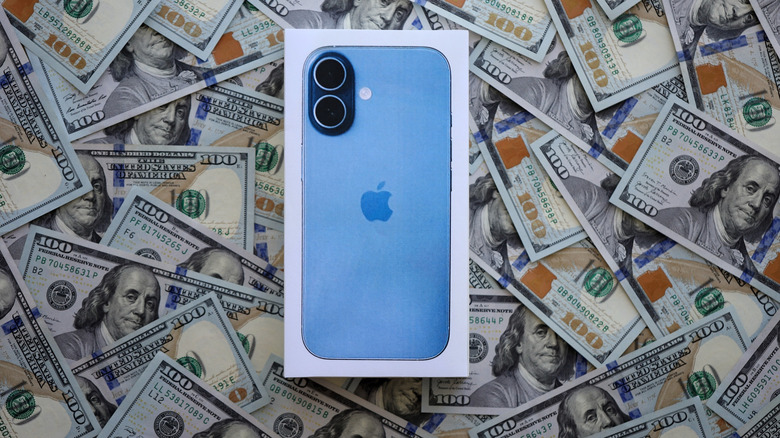
- Smartphones: At the upper echelon, a pristine, top-tier contemporary device like the iPhone 16 Pro Max can fetch up to $720 in trade-in credit. However, financial analysts note that trading in a newly released, highly expensive flagship makes little economic sense given its multi-year operational lifespan and high initial retail cost ($1,199+).
- Tablets (iPads): Apple’s tablet lineup retains strong residual value, with top-tier iPad Pro configurations yielding maximum trade-in credits approaching $690.
- Computers (Macs): Representing the highest potential payout across all consumer hardware, high-end Apple silicon MacBooks, Mac Studios, and Mac Pros can command up to $2,045 in trade-in value, depending heavily on customized RAM and storage specifications.
- Wearables (Apple Watches): Premium Apple Watch Ultra or stainless steel series models can net up to $305 in trade-in credit.
- Audio and Accessory Hardware: Peripherals such as HomePods, Apple TV units, and standard AirPods are categorically excluded from financial trade-ins. They are accepted solely for responsible recycling.
The Android Conundrum: Trading in Competitor Devices
Apple recognizes that capturing market share frequently involves enticing users away from competing ecosystems. Consequently, the company permits trade-ins for select Android smartphones—primarily restricted to flagship devices from Samsung (Galaxy series), Google (Pixel series), OnePlus, and Huawei.
However, Apple’s valuation algorithm for third-party hardware is notably less generous than its first-party buyback rates. Furthermore, unlike the streamlined iPhone trade-in process, Android evaluations require users to specify internal storage capacities, which heavily influence the final estimate.
- Google Pixel Example: A contemporary Google Pixel 9 Pro in good condition with 128GB of storage might secure $255 in trade-in credit, scaling up to $315 for a 1TB variant.
- Legacy Android Depreciation: Older Android flagships suffer steep depreciation curves within Apple’s system. For instance, an older Google Pixel 6 Pro yields a flat $50 valuation in good condition, regardless of its original storage tier.
Because Apple’s valuation models for non-Apple hardware lean conservative, users looking to transition from Android to iOS are almost universally advised to leverage dedicated third-party resale markets rather than routing their old hardware through Apple’s intake pipeline.
Official Guidelines & Mechanics: Navigating the Trade-In Process
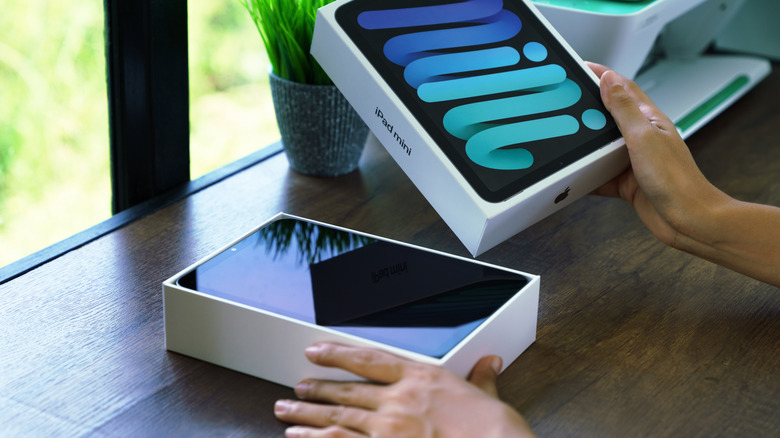
For consumers who prioritize convenience, security, and a streamlined upgrade path over absolute dollar maximization, Apple provides two primary methods for executing a trade-in: online via mail-in kits or in-person at retail storefronts.
The Online Mail-In Method
- Initiation: When purchasing a new device on Apple’s website or app, users select the Add a trade-in prompt under the Apple Trade In header, input their existing device specifications, and answer diagnostic questions regarding physical and functional condition.
- Financial Application:
- Full Upfront Purchases: Apple charges the full retail price and refunds the trade-in value directly to the original payment method once the old device arrives at a processing facility and passes physical inspection.
- Financed/Leased Purchases: If financing through the Apple Card, carrier installment plans, or the Apple Upgrade Program, the approved trade-in value directly lowers the monthly recurring payment structure.
- Gift Card Route: Users not buying immediate hardware can choose to convert their trade-in value into an Apple Gift Card by visiting the dedicated trade-in portal and providing the device’s serial number.
- Logistics: Apple ships a specialized, secure transit box alongside a prepaid shipping label (typically routed via UPS or FedEx). Users are instructed to perform a comprehensive device backup, transfer data to their new hardware, factory-reset the old unit, and drop off the package.
The In-Store Retail Method
For those who prefer human interaction or wish to bypass transit delays, physical Apple Stores handle trade-ins on the spot. While walk-ins are accepted, scheduling an appointment via the Apple Store app is strongly encouraged to reduce wait times.
- Preparation Protocols: Customers should unpair associated accessories (such as an Apple Watch), back up their data via iCloud, and sign out of their Apple ID prior to arrival. Crucial advisory: Do not factory-wipe the device before entering the store; Apple specialists require an operational, logged-in interface to run localized diagnostic software.
- Accessory Retention: Apple explicitly requests that users retain their chargers, cables, and original retail boxes. While Apple will happily recycle charging bricks and legacy cables if requested, handing them over yields zero additional financial credit. Keep functional accessories for daily use or separate resale.
Future Outlook & Strategic Alternatives: Is Apple Always the Best Choice?
While the official Apple Trade In program represents the pinnacle of retail convenience—eliminating the friction of listing items online, vetting prospective buyers, managing shipping logistics, and mitigating the risk of fraudulent chargebacks—it comes at a distinct financial cost.
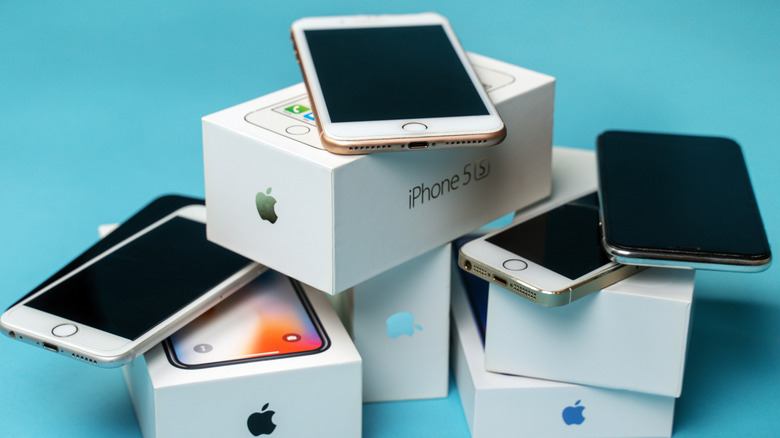
Corporations operating buyback and trade-in programs must factor in profit margins, reconditioning overhead, and remarketing costs. Consequently, independent secondary marketplaces routinely outpace Apple’s direct valuations.
The Alternative Marketplace Landscape
- Dedicated Buyback Services: Platforms such as Mac Me An Offer specialize in direct-to-consumer electronic acquisitions without the traditional haggling or public meetups associated with peer-to-peer sales. For example, while Apple may value a pristine iPhone 15 at approximately $320, specialized brokers have offered upwards of $425 for higher-capacity 512GB configurations of the same hardware.
- Comparison Aggregators: Services like SellCell allow consumers to cross-shop their specific device model across dozens of competing buyback vendors simultaneously, ensuring they capture peak market rates.
- Peer-to-Peer Platforms: Traditional avenues such as eBay, Swappa, or local marketplaces (Facebook Marketplace) yield the highest absolute cash returns. Selling directly to an end consumer eliminates the corporate middleman. However, this route requires absorbing the time cost of listing creation, managing customer inquiries, paying platform transaction fees, and navigating potential shipping disputes or fraud risks. Furthermore, peer-to-peer payouts land as cash (via checks, direct deposits, or peer-to-peer payment apps like Zelle), untethering funds from ecosystem-locked gift cards.
Conclusion
As smartphone innovation plateaus and device lifecycles lengthen, treating old consumer electronics as disposable clutter is an increasingly expensive habit. Whether you choose the effortless, streamlined path of Apple’s official trade-in program to knock a few dollars off a brand-new iPhone 16, or decide to unearth a neglected iPhone 8 from a forgotten desk drawer for a modest $35 credit, the modern secondary market ensures that yesterday’s technology retains a tangible, redeemable footprint in the digital economy.