Executive Overview
In the fast-moving, high-stakes universe of competitive PC gaming, few entities wield the transformative market influence of Valve Corporation. Operating quietly from Bellevue, Washington, the legendary developer and digital storefront titan has once again upended industry norms. Valve’s latest tactical hybrid—an ambitious, third-person shooter and multiplayer online battle arena (MOBA) crossover simply titled Deadlock—has officially crossed a monumental milestone.
Despite still technically lingering in an invite-only playtest phase, Deadlock recently smashed its previous concurrent player records, surging to a staggering 262,145 simultaneous players on Steam. This massive wave of engagement arrived hot on the heels of a sprawling, atmospheric update that gave the game’s gothic-meets-industrial cityscape a spooky new aesthetic and introduced six fresh heroes to its expanding roster.
More importantly, this latest surge pushed Deadlock past the all-time concurrent player peak of Valve’s beloved, historical hero shooter, Team Fortress 2 (TF2), which historically capped out at 253,997 concurrent users. While comparing an unreleased playtest to a legendary, nearly two-decade-old multiplayer staple comes with structural caveats, the achievement underscores Deadlock‘s unprecedented, organic momentum. It highlights the undeniable pull of Valve’s design philosophy, the power of its distribution ecosystem, and the gaming public’s relentless appetite for innovative, genre-blending mechanics—exemplified most prominently by the arrival of the game’s newest hero: Solomon, the chess mage.
Detailed Chronology: From Whispered Leaks to Public Phenomenon
The journey of Deadlock from an internal, tightly guarded concept to a global phenomenon is a masterclass in modern digital game development and community-driven organic growth. Unlike traditional blockbuster titles backed by multi-million-dollar marketing blitzes, trailers at major conventions, and carefully timed beta windows, Deadlock built its colossal foundation largely in the shadows.
The Leaks and the Whispers (2022–2023)
Long before Valve ever uttered an official public statement regarding the project, the gaming world caught wind of a mysterious, unannounced third-person title internally codenamed Citadel, which later evolved into Deadlock. Approximately two years ago, the internet was flooded with over 90 leaked gameplay videos, screenshots, and early character design sheets.
Faced with massive information leaks that would have sent most corporate marketing departments into crisis mode, Valve adopted a posture of absolute calm. They essentially acted as though nothing had happened, letting the community-driven curiosity build naturally. Rather than issuing sweeping copyright strikes or heavy-handed takedowns, Valve allowed the mystique of the forbidden playtest to capture the imagination of PC gamers worldwide.
The Rolling Invite-Only Phase (2024–Present)
As early playtest builds began circulating via Steam invitations—where existing players could vouch for and invite their friends—the player counts steadily crept upward. What began as a closed circle of industry insiders, journalists, and lucky community members quickly snowballed into an open secret.
Throughout 2024 and 2025, Valve treated the community to iterative, systemic updates. They tested radical economic models, reworked entire map layouts, adjusted soul-pouncing mechanics, and gradually layered on lore and character design. By mid-2025, the game was maintaining a remarkably healthy, highly active concurrent player base that regularly rivaled fully released, major commercial live-service titles—all without charging a single cent or opening a microtransaction storefront.
The Spooky Update and the Chess Master
The most recent chapter in this ongoing chronology unfolded with a major seasonal update. Delivering on community expectations, Valve dropped six new heroes into the rotation, overhauled the map’s visual lighting with a moody, atmospheric coat of paint, and introduced balancing passes that refined lane combat and objective control.
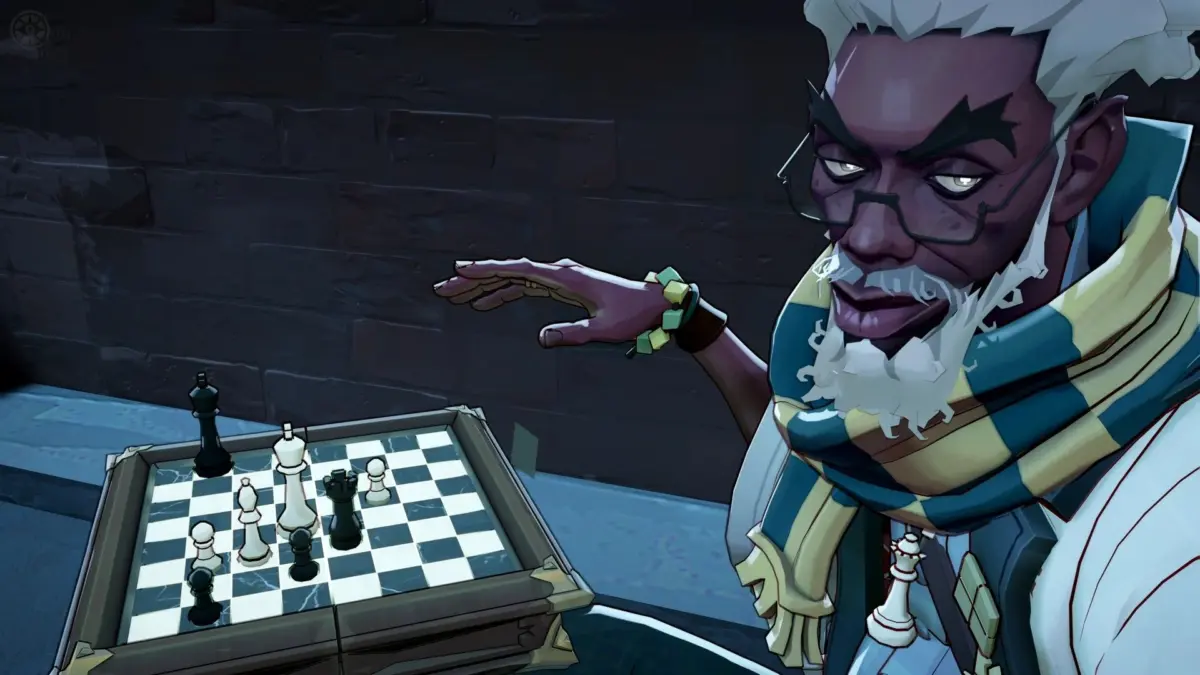
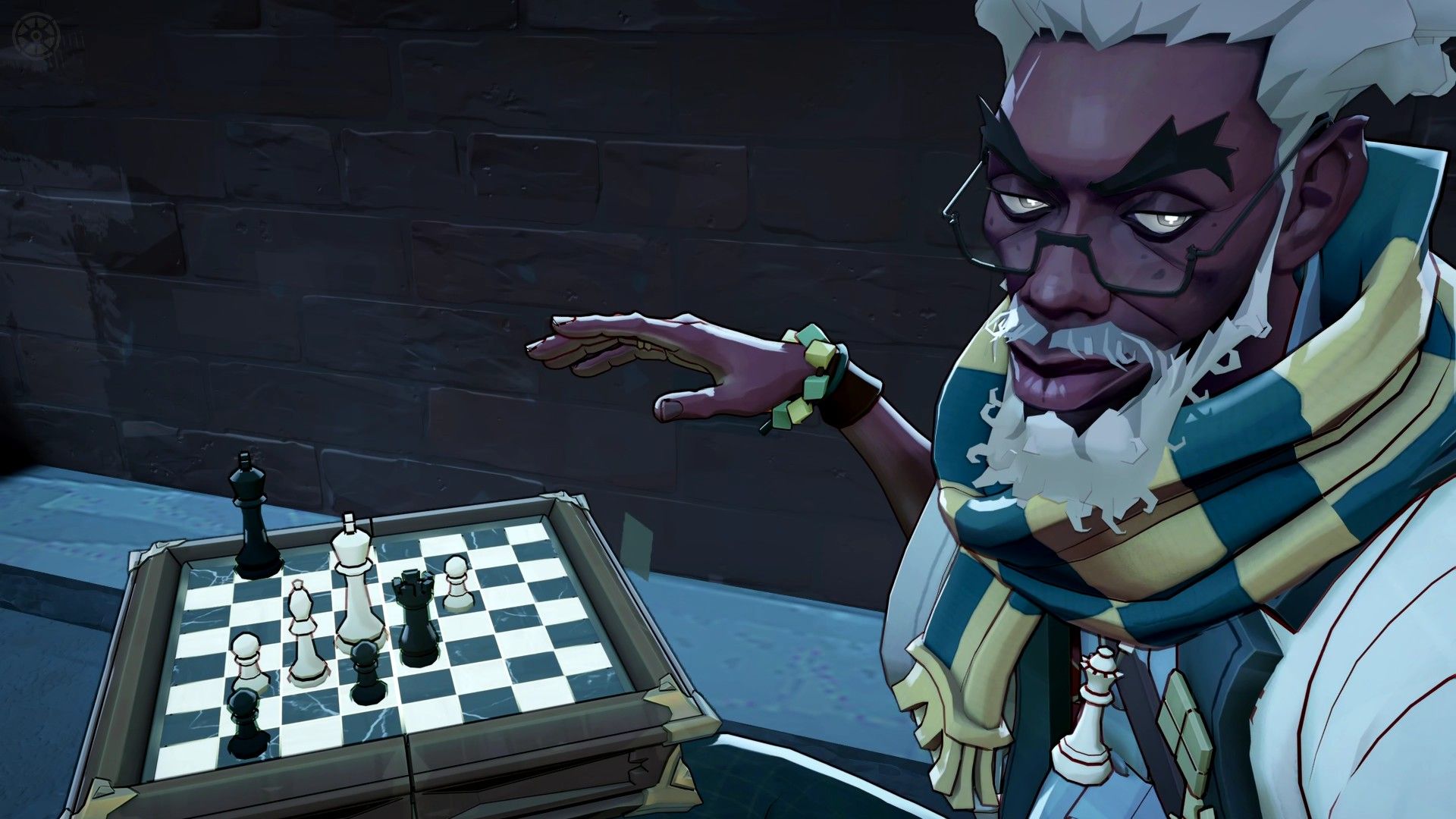
Chief among the new arrivals was Solomon, a tactical chess-themed mage whose weapon design and move sets quickly captured the global gaming community’s attention. It was this specific content drop that pushed the server infrastructure to its limits, resulting in the record-breaking peak of 262,145 simultaneous players recorded by SteamDB.
Supporting Context & Metrics: Breaking Down the Numbers
To fully grasp the magnitude of Deadlock‘s recent milestones, one must examine the numbers within the broader historical ecosystem of Steam and Valve’s illustrious catalog.
Surpassing the Team Fortress 2 Benchmark
When SteamDB logged Deadlock‘s peak at 262,145 concurrent players, it officially eclipsed the all-time peak of Team Fortress 2, which sits at 253,997 concurrent users.
- The TF2 Caveat: Purists and long-time fans will quickly point out that Team Fortress 2 enjoyed massive console populations during its initial launch era as part of The Orange Box on the Xbox 360 and PlayStation 3. Furthermore, TF2‘s historical metrics have occasionally been clouded by idle farming servers and, in more recent years, waves of automated bots that Valve has aggressively combated.
- The Era Difference: PC gaming as a global market was a fundamentally smaller phenomenon when TF2 reached its golden age of classic cartoony chaos.
- The Genre Factor: Team Fortress 2 relies on a classic, Quake-descended class-based shooter framework. In contrast, Deadlock blends MOBA itemization, lane pushing, creep farming, and vertical third-person mechanics. MOBAs historically demand a higher barrier to entry, making Deadlock‘s massive adoption numbers even more astonishing.
The Power of the Valve Ecosystem
How can an unreleased, invite-only game command hundreds of thousands of daily players? The answer lies in the unrivaled infrastructure of Steam. Valve occupies the enviable position of owning and operating the dominant digital PC storefront in the world. This financial independence allows the company to engage in what can only be described as "mad science experiments."
Valve can afford to fund, develop, and test a game in public view for multiple years without generating a single cent of direct revenue from it. This luxury is rarely afforded to publicly traded publishers tethered to quarterly earnings reports.
Of course, Valve’s experimentation doesn’t always guarantee runaway success. Industry watchers need only look back at Artifact, the ambitious digital collectible card game that failed to maintain its audience despite high-profile talent attached to its creation, ultimately forcing Valve to halt active development and make the game free-to-play. Deadlock, however, represents the absolute apex of Valve’s experimental formula paying off.
Spotlight on the Catalyst: Who is Solomon?
Every major surge in a game’s playtest lifecycle requires a catalyst, and for Deadlock, that catalyst arrived in the form of Solomon and his peerless tactical design.
+-------------------------------------------------------------+
               SOLOMON: THE CHESS MAGE METRICS
+-------------------------------------------------------------+
| Role          | Tactical Mage / Control Specialist          |
| Weaponry      | Sentient Chessboard-Integrated Firearm      |
| Unique Mech.  | Historic Game-State Reload System           |
| Community Imp.| Catalyst for Record-Breaking 262k Peak      |
+-------------------------------------------------------------+
Solomon is not your standard run-and-gun shooter hero. As a master of arcane strategy and board control, his character design merges intellectual warfare with fast-paced third-person combat. However, what truly captured the imagination of the player base—and sent clips viral across social media platforms like X (formerly Twitter) and Reddit—is his weapon mechanic.
According to widespread player reports and data miners, Solomon’s gun utilizes a chessboard grid where the reload animation and state physically recreate different historic chess matches, varying dynamically depending on how many bullets are left in his magazine when he initiates a reload. While chess enthusiasts and esports analysts continue to debate the exact historical accuracy of every single board state rendered in-game, the sheer creativity of the animation has driven massive engagement.
This level of obsessive, granular design polish is vintage Valve. It rewards player curiosity, sparks deep community discussions, and acts as free, organic marketing that draws new players into the invite queue daily.
Future Outlook: What Lies Ahead for Valve’s Secret Titan?
As Deadlock continues to smash its own internal records, the inevitable question facing Valve and the gaming community is: What comes next?
Transitioning to an Open Release
Thus far, Valve has maintained strict control over the game’s pipeline via the friend-invite system. However, with player counts regularly rivaling released giants in the top tiers of the Steam charts, the barrier of the "invite-only playtest" is becoming increasingly artificial. Industry analysts widely anticipate that Valve is building toward a more formalized public beta or an official open release window, complete with cosmetic monetization models, battle passes, and ranked competitive ladders.
Balancing the MOBA-Shooter Hybrid
As the hero roster expands—highlighted by the recent addition of six new characters alongside Solomon and the Rat King—balancing the complex interplay between third-person gunplay and traditional MOBA lane management will become Valve’s primary hurdle. Maintaining competitive integrity while keeping matches accessible to newcomers will determine whether Deadlock can transition from a viral playtest sensation to a permanent, multi-year esports pillar akin to Dota 2 or Counter-Strike 2.
Conclusion
Valve has once again proven that it operates on a different plane of existence than the rest of the gaming industry. By trusting its development process, embracing organic leaks, and treating its community as active co-creators in a multi-year sandbox experiment, the developer has birthed a behemoth. With 262,000+ concurrent players already locked in and begging for more, Deadlock is no longer just an interesting experiment—it is the next great titan of PC gaming.