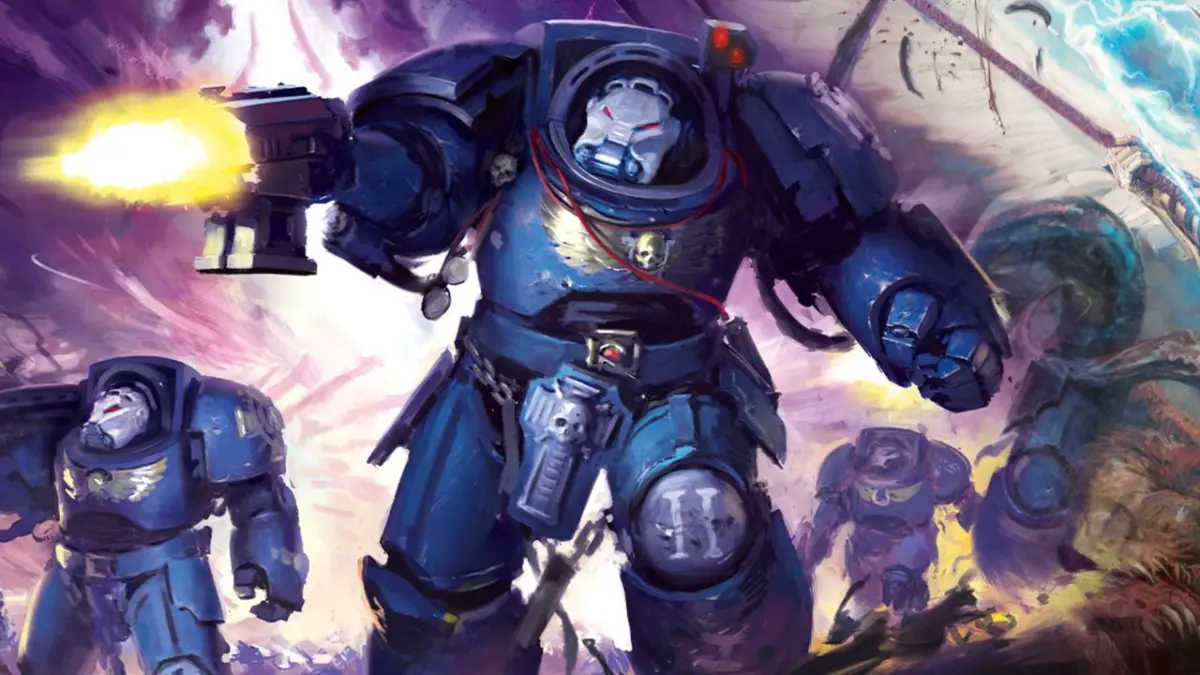
In the sprawling, hyper-militarized expanse of Games Workshop’s iconic sci-fi intellectual property, fans have long yearned for an interactive, comprehensive navigational tool to grasp the sheer scale of the Milky Way galaxy in the 41st Millennium. Enter Cartographia Imperialis, an independently developed, browser-based 3D interactive map that allows enthusiasts to traverse the Imperium of Man and beyond with the fluid mechanics of an isometric video game.
Created by developer Sami Gashi, the project has quickly captured the imagination of the tabletop gaming and digital lore communities. Built entirely for the web without intrusive advertisements, tracking bloat, or paywalls, Cartographia Imperialis bridges the gap between dry codex lore and engaging, spatial exploration. Users can pan, rotate, and zoom across a meticulously rendered star map, clicking on legendary planets, contested sectors, and grim, dystopian hive worlds.
The application stands out not merely as a technical triumph of lightweight browser optimization, but as a masterclass in atmospheric world-building. Featuring evocative, in-universe prose that highlights the stark horrors and bureaucratic numbness of the Warhammer 40K universe, the map treats users to a genuinely immersive experience. This executive report explores the origins of Cartographia Imperialis, the mechanics of its digital architecture, the significance of its lore integration, the broader community reaction, and what the future holds for Gashi’s ambitious cartographic endeavors.
Detailed Chronology
The Genesis of a Digital Galaxy
The conceptualization of Cartographia Imperialis did not happen overnight. For decades, mapping the Warhammer 40K universe has been notoriously difficult due to the constant shifting of the Warp, massive galaxy-spanning events like the opening of the Cicatrix Maledictum (the Great Rift), and the sheer volume of canon material produced across novels, codexes, and roleplaying sourcebooks.
While Games Workshop has occasionally released official flat-map representations—most notably in major campaign supplements and rulebooks—an accessible, dynamic, 3D interactive model built for modern web browsers remained a glaring gap in the fan-project ecosystem.
Sami Gashi recognized this vacuum and set out to build a streamlined tool that could handle thousands of celestial bodies without sacrificing performance. Utilizing modern web graphics libraries, Gashi developed an interface heavily reminiscent of the iconic galaxy map from BioWare’s Mass Effect series. The development prioritized lightning-fast load times and seamless user interaction over resource-heavy graphical fidelity, ensuring that players running older hardware or browsing on mobile devices could still access the grimdark cosmos instantly.
Public Launch and Rapid Adoption
Upon its quiet release to the public via the web domain cartographia40k.com, the project spread organically through word-of-mouth across social media, Reddit, and community Discord servers. Unlike many fan projects that buckle under sudden influxes of traffic, Cartographia Imperialis demonstrated remarkable server stability and performance optimization.
Users immediately began cataloging their favorite sectors, sharing deep-dive discoveries into obscure planetary lore, and testing the limits of the search index. The community’s warm reception prompted Gashi to set up a Ko-Fi support page, signaling potential openness to expanding the platform or applying the same technical framework to other rich fictional universes. As word spread to major gaming publications, the map cemented its status as a must-visit digital artifact for both veterans of the hobby and newcomers discovering the setting through video games like Warhammer 40,000: Rogue Trader or Space Marine 2.
Supporting Context & Metrics
Technical Architecture and Optimization
In an era where modern websites are frequently bloated with heavy JavaScript frameworks, tracking scripts, and autoplay video advertisements, Cartographia Imperialis is a breath of fresh air. The platform is remarkably lightweight. It loads almost instantaneously, maintaining a smooth, stutter-free framerate even when users rapidly cycle through complex sectors and zoom from galactic vistas down to individual planetary coordinates.
The interaction model is intuitive, mirroring standard PC gaming paradigms:
- Panning: Left-click and drag to move freely across the galactic plane.
- Rotation: Right-click and drag to pivot the camera angle, offering a true three-dimensional perspective of stellar positioning.
- Zooming: The standard mouse wheel handles scaling, allowing users to transition seamlessly from a macro view of the entire galaxy down to localized star clusters.
- Index Navigation: A robust search index allows users to input specific planetary names and snap the camera directly to their target instantly.
The Lore and Prose of the Imperium
What truly elevates Cartographia Imperialis above a standard geographic tool is the quality of its writing. Rather than relying on dry, Wikipedia-style data dumps, the textual entries accompanying each location lean heavily into the satirical, gothic, and oppressive tone of the Warhammer 40K universe.
Consider the entry for Jouran, a seemingly unremarkable hive world. Official lore summaries might simply list it as an industrial producer of Imperial Guard regiments. However, Gashi’s descriptive prose captures the true existential dread of the setting:
"Its dossier is a reminder that strategic maps hide ordinary misery behind a clean point of light. Jouran’s value lies in quotas met, bodies counted, and local authorities willing to preserve output by any sanctioned means."
This commitment to in-universe atmospheric writing ensures that exploring the map feels less like studying an atlas and more like unearthing classified Imperial archives from the desk of an exhausted Adeptus Administratum scribe.
Official Statements & Community Perspectives
While Games Workshop has not issued an official corporate statement regarding Cartographia Imperialis—largely adhering to its historical stance on community-created digital tools—the response from the grassroots Warhammer community has been overwhelmingly enthusiastic.
Prominent content creators, tabletop veterans, and digital artists have praised the project for its accessibility. For years, introducing new players to the lore of Warhammer 40K has been hindered by the sheer density of the setting’s chronology and geography. Tools like Cartographia Imperialis provide an intuitive visual anchor that simplifies complex narrative arcs, such as the division of the Imperium into Imperium Sanctus and Imperium Nihilus following the fracturing of the galaxy.
Community feedback has also highlighted minor wish-list additions, such as requests to feature regions like the Koronus Expanse—famed as the primary setting for Owlcat Games’ CRPG Warhammer 40,000: Rogue Trader. Yet, even minor omissions are met with immense goodwill, balanced against the fact that the platform is provided entirely free of charge, with zero commercial monetization or paywalled tiers.
On creator Sami Gashi’s Ko-Fi page, supporters have voiced not only financial backing but also enthusiastic pleas for future expansions. Commenters have suggested applying the interactive 3D map engine to other beloved speculative fiction franchises, ranging from Dune and Star Wars to classic tabletop roleplaying settings like Battletech or Pathfinder’s Golarion.
Future Outlook
As Cartographia Imperialis continues to circulate across the digital landscape, its long-term trajectory looks exceptionally promising. The project serves as a prime example of what independent developers can achieve when passion for a source material intersects with clean, efficient web engineering.
Looking ahead, several potential milestones could shape the evolution of the platform:
- Database Expansion: Continued updates to include more obscure systems, fringe territories, and recent campaign theatre zones as Games Workshop advances the overarching narrative of the 41st Millennium.
- Community Contributions: Potential integration of crowdsourced lore summaries or user-submitted regional annotations, allowing the platform to grow alongside the expanding canon.
- Cross-Universe Adaptation: Should Gashi choose to pursue projects outside of the Warhammer 40K ecosystem, the foundational 3D mapping engine possesses immense commercial and creative potential for other science fiction and fantasy intellectual properties.
Ultimately, Cartographia Imperialis demonstrates that the internet can still deliver pure, unadulterated moments of digital joy. By stripping away the monetization models and ad-driven noise that plague modern web content, Gashi has gifted the Warhammer community a timeless utility—one that invites us to gaze into the terrifying abyss of the far future, one star system at a time.