Executive Overview
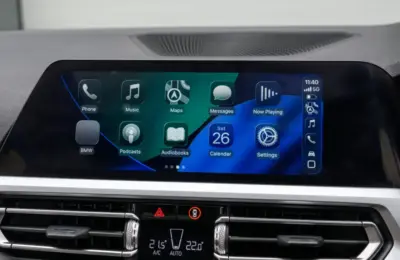
Apple CarPlay has fundamentally transformed the modern driving experience. By seamlessly integrating the iPhone’s intuitive interface, robust navigation suites, and extensive audio libraries directly into the vehicle’s dashboard, it bridges the gap between personal computing and automotive transit. Yet, for millions of motorists, the out-of-the-box in-car tech experience is rarely frictionless.
Vehicle lifecycles far outpace consumer electronics cycles. While an iPhone is replaced every two to three years, a car remains on the road for over a decade. Consequently, millions of drivers face an infrastructural mismatch: modern smartphones paired with outdated automotive hardware. Issues range from mandatory wired tethers that clutter the center console to vehicles entirely devoid of digital infotainment systems. Furthermore, long-distance road trips introduce compounding hardware challenges, including the notorious thermal throttling caused by simultaneous wireless charging, GPS navigation, and direct sunlight streaming through the windshield.
Fortunately, modernizing an in-car entertainment ecosystem does not require a five-figure vehicle trade-in or an expensive, custom dashboard overhaul. A burgeoning market of affordable, aftermarket accessories allows drivers to bridge these technological divides. Ranging from sub-$15 charging cables and active cooling mounts to wireless adapters and portable standalone displays, these solutions restore comfort, connectivity, and safety to virtually any vehicle.
This comprehensive guide explores the essential hardware upgrades designed to optimize Apple CarPlay, examining how drivers can eliminate cable clutter, convert wired systems to wireless setups, bring modern displays to legacy dashboards, and protect their devices from thermal degradation on long journeys.
Detailed Chronology of In-Car Infotainment and the Rise of Aftermarket Connectivity
To understand the current landscape of CarPlay accessories, it is necessary to examine how vehicle technology evolved and why these aftermarket solutions became essential.
The Wired Era (2014–2019)
When Apple officially introduced CarPlay at the Geneva Motor Show in March 2014, the automotive industry was deeply rooted in proprietary dashboard designs. Early adoption was slow, restricted primarily to luxury marques and select aftermarket head unit manufacturers like Pioneer and Alpine.
During this foundational era, reliable data transmission speeds required a physical USB connection. Automakers embedded USB ports deep within center consoles or glove compartments, requiring long, cumbersome cables that frequently failed due to cabin heat and repeated bending. While this wired approach guaranteed stable audio streaming and low-latency map rendering, it locked the user’s phone to a fixed location and created perpetual clutter around gear shifters and cup holders.
The Shift to Wireless (2020–Present)
As Wi-Fi and Bluetooth bandwidth expanded, automakers began offering wireless CarPlay. By leveraging a local 5GHz Wi-Fi network paired with Bluetooth handshake protocols, modern vehicles allowed iPhones to remain safely tucked inside a pocket or bag upon entering the cabin.
However, this convenience created a new hardware bottleneck. Wireless CarPlay consumes significantly more battery power and processing resources than its wired predecessor. Drivers quickly realized that long commutes required continuous charging, yet standard vehicle USB ports often output a meager 5 watts of power—insufficient to offset the heavy energy draw of GPS navigation, cellular data streaming, and screen mirroring.
The Aftermarket Innovation Boom (2024–Present)
Recognizing that hundreds of millions of cars on the road lacked native wireless capabilities or CarPlay entirely, third-party manufacturers stepped in. Companies like Carlinkit, Anker, ESR, and Krunia flooded the market with specialized hardware bridges. These devices allowed older vehicles to leapfrog generations of automotive tech, democratizing wireless integration, portable touchscreen displays, and advanced thermal management for legacy cars at a fraction of the cost of OEM replacements.
Supporting Context & Metrics: The Modern CarPlay Ecosystem
Modern drivers spend an increasing amount of time inside their vehicles, making the infotainment system one of the most critical touchpoints in consumer technology. Industry analysts note that over 80% of new vehicles sold globally now feature Apple CarPlay, and consumer demand for the interface is so high that the absence of smartphone projection software is frequently cited as a dealbreaker during car purchases.
However, the aftermarket segment thrives precisely because the remaining car parc (vehicles currently in operation) skews much older. According to automotive data compiled by S&P Global Mobility, the average age of light vehicles on U.S. roads has climbed to an all-time high of 12.6 years. This means the vast majority of driven vehicles pre-date widespread wireless smartphone integration.
| Upgrade Category | Target Vehicle Issue | Primary Hardware Solution | Average Cost |
|---|---|---|---|
| Wireless Conversion | Factory wired CarPlay only | Carlinkit Mini Ultra 3 | ~$44 |
| Portable Display | No built-in screen / older dash | Krunia 9.26-inch Display | ~$90 |
| Permanent Receiver | Outdated double-DIN stereo | BOSS Audio BVCP9700A | ~$165 |
| Active Cooling Mount | iPhone overheating / charging | ESR CryoBoost MagSafe | ~$30 |
| Power Delivery | Slow OEM charging ports | Anker 323 Dual-Port Charger | ~$15 |
Modernizing Your Dashboard: Deep Dive Into Essential Hardware
1. Eliminating the Tether: Converting Wired CarPlay to Wireless
For vehicles equipped with factory-installed wired CarPlay, the daily ritual of plugging and unplugging a Lightning or USB-C cable quickly becomes tedious. Dongles that bridge this gap have revolutionized cabin ergonomics.
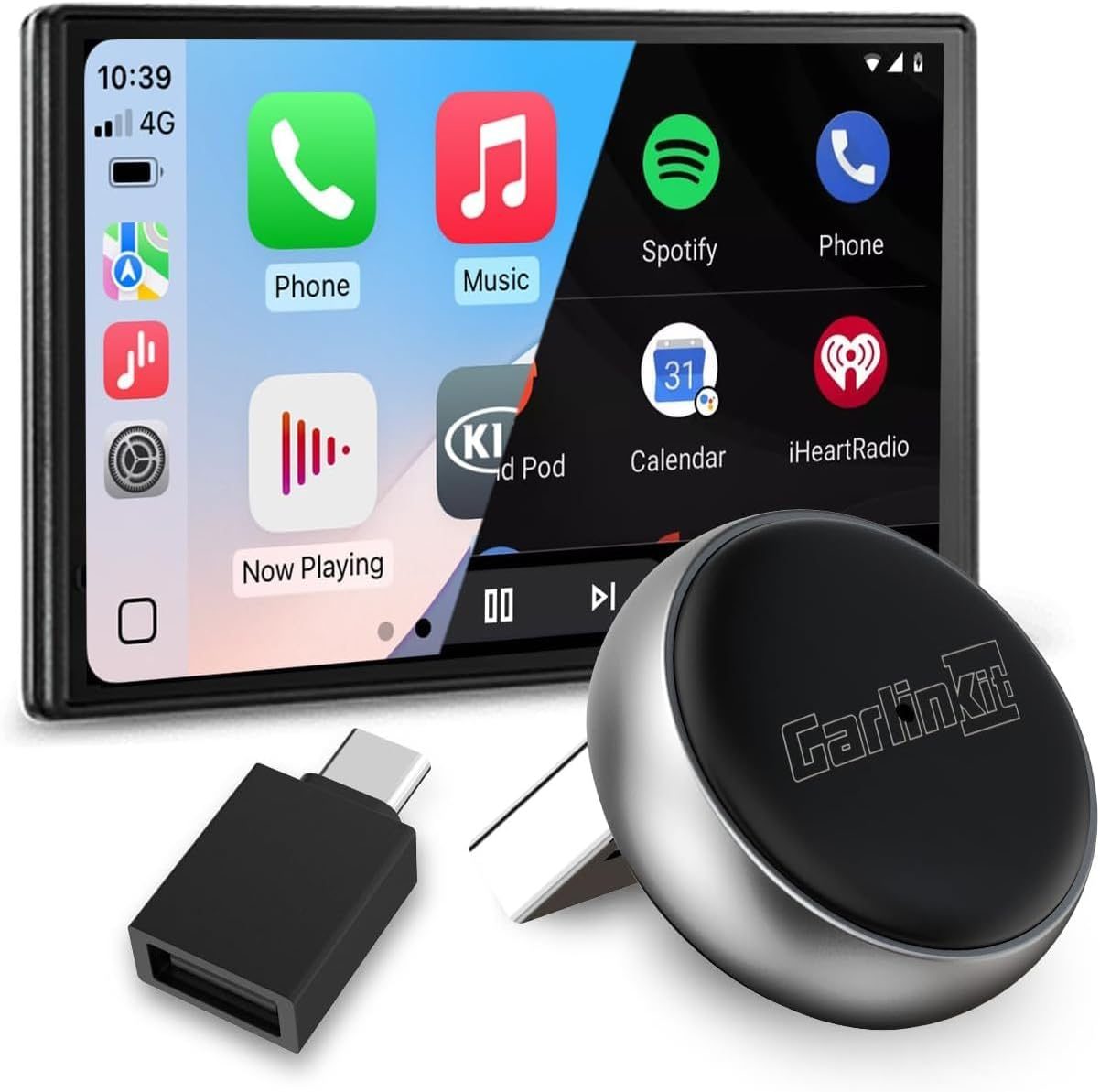
The Carlinkit Mini Ultra 3 ($43.99) represents the bleeding edge of this category. Measuring just a few inches across, the compact adapter plugs directly into the vehicle’s existing USB-A or USB-C CarPlay port. Upon starting the engine, it establishes a rapid Bluetooth and Wi-Fi handshake with the iPhone, initiating wireless CarPlay within seconds. Crucially, the adapter preserves all native vehicle controls, including touchscreen responsiveness, steering wheel audio adjustments, factory microphone integration, and the vehicle’s primary sound system. Furthermore, it supports wireless Android Auto for Android 11 and newer devices, making it an ideal inclusion for shared family vehicles.
2. Retrofitting Legacy Interiors: Portable vs. Permanent Displays
Drivers of older vehicles—those lacking any form of digital touchscreen—face a distinct challenge. Upgrading the dashboard historically required gutting the center console and installing specialized dash kits. Today, two distinct paths offer viable solutions.
Portable Displays (The Plug-and-Play Route)
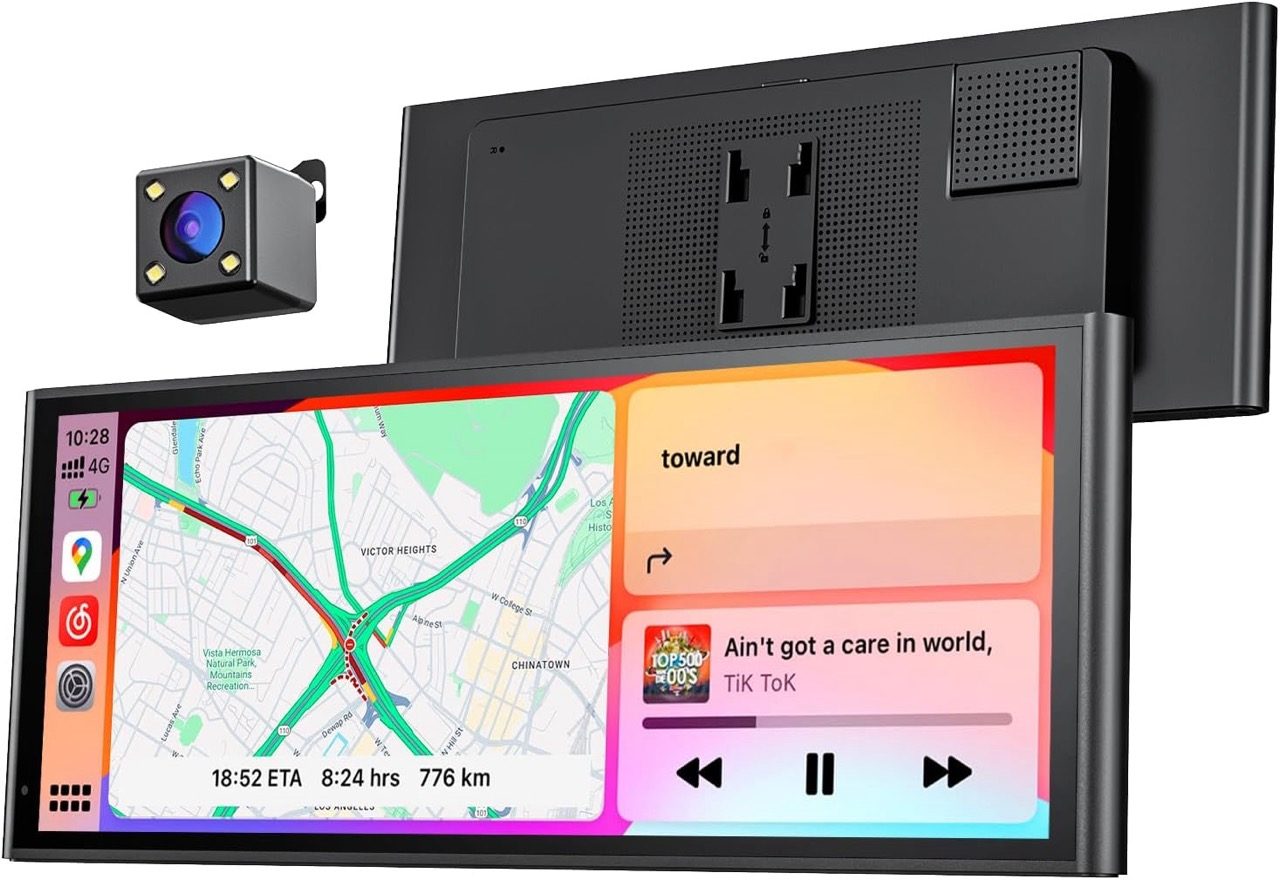
Units like the Krunia 9.26-inch portable CarPlay screen ($89.99) allow users to add a modern, high-resolution tablet-style display to their dashboard without altering factory wiring. Mounted securely to the dash or windshield and powered via a standard 12V auxiliary outlet, the unit communicates with the car’s existing audio system via Bluetooth, an AUX cable, or an FM transmitter. It supports wireless CarPlay, Android Auto, and Siri voice commands, and even includes a backup camera package for enhanced safety.
Permanent Head Units (The Integrated Route)
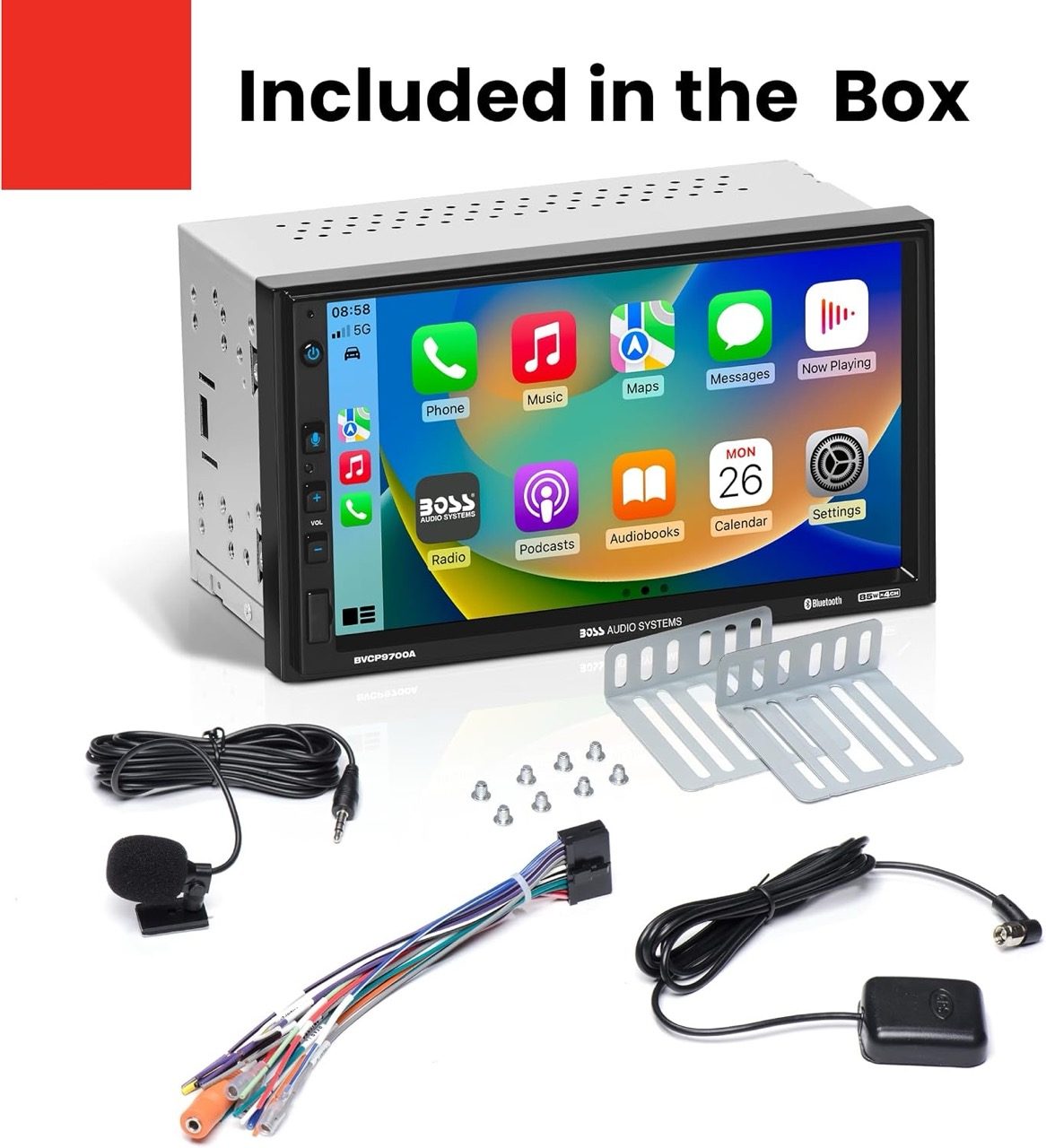
For motorists who prefer a factory-clean aesthetic, replacing the legacy stereo with a dedicated double-DIN receiver remains the gold standard. The BOSS Audio BVCP9700A ($164.99) offers a 7-inch capacitive touchscreen with embedded Apple CarPlay, Android Auto, Bluetooth, and reverse-camera inputs. While this option provides an OEM-grade finish, buyers must account for secondary installation costs, such as vehicle-specific dash kits, wiring harnesses, and steering wheel control retention modules.
Thermal Management and Power Delivery
Combatting Thermal Throttling: The ESR CryoBoost
One of the most overlooked hazards of modern driving is smartphone thermal management. When an iPhone is mounted on a dashboard, running GPS navigation via Apple Maps or Google Maps, streaming music over cellular data, maintaining a wireless CarPlay connection, and absorbing direct sunlight through the windshield, internal temperatures skyrocket.
When internal temperatures cross critical thresholds, iOS initiates thermal throttling: screen brightness dims automatically, charging pauses to protect battery chemistry, and processing speeds slow down, resulting in frustrating stutter and lag.
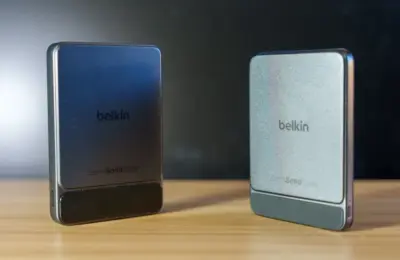
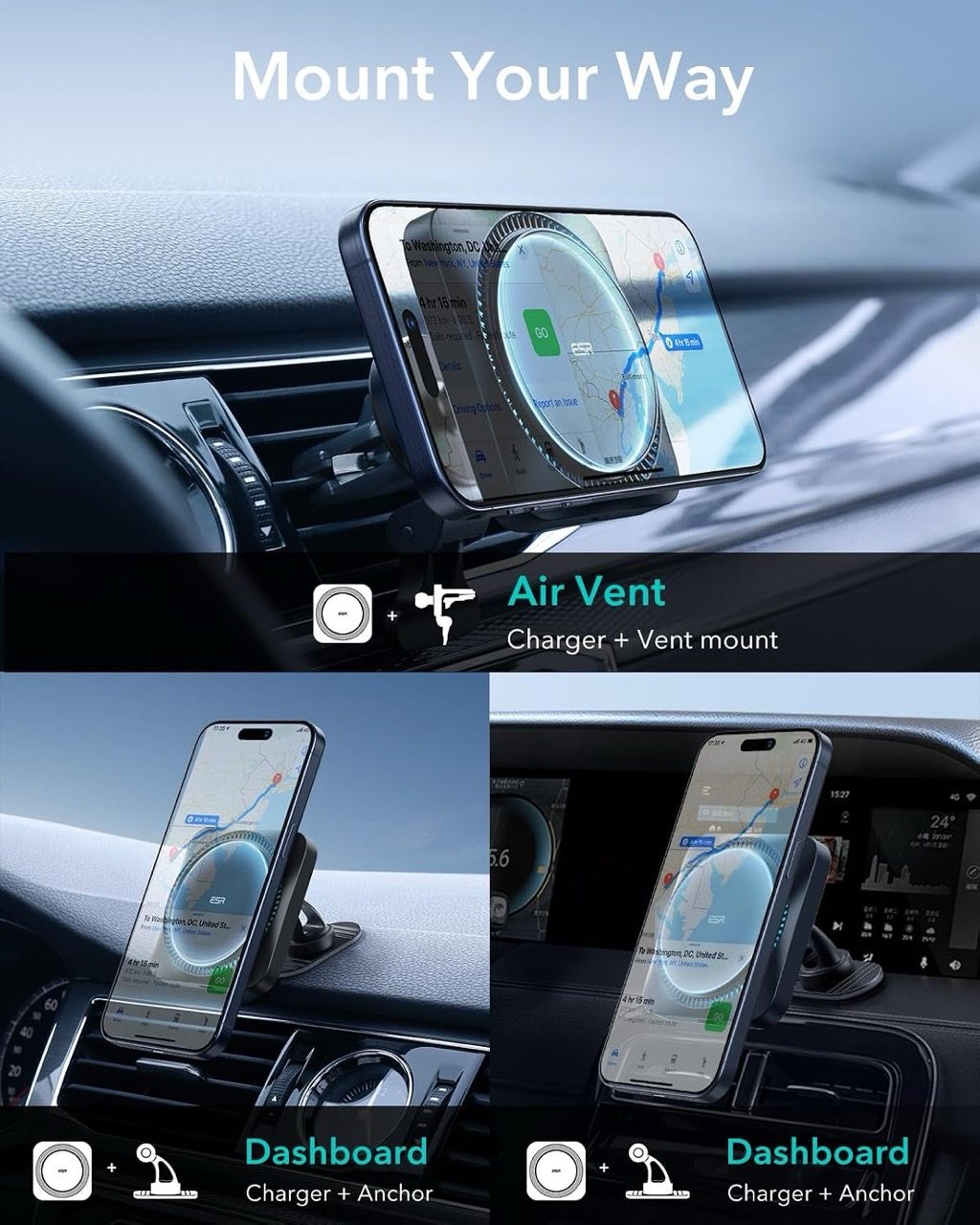
The ESR CryoBoost MagSafe car charger ($29.99) directly combats this physics problem. Integrating a magnetic alignment ring with an active cooling fan, the mount pulls heat away from the back of the iPhone while simultaneously delivering fast wireless power. For drivers relying on wireless CarPlay on extended road trips, active cooling is no longer a luxury—it is a necessity for maintaining peak device performance.
Upgrading Power Delivery and Cabling
Factory USB ports embedded in older dashboards are notoriously weak, often outputting a mere 500mA to 1A of current. To achieve true fast charging while running power-intensive applications, dedicated auxiliary power is required.

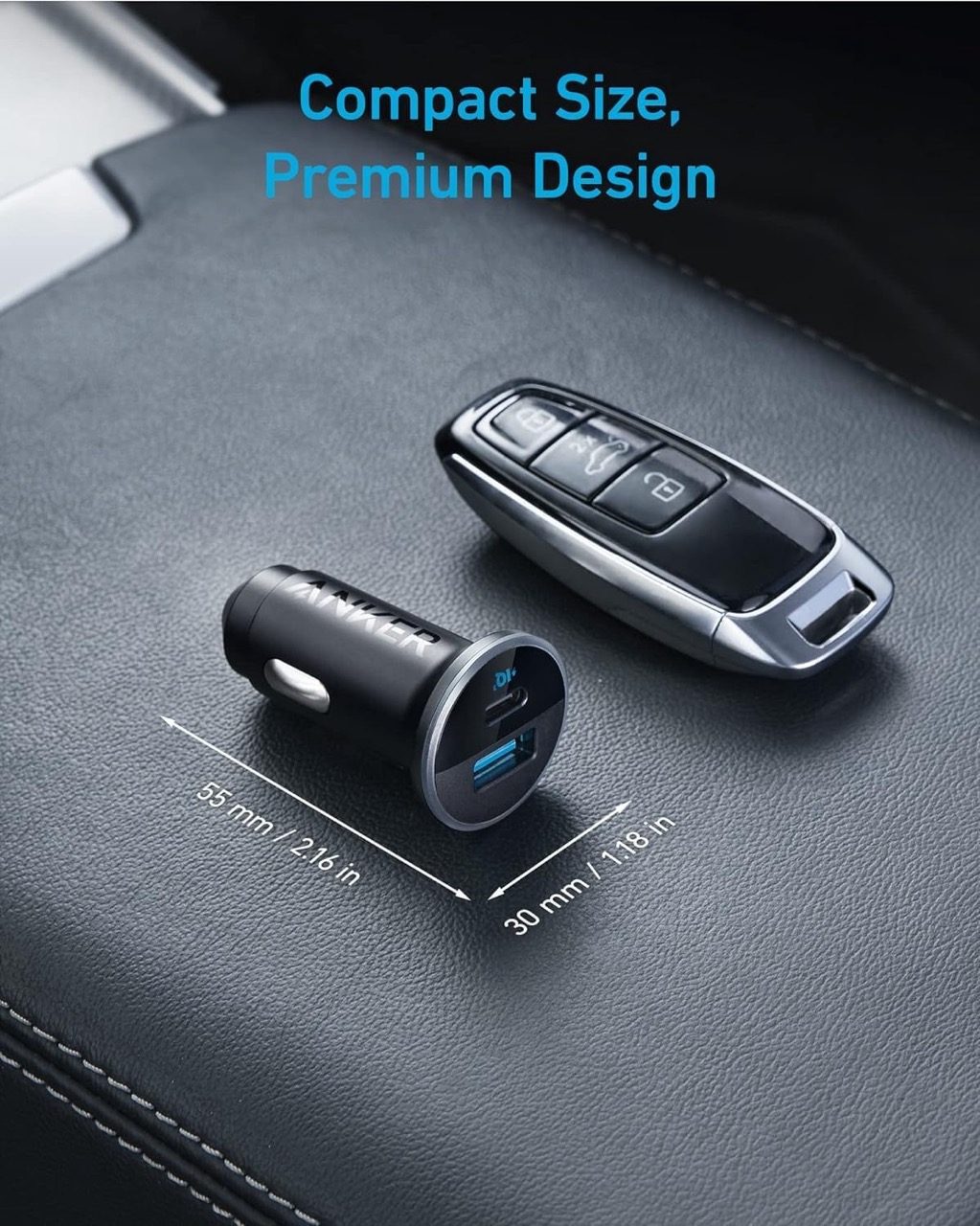
- Anker 323 Car Charger ($14.99): This dual-port USB-C and USB-A adapter plugs into any 12V cigarette lighter socket, delivering high-speed power to passenger devices without disrupting the primary data connection.
- Anker Nano USB-C Cable ($11.99) & PowerLine Flow ($17.99): For drivers who prefer a wired connection, swapping out frayed or uncertified gas-station cables for high-grade silicone-coated or braided cables eliminates intermittent dropouts and data corruption.
- Adhesive Cable Management Clips ($6.99): Simple routing clips keep charging cords pinned neatly along dashboard seams, preventing dangling wires from interfering with the gear shifter, foot pedals, or cup holders.
Future Outlook: The Next Generation of Automotive Integration
As we look toward the horizon of automotive technology, the interface between personal devices and vehicles is undergoing a rapid evolution. Apple’s next-generation CarPlay—designed to take over multiple digital instrument clusters, climate controls, and multi-display cabin layouts—is slowly rolling out in premium partner vehicles from brands like Porsche and Aston Martin.
However, the mass market will remain reliant on aftermarket accessories for the foreseeable future. Because the average vehicle age continues to hover near 13 years, the demand for bridge technologies—such as wireless adapters, portable displays, and active cooling mounts—will only accelerate. Manufacturers are expected to introduce even faster Wi-Fi 6E/7 dongles, higher-resolution QLED portable screens, and advanced solid-state cooling systems that make retrofitting an older car indistinguishable from purchasing a brand-new model off the showroom floor.
Ultimately, maximizing the utility of Apple CarPlay does not require breaking the bank. By strategically selecting a few targeted accessories—ranging from a $12 data cable to a $90 portable display—any vehicle can be transformed into a connected, safe, and thoroughly modern environment for the road ahead.