Executive Overview
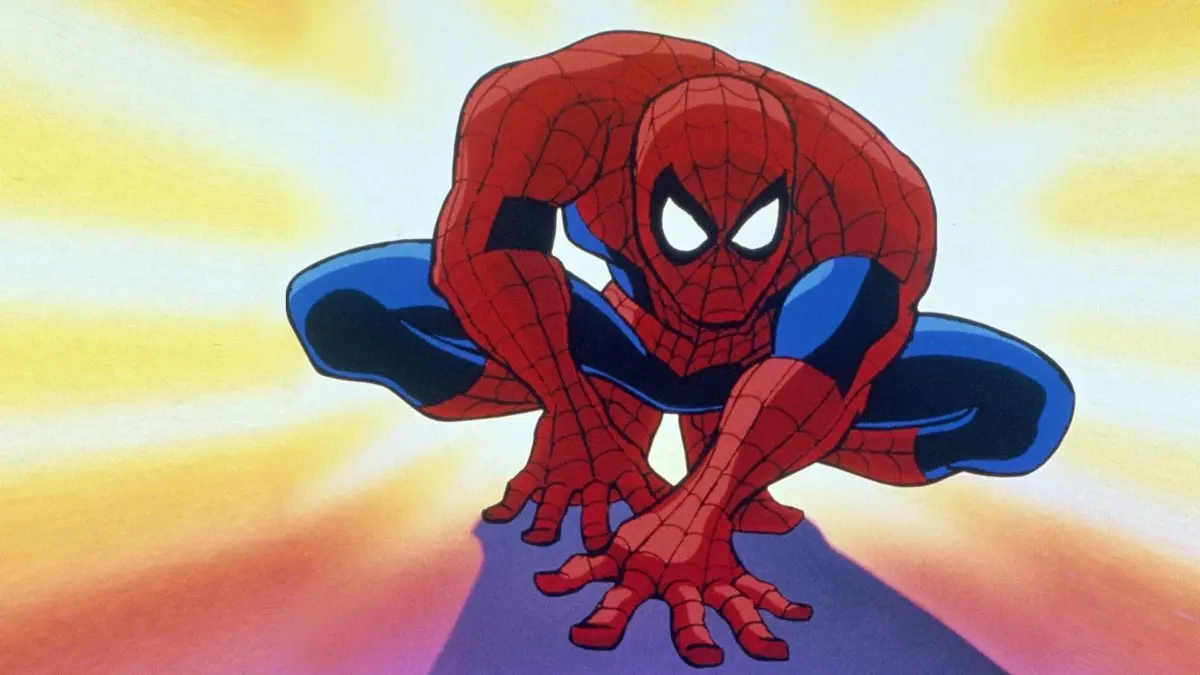
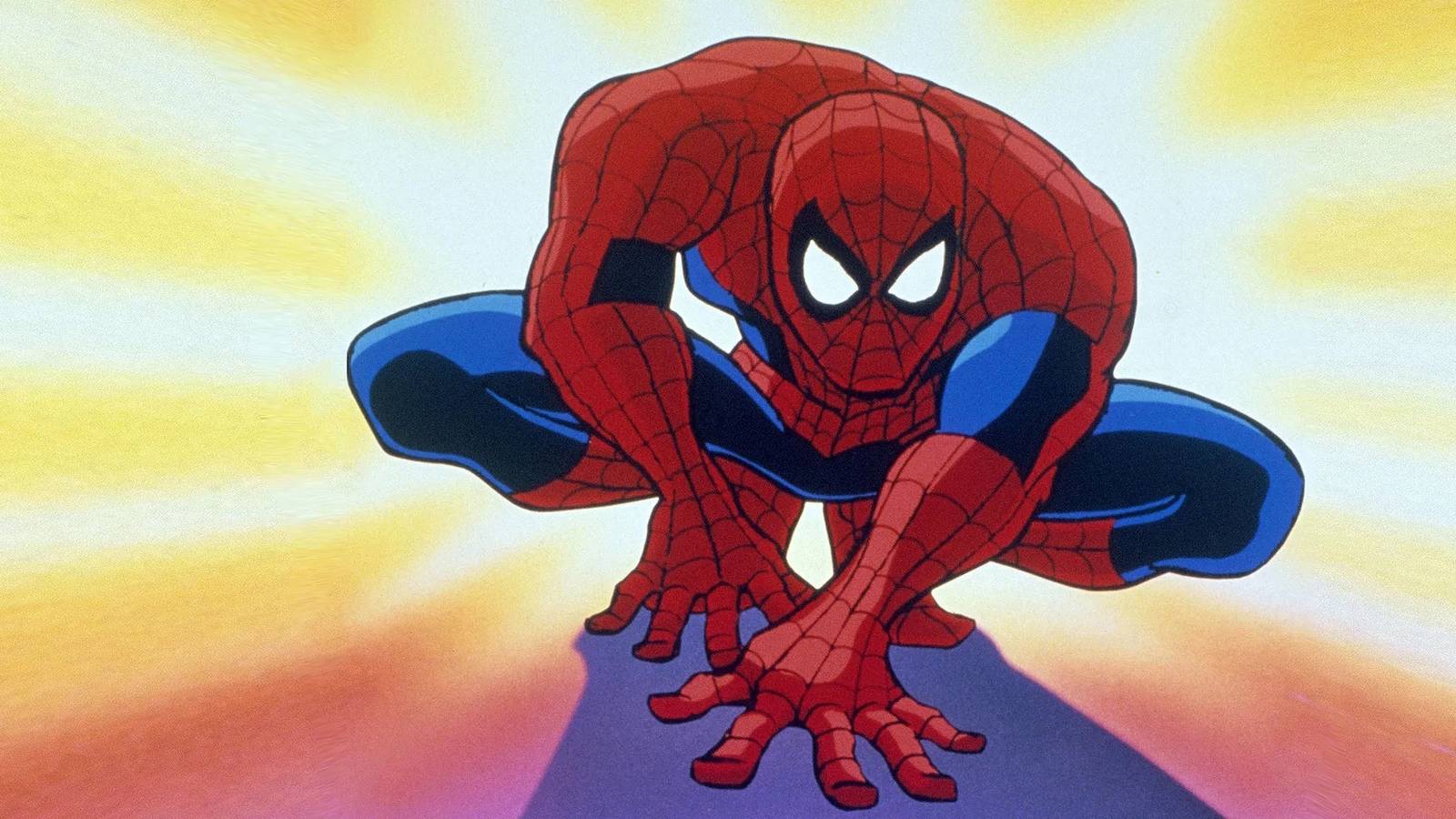
For nearly thirty years, a generation of animation fans has carried an invisible scar. On January 31, 1998, the final episode of Spider-Man: The Animated Series aired, leaving millions of viewers on a heartbreaking and unresolved cliffhanger. Peter Parker, having traversed the multiversal trials of clone Sagas and reality-hopping perils, was last seen preparing for a poignant reunion with Mary Jane Watson—only for the series to abruptly vanish into the cancellation ether before the payoff could ever materialize.
Now, the agonizing wait is finally coming to an end. John Semper, the visionary writer, producer, and guiding force behind the iconic 1994 series, is officially returning to the fold. Marvel Comics has announced Spider-Man ’94 Annual #1, a special issue written by Semper with interior art by Alessio Cammardella, slated for release on December 9. Designed to bridge the narrative gap between the animated show’s fifth-season finale and the subsequent Spider-Man ’94 comic book continuation, this milestone publication aims to deliver what fans have craved since the twilight of the Clinton administration: pure, unadulterated narrative closure.
While the announcement has ignited waves of nostalgia across global fandoms, it also raises complex questions regarding the corporate strategy of Marvel and Disney. Amidst the unprecedented triumph of Disney+’s X-Men ’97, the decision to resolve a legendary cartoon’s cliffhanger via the printed page rather than an on-screen revival highlights a shifting landscape for retro animation. This in-depth report explores the legacy of the 1990s masterpiece, the psychological toll of its abrupt ending, the creative journey behind the upcoming comic book event, and what this means for the broader cinematic and animated multiverse of Marvel.
Detailed Chronology: The Rise, Fall, and 28-Year Limbo of a Masterpiece
To understand the profound impact of the upcoming Spider-Man ’94 Annual, one must look back at the tumultuous production history of Spider-Man: The Animated Series. Debuting on Fox Kids in November 1994, the show was crafted under immense pressure. Spearheaded by John Semper Jr. as head writer and producer, the series faced severe network censorship and stringent production limitations. Despite being forbidden from showing direct physical violence (pigeons were often substituted for gun-wielding thugs, and Spider-Man rarely threw punches, relying instead on his agility and environmental traps), the show achieved legendary status through its sophisticated serialization, emotional depth, and faithful adaptations of iconic comic storylines like "The Alien Costume," "The Venom Saga," and "The Clone Saga."
By the time Season 5 rolled around, the creative team was firing on all cylinders. The sprawling finale arc, "Spider Wars," featured a multiversal gathering of Spider-Men battling the ultimate threat of the Spider-Carnage. In the emotional denouement, Peter Parker encounters Madame Web, who promises to finally take him to his beloved Mary Jane Watson—who had been lost to the dimensional void earlier in the series. The screen faded to black on a hopeful note, setting up a definitive sixth season that was intended to resolve the couple’s separation permanently.
However, behind the scenes, structural chaos intervened. Creative differences between Semper and Marvel’s corporate management, combined with the financial turmoil of Marvel Entertainment in the late 1990s and the eventual restructuring of the network television landscape, led to the sudden cancellation of the show. Season 6 never saw the light of day.
For 28 years, fans were left stranded in narrative purgatory. While the comic book medium occasionally nodded to the universe—such as the recent five-issue Spider-Man ’94 comic series released last year—those titles deliberately skirted around the immediate, emotional reunion of Peter and Mary Jane. They explored ongoing adventures without delivering the specific catharsis that viewers had been yearning for since childhood. Now, the architect of the original series is stepping back up to the drafting board to stitch the fractured timeline back together.
Supporting Context & Metrics: The Cultural Footprint of ’94 Spider-Man
The enduring legacy of Spider-Man: The Animated Series is reflected not merely in fond memories, but in tangible cultural metrics and its foundational role in modern superhero media.
- The Generation-Defining Impact: Alongside Batman: The Animated Series (1992) and X-Men: The Animated Series (1992), the 1994 Spider-Man cartoon established the gold standard for Saturday morning animation. It served as the primary introduction to the Marvel Universe for millions of children worldwide during the pre-MCU era.
- Streaming and Physical Media Resurgence: Decades after its cancellation, the series remains one of the most heavily streamed legacy animation titles on Disney+. Its distinctive opening theme—featuring soaring electric guitar riffs composed by Shuki Levy and Kussa Mahchi—remains a universally recognized anthem of 90s pop culture.
- The Multiverse Pioneer: Long before films like Spider-Man: Into the Spider-Verse and Spider-Man: No Way Home normalized cinematic multiverses, Semper’s "Spider Wars" finale brought together an army of alternate-universe Spider-Men, cementing the concept in mainstream pop culture consciousness.
- The Unproduced Season 6 Lore: Over the years, John Semper has generously shared fragments of what would have been. Among his discarded concepts were surreal storylines involving Ghost Rider and a time-travel narrative to 19th-century London where Jack the Ripper would be unmasked as none other than Carnage. While these wild pitches will not form the core of the upcoming annual, their existence highlights the boundless ambition that was cut short by corporate upheaval.
Official Statements: John Semper on the Anatomy of Fan "Trauma"
The journey toward Spider-Man ’94 Annual #1 has been filled with personal reflection for its creator. In a revealing interview with CBR, John Semper opened up about the psychological burden of leaving millions of fans hanging for nearly three decades.
Reflecting on the final episode, Semper admitted a stark realization about the unintentional weight of his work:
"I didn’t realize what kind of trauma it was going to cause for millions of children across the world that I didn’t give them closure."
For Semper, returning to the universe via Marvel Comics is not just a nostalgic victory lap; it is an act of creative restitution.

"This is me giving them that closure."
While fans have spent decades speculating about unproduced episodes and hypothetical storylines, Semper emphasized that the upcoming annual focuses squarely on what matters most to the heart of the series: the emotional reconciliation of Peter Parker and Mary Jane Watson. Placed precisely between the emotional cliffhanger of the Season 5 finale and the events of last year’s Spider-Man ’94 comic run, the annual functions as the missing puzzle piece that honors the characters’ growth and rewards the patience of a dedicated fanbase.
Future Outlook: Will We Ever See an Animated Revival?
With the announcement of Spider-Man ’94 Annual #1, a bittersweet realization settles over the fandom. While the narrative cliffhanger is finally being resolved, the method of its delivery—a comic book rather than an animated television revival—signals Disney’s current strategy regarding legacy properties.
In recent years, Marvel Studios and Disney+ achieved unprecedented critical and commercial acclaim with X-Men ’97, a direct continuation of the 1992 mutant masterpiece. That series, which recently wrapped its second season with additional seasons already greenlit, proved that audiences possess an insatiable appetite for authentic, high-quality continuations of 90s animation. Naturally, this led many to wonder why Spider-Man: The Animated Series could not receive the same on-screen treatment.
Industry analysts point to several factors explaining why a television revival remains unlikely:
- Corporate and Licensing Hurdles: The rights landscape for Spider-Man remains uniquely partitioned between Sony Pictures and The Walt Disney Company, making television revivals considerably more complex to negotiate than comic book specials published directly through Marvel Comics.
- Current Animation Slate: Disney is actively investing in new animated iterations of the wall-crawler, most notably Your Friendly Neighborhood Spider-Man, whose second season is slated to premiere early next year. Introducing a direct, competing continuation of the 1994 continuity on television could fragment the brand’s target demographic.
- Definitive Closure via Print: By tasking John Semper with crafting the definitive resolution in Spider-Man ’94 Annual #1, Marvel is effectively providing a closed-loop narrative. For many purists, having the original writer pen the final chapter—even in ink and paper—offers an artistic authenticity that a corporate-driven modern reboot might struggle to replicate.
As December 9 approaches, anticipation reaches a fever pitch. For the kids of 1998 who grew up to become adults in 2026, the release of Spider-Man ’94 Annual #1 represents more than just a nostalgic comic book; it is the healing of a generational cliffhanger, proving that some heroic journeys, no matter how long delayed, always find their way home.