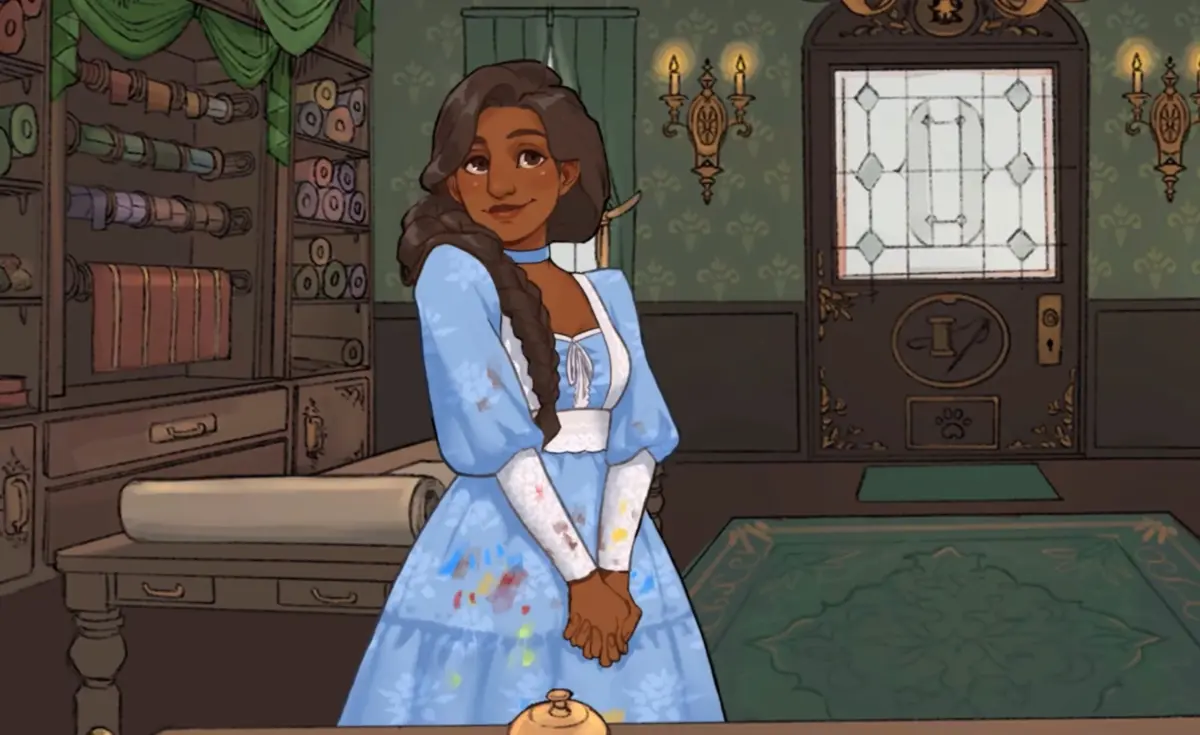
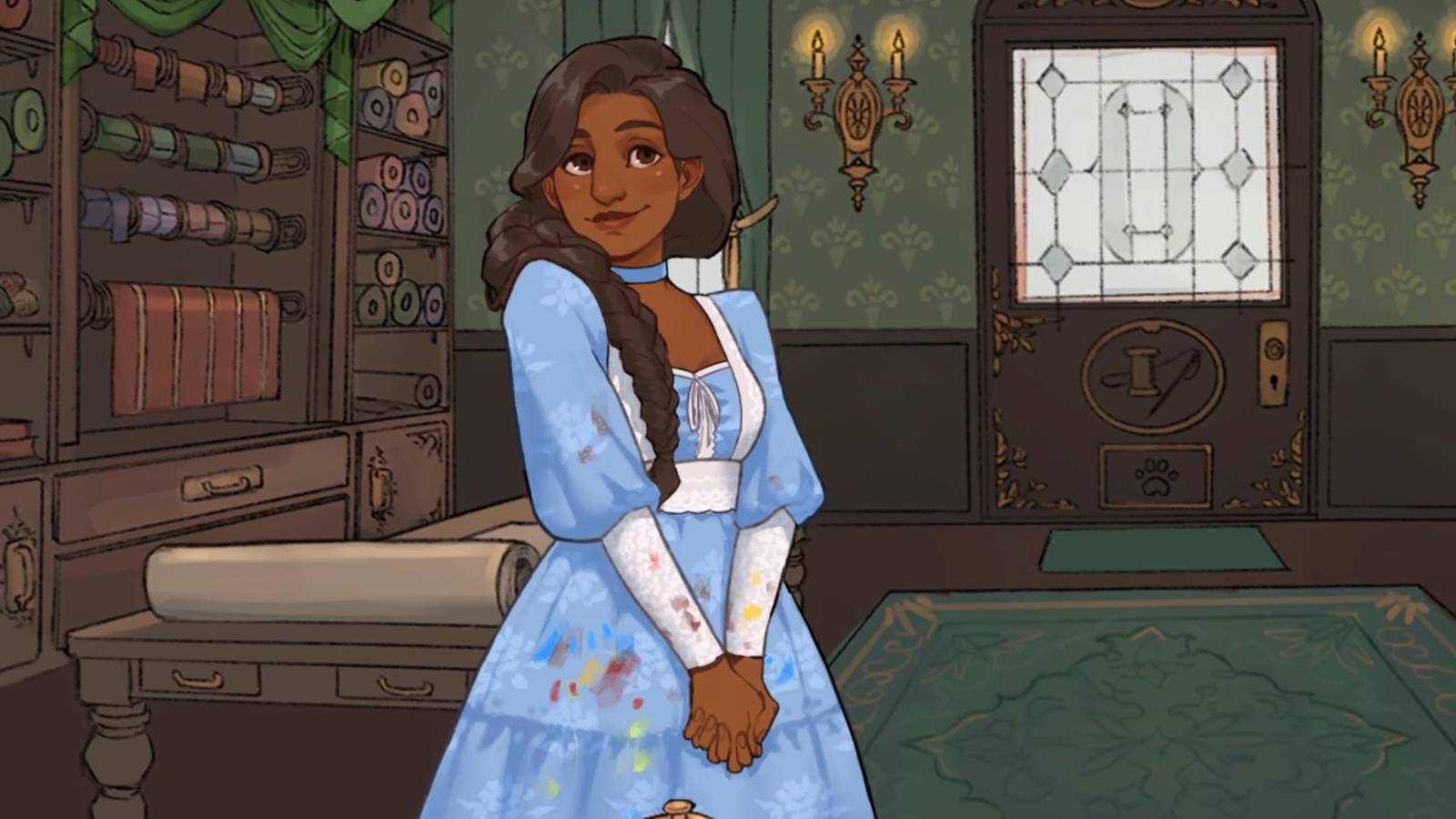
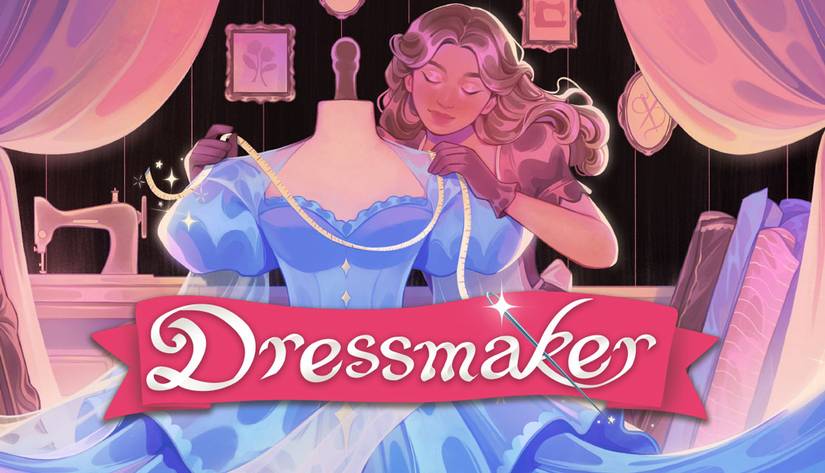
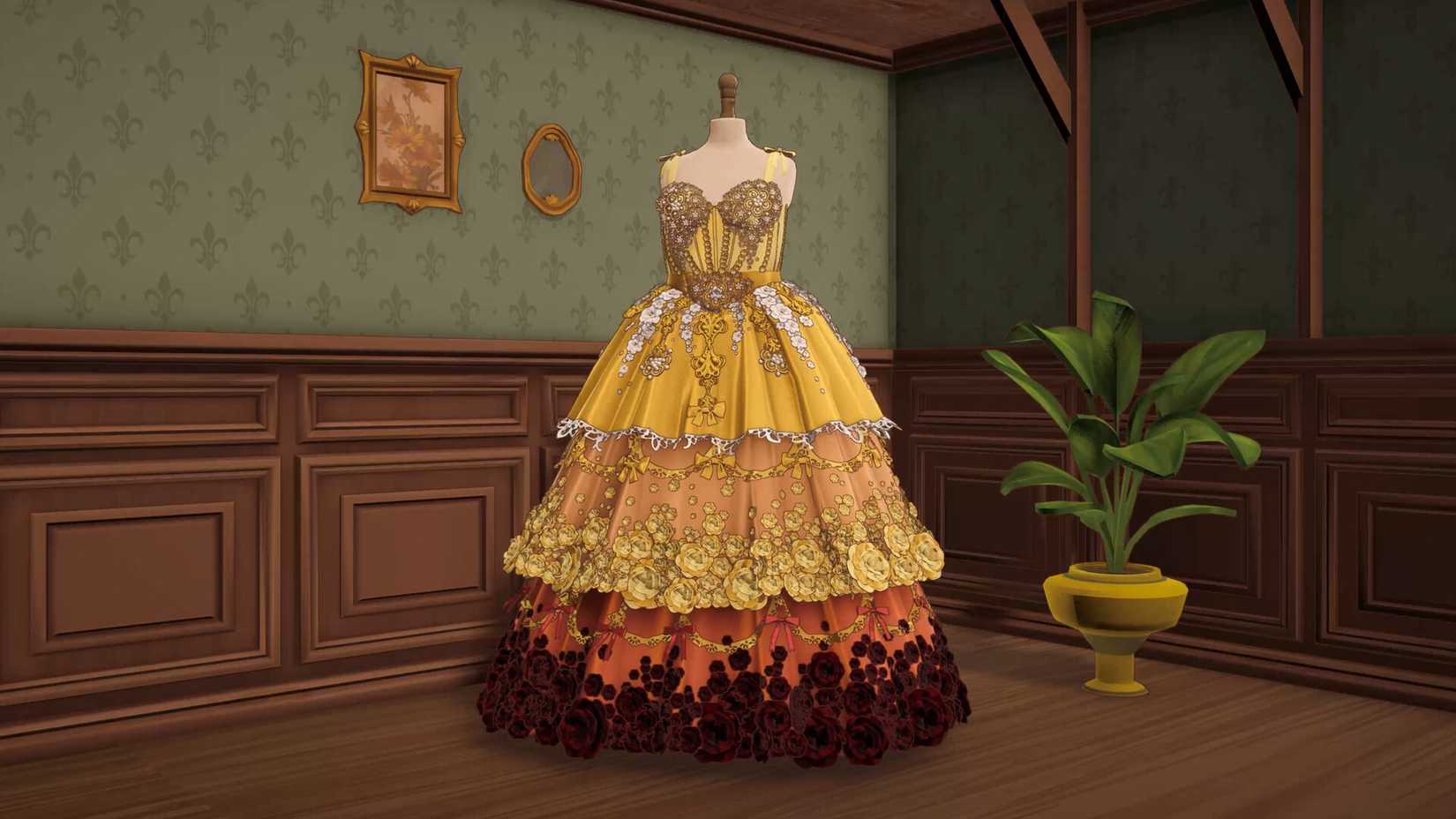
In the saturated modern landscape of "cozy games"—digital comfort zones designed to offer low-stress mechanics, soft ASMR audio cues, and bite-sized dopamine loops akin to Powerwash Simulator or Unpacking—a new contender has emerged to quietly upend the genre’s foundational premise. Developed by Cozy Lives, a sub-studio operating under Free Lives (the notoriously chaotic development house behind explosive titles like Broforce and GORN), Dressmaker initially presents itself as a gentle, pastoral sewing simulator. Players pick out fabrics, carefully map patterns, attach hand-stitched buttons, and deliver bespoke garments to a quirky cast of small-town villagers.
However, beneath its pastel color palette and relaxing needle-and-thread soundscapes lies a deliciously dark undercurrent. Dressmaker invites players to channel their inner retail-worker resentment, offering an intricate, mechanically rewarding system of intentional couture sabotage. By deliberately misinterpreting customer briefs, selecting inferior materials, or twisting fabric patterns against the grain, players can unlock five unique, highly entertaining "bad endings." Rather than simply playing a straight business sim, savvy gamers are discovering that Dressmaker’s true genius isn’t found in pleasing the townsfolk—it’s found in watching high-society pretension unravel one disastrous hemline at a time.
Detailed Chronology: From Wholesome Pitch to Steam Phenomenon
The Wholesome Direct Reveal and Studio Irony
The journey of Dressmaker began when its existence was teased during the industry-standard Wholesome Direct showcase, immediately capturing the attention of cozy game enthusiasts worldwide. Yet, the game’s pedigree immediately signaled that things might not be entirely as they seemed. Developed by Cozy Lives within Free Lives, the team leaned hard into the comedic whiplash of their corporate lineage.
On launch day, developers openly joked on social media that they had been effectively "banned" from Free Lives’ primary communication channels for shipping a product "so devoid of violence, so flagrantly feminine, and so painfully sincere." Of course, as early adopters quickly discovered, this tongue-in-cheek disclaimer was a misdirection. While Dressmaker lacks chainsaws and gunfire, it introduces an entirely different kind of violence: crimes against fashion.
The Honeymoon Phase: Learning the Ropes
When players first boot up Dressmaker, the game plays it completely straight. You inherit a humble sewing machine, a cutting table, and a queue of local townsfolk demanding specific commissions—ranging from color swatches and fabric preferences to precise trim styles.
During the opening hours, the game functions as a standard management title. Players carefully measure silk, match colorways, and meticulously hand-sew buttons to build up their local reputation. The mechanics are deeply tactile, leaning into the satisfying feedback loops that make the cozy genre so addictive. But it is precisely this strict adherence to customer service norms that plants the seed for rebellion. As players encounter demanding, pompous, or outright rude NPCs, a lingering, mischievous question inevitably arises: Do I really have to give this person what they asked for?
Discovering the Art of Malicious Compliance
As players experiment with the boundaries of the crafting engine, they realize that Dressmaker accounts for subversion. Sabotage in the game is an escalation process. It begins innocently enough—substituting an expensive fabric with a cheaper alternative to pad profit margins, or slightly misaligning a pattern piece against the grain.
Soon enough, however, players transition from mild corner-cutting to full-scale tactical sabotage. The community has rapidly documented a glorious catalog of retaliatory tailoring:
The Crinkling Librarian: Swapping a prim librarian’s requested soft cotton lining with stiff, noisy packing paper, resulting in her immediate social exile from the town’s dead-silent reading room.
The Mourning Veil Meltdown: Replacing a grieving client’s solemn black mourning veil with vibrant rainbow pom-poms and hidden squeaker pouches.
The Organza Disaster: Crafting a local farmer’s ostensibly "sturdy" work smock out of delicate, feather-weight silk organza, designed to violently shred the moment he attempts to flex his prize-winning squash at the annual harvest festival.
Supporting Context & Metrics: Pushing the Boundaries of Cozy Mechanics
The Boundaries of Sabotage: What the Engine Allows
While player freedom is a core pillar of Dressmaker, the developers at Cozy Lives implemented intelligent boundaries to keep the sabotage grounded and humorous rather than outright game-breaking.
Early community testing on platforms like Reddit and dedicated game guides revealed that lazy subversion—such as simply handing a client a bright red dress when they explicitly requested a stealthy camouflage ensemble—won’t clear the game’s automated checks. The system rejects lazy errors, forcing the garment back to your workbench. True sabotage requires architectural planning: the garment must look superficially correct or close enough to pass initial inspection, only to fail catastrophically under real-world stress.
The Five Sabotage Endings
What elevates Dressmaker from a quirky indie experiment to a critical darling on Steam is its narrative depth regarding failure. The game features five distinct bad endings, each unlocked by systematically tanking specific high-profile commissions.
These endings are accompanied by fully animated cutscenes that reward malicious compliance with slapstick cinematic payoffs. Industry analysts have noted that this design choice subverts the traditional risk-reward structure of simulation games. Usually, failure results in a game-over screen or a reload prompt; in Dressmaker, failure is actively incentivized as the most entertaining path forward.
Gameplay Phase
Primary Objective
Psychological Motivation
Result / Payoff
Tutorial Phase
Fulfill exact customer specs
Build reputation, learn crafting loops
Standard progression, steady income
Mid-Game Transition
Experiment with minor flaws
Curiosity, minor rebellion
Subtle NPC complaints, increased profit margins
Late-Game Sabotage
Unlock the 5 bad endings
Pure catharsis, narrative discovery
Hilarious cinematic cutscenes, total social chaos
Official Statements and Developer Insights
In interviews surrounding the rollout of Dressmaker, members of the Cozy Lives team emphasized that the game was conceptualized as a therapeutic outlet for anyone who has ever worked a customer-facing service job.
"Every service worker knows that specific customer who walks through the door practically begging for a reality check," noted a lead developer during a post-launch discussion. "We wanted to build a game that honors that universal workplace fantasy, but dresses it up in lace, buttons, and floral patterns. It’s about taking the safest, most comforting genre in video games and injecting a healthy dose of petty human nature."
The juxtaposition between Free Lives’ history of testosterone-fueled mayhem (Broforce, GORN) and Cozy Lives’ hyper-feminine aesthetic has also been a frequent point of internal studio amusement.
"When people look at our studio history, they expect blood, guts, and explosions," the team shared in a press statement. "With Dressmaker, we wanted to prove that destruction doesn’t require a chainsaw. Sometimes, structural violence is just sewing a polyester lining into a summer gown during a heatwave. The damage is entirely psychological, and the victims totally deserve it."
Future Outlook: The Legacy of Dressmaker in the Cozy Space
As Dressmaker continues to climb Steam charts and dominate discussions across cozy gaming communities, its long-term impact on the genre is already becoming clear. For years, "cozy" has been synonymous with uncritical wholesomeness—a digital pacifier designed to soothe modern anxieties by removing all forms of friction.
Dressmaker proves that the genre is ready to mature. By introducing moral ambiguity, petty revenge mechanics, and branching failure states, Cozy Lives has demonstrated that relaxation and malicious mischief can comfortably share the same sewing basket.
Looking forward, the community is eagerly anticipating future content updates from Cozy Lives, with players actively petitioning for expanded tailoring options, new townsfolk archetypes to torment, and additional unlockable disaster cutscenes. One thing is certain: the next time a game hands players a needle, thread, and a smiling customer, they won’t just be looking to make a sale—they’ll be looking for the nearest seam to pull apart.