The smartphone industry operates on relentless cycles of anticipation, speculation, and technological brinkmanship. Even as consumers unbox the latest iterations of mobile hardware—such as the freshly debuted iPhone 18 Pro—the tech ecosystem’s collective gaze is already fixed on the horizon. Apple’s product development pipeline, known for its secretive, multi-year gestation periods, is once again the subject of intense scrutiny as leaks emerge regarding the upcoming 20th-anniversary iPhone Pro models.
For years, analysts and supply chain insiders have whispered about a watershed moment for Apple’s flagship lineup. The milestone device, slated to arrive next year, was initially forecasted by various Wall Street firms to face sweeping cancellations or structural delays due to manufacturing complexities. However, fresh reports originating from industry trade publications like ETNews paint a more nuanced, dynamic picture.
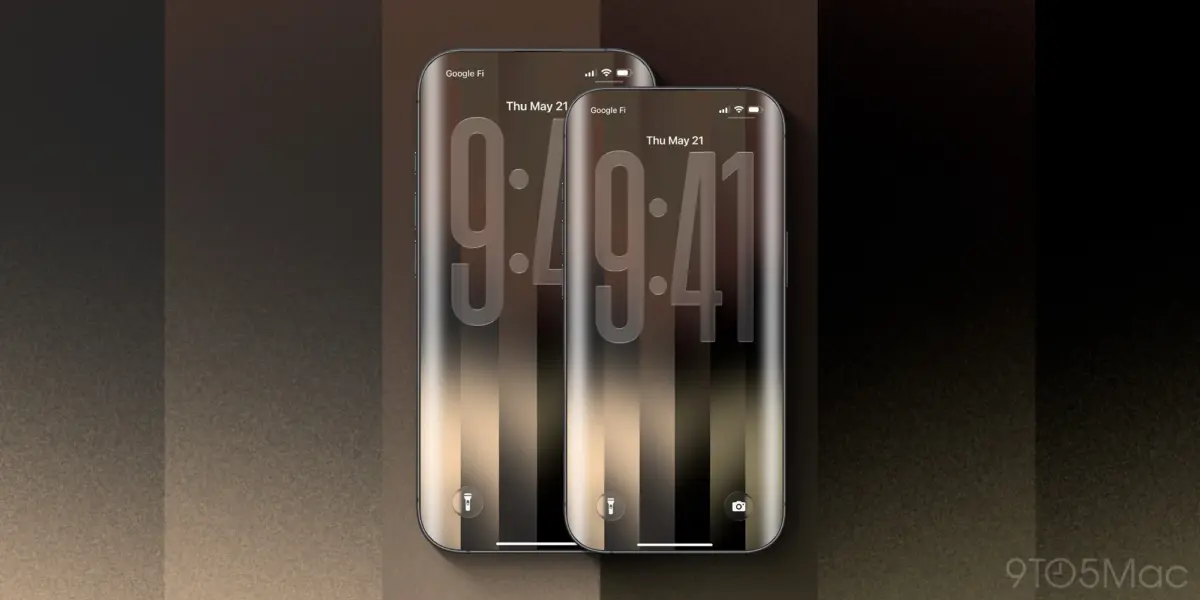
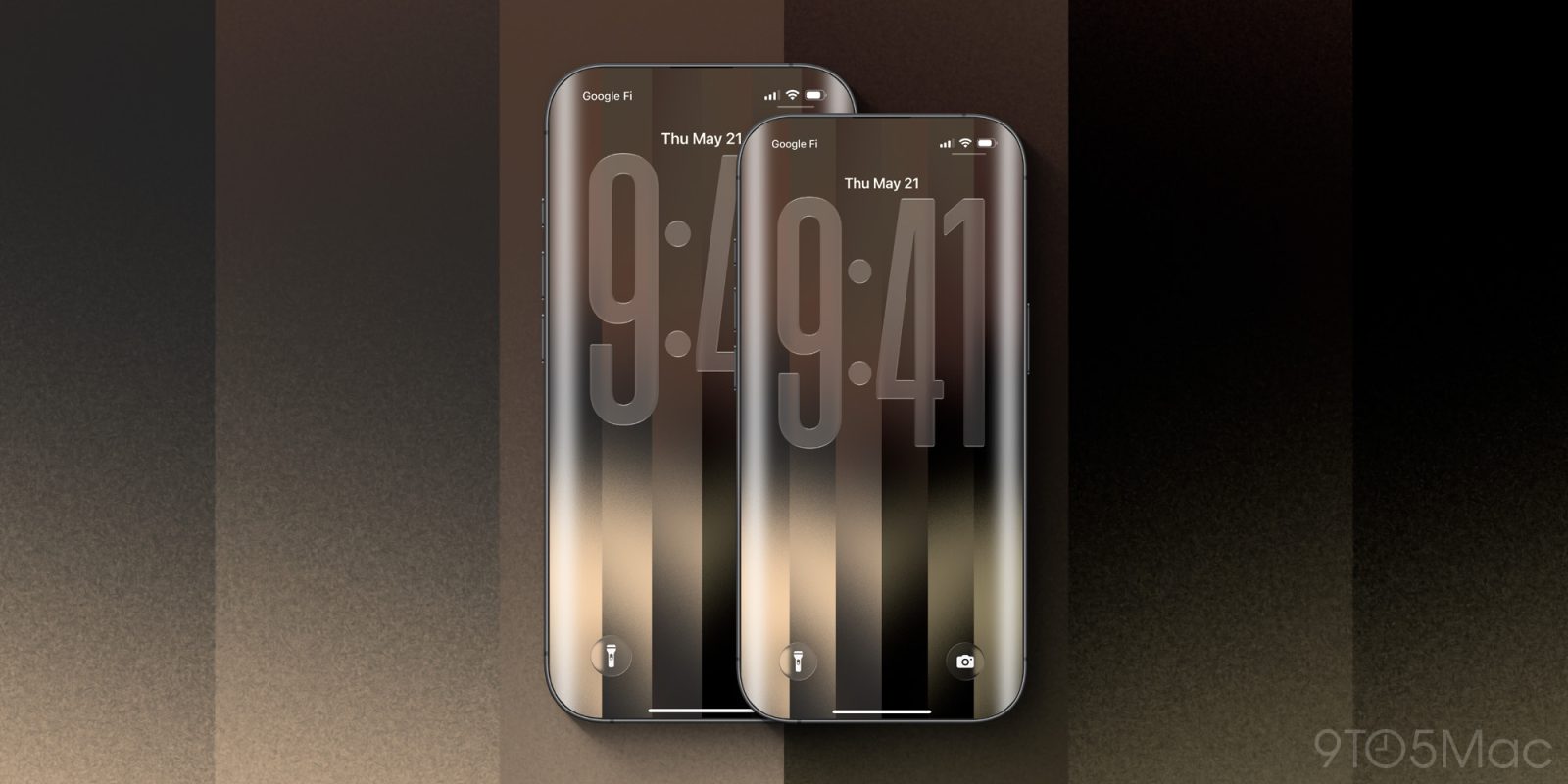
According to these latest leaks, Apple’s radical "near-borderless" design—anchored by an innovative four-sided bending display—remains firmly on track for production. This design philosophy promises to sweep away traditional structural boundaries, curving the glass seamlessly around all four edges of the device to realize a truly all-screen aesthetic. Yet, this ambitious architectural leap is not happening in a vacuum. Supply chain realities, surging memory component costs, and the rigorous performance thresholds set by Apple’s engineering teams have forced the company to hit the brakes on certain advanced display technologies that were once rumored for inclusion.
This comprehensive report examines the current state of Apple’s upcoming 20th-anniversary iPhone Pro models, evaluating the architectural triumphs of the four-sided curved display, the strategic omission of specific panel upgrades like COE and LTPO+, and the broader economic pressures shaping the future of mobile hardware design.
Detailed Chronology: From Rumor to Reality
To understand the weight of the upcoming 20th-anniversary iPhone lineup, one must trace the winding trajectory of leaks and supply chain signals that have defined the past several years of Apple speculation.
The Genesis of the Bezel-Free Vision
The conversation surrounding an all-glass, bezel-free iPhone gained serious traction following the introduction of the iPhone X in 2017—the device that famously marked the smartphone’s tenth anniversary by ditching the physical Home button in favor of an OLED edge-to-edge display (marred only by the iconic TrueDepth notch). Ever since, industry watchers have looked ahead to the twenty-year mark as the next logical milestone for a revolutionary form factor overhaul.
Throughout late 2025 and early 2026, rumors intensified. Supply chain analysts floated concepts involving "glass slabs" and complete eradication of port structures, alongside continuous refinements in OLED manufacturing techniques. By May 2026, credible supply chain murmurs suggested that next year’s Pro models would abandon traditional flat display panels in favor of an advanced curvature technique that wraps active screen real estate across all four borders.
The Mid-Year Skepticism
Despite the high-flying projections, the road to a monumental redesign is rarely smooth. In August 2026, prominent financial institutions—most notably Wall Street firm Jefferies—poured cold water on the excitement. Their reports suggested that manufacturing roadblocks, yield rate challenges, and escalating component expenditures might force Apple to scale back or entirely cancel its ambitious all-glass, borderless redesign for the upcoming generation.
This skepticism sent ripples through the tech community, forcing consumers and investors alike to question whether Apple would play it safe with iterative upgrades rather than swinging for the fences.
The Latest ETNews Revelation
The narrative shifted dramatically in late September 2026. A detailed report by Kim Yeong-ho of ETNews injected fresh optimism into the discourse, reassuring the market that Apple’s core design vision remains uncompromised. According to these latest industry disclosures, Apple is "still expected to move forward with a four-sided bending display," directly countering the prior warnings of total design abandonment.
However, the report also introduced a dose of technical realism: while the exterior aesthetic milestone will be achieved, certain internal display technologies slated to accompany the panels have been shelved—at least for this generation.
Supporting Context & Metrics: The Technology Behind the Screen
Achieving a near-borderless form factor across all four edges of a handheld computer is no minor engineering feat. It requires overcoming immense hurdles in packaging, thermal management, touch registration, and glass bending physics.
The Four-Sided Bending Display Architecture
Traditional displays feature flat substrates bonded to rigid circuit boards beneath the chassis, leaving a visible bezel to house structural adhesives, display drivers, and antenna lines. A four-sided bending display, by contrast, relies on advanced flexible OLED (F-OLED) substrates that curve downward at the top, bottom, left, and right margins.
By wrapping the active display area around the perimeter, Apple can effectively eliminate the optical illusion of a border. This creates a continuous surface tension effect where content appears to float directly on top of a solid block of glass. Manufacturing this geometry requires specialized laser-cutting equipment, ultra-precise encapsulation methods, and novel packaging techniques to ensure that the delicate micro-circuits bending along the chassis edges do not crack under daily thermal expansion and mechanical stress.
The Omission of COE and LTPO+
While the striking exterior aesthetic is secured, ETNews revealed that Apple has opted to postpone the adoption of two next-generation display technologies: Color Filter on Encapsulation (COE) and Low-Temperature Polycrystalline Oxide Plus (LTPO+).
Color Filter on Encapsulation (COE): This technique replaces the traditional polarizing film in an OLED panel with a color filter pattern directly integrated onto the thin-film encapsulation layer. By eliminating the polarizing layer—which is used to prevent external light reflection—COE significantly reduces panel thickness, improves light transmittance, and boosts overall panel brightness without demanding extra power.
Low-Temperature Polycrystalline Oxide Plus (LTPO+): Building upon the power-efficient backplane technology that currently enables variable refresh rates (ProMotion) in modern iPhones, LTPO+ aims to refine transistor efficiency even further. It promises superior leakage current control, allowing for ultra-low power states during static display scenarios (such as Always-On Display operations).
Economic and Engineering Drivers Behind the Omissions
Industry sources attribute Apple’s decision to shelve COE and LTPO+ for the upcoming anniversary models to a combination of macroeconomic headwinds and rigorous internal engineering standards:
Surging Memory Component Costs: The global semiconductor market has faced sustained pricing pressures for high-bandwidth memory (HBM) and high-density mobile DRAM. As component acquisition costs rise across the board, hardware manufacturers face tighter margins. Absorbing the extraordinary manufacturing costs of a complex four-sided bending display while simultaneously absorbing the premium yields of unproven COE and LTPO+ panels proved financially impractical.
Superior Performance Thresholds: Apple’s display engineering division is notoriously uncompromising. Rather than rushing nascent technologies into production with marginal efficiency gains, the company often prefers to delay implementation until manufacturing yields stabilize and performance advantages exceed strict internal benchmarks.
Crucially, industry analysts emphasize that the omission of COE and LTPO+ will not severely impact the end-user experience. The average consumer will likely not notice the microscopic reduction in panel thickness that COE provides, nor will they suffer from compromised battery life, as Apple’s existing power management architectures remain industry-leading. The primary focal point for buyers will remain the breathtaking, unbroken pane of glass resting in their hands.
Official Statements and Industry Perspectives
As is customary for corporate entities guarding future product pipelines, Apple has declined to officially comment on or acknowledge the unreleased hardware reports. Cupertino’s public relations apparatus maintains its strict silence on product roadmaps, leaving the burden of discovery to supply chain analysts, patent filings, and industry journalists.
However, supply chain insiders speaking on condition of anonymity have provided valuable context regarding the delicate balance between aesthetic innovation and cost control. One senior component manufacturer noted:
"When you are pushing the absolute boundaries of glass manipulation—bending active display pixels across a multi-axis plane—the yield risks skyrocket. Adding unrefined backplane modifications like COE at the exact same moment introduces too many variables into the assembly line. Apple’s supply chain masters know when to consolidate risk."
Financial analysts tracking Apple’s stock and hardware output have also adjusted their expectations following the ETNews report. While initial panic from firms like Jefferies suggested a potential erosion of Apple’s hardware differentiation strategy, the reaffirmation of the four-sided bending display has restored confidence that the 20th-anniversary device will still command the cultural and commercial spotlight typically reserved for generational shifts.
Future Outlook: The Next Era of iPhone Design
Looking beyond the production hurdles and component cost debates, the upcoming 20th-anniversary iPhone Pro models represent a philosophical turning point for mobile computing. For nearly two decades, the smartphone industry has iterated on the fundamental slate design popularized in the late 2000s: a rectangular display framed by protective borders, housing an earpiece, front-facing camera array, and internal sensors.
With the implementation of a near-borderless, four-sided curved display, Apple is inching closer to the ultimate industrial design goal: a seamless, uniform object that feels less like a traditional electronic device and more like a window into digital data.
As production ramps up over the coming months, consumer attention will inevitably pivot toward software adaptations. A screen that wraps around all four edges demands radical rethinking of user interface paradigms. How will operating systems handle touch inputs near the curved margins? How will accidental palm rejections be managed when the glass itself forms the structural edge of the phone? These are the software-side engineering challenges that Apple’s human interface teams are currently solving behind closed doors.
For prospective upgraders, the message is clear: while the road to the 20th anniversary has been paved with speculative turbulence and selective technical cutbacks, the core promise of a jaw-dropping industrial redesign remains fully intact. Whether users are transitioning from the newly released iPhone 18 Pro or holding onto older hardware, next year’s anniversary milestone is shaping up to be a defining moment in smartphone history—one that will set the design standard for the decade to come.