Meta’s fall product showcase has long served as a bellwether for the consumer technology landscape, but Meta Connect 2026 represents a structural inflection point for the company. Moving decisively past the early growing pains of the standalone headset era, Meta has diversified its product architecture across three distinct vectors: lightweight, tethered virtual reality glasses; audio-exclusive smart frames; and deeply integrated, camera-equipped AI eyewear.
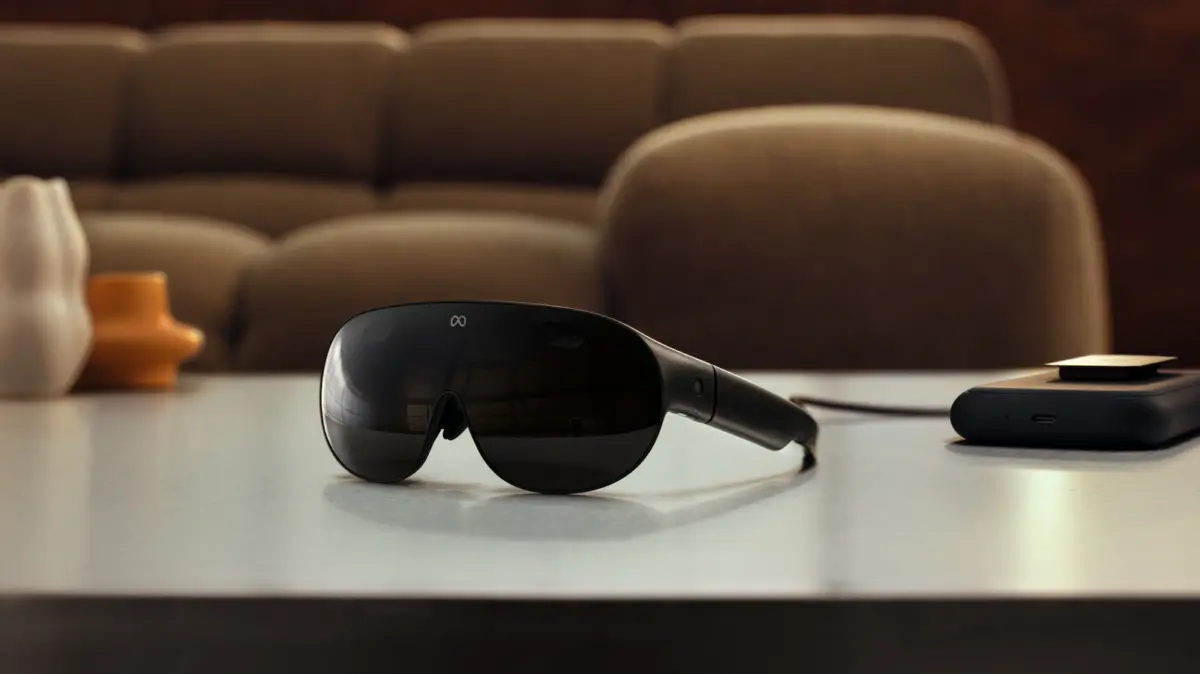
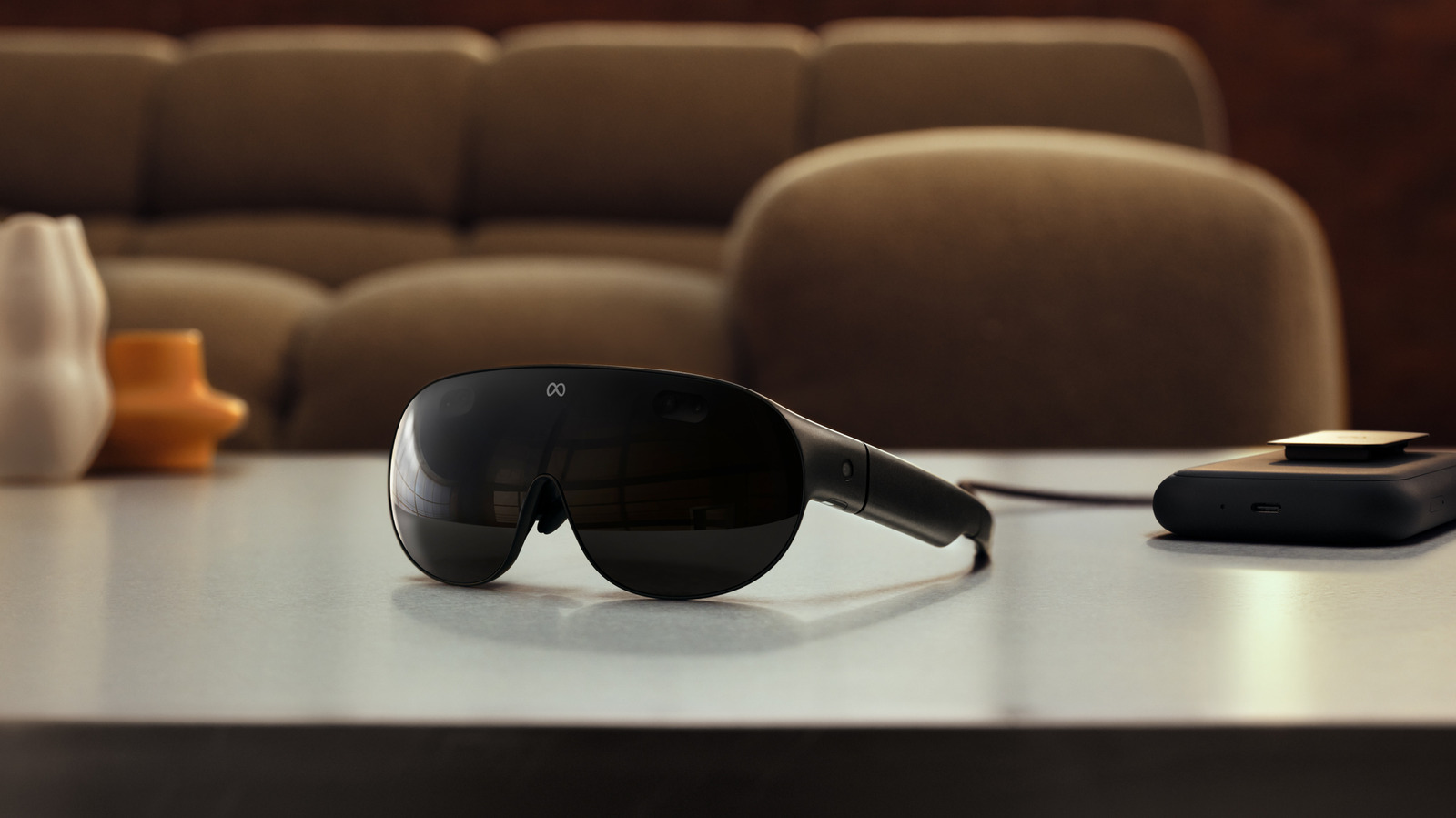
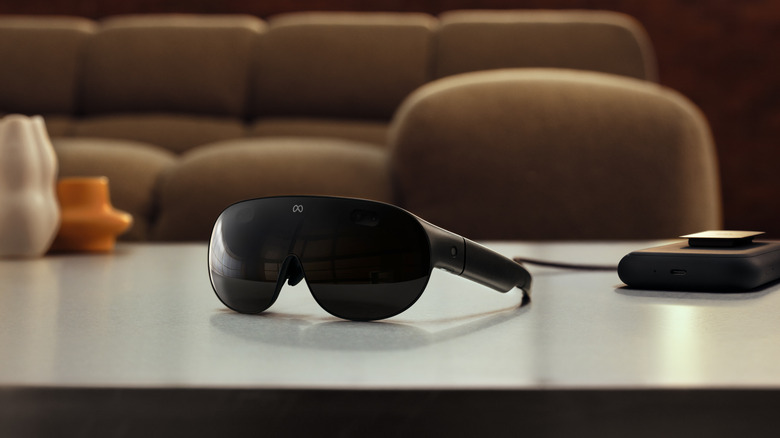
Priced at $1,300 and slated for a spring release, the flagship Meta VR Glasses challenge the high-end spatial computing market pioneered by Apple, offering a 5K display, magnesium-alloy chassis, and a tethered processing puck powered by Qualcomm’s Snapdragon Reality Elite chipset. Simultaneously, Meta is addressing mainstream wearability concerns by launching a camera-free audio variant of its popular Ray-Ban collaboration, alongside the third-generation Ray-Ban Meta AI specs featuring high-resolution capture, advanced noise-cancellation arrays, and expanded style choices including classic Aviator silhouettes.
Beyond hardware, the company used the event to codify its software and entertainment ecosystems. Significant architectural updates are coming to foundational titles like Beat Saber and the independent return of Supernatural, while cinematic heavyweights like Disney, Marvel, and Lucasfilm are leaning heavily into spatial streaming environments. With the FDA-cleared hearing enhancement features, localized spatial holograms for video calling, and a surprise tease of the Tamagotchi-style "Muse Charm" personal AI agent, Meta Connect 2026 paints a picture of a company transitioning from experimental metaverse exploration to pervasive, utility-driven ambient computing.
Detailed Chronology of Announcements
1. Meta VR Glasses: High-End Spatial Computing, Reimagined
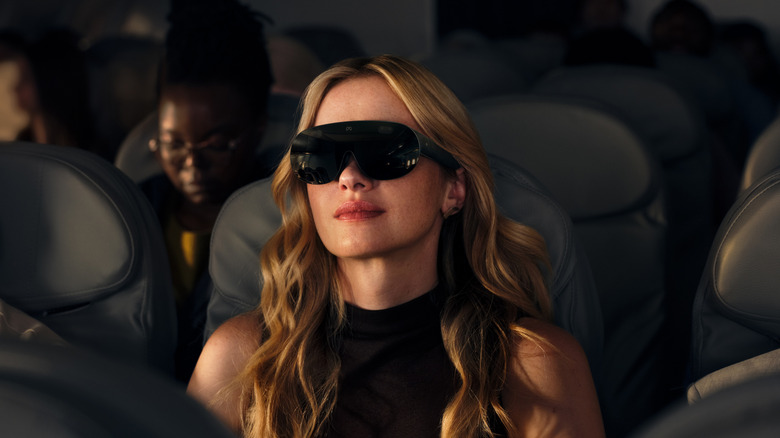
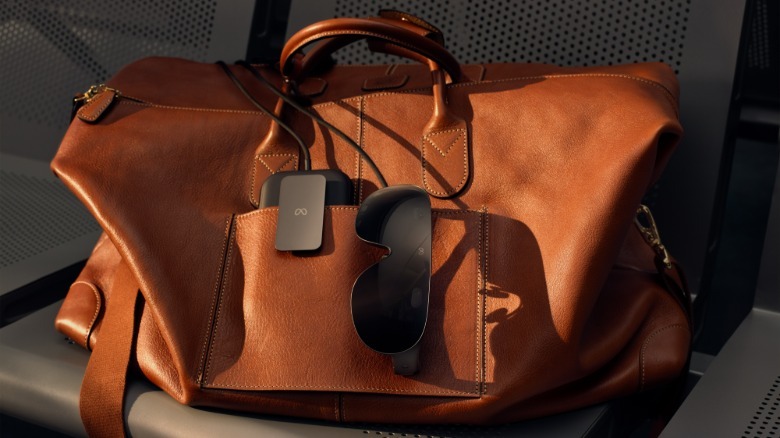
Anchoring the entire keynote was the official unveiling of Meta’s long-rumored virtual reality glasses, confirming that the company is sticking to its targeted deployment timeline. Arriving next spring with a retail price tag of $1,300, these glasses are engineered to bridge the gap between heavy, standalone VR headsets and lightweight everyday eyewear.
Form Factor & Ergonomics: Weighing in at approximately 100 grams, the glasses are roughly five times lighter than the Meta Quest 3. They feature a durable magnesium-alloy frame housing advanced pancake lenses.
Optics & Display: Equipped with full-color passthrough video support and a stunning 5K display, the device offers cinema-grade visual clarity. It is certified IMAX Enhanced and supports Dolby Vision alongside Dolby Atmos spatial audio.
Processing & Power Architecture: Computational duties are offloaded to a tethered pocket-sized puck running on Qualcomm’s Snapdragon Reality Elite chipset. The puck houses the system storage and battery, delivering up to three hours of continuous high-resolution media playback on a single charge with 45W fast-charging capabilities.
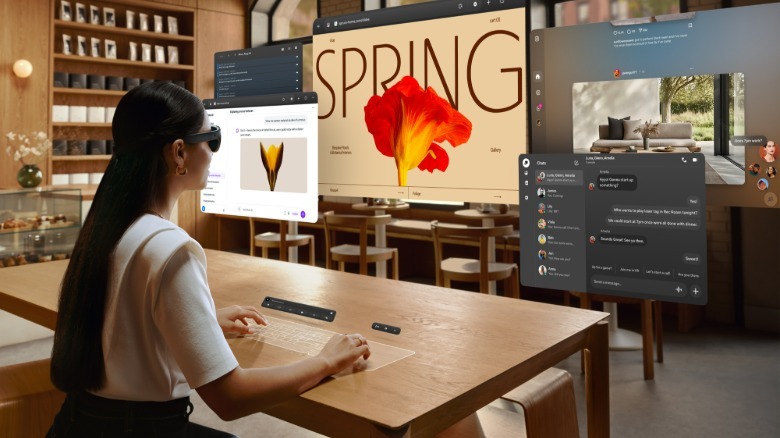
Gaming & Productivity Ecosystem: At launch, users will be able to access 75 dedicated gesture-controlled games, with total backward compatibility for existing Quest titles via Touch Plus controllers. Xbox Cloud Gaming support is built in, alongside wireless or USB-C connectivity to external gaming rigs. For productivity, the glasses pair seamlessly with Windows PCs and Macs, projecting virtual desks, keyboards, and multi-monitor setups.
Holographic Presence: Leveraging spatial communication features akin to Apple’s spatial personas, the glasses allow users to project holographic avatars into platforms like WhatsApp and Zoom, enabling realistic spatial audio positioning during calls.
2. Ray-Ban Meta Audio: The Camera-Free Alternative
In a strategic move to sidestep privacy concerns and the "pervert glasses" stigma sometimes associated with camera-embedded wearables, Meta introduced the Ray-Ban Meta Audio line.
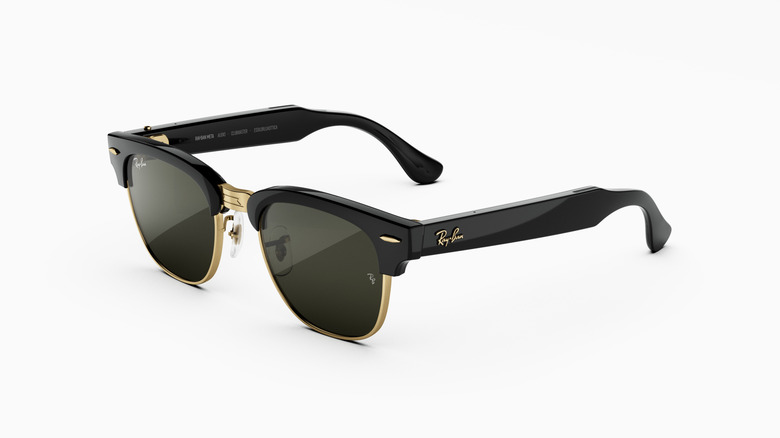
Design & Comfort: Weighing a scant 43 grams, these frames are tailored for all-day wear. They feature professionally adjustable temple tips, swappable or adjustable nose pads, and overextension hinges. They launch in classic Clubmaster and rectangular Burbank shapes spanning 27 distinct color and lens combinations, with full prescription lens support.
Capabilities: Built without an optical sensor, the glasses focus strictly on AI voice assistance, music and podcast streaming, and clear phone calls.
Battery & Availability: The frames deliver up to 12 hours of use per charge, with an accompanying charging case providing an additional 48 hours. Pre-orders open immediately, with retail shipments commencing on October 13 at a starting price of $349.
3. Ray-Ban Meta Gen 3 and Expanded Smart Glasses Lineup
Meta has not abandoned camera-toting AI specs; instead, it has streamlined and supercharged them for its third-generation release.
Hardware Refinements: The Ray-Ban Meta Gen 3 features a slimmer profile, a dedicated hardware trigger button for Meta AI, and extended battery life—pushing usage from eight hours to nine. A six-microphone array filters out over 90 percent of ambient background noise.
Optics: The 12MP camera now captures crisp 3K video, with upcoming firmware updates slated to introduce Dolby Atmos spatial audio recording. A dynamic photo-snapping feature automatically captures multiple frames to select or suggest the optimal shot.
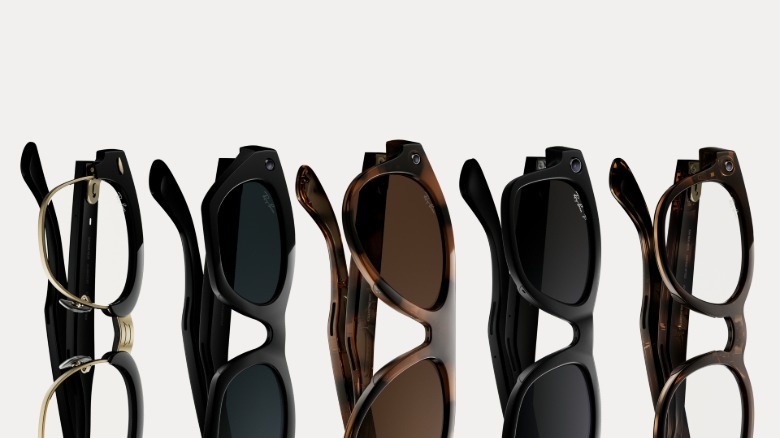
Styles & Pricing: New aesthetic options include the classic Aviator style and the cat-eye Zena frame, joining the enduring Wayfarer design. Prices start at $449. Special editions include a limited-edition milky beige Aviator with brown Transitions lenses ($579), alongside high-profile collaborations with Kylie Jenner and BLACKPINK’s Lisa ($399). Additionally, Meta expanded its own-brand lineup with the Meta Adventurer ($249) and a limited-edition clear-framed Meta Fury.
4. Meta Ray-Ban Display Expansion and Feature Updates
The sophisticated Meta Ray-Ban Display model is shedding its limited regional status.
Global Rollout: The glasses are now available to order online in the US for $799, in the UK for £749, and in Canada for $1,149 CAD. Pre-orders open concurrently in Germany, France, and Italy (priced at €899), with physical availability set for October 13.
Navigation & Interfacing: Later this month, users in the US and Canada will gain access to cycling and public transit guidance within the heads-up display. Walking directions are also being refined to direct users based on prominent physical landmarks rather than abstract turns.
Holography & Web Apps: The Ray-Ban Meta Display will support holographic video calling avatars (via the Meta AI app setup) and run a curated suite of web apps accessible via the Explore interface.
5. FDA-Cleared Hearing Enhancement Feature
Addressing mild-to-moderate hearing difficulties in noisy environments, Meta announced a certified hearing enhancement tool for its smart glasses.
Functionality: Similar to the diagnostic tone-testing found in premium earbuds, the glasses calibrate acoustic output to the user’s specific hearing profile. The feature can be activated via voice command ("Hey Meta, start hearing enhancement").
Pricing & Availability: Rolling out in the US later this year across Meta Glasses and subsequently to third-gen Ray-Ban variants, the feature includes a 30-day trial before transitioning to a one-time $149 fee (or inclusion within a Meta One subscription). The tool is fully eligible for FSA and HSA reimbursement.
6. Gaming and Entertainment Ecosystem Expansion
Meta’s VR content ecosystem received major updates across gaming, fitness, and cinema:
Beat Saber’s Massive Update: Arriving next spring, the Beat Games flagship title will receive its largest overhaul to date, featuring native hand-tracking support. A new single-player mode, Flux, introduces palm-based energy tethers to slice notes to pulse-pounding tracks, backed by a redesigned campaign narrative and deep customization systems.
The Return of Supernatural: Following corporate restructuring earlier in the year, the popular VR exercise platform returns to the Meta Horizon Store this fall under an independent development team. User histories, streaks, and badges remain intact alongside expanded HD environments and workout catalogs.
Third-Party Titles:
Payday: Aces High arrives on Meta Quest 3 and 3S with crossplay support (playtest starting October 19).
Tetris Effect is slated for a mixed reality, hand-tracking release on Meta VR Glasses next year.
Two Point Hospital is coming to Quest headsets.
Phoenix Wright Ace Attorney: Dual Destinies VR brings the beloved courtroom drama to VR, complete with voice-activated "objections."
Immersive Cinema & Sports: Disney+ subscribers will gain access to 3D streaming in November, while Meta VR Glasses owners can experience "VR Enhanced" films like Avengers: Infinity War and Star Wars: A New Hope via the Disney Immersive Cinema by ILM app next spring. Furthermore, ESPN is bringing 8K 180-degree live sports streaming (beginning with college football) to Meta hardware, supplementing over 100 live events annually via partnerships with MLB, NBC Sports, TNT Sports, and the UFC.
7. One More Thing: The Muse Charm
In a brief closing tease, Mark Zuckerberg showcased the Muse Charm, a dedicated pocket-sized hardware device housing Meta’s personal Muse AI agent. Reminiscent of a modernized Tamagotchi, the keychain device features a small display, speakers, microphones, and a fingerprint sensor, designed to house the real-time voice and avatar stack in an always-available, offline-adjacent form factor. Further details are expected later in the year.
Heads-up display, navigation updates, holographic video calling.
Accessibility
Hearing Enhancement
$149 (or Meta One)
Later this year (US)
FDA-cleared tuning for noisy environments; FSA/HSA eligible.
Official Statements
Reflecting on the strategic direction of the company during the keynote addresses, Meta executives emphasized the convergence of physical and digital spaces through ambient intelligence:
"We are no longer simply building hardware for isolated virtual escapes; we are engineering the connective tissue between physical reality and digital capability. From the uncompromising visual fidelity of our new VR glasses to the everyday utility of our audio and display eyewear, Meta is building an ecosystem where computing adapts to the human experience, rather than demanding the human adapt to the screen."
— Meta Product Leadership Team
On the expansion of accessibility and entertainment partnerships:
"True mainstream adoption requires us to solve real-world problems—whether that is helping you navigate a busy urban center, enhancing your ability to engage in conversation in a loud room, or placing you directly inside the cinematic universe of your favorite films. Our partnerships with Disney, ESPN, and industry-leading developers demonstrate that the immersive web is open for business at scale."
Future Outlook
Meta Connect 2026 marks a decisive maturation of Meta’s hardware strategy. By stratifying its wearables portfolio—separating the high-end, productivity-focused Meta VR Glasses from the lifestyle-oriented Ray-Ban Meta Audio and camera-equipped Gen 3 frames—Meta has successfully neutralized many of the criticisms that plagued earlier, one-size-fits-all hardware cycles.
The introduction of FDA-cleared hearing assistance signifies a profound pivot toward health and utility technologies, positioning smart glasses not merely as communication tools, but as assistive medical devices for everyday life. Meanwhile, the aggressive push into spatial media with Disney and ESPN guarantees that content supply will meet the hardware demand as these devices hit consumer hands over the coming months.
As the industry looks toward the spring 2027 release of the flagship VR glasses and the unfolding capabilities of the mysterious Muse Agent ecosystem, Meta has cemented its position as the primary architect of the ambient computing era.