Executive Overview
Remedy Entertainment’s latest psychological-supernatural thriller, Control Resonant, plunges players right back into the unpredictable, brutal, and shifting architecture of the Federal Bureau of Control (FBC) and its otherworldly extensions. As players step into the shoes of the game’s new protagonist during the high-stakes prologue, they are immediately confronted with a fundamental design philosophy that defines the entire combat loop: meaningful, build-defining choices.
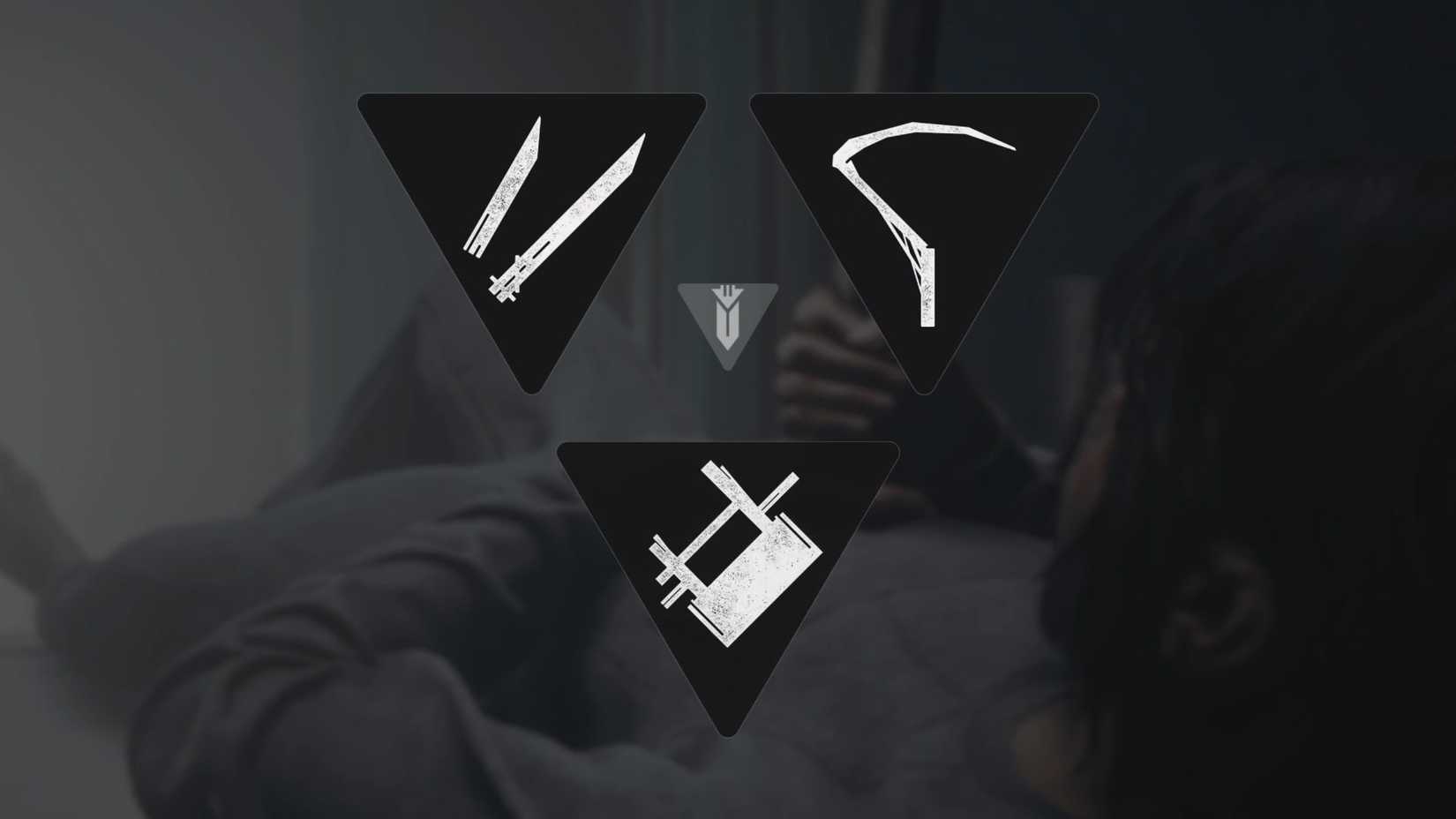
Early on, players must make three distinct selections that will dictate how they survive the opening hours of the experience: their Primary Weapon Form, their Secondary Weapon Form, and their Resonant Combat Ability. While Remedy provides three distinct options for each category—designed to cater to disparate playstyles ranging from crowd control to high-damage critical precision—the pressure to choose correctly can feel paralyzing.
Fortunately, Control Resonant strikes a healthy balance between permanent commitment and mechanical flexibility. While your choices are locked in for the duration of the prologue, the game introduces a streamlined respec system early in Act I. Using reset items found within the mysterious and shifting environment known as the Gap, players can reallocate their weapon forms, combat abilities, and individual talents. Thanks to quality-of-life adjustments implemented in the game’s day-one patch, acquiring these reset items is far more forgiving than in previous titles, allowing for healthy experimentation.
This guide serves as an authoritative, deep-dive breakdown of the prologue choices available in Control Resonant, evaluating the mechanical strengths and tactical weaknesses of each option to help you construct an optimal early-game build.
Detailed Chronology: Navigating the Prologue Choices
To fully understand Control Resonant‘s combat mechanics, one must trace the exact sequence of decisions presented to the player during the opening hours. The prologue acts as both a narrative hook and an intensive combat tutorial, teaching players the rhythmic interplay between basic strikes, momentum-building primary forms, utility-driven secondary forms, and high-impact resonant abilities.
Phase 1: The Primary Weapon Form Selection
Shortly after the initial narrative exposition establishes the gravity of the containment breach, players are guided toward their first major tactical decision: selecting a Primary Weapon Form. The primary weapon serves as the cornerstone of your offense. It dictates your neutral game, your basic attack cadence, and how smoothly you can transition into high-damage combo finishers.

Remedy presents three primary pathways:
- Cleave: Purpose-built for sweeping crowd control, this weapon form specializes in lifting lighter targets off their feet and inducing status falter across groups.
- Strike: Tailored for aggressive, up-close combat, this option rewards high-tempo inputs with blistering fast attacks and exceptional critical strike multipliers.
- Glaive: Positioned as a hybrid tool, the Glaive excels at generating area-of-effect (AoE) damage and amplifying the potency of subsequent combat abilities.
Authoritative Verdict: While all three paths are viable depending on personal preference, Strike stands out as the most universally useful primary weapon for the prologue and early-game zones. Its superior critical damage output not only melts individual high-priority targets quickly, but it also accelerates your combo finisher meter. This creates a compounding effect: faster critical hits lead to faster finishers, which in turn feed your resonant abilities.
The primary drawback of the Strike form is its restricted range and vulnerability to being swamped by large mobs. However, these weaknesses are easily mitigated by your choice of secondary weapon and crowd-control abilities.
Phase 2: The Secondary Weapon Form Selection
As players progress deeper into the prologue’s combat gauntlet, they unlock the Secondary Weapon Form. It is critical to manage expectations regarding this slot: unlike traditional action RPGs where primary and secondary weapons share equal screen time, the secondary weapon in Control Resonant occupies a distinct utility space.
Because primary weapon attacks are mandatory to set up devastating combo finishers, the secondary weapon often plays a supporting role. Rather than attempting to use it as your primary damage dealer, veteran players should view the secondary weapon through the lens of tactical utility.
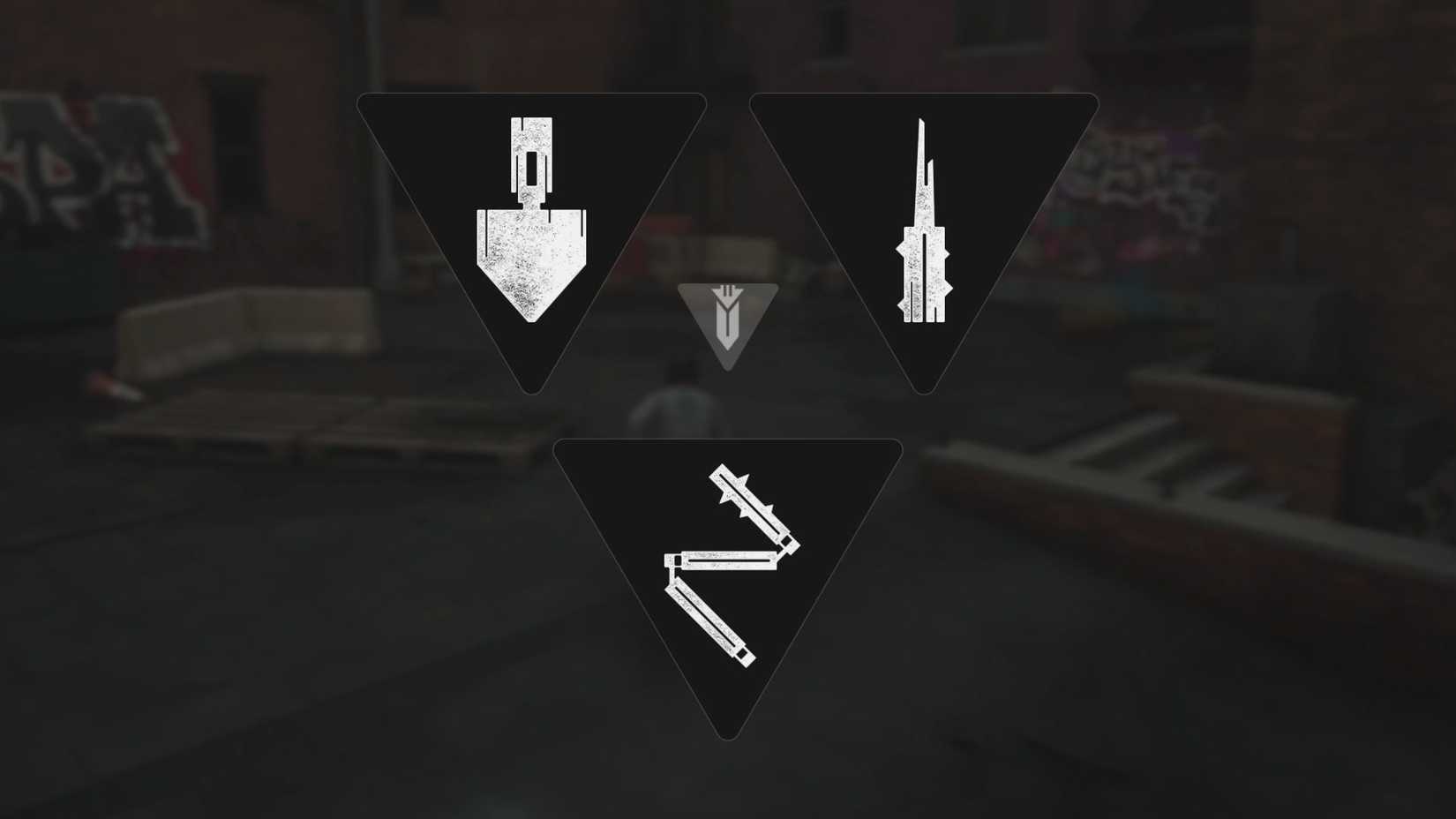
Remedy provides three distinct utility-focused secondary forms:

- Crush: Designed to break enemy posture shields rapidly and inflict heavy physical trauma.
- Drill: A sustained-pressure tool that chews through armored targets and applies persistent debuffs.
- An unnamed third balancing variant focusing on tactical displacement.
Authoritative Verdict: Prioritize Crush or Drill for their immense utility value. Because your primary weapon handles your bread-and-butter damage, your secondary weapon should solve specific combat problems—such as stripping a tough enemy’s guard or opening up defensive gaps in heavily armored entities.
Phase 3: The Resonant Combat Ability Selection
The final hurdle of the prologue arrives immediately after defeating the primary resonant entity guarding the exit. Here, players are tasked with choosing their signature Resonant Combat Ability—a supernatural power that consumes energy and dramatically alters the flow of combat.
The three options span different schools of paranormal manipulation, each offering distinct tactical advantages in crowd management and resource generation.
Authoritative Verdict: The consensus recommendation for early-game survival is Volatile Anomaly. This ability excels at rapidly building up the "falter" status on enemies while simultaneously granting the player the Dominance buff. Dominance is a game-changer during encounters against multiple heavy hostiles, as it temporarily shifts enemy aggression and creates vital breathing room.
Furthermore, Volatile Anomaly synergizes brilliantly with aggressive playstyles. By putting smaller enemies into a faltered state, players can easily execute them—a mechanic that not only grants a massive damage boost but also restores a portion of the player’s health pool, ensuring sustained survivability in tight corridors.
Supporting Context & Metrics: Build Synergy and the Gap Economy
Building an effective character in Control Resonant requires looking past individual weapon stats and examining how systems interact. The table below outlines the synergy matrix of our recommended early-game build:
| Build Component | Selection | Primary Mechanical Benefit | Tactical Synergy |
|---|---|---|---|
| Primary Weapon | Strike | High critical hit chance & fast attack cadence | Accelerates combo finisher readiness. |
| Secondary Weapon | Crush / Drill | Guard breaking & sustained armor degradation | Solves the Strike form’s weakness against heavily armored targets. |
| Combat Ability | Volatile Anomaly | Rapid falter buildup & Dominance buff | Generates crowd control, damage boosts, and health restoration via executions. |
The Gap and Reset Economics
A common anxiety in action games with deep skill trees is "build regret"—the fear that an early-game mistake will ruin a playthrough dozens of hours down the line. Remedy addresses this directly through the Gap, a liminal staging area where players can manage their gear, upgrade talents, and reallocate points.
Crucially, Control Resonant utilizes a modular respec system. A single reset item will not wipe your entire character build clean; instead, individual items correspond to specific categories:
- Weapon Respec Item: Resets your primary and secondary weapon choices.
- Combat Ability Respec Item: Resets your chosen resonant power.
- Talent Respec Item: Resets your passive skill tree nodes.
While this means you may occasionally need to farm or acquire multiple items to completely overhaul your build, Remedy’s day-one patch significantly increased the drop rate and vendor availability of reset items within the early game. Players should feel entirely comfortable experimenting with Cleave, Glaive, or alternative combat abilities once they reach the first major hub area, knowing that experimentation is actively encouraged by the game’s economy.
Official Statements & Developer Insights
Remedy Entertainment’s design team has repeatedly emphasized player agency and adaptive pacing as core pillars of Control Resonant. In a pre-launch developer diary focusing on combat systems, lead combat designers discussed the philosophy behind the prologue choices:
"We didn’t want players to feel pigeonholed by a choice made twenty minutes into a forty-hour journey," the design team noted. "The prologue selections are designed to teach you how the game thinks about spacing, momentum, and resource management. But once you step out into the wider world of the Bureau’s anomalous sectors, we want you to have the tools—and the freedom—to break those rules, respec your loadout, and find a rhythm that feels uniquely yours."
This design ethos explains why the respec mechanics within the Gap are made accessible so early in the experience. Remedy recognizes that a player’s understanding of Control Resonant‘s kinetic combat loop evolves dramatically after surviving their first few major boss encounters and environmental hazards.
Future Outlook: Meta Evolution and Post-Launch Balance
As the global player base dives deeper into Control Resonant, the meta surrounding early-game builds is already evolving. While the Strike + Crush + Volatile Anomaly combination remains the safest and most efficient path for clearing the first two zones smoothly, advanced players are beginning to uncover high-skill ceiling builds centered around the Glaive and heavy area-denial abilities.
Looking forward, the community anticipates several developments as Remedy rolls out its post-launch content roadmap:
- New Weapon Forms: Future expansions are expected to introduce additional primary and secondary weapon variants, potentially shaking up the established critical-hit meta.
- Extended Talent Trees: As level caps increase, hybrid builds that bridge the gap between aggressive close-quarters combat and supernatural crowd control will likely become more viable without relying strictly on specialized utility weapons.
- Economic Tuning: While the day-one patch improved reset item availability, community feedback will continue to shape how frictionless build experimentation remains in future updates.
For now, new agents entering the bureau can step forward with confidence. Choose the Strike weapon to drive your momentum, rely on Crush to shatter stubborn defenses, and unleash Volatile Anomaly to control the chaos. The Bureau awaits—and with the right build, you just might survive what’s lurking in the resonant depths.