Executive Overview
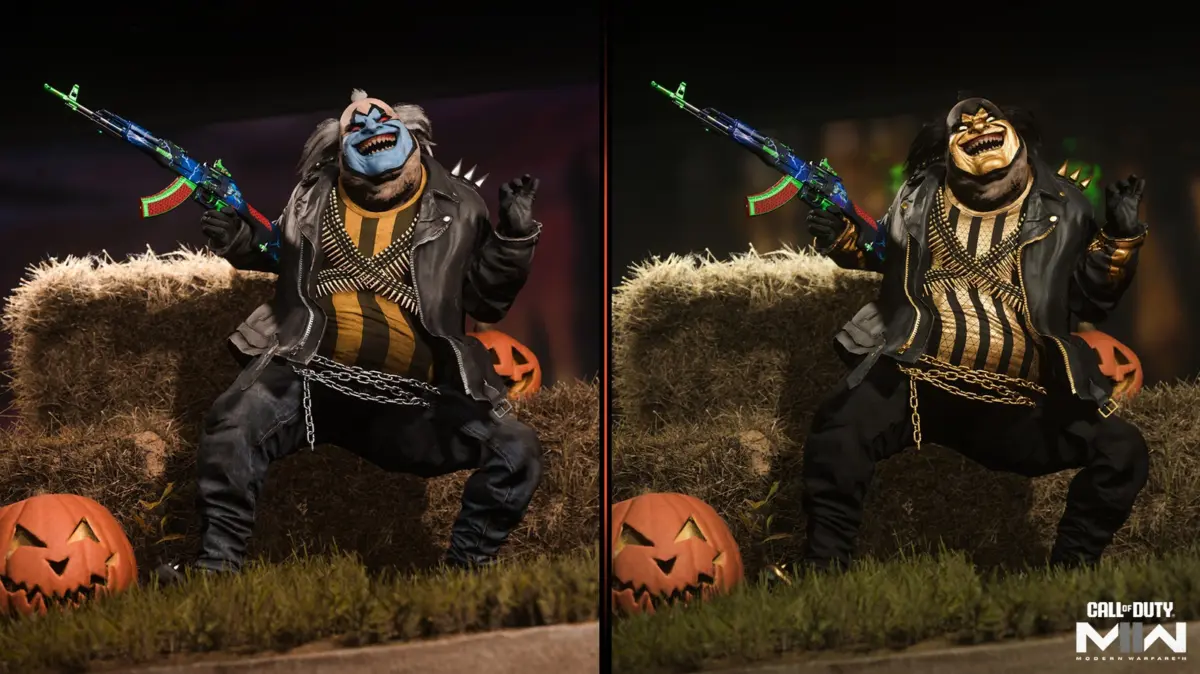
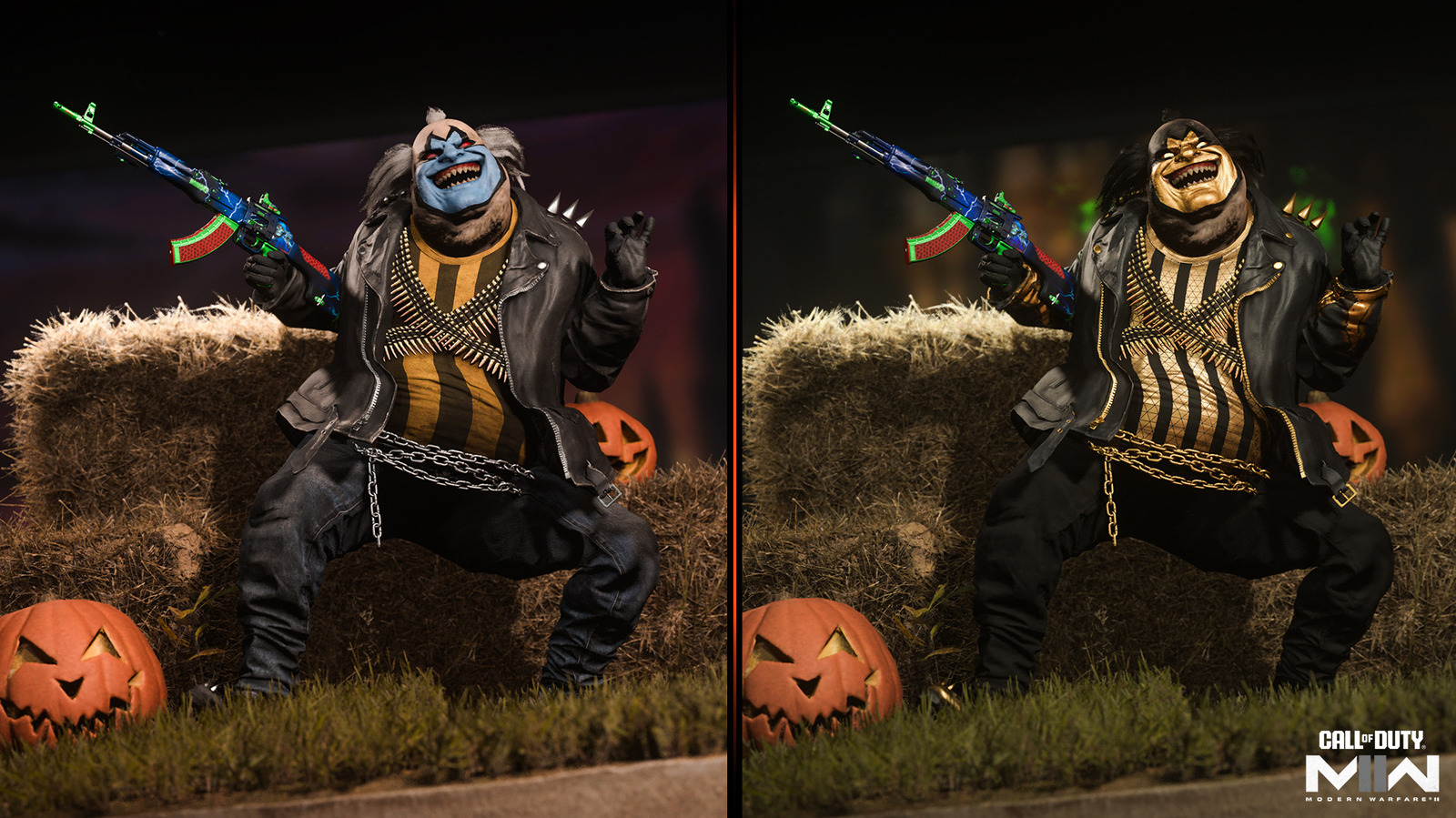
For years, the battlefield of Call of Duty: Warzone has devolved into a surreal, high-definition fever dream. What once began as a grounded, albeit Hollywood-inflected, military simulation has progressively transformed into a vibrant pop-culture carnival. Players dropping into Verdansk or Urzikstan could routinely find themselves exchanging gunfire with iconic action heroes, animated MTV slackers like Beavis and Butt-Head, neon-infused anime characters, and nightmarish, pastel-furred creatures such as "Wubz."
While these eccentric crossovers and cosmetic microtransactions have proven to be a lucrative financial engine for publisher Activision, they have simultaneously fractured the player base. A vocal segment of the community—hardcore tactical enthusiasts and purists who prefer the atmospheric tension of a realistic military engagement—have long lamented the erosion of the franchise’s aesthetic integrity.
That era of mandatory visual dissonance is finally coming to an end. With the impending arrival of Season 1 for Modern Warfare 4, Activision is introducing a long-awaited, highly requested feature: a dedicated client-side operator toggle designed to suppress non-standard character skins in Warzone.
This strategic pivot represents a fascinating compromise between modern live-service monetization and traditional aesthetic immersion. By allowing individual players to opt out of viewing outlandish cosmetic variants, Activision is addressing a critical pain point that has plagued the first-person shooter (FPS) genre for half a decade. This report examines the mechanics of the new toggle, the cultural friction surrounding skins in contemporary gaming, the evolution of live-service monetization, and what this means for the future of the Call of Duty franchise.
Detailed Chronology: The Escalation of the Cosmetic Arms Race
To understand the magnitude of the upcoming Season 1 update, one must trace the rapid evolution of Call of Duty’s cosmetic philosophy over the past decade.
The Grounded Roots
In the early days of the franchise, particularly during the original Modern Warfare trilogy, player customization was strictly utilitarian. Characters wore era-appropriate military fatigues, ghillie suits, and tactical gear that blended seamlessly into the muddy, war-torn environments. The visual identity of the game was uniform, dark, and intentionally oppressive, reinforcing the gravity of modern warfare simulations. Even as multiplayer introduced prestige unlocks and weapon camo challenges, the silhouette of a soldier remained distinctly military.
The Live-Service Turning Point
The launch of Call of Duty: Warzone in March 2020, paired with the integration of successive titles like Black Ops Cold War and Vanguard, fundamentally shifted the game’s economic and creative trajectory. Operating under a free-to-play, live-service model, Activision recognized that continuous content updates required a robust monetization pipeline. Battle passes and store bundles quickly became the primary revenue drivers.
To maintain player engagement and drive sales, the scope of cosmetic offerings expanded exponentially. Moving away from standard-issue camo, the art teams began drawing inspiration from pop culture, historical oddities, and pure fantasy.
- The Action Hero Era (2021): Crossovers featuring Rambo and John McClane marked an early turning point, proving that external franchises could successfully inhabit the Call of Duty universe.
- The Monster and Mythos Phase (2022–2023): As seasonal updates progressed, operators were given skins ranging from glowing radioactive mutations to mythical beasts and anime-themed mecha suits.
- The Absurdist Peak (2024–Present): By the time characters like Beavis, Butt-Head, and the unsettling, fuzzy neon creature known as "Wubz" made their way into the game, the aesthetic barrier had completely collapsed.
The Breaking Point and Community Backlash
For many veterans, the tipping point arrived not with a major Hollywood crossover, but with the accumulation of visual noise. The core mechanics of Warzone rely heavily on rapid target acquisition, situational awareness, and split-second silhouette recognition. When an enemy sniper is wearing a neon-pink tracksuit or a glowing demonic skull, it fundamentally alters the competitive integrity of the match.
Furthermore, the tonal whiplash of participating in a gritty, high-stakes tactical extraction while flanked by cartoon characters alienated a substantial portion of the community. Forums, Reddit threads, and content creator channels routinely featured complaints about "visual clutter" and the death of military immersion. Recognizing that losing its core tactical audience posed a long-term risk to player retention, Activision’s development teams began quietly investigating technical solutions to bridge the gap between monetization and immersion.
Supporting Context & Metrics: The Economics of Immersion vs. Monetization
The decision to implement a skin-hiding toggle is not merely an artistic concession; it is a calculated maneuver navigating complex psychological, economic, and technical dynamics within the modern gaming ecosystem.
The Psychology of Customization
In contemporary multiplayer games, skins serve multiple functions:
- Self-Expression: Players use cosmetics to project their personality, humor, or allegiance to external franchises.
- Status Symbols: Rare, expensive, or hard-earned skins signal dedication and financial investment.
- The "Flex" Factor: Part of the appeal of purchasing a flashy skin is ensuring that other players are forced to look at it.
The new Warzone toggle introduces a fascinating psychological wrinkle: it is strictly client-side and off by default. When a player enables the toggle, external skins acquired from other sources across the Call of Duty universe are replaced with standard, era-appropriate Operator appearances on their screen only. Crucially, the player’s own custom skin remains visible to them, and they will still appear in their customized gear to other players who have not enabled the feature.
This means that those who wish to run around as a neon-colored cartoon character can continue to do so—and others will still see them—unless an opposing player has explicitly chosen to filter them out. This preserves the vanity incentive for buyers while granting relief to purists.
The Technical and Competitive Landscape
From a competitive standpoint, uniformity in character models historically aids in hit-box clarity and visibility. While developers endeavor to ensure that all hit-boxes remain identical regardless of clothing, bulky or unusually shaped skins have frequently led to gameplay controversies—such as skins that provide accidental camouflage in dark corners or silhouettes that confuse target tracking at a distance.
Industry metrics across the live-service sector indicate that player churn often spikes when games lose their foundational identity. While flashy microtransactions generate short-term revenue spikes, retaining a loyal, long-term player base requires respecting the core fantasy that attracted players to the franchise in the first place. By offering a customizable viewing experience, Activision is attempting to capture the financial benefits of extreme cosmetic variety while mitigating its alienating side effects.
Official Statements and Implementation Details
The rollout of the operator toggle is scheduled to accompany the launch of Season 1 for Modern Warfare 4. According to official documentation released via the official Call of Duty blog, the feature has been engineered with specific parameters to ensure seamless integration without disrupting match stability or matchmaking queues.
How the Toggle Works
- Opt-In Nature: The feature is completely optional and turned off by default. Players who enjoy the eclectic mix of characters do not need to change any settings.
- Client-Side Processing: Enabling the feature replaces non-standard operator skins with default, lore-friendly military appearances strictly on the client side.
- Preservation of Personal Customization: Players who turn on the toggle will still see their own chosen skins, allowing them to maintain their personal loadout identity while stripping away the visual noise of opposing players.
- Universal Application: The toggle applies across eligible Warzone matches, effectively neutralizing cross-universe crossovers, promotional tie-ins, and out-of-genre cosmetic bundles for the user.
While community reception to early announcements has been overwhelmingly positive, industry analysts are watching closely to see how the feature performs under high-stress server loads during peak operational hours. Ensuring that client-side model swapping does not introduce frame drops or latency issues during large-scale battle royale engagements will be a primary technical hurdle for the development team.
Future Outlook: A New Paradigm for Live-Service Shooters?
The introduction of the skin-hiding toggle in Call of Duty: Warzone could establish a powerful precedent for the entire live-service gaming industry. For years, developers have argued that expansive, eccentric cosmetic systems are fundamentally incompatible with visual filters because publishers rely on peer visibility to drive microtransaction sales.
By demonstrating that a client-side toggle can coexist with a thriving cosmetic marketplace, Activision may open the floodgates for similar features in competing titles like Apex Legends, Fortnite, and Counter-Strike.
Potential Industry Impacts
- Standardization of Visual Filters: Other AAA publishers may adopt similar toggles to appease older or more dedicated player demographics who feel alienated by maximalist art directions.
- Evolution of Microtransactions: Developers may begin categorizing cosmetics more explicitly—distinguishing between "tactical" and "fantasy" tiers—giving players finer control over their immersive environments.
- Re-centering Atmospheric Design: Game studios may feel emboldened to push bolder, more experimental cosmetic designs into their stores, knowing that players who dislike them have a built-in escape hatch rather than being forced to abandon the game entirely.
Conclusion
For Call of Duty: Warzone, the Season 1 update represents a mature acknowledgment of its diverse player base. It bridges the gap between the commercial imperatives of modern gaming and the timeless appeal of tactical immersion. Whether players prefer charging into battle as an elite military operative or a surreal pop-culture icon, the upcoming toggle ensures that everyone can play Warzone on their own terms.