Executive Overview
The landscape of contemporary horror cinema has undergone a seismic shift, but few releases have captured the cultural zeitgeist quite like Backrooms. Directed by breakout visionary Kane Parsons, the film successfully bridges the gap between internet folklore and high-concept studio filmmaking. Following its staggering box-office run earlier this year, Backrooms has officially made its streaming debut on HBO Max, arriving on September 25, 2026.
For a genre that has spent the past several years saturated with predictable IP reboots and formulaic jump-scare vehicles, Parsons’ feature film stands as a towering achievement in spatial dread and existential horror. Adapted from Parsons’ immensely popular viral YouTube web series—which itself originated from a single 2019 4chan post about "noclipping" out of bounds—the film elevates the uncanny nature of liminal architecture into a suffocating, cinematic nightmare. Starring Chiwetel Ejiofor and Renate Reinsve, Backrooms has cemented itself not only as the crown jewel of 2026’s remarkable horror renaissance, but as a watershed moment for internet-native storytelling transitioning into mainstream prestige cinema.
Detailed Chronology: From 4chan Post to Streaming Dominance
To fully understand the magnitude of Backrooms arriving on streaming platforms, one must trace the improbable trajectory of its production and cultural footprint. The phenomenon began quietly in 2019 on an anonymous 4chan thread, where a user uploaded a single, grainy image of a yellow, windowless room featuring stained carpeting and buzzing fluorescent lights. Attached to the image was a short prompt about "noclipping" out of reality into an endless, non-Euclidean labyrinth.
The image struck a universal nerve, sparking an explosion of creepypastas, collaborative world-building wikis, and fan-made digital art. However, the mythology fundamentally changed in 2022 when a teenage creator named Kane Parsons uploaded a lo-fi YouTube short titled The Backrooms (Found Footage). Utilizing rudimentary 3D animation software, degraded VHS filters, and faux-documentary framing, Parsons injected breathing, terrifying life into the stagnant internet meme. His subsequent YouTube shorts expanded the universe into a sprawling, pseudo-historical narrative involving a shadowy 1990s research initiative and mysterious corporate entities investigating anomalous spaces.
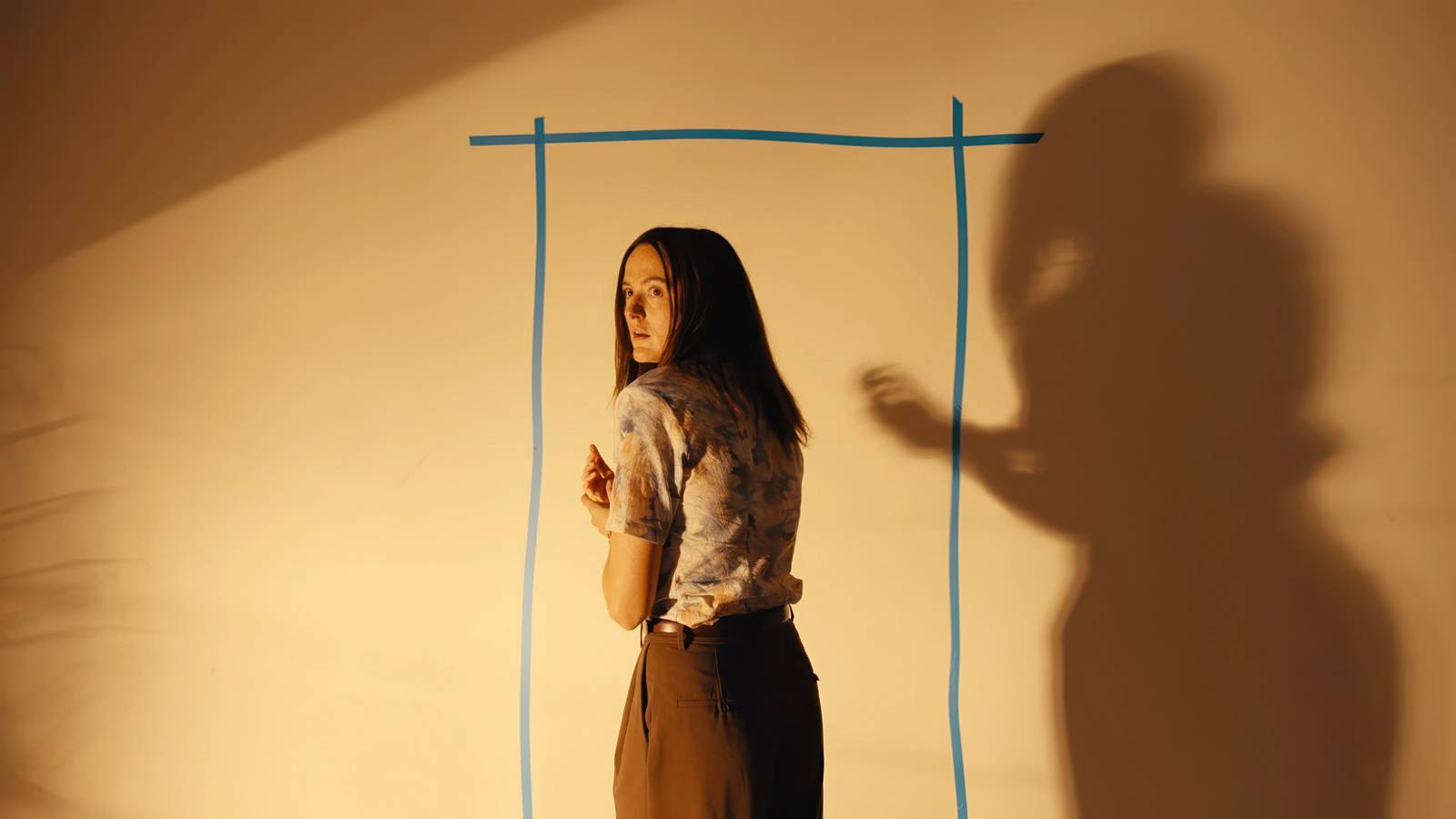
Recognizing the cinematic potential of Parsons’ analog horror universe, major studios came calling. By translating his viral shorts into a feature-length production distributed by A24, Parsons maintained his distinct artistic vision while scaling up the production value. The resulting film dominated the box office earlier in the year, and its arrival on HBO Max marks the next phase of its lifecycle—allowing home audiences to meticulously dissect the background details, hidden lore, and lingering visual dread of the yellow void.
Supporting Context & Metrics: A Stacked Year for Horror
The release of Backrooms does not occur in a vacuum; rather, it anchors what industry analysts are calling one of the most creatively ferocious years in modern horror history.
2026’s Cinematic Horror Landscape:
- Obsession (Dir. Curry Barker): A razor-sharp dissection of modern intimacy viewed through a deeply unsettling psychological lens.
- Hokum (Dir. Damian McCarthy): A masterclass in spatial dread, folklore, and atmospheric tension that left audiences spellbound earlier in the year.
- 28 Years Later Sequel (Dir. Nia DaCosta): Expanding Alex Garland’s post-apocalyptic mythos with relentless momentum and signature visual flair.
- Resident Evil (Dir. Zach Cregger): A triumphant return to raw survival panic, turning video game adaptation into high cinematic art.
Despite this uncompromising slate of heavy-hitters, Backrooms managed to stand apart. Its box-office success proved that audiences were hungry for director-driven, highly atmospheric horror that relies on psychological unease rather than cheap, telegraphed jump scares. By tapping into the uncanny valley of architecture—corridors, lobbies, and empty commercial spaces designed strictly for transit rather than habitation—the film extracts existential terror from the familiar.
Narrative Breakdown: Inside the Infinite Labyrinth
At the heart of Backrooms is a deeply grounded, human performance by Chiwetel Ejiofor, who stars as Clark, a struggling furniture store owner whose life has veered off course. While exploring the damp, cluttered basement beneath his store, Clark discovers an impossible anomaly: a jagged crack in the concrete wall that opens into a seemingly endless expanse of uniform yellow rooms.

Initially, the discovery feels like a bizarre stroke of fortune. Clark begins documenting and mapping the infinite layout, even scavenging valuable furniture from the endless spaces to sell back in the real world. However, as he ventures deeper into the labyrinth—accompanied later by Renate Reinsve’s character, Mary—the true nature of the space reveals itself. The architecture begins to warp, defying the laws of physics, and the low-frequency hum of absolute solitude gives way to the suffocating realization that they are entirely cut off from reality.
Parsons expertly avoids over-explaining the geometry of the void. Instead, he weaponizes sensory decay and spatial disorientation. The film selectively utilizes the degraded VHS textures from the original YouTube shorts, anchoring the high-budget narrative in an intimate, found-footage aesthetic that heightens the terror.
Official Statements and Industry Reception
The transition of Backrooms from a solo YouTube venture into a major motion picture has drawn widespread acclaim from both veteran filmmakers and industry critics. Industry insiders have praised A24’s willingness to hand massive budgets to internet-native creators, signaling a fundamental shift in how Hollywood scouts talent.
In early press statements regarding the film’s development, Parsons emphasized the importance of preserving the mundane horror that made his original shorts so effective:
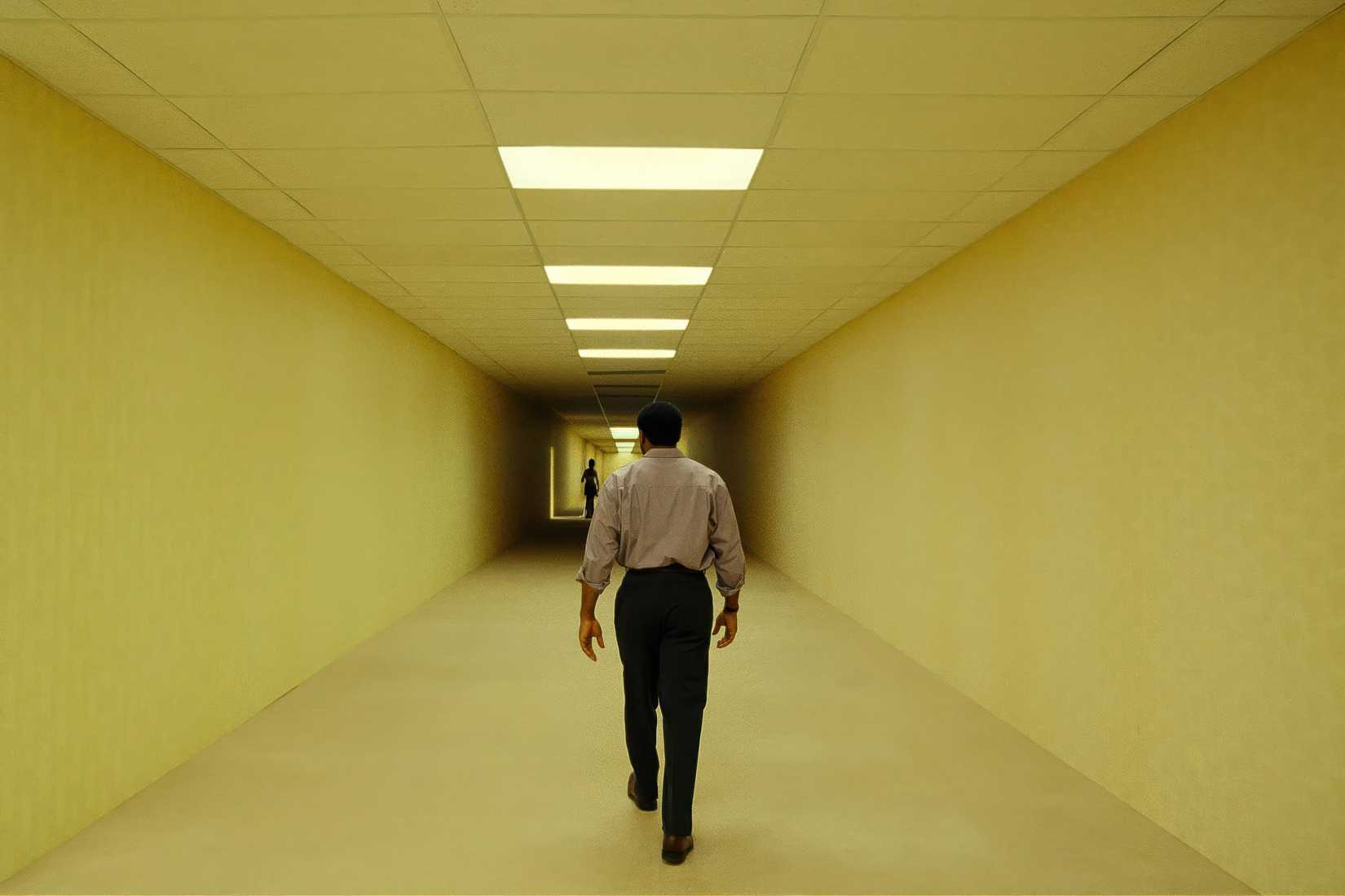
"The scariest part of the Backrooms was never a monster hiding around the corner; it was the terrifying realization that you are completely alone in a place that shouldn’t exist, surrounded by materials and designs that you recognize from everyday life, yet arranged in a way that actively rejects your existence."
Critics have similarly echoed this sentiment, lauding the film for refusing to pander to modern horror tropes. Reviewers have highlighted the movie’s pacing, sound design—particularly the oppressive, omnipresent buzz of fluorescent lighting—and the stellar anchoring performances of Ejiofor and Reinsve as vital components that elevate the project above a mere novelty adaptation.
Future Outlook: The Expansion of Internet Folklore
As Backrooms begins its streaming run on HBO Max, industry watchers are already looking ahead at the broader implications of its success. The film’s ability to satisfy both die-hard followers of Kane Parsons’ YouTube channel and newcomers completely unfamiliar with the 2019 4chan lore demonstrates a viable blueprint for adapting internet-born intellectual property.
Rather than wrapping up the anomaly with a neat, definitive conclusion, Parsons deliberately leaves blank spaces on the map. This narrative restraint keeps the underlying conspiracy theories alive within fan communities, suggesting that the theatrical release is merely the foundational cornerstone of a much larger, multi-platform narrative universe.
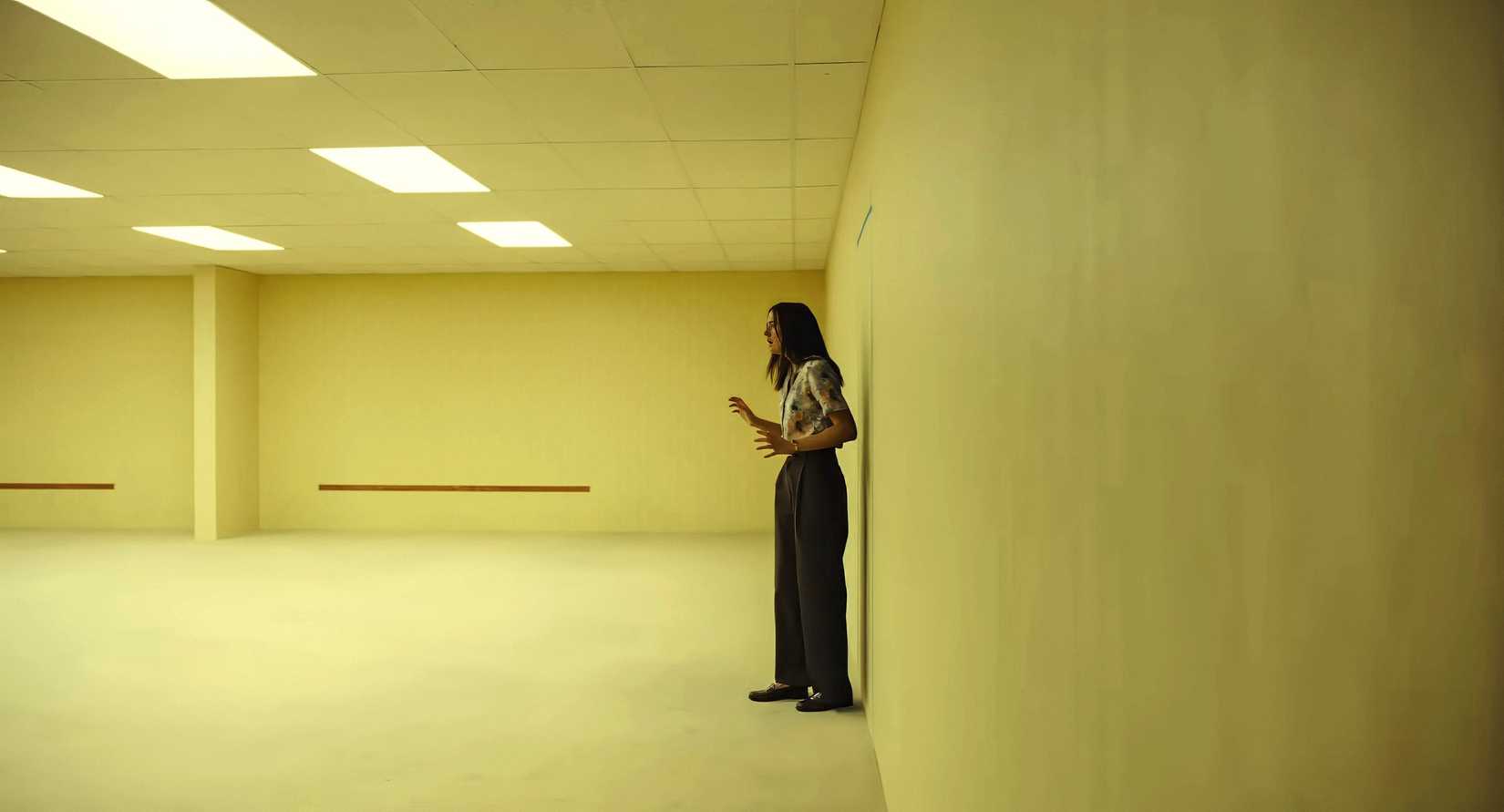
For horror fans, the streaming debut of Backrooms serves as both an invitation to get lost in its endless fluorescent corridors and a fair warning: after watching Chiwetel Ejiofor and Renate Reinsve navigate the yellow void, ordinary office buildings and empty retail spaces will never look quite the same again.