Executive Overview
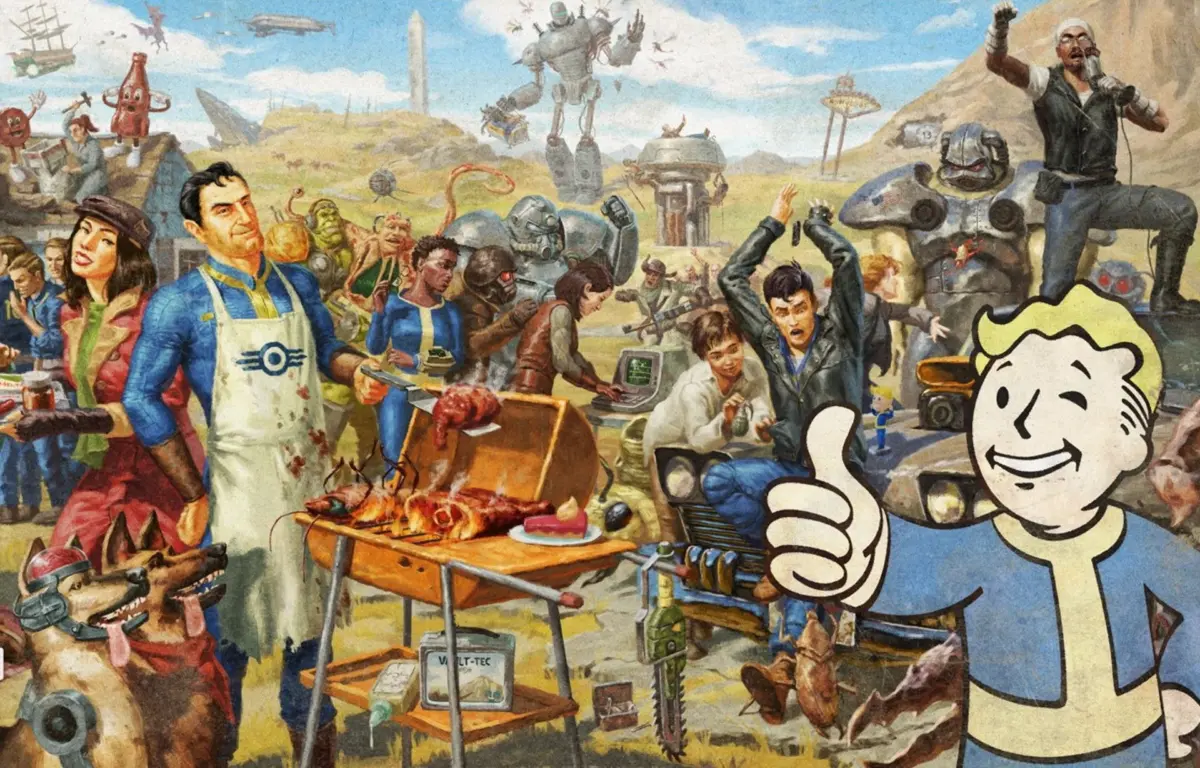
Nearly a decade has passed since the release of Fallout 4 in 2015, leaving fans of Bethesda Softworks’ post-apocalyptic role-playing monolith stranded in an uncomfortably long nuclear winter. With Bethesda currently prioritizing The Elder Scrolls 6, a potential Fallout 5 remains half a decade—or more—away from store shelves. Industry speculation suggests gamers might face a staggering two-decade gap between mainline installments, potentially pushing the next true single-player sequel into the mid-2030s.
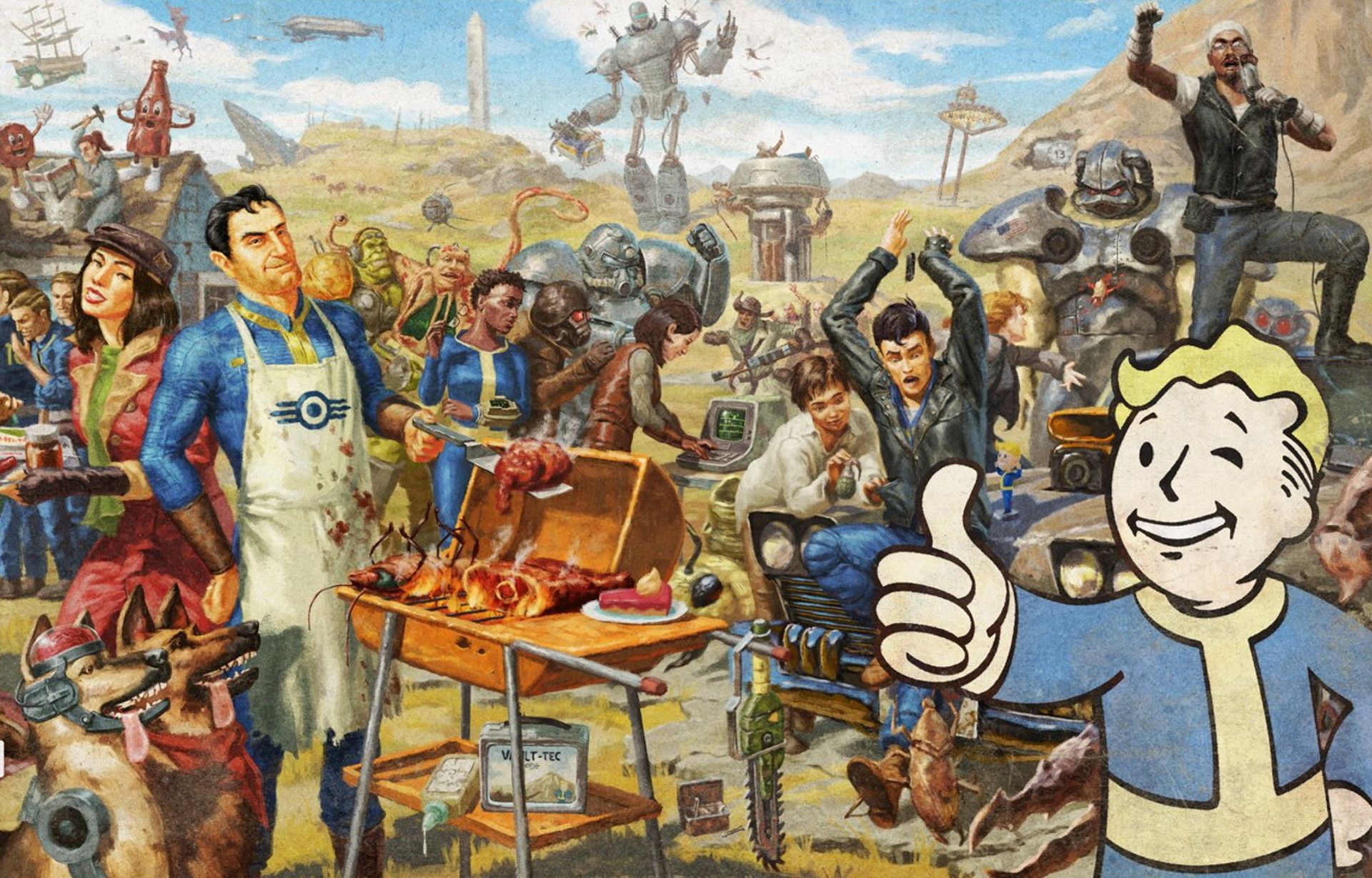
While Microsoft and Bethesda have attempted to bridge the barren gap through multiplayer experiments like Fallout 76, episodic television adaptations on Amazon Prime, and occasional spin-offs, the core community is growing restless. Recently, discussions among industry insiders have zeroed in on what the franchise truly needs during this drought. Rather than relying solely on predictable remasters of 3D entries like Fallout 3 and Fallout: New Vegas, critics and developers argue that the series must evolve. From overhauling the classic isometric origins for modern audiences to breaking free from the rigid "Vault Dweller" trope, the Fallout universe is ripe for reinvention.

Detailed Chronology: The Evolution and Stagnation of a Wasteland
To understand where the franchise is heading, one must look at how it arrived at this sprawling standstill. The timeline of Fallout is a tale of shifting ownership, engine upgrades, and stylistic reinventions:
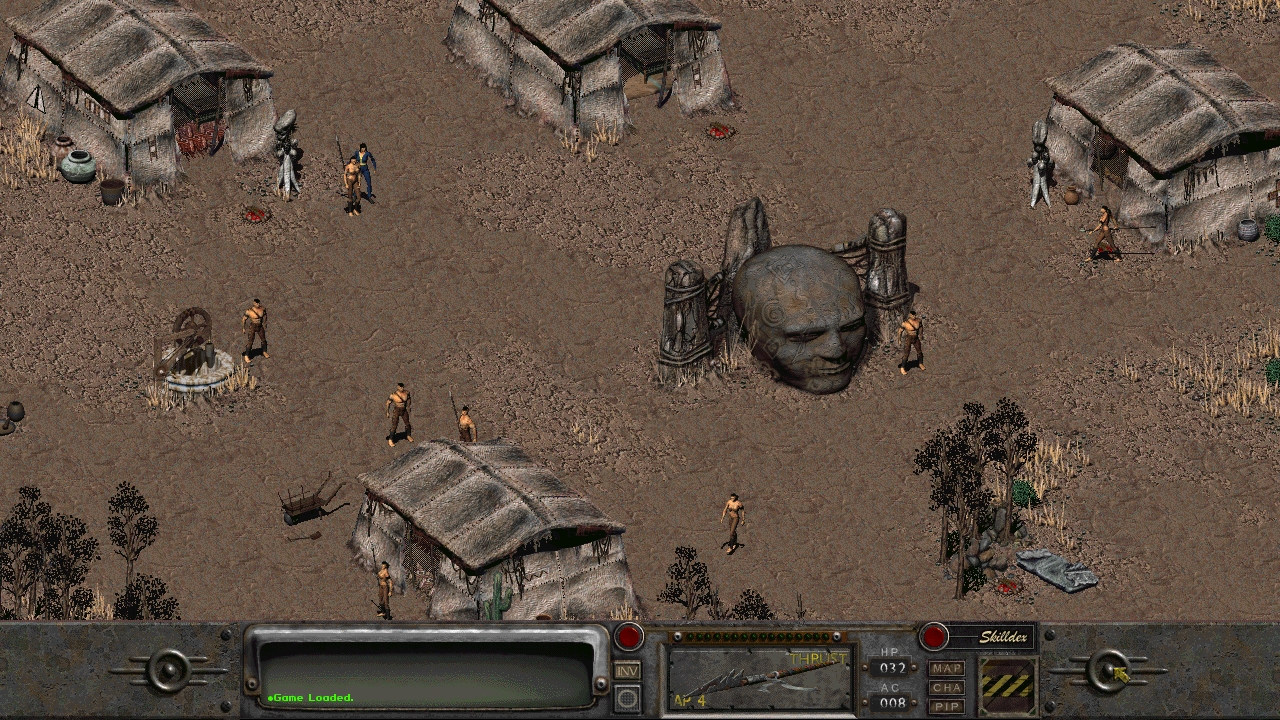
- 1997: Interplay Entertainment and Black Isle Studios release the original Fallout, establishing a gritty, isometric, retro-futuristic world defined by dark humor, strategic turn-based combat, and morally complex choices.
- 1998: Fallout 2 hits PCs, expanding the scope, lore, and systemic depth of the wasteland, cementing the series as a PC role-playing masterwork.
- 2008: After acquiring the intellectual property, Bethesda Game Studios completely reinvents the franchise with Fallout 3. Transitioning the series into a 3D first-person/third-person open-world RPG built on the Gamebryo engine, it introduces a massive new audience to the capital wasteland.
- 2010: Obsidian Entertainment—comprising several key developers from the original Black Isle team—develops Fallout: New Vegas, universally praised for its intricate writing, faction systems, and the inclusion of the tactical Hardcore survival mode.
- 2015: Fallout 4 launches, introducing voiced protagonists, comprehensive settlement-building mechanics, and weapon crafting. While commercially successful, it draws mixed reactions from hardcore RPG purists who miss the narrative depth of earlier titles.
- 2018: Fallout 76 launches as an online multiplayer survival game. Despite a disastrous, buggy rollout, it slowly carves out a dedicated community through years of updates, eventually introducing features like ghoul playstyles.
- 2024: Amazon’s Fallout television series premieres to critical acclaim, injecting billions of impressions back into the brand and sparking a massive resurgence in player counts across nearly every game in the series.
- Present Day: With The Elder Scrolls 6 taking up the bulk of Bethesda’s development bandwidth, Fallout 5 sits on the distant horizon, forcing fans and critics to re-evaluate how the franchise should sustain itself over the coming decade.
Supporting Context & Metrics: The Case for Remastering the Classics
As rumors circulate regarding upcoming remasters or touch-ups for Fallout 3 and New Vegas, industry commentators point out a glaring oversight: the games that arguably need modern revitalization the most are the original 1997 and 1998 isometric masterpieces.

For modern players raised on streamlined user interfaces and instant accessibility, booting up the original Fallout or Fallout 2 can be an exercise in frustration. Despite resting comfortably on digital storefronts like Steam, their clunky controls, dated navigation, and rigid inventories act as formidable gatekeepers.
[Fallout 1 & 2] -> Isometric, deep narrative, high barrier to entry due to UI/UX age.
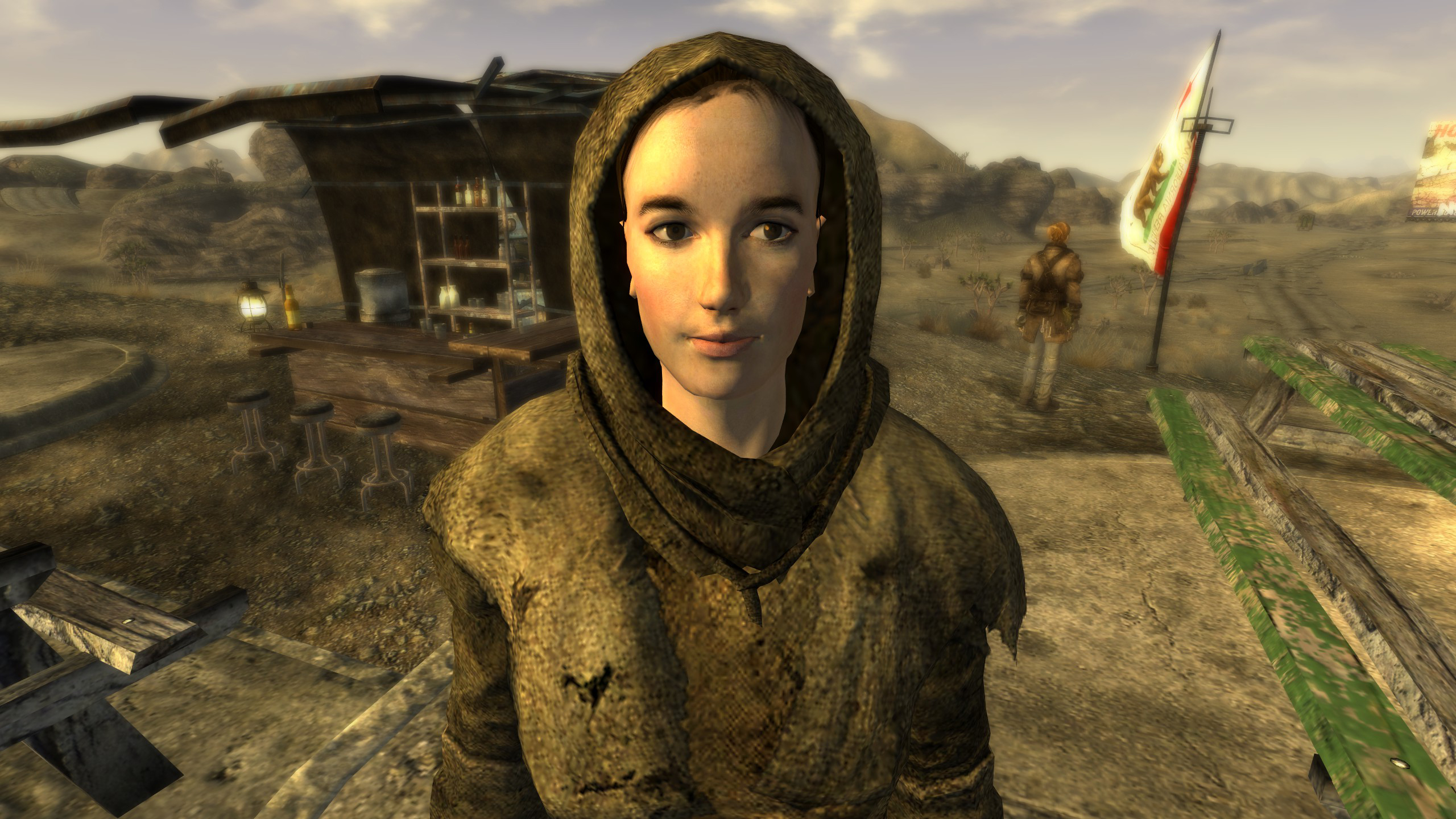
[Fallout 3 & NV] -> 3D transition, massive mainstream success, already feature robust mod communities.
[Fallout 4]      -> Action-heavy, experimental mechanics (settlement building, crafting).
[Fallout 5]      -> Expected 2030s release window; desperate need for systemic innovation.
An official, polished remaster of the first two games—optimized natively for modern resolutions and handheld platforms like the Steam Deck with intuitive controller mapping—would do wonders. It would allow a new generation of fans, perhaps brought in by the television show, to experience the roots of the wasteland without wrestling with late-90s PC architecture.

At the same time, revisiting intermediate entries like Fallout: New Vegas highlights how mechanical tweaks can completely alter player engagement. Turning on the game’s oft-overlooked Hardcore Mode transforms it from a standard shooter-RPG into a tense survival experience. By introducing mandatory mechanics for sleep, hydration, and the finite weight of ammunition, mundane items like raw meat and specialized perks suddenly carry heavy tactical weight. It proves that Fallout thrives not just on narrative, but on systemic friction that forces players to care about the harsh realities of the apocalypse.
Official Statements and Critical Perspectives
The debate over the future of the wasteland extends far beyond simple release dates. Prominent voices in games journalism have weighed in on what makes—and breaks—the franchise’s identity:

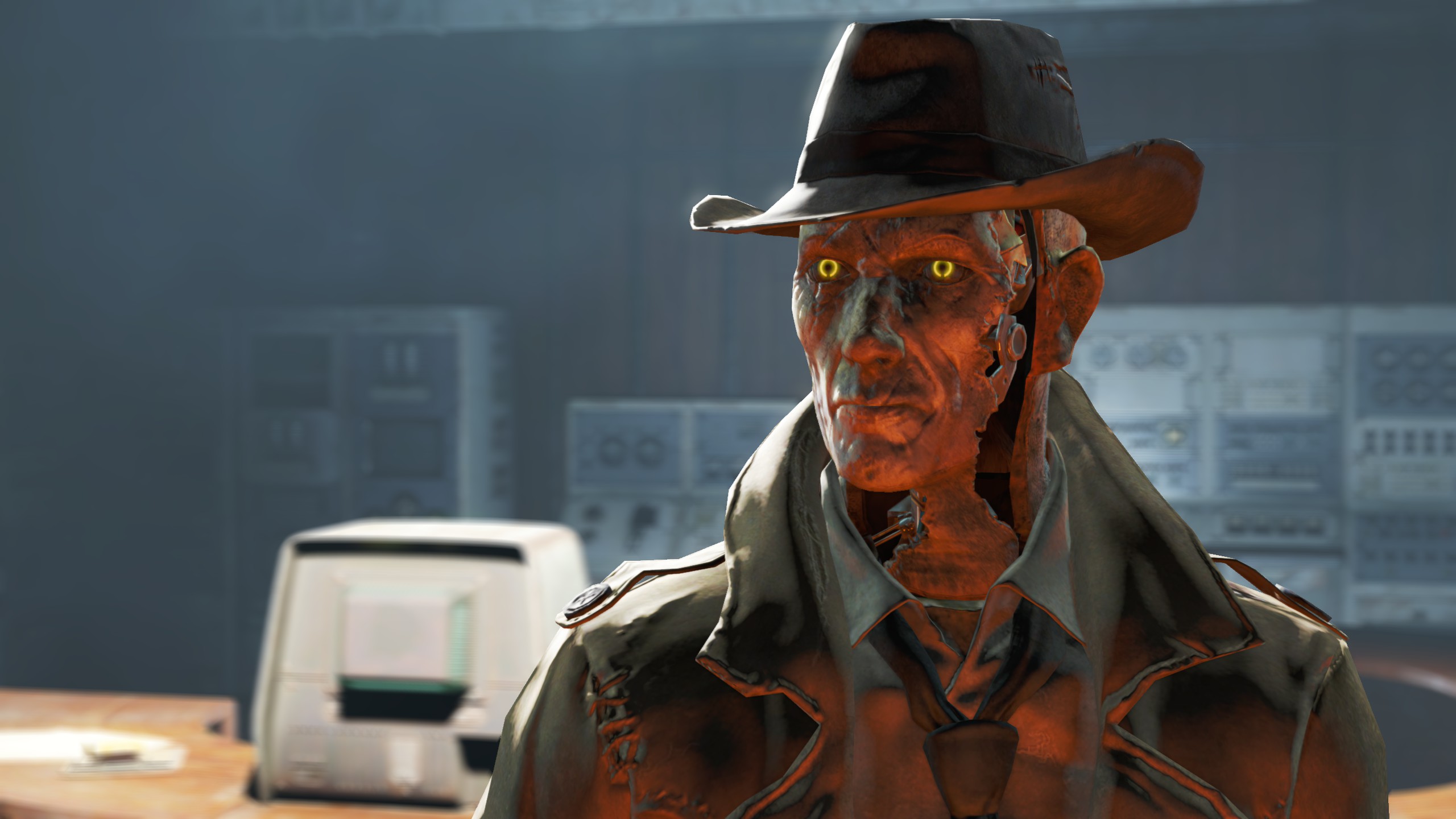
- On the Ambition of Fallout 4: While Fallout 4 received criticism for its simplified dialogue wheels and forced narrative constraints, critics argue its willingness to experiment makes it far more fascinating than the safer, more derivative Fallout 3. Where Fallout 3 functioned essentially as Oblivion with guns, Fallout 4 swung for the fences with crafting and base-building, even if some systems fell flat.
- On Lore and the Amazon Series: Addressing fan outrage over the TV show altering established game lore, critics draw parallels to George R.R. Martin’s Fire & Blood. History in the real world—and in sprawling fictional universes—is rarely uniform or indisputable. Terminal entries and historical records can be penned by unreliable narrators, liars, or the misinformed. Allowing adaptations to bend or rewrite minor lore points breathes healthy, unpredictable life into the franchise.
- On Protagonist Diversity: For decades, the series has relied on the "Vault Dweller" or "Outsider with a Pip-Boy" trope. Whether you start as a tribal in Fallout 2 or a courier in New Vegas, the games inevitably funnel you into a blue jumpsuit. Critics argue that Fallout 5 must finally break this mold, allowing players to step into the wasteland as a Ghoul, a Super Mutant, or a Synth from minute one, sidestepping the mandatory subterranean prologue entirely.
- On Breaking the Mold: Some industry veterans suggest that Fallout has become a parody of itself—a predictable loop of Deathclaws, Brotherhood of Steel chapters, and Vault-Tec satire. To truly flourish, future entries should look outward, moving away from desert settings and classic iconography to explore radically different cultural and geographical landscapes, much like competing franchises have done.
- On Expanding Spinoffs: Finally, analysts point out that Fallout does not strictly need to be constrained to first-person open-world RPGs. The runaway success of Fallout Shelter proves that the setting’s aesthetic is versatile. Expanding the brand into deep grand-strategy games (in the vein of Crusader Kings), complex city-builders, or commissioned dark-fantasy literary spinoffs could easily sustain the fanbase through multi-year droughts.
Future Outlook
As the gaming landscape shifts toward higher production costs and increasingly bloated development cycles, the wait for Fallout 5 will undoubtedly test the patience of the global community. Yet, this prolonged intermission offers Bethesda Softworks and Microsoft a unique opportunity.
By looking backward—not just to remaking 3D hits, but to revitalizing the seminal isometric classics—and looking outward—by experimenting with diverse protagonists, fresh geographical settings, and rich non-RPG spinoffs—the franchise can shed its repetitive tendencies. The nuclear wasteland was never meant to remain static; if it is to survive the decade-long wait until its next mainline chapter, it must embrace change, welcome narrative friction, and finally step out of the shadow of the Vault door.