Executive Overview
For over two decades, the Grand Theft Auto franchise has served as the undisputed gold standard for unbridled digital anarchy. From the top-down chaotic pixels of its 1997 debut to the sprawling, high-definition metropolitan playgrounds of GTA V, Rockstar Games has systematically conditioned generations of gamers to treat traffic laws as punchlines and pedestrians as speed bumps. The fundamental contract of the series has always been simple: enter the simulation, abandon your real-world ethics, and embrace total vehicular and social chaos.
Yet, following the long-awaited launch of Grand Theft Auto 6, a peculiar and deeply unexpected psychological phenomenon has begun circulating through the gaming community. Hardened veterans of the franchise—players who spent years treating Los Santos and Liberty City as personal demolition derbies—are finding themselves inexplicably paralyzed by a sudden urge to obey traffic signals. Players are pulling up to red lights, yielding to pedestrians at crosswalks, diligently staying within their designated lanes, and experiencing a visceral sense of hesitation before resorting to firearms in public spaces.
This article explores how Rockstar Games’ latest technical masterpiece has crossed a critical threshold of visual fidelity, momentum simulation, and environmental responsiveness. By bridging the gap between cartoonish action and hyper-realistic physics, GTA 6 has inadvertently fostered an atmosphere where reckless virtual behavior triggers real-world psychological friction. We examine the mechanics behind this shift, the community-wide cultural response, and what this unprecedented level of digital immersion means for the future of interactive entertainment.
Detailed Chronology: The Evolution of Rockstar’s Simulation and Player Behavior
To understand why GTA 6 is provoking such profound behavioral changes in its player base, one must first look backward at how the franchise systematically built, refined, and ultimately weaponized player indifference toward virtual consequences.
The Arcade Era: Pixels and Detachment
When the original Grand Theft Auto launched in 1997, the top-down perspective and rudimentary 2D sprites created an immense psychological buffer between the player’s actions and their simulated outcomes. Running over a line of pixelated pedestrians or engaging in explosive police chases felt fundamentally detached from reality. The goal was to rack up a high score by maximizing destruction, and the game rewarded callous disregard for safety rules.
Even with the monumental leap into 3D with Grand Theft Auto III in 2001, and subsequent iterations like Vice City and San Andreas, the technological limitations of the era maintained a healthy boundary. Physics engines were basic, vehicle handling was inherently arcade-like, and non-player characters (NPCs) reacted with predictable, hard-coded scripts. Players could easily distinguish between the real world and the sandbox, making virtual vehicular manslaughter a guilt-free stress reliever.
The HD Era and the Normalization of Chaos
By the time Grand Theft Auto V arrived in 2013 across the Xbox 360 and PlayStation 3 generations—and later received sprawling enhancements for PC and newer consoles—the sandbox had grown exponentially more detailed. Los Santos offered gorgeous sunsets, intricate radio stations, and a bustling population.
However, GTA V ultimately retained an underlying layer of satire and cinematic exaggeration. Driving remained loose, fast, and forgiving. Vehicles handled like toys, allowing players to pull off impossible mid-air corrections, smash through concrete barriers with minimal consequence, and engage in high-speed rampages that felt more akin to a Hollywood summer blockbuster than an authentic urban experience. Players had no reason to respect stop signs because the simulation actively encouraged—and rewarded—skirting the laws of physics.
The GTA 6 Paradigm Shift: Crossing the Line of Verisimilitude
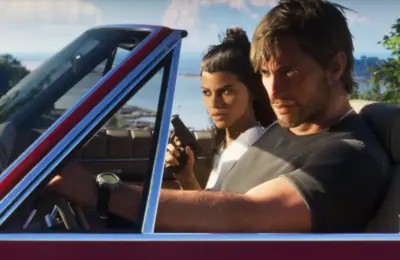
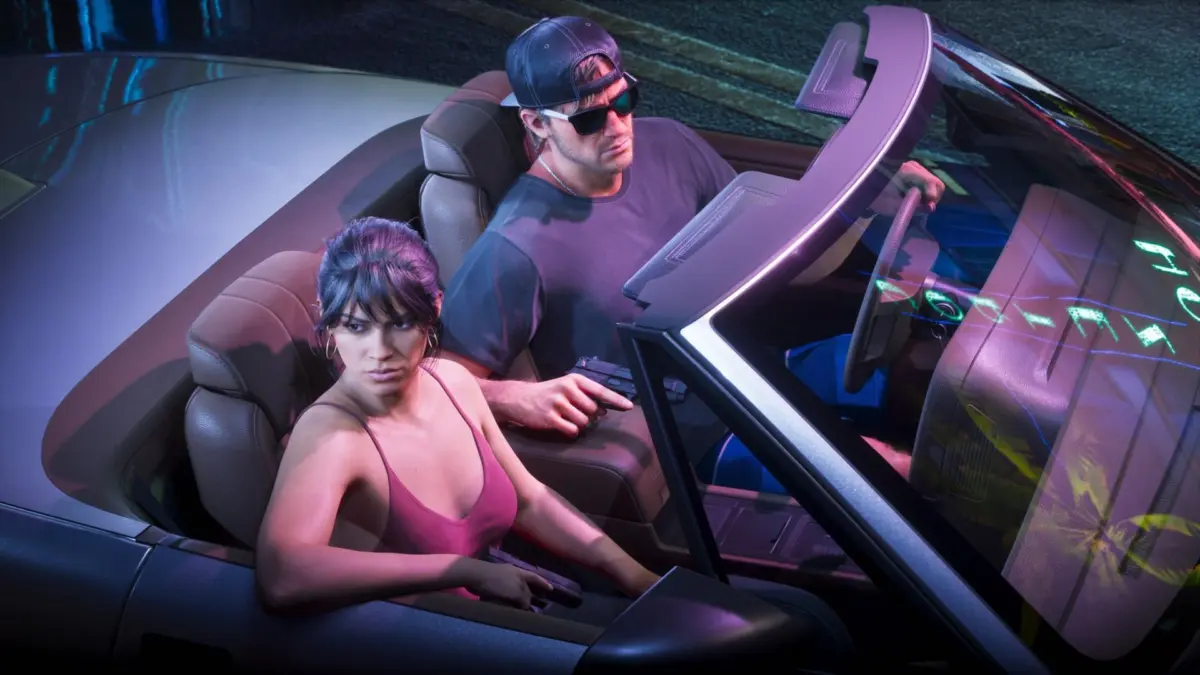
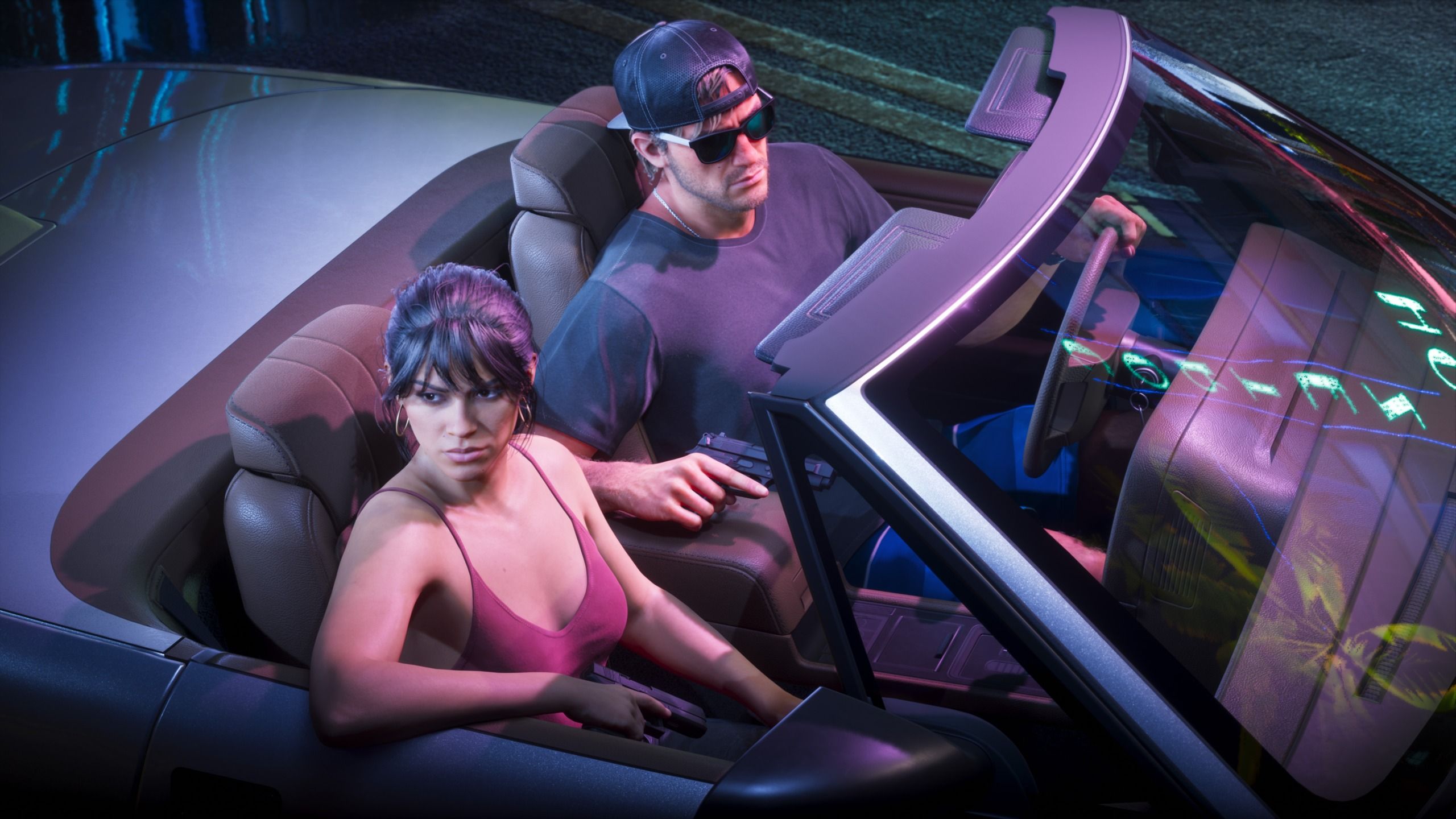
With the release of Grand Theft Auto 6, Rockstar has deployed an unprecedented level of computational power toward art design, character animation physics, dynamic lighting, and environmental density. Set against the sun-soaked, humid backdrop of Leonida and its meticulously recreated modern Vice City, the game changes the psychological calculus of play.
From the opening moments behind the wheel as Jason or Lucia, players are introduced to a driving model defined by genuine vehicular heft, realistic suspension compression, and tangible momentum. The cars do not feel like nimble plastic toys; they feel like multi-ton slabs of metal propelled by roaring engines.
This technical leap has birthed an unexpected cognitive dissonance. As players navigate the Leonida Keys or wait patiently at red lights—often realizing halfway through their idle humming that they are actually obeying civil codes—they confront a profound truth: the simulation has finally become too convincing.
Supporting Context & Metrics: The Mechanics of Immersion and Public Reaction
The psychological transformation occurring within the player base is not merely an anecdotal quirk; it is supported by structural shifts in how GTA 6 processes human and mechanical interaction within its game world.
The Weight of Momentum and Materiality
In previous titles, kinetic energy was largely abstracted. Hitting another car resulted in a predictable crunch and a slight reduction in speed. In GTA 6, the physics engine models weight transfer with astonishing fidelity. Turning a corner too sharply in a heavy sedan results in body roll, tire squealing, and a desperate struggle for traction.
This increased tactile feedback naturally alters driving habits. When a vehicle behaves like a dangerous piece of heavy machinery, the human brain instinctively applies real-world survival heuristics. Players begin maintaining safe following distances, checking blind spots, and slowing down for intersections not because a mission objective demands it, but because the virtual feedback loop demands caution.
The Visceral Reality of Public Violence
Beyond driving, social interactions within the game world have undergone a radical qualitative transformation. Recent viral clips shared across social media platforms—such as footage demonstrating a crowd of beachgoers panicking en masse when a player fires a warning shot into the air—highlight the new gravity of NPC AI.
In older titles, firing a weapon in a crowded street elicited a standard, uniform scattering animation before police units spawned in to engage. In GTA 6, the procedural animation systems, combined with sophisticated audio design and deeply responsive crowd behaviors, create an atmosphere of genuine panic. NPCs scream, stumble, drop their belongings, and flee with a chaotic realism that feels deeply unsettling.
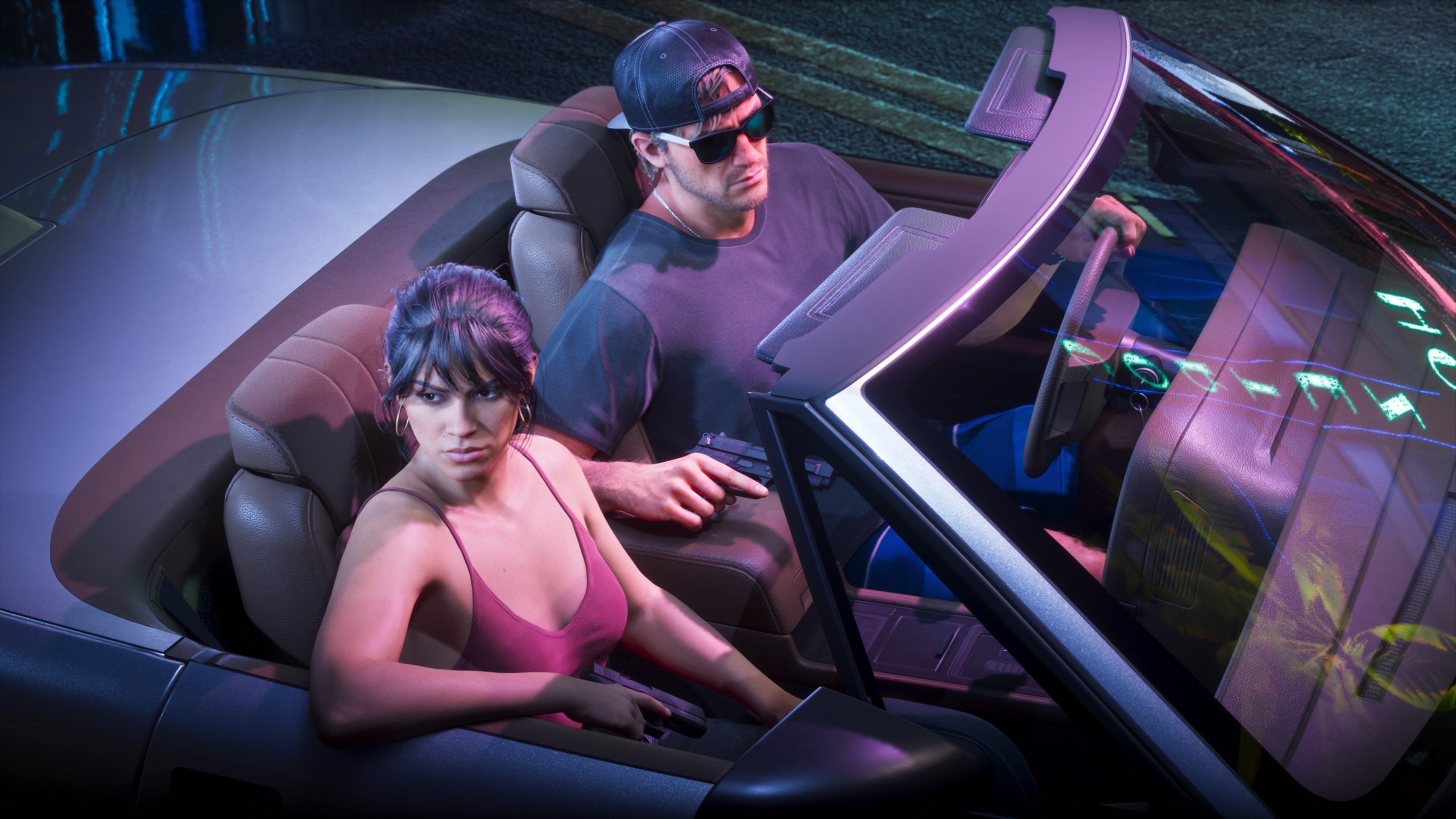
Consequently, random acts of violence cease to feel like harmless arcade fun. For players entering their thirties and beyond—who may have started the franchise as teenagers—the juxtaposition of hyper-realistic human terror against the backdrop of a sunlit beach produces an overwhelming sense of queasiness. Empting a firearm into an uncannily lifelike crowd no longer feels like a power fantasy; it feels uncomfortably, unmistakably wrong.
Official Statements and Industry Perspective
While Rockstar Games has historically kept its development philosophies close to the chest, industry analysts and lead developers across the AAA landscape have increasingly spoken about the psychological boundaries of modern hyper-realism.
In recent industry roundtables discussing the trajectory of open-world design, veteran producers have noted that the pursuit of graphical and physical fidelity inevitably forces developers to confront ethical boundaries in gameplay. When a game world achieves a level of fidelity where human responses mirror real-world trauma and panic, the player’s relationship with the sandbox changes fundamentally.
"We are no longer just building playgrounds; we are building mirrors," noted one senior technical director unaffiliated with Rockstar. "When you imbue a digital world with this level of visual and behavioral fidelity, you invite the player to treat it with a degree of emotional intelligence. If the world reacts like a real city, players will naturally start treating it like a real city—even if their initial instinct is to tear it down."
Rockstar’s monumental expenditure of art and animation resources has inadvertently achieved something unprecedented: a crime simulator that makes ordinary crime feel genuinely weighty, intimidating, and emotionally dissonant.
Future Outlook: What GTA 6 Means for Open-World Design
The unexpected behavioral shifts observed in Grand Theft Auto 6 point toward a fascinating crossroads for the future of open-world video games. As technology continues to march toward photorealism and advanced artificial intelligence, developers must consider how psychological immersion impacts player agency.
- The Evolution of Sandbox Freedom: Future titles may need to explicitly balance the urge toward hyper-realism with the traditional tenets of chaotic fun. If players feel too guilty or psychologically constrained to cause mayhem, developers risk alienating a core segment of their audience who look to video games as an outlet for harmless escapism.
- Emergent Roleplaying and Emergent Rules: Conversely, this phenomenon paves the way for deeper, more sophisticated roleplaying experiences. Games like GTA 6 are inadvertently encouraging "soft-sim" playstyles, where users voluntarily impose real-world constraints upon themselves to heighten the drama and immersion of the narrative.
- Ethical Considerations in AI and Physics: As NPC reactions become indistinguishable from real human panic, game studios will likely face increased scrutiny regarding how violence is framed, rewarded, and experienced. The psychological "uncanny valley of violence" explored by GTA 6 players suggests that future games will need to handle tone and consequence with extreme narrative care.
Ultimately, Grand Theft Auto 6 has achieved a rare feat in modern entertainment. By pushing the boundaries of technology so far that virtual driving and public conduct demand respect, Rockstar has not only redefined the standard for open-world sandboxes—it has forced us to look inward at our own digital consciences, proving that even in a world built for crime, some habits from the real world are simply too hard to break.